

Your body produces more than 50 hormones that regulate everything from metabolism and mood to sleep, energy, and reproductive function. A hormonal imbalance occurs when one or more of these chemical messengers falls out of its optimal range, either too high or too low. Even subtle shifts can trigger a cascade of symptoms that erode your performance, focus, and quality of life.
For high-performing men and women juggling demanding careers, families, and fitness goals, hormonal imbalances are not just inconvenient. They are often the hidden root cause behind declining energy, stubborn weight gain, and the nagging feeling that something is “off” despite doing everything right.
Think your hormones might be holding you back? Explore 1st Optimal’s comprehensive hormone testing to get data-driven answers and a personalized plan.
What Are the Most Common Signs of Hormonal Imbalance?
Hormonal imbalances rarely announce themselves with a single dramatic symptom. Instead, they show up as a collection of subtle changes that build over time. Here are seven signs that your hormones may need attention.
Persistent Fatigue That Sleep Does Not Fix
If you are sleeping seven to eight hours and still waking up exhausted, hormones may be the culprit. Cortisol dysregulation, low thyroid function, declining testosterone in men, and progesterone shifts in women can all produce deep, unrelenting fatigue. This is not ordinary tiredness. It is the kind of exhaustion that coffee cannot touch and willpower cannot override.
Research published in the Journal of Clinical Endocrinology and Metabolism confirms that even mild hormonal deficiencies can significantly impair energy metabolism, leaving you drained regardless of rest.
Unexplained Weight Changes
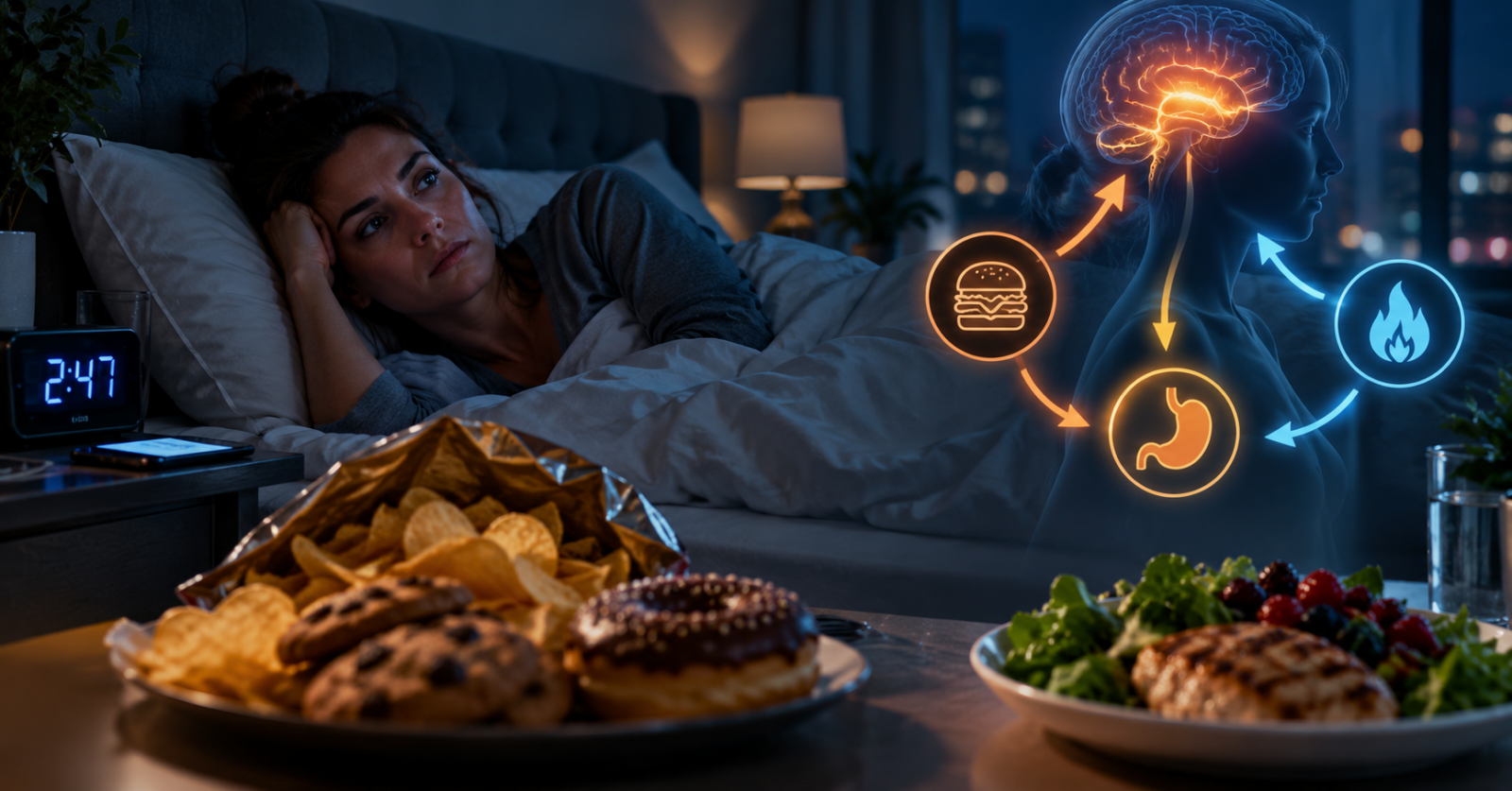
Gaining weight around the midsection despite consistent exercise and clean eating is one of the most frustrating signs of hormonal imbalance. Elevated cortisol drives visceral fat storage. Declining estrogen during perimenopause shifts fat distribution. Low testosterone reduces lean muscle mass, slowing your metabolic rate.
Conversely, unexpected weight loss without dietary changes can point to hyperthyroidism or other endocrine disruptions. When your body composition changes despite your best efforts, hormones deserve investigation.
Mood Swings, Anxiety, or Irritability
Hormones and mood are deeply interconnected. Estrogen and progesterone influence serotonin production. Testosterone affects dopamine pathways that govern motivation and confidence. When these hormones fluctuate or decline, you may experience anxiety that feels disproportionate to your circumstances, irritability with colleagues or loved ones, or a persistent low mood that does not respond to lifestyle changes.
High-performing professionals often attribute these shifts to stress. While stress certainly contributes, it frequently works in tandem with hormonal changes, creating a cycle that is difficult to break without addressing both factors.
Brain Fog and Declining Focus
If you have noticed that your mental sharpness is not what it used to be, hormonal imbalance may be responsible. Estrogen plays a direct role in cognitive function and memory consolidation. Testosterone supports spatial reasoning and mental clarity. Thyroid hormones regulate the speed of neural processing.
A 2023 study in Menopause: The Journal of the North American Menopause Society found that women in perimenopause experienced measurable declines in working memory and attention, directly correlated with fluctuating estrogen levels. Men with low testosterone report similar cognitive complaints, often described as a “mental fog” that makes complex decision-making feel unusually difficult.
Low Libido or Sexual Dysfunction
A noticeable drop in sex drive or sexual function is one of the most commonly reported signs of hormonal imbalance in both men and women. In men, low testosterone is directly linked to reduced libido and erectile difficulties. In women, declining estrogen and testosterone can diminish arousal, sensation, and desire.
Many people dismiss these changes as a natural part of aging. While some decline is expected, a significant or sudden drop often signals a treatable hormonal issue rather than an inevitable consequence of getting older.
Stop guessing and start testing. Schedule your comprehensive hormone panel with 1st Optimal and get a personalized protocol based on your results.
To learn how personalized care can help, explore our men’s hormone optimization.
Explore how our women’s hormone therapy can help you restore balance and feel your best.
Sleep Disruptions
Difficulty falling asleep, staying asleep, or waking too early can all be tied to hormonal shifts. Progesterone has a natural calming effect that promotes sleep. When levels drop during perimenopause or menopause, insomnia often follows. In men, low testosterone disrupts sleep architecture and increases the risk of sleep apnea.
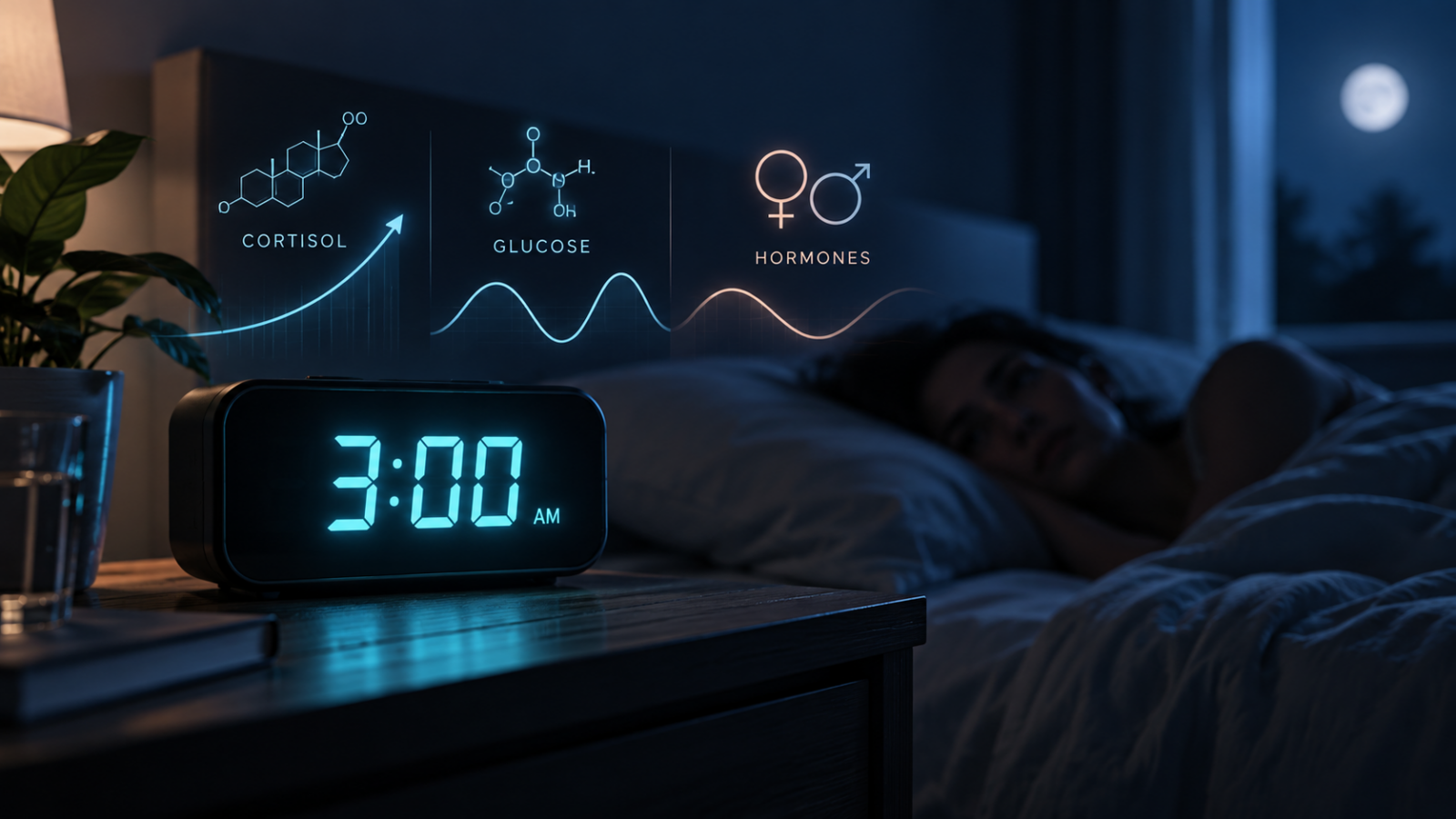
Cortisol, your primary stress hormone, should follow a predictable daily rhythm: peaking in the morning and tapering at night. When this pattern inverts due to chronic stress or adrenal dysfunction, you may feel wired at bedtime and exhausted in the morning. One key marker often overlooked in cortisol investigations is DHEA, the adrenal hormone that counterbalances cortisol. Understanding how to evaluate and supplement DHEA correctly requires its own approach — see our DHEA supplements guide for a full breakdown of testing, forms, and dosing.
Hair Thinning or Skin Changes
Your hair and skin are visible indicators of internal hormonal health. Thinning hair, dry skin, adult acne, or changes in skin elasticity can all point to imbalances in thyroid hormones, estrogen, testosterone, or DHEA. Women may notice hair loss along the part line or at the temples, while men may experience accelerated thinning beyond typical male-pattern changes.
These external signs often appear months after the internal imbalance begins, making them a lagging indicator. By the time hair or skin changes become noticeable, the underlying hormonal shift has typically been present for a while.
How Do Hormonal Imbalances Affect Men and Women Differently?
While many symptoms of hormonal imbalance overlap between men and women, the specific hormones involved and the way they manifest can differ significantly.
Signs Specific to Women
Women are particularly susceptible to hormonal shifts during perimenopause (typically starting in the late 30s to mid-40s), menopause, postpartum, and during periods of high stress. Key signs include:
- Irregular or heavy periods: Fluctuating estrogen and progesterone disrupt menstrual regularity
- Hot flashes and night sweats: Declining estrogen affects the body’s thermoregulation
- Vaginal dryness: Lower estrogen reduces vaginal lubrication and tissue elasticity
- Breast tenderness: Estrogen dominance relative to progesterone can cause cyclical breast pain
- Bone density changes: Estrogen is critical for calcium absorption and bone remodeling
The DUTCH (Dried Urine Test for Comprehensive Hormones) panel is particularly valuable for women because it captures hormone metabolites, revealing how your body processes estrogen, progesterone, cortisol, and androgens throughout the day.
Signs Specific to Men
In men, testosterone begins a gradual decline of approximately 1% per year after age 30. For some men, this decline accelerates due to stress, poor sleep, excess body fat, or environmental factors. Key signs include:
- Loss of muscle mass: Testosterone is essential for protein synthesis and muscle maintenance
- Increased body fat: Particularly around the abdomen and chest (gynecomastia)
- Erectile dysfunction: Testosterone supports blood flow and arousal pathways
- Decreased motivation: Low testosterone reduces dopamine-driven ambition and competitive drive
- Recovery decline: Slower recovery from workouts, injuries, and illness
A comprehensive male hormone panel should include total and free testosterone, estradiol, SHBG, DHEA-S, and thyroid markers to get the full picture.
What Causes Hormonal Imbalances?
Understanding why hormones fall out of balance is just as important as recognizing the signs. Common causes include:
- Aging: Natural hormone production declines with age, particularly after 35
- Chronic stress: Prolonged cortisol elevation suppresses reproductive hormones and disrupts thyroid function
- Poor sleep: Growth hormone, testosterone, and melatonin are primarily produced during deep sleep
- Nutrient deficiencies: Zinc, magnesium, vitamin D, and B vitamins are essential cofactors in hormone production
- Gut health disruption: The gut microbiome influences estrogen metabolism through the estrobolome
- Environmental toxins: Endocrine disruptors in plastics, pesticides, and personal care products mimic or block natural hormones
- Excess body fat: Adipose tissue converts testosterone to estrogen via aromatase, shifting hormonal ratios
- Medications: Birth control, statins, and certain antidepressants can alter hormone levels
For high performers, the combination of chronic stress, sleep deprivation, and demanding schedules creates a hormonal environment that accelerates decline beyond what aging alone would produce.
When Should You Get Your Hormones Tested?
If you are experiencing two or more of the signs described above, testing is the logical next step. Symptoms alone cannot pinpoint which hormones are out of balance or by how much. Comprehensive lab work provides the objective data needed to build an effective treatment plan.
1st Optimal recommends the following testing approach:
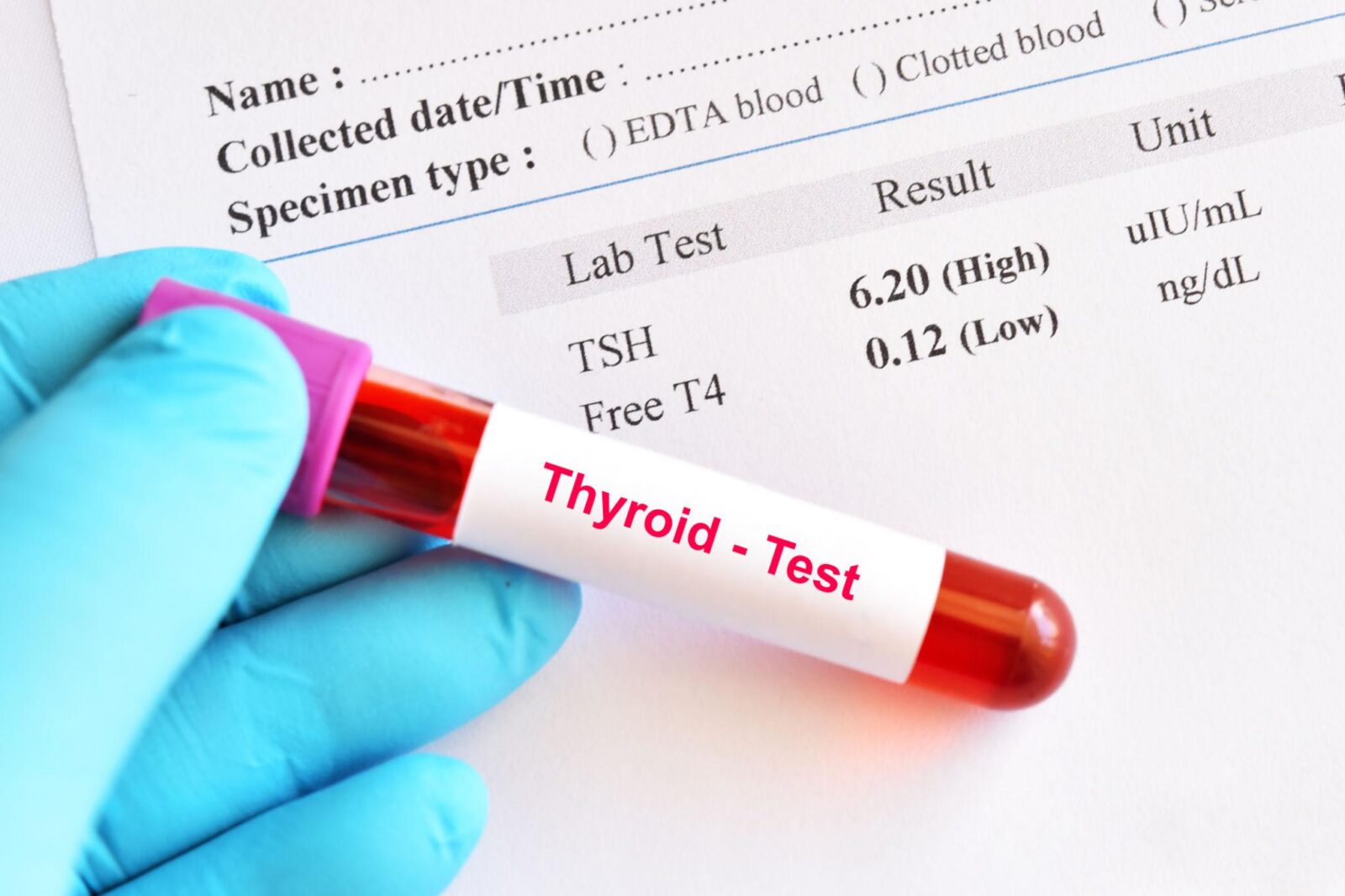
- At-home blood work kits: Measure testosterone (total and free), estradiol, progesterone, thyroid panel (TSH, free T3, free T4), DHEA-S, cortisol, and metabolic markers
- DUTCH testing: Captures a complete picture of hormone metabolites, cortisol rhythm, and how your body processes hormones throughout the day
- GI-MAP gut health analysis: Evaluates the gut microbiome’s role in hormone metabolism and inflammation
Unlike standard medical panels that test only a handful of markers, comprehensive hormone testing looks at the full hormonal ecosystem. This data-driven approach eliminates guesswork and ensures your treatment plan addresses root causes, not just symptoms.
Ready to find out what is really going on with your hormones? Get started with 1st Optimal’s at-home hormone testing and receive a personalized protocol from a dedicated provider.
Frequently Asked Questions About Signs of Hormonal Imbalance
What is the most common sign of hormonal imbalance?
Persistent fatigue that does not improve with adequate sleep is the most commonly reported sign. It often appears alongside other symptoms like weight changes, mood shifts, and brain fog, making it easy to dismiss as “just being tired.”
Can hormonal imbalance cause weight gain even if I eat healthy and exercise?
Yes. Hormonal imbalances involving cortisol, insulin, thyroid hormones, estrogen, and testosterone can all cause weight gain or prevent weight loss regardless of diet and exercise. This is why testing is essential before assuming your routine is the problem.
At what age do hormonal imbalances typically start?
Hormonal shifts can begin as early as the mid-30s. In women, perimenopause often starts between ages 35 and 45. In men, testosterone declines approximately 1% per year after age 30. Stress, lifestyle factors, and environmental exposures can accelerate these changes at any age.
How is a hormonal imbalance diagnosed?
Diagnosis requires comprehensive blood work and, ideally, advanced testing like the DUTCH panel. Standard doctor visits may only test basic markers. A functional medicine approach evaluates the full hormonal picture, including metabolites, cortisol rhythm, and related markers like thyroid, DHEA, and SHBG.
Can you fix a hormonal imbalance naturally?
Mild imbalances may respond to lifestyle changes including improved sleep, stress management, targeted nutrition, and exercise optimization. However, moderate to severe imbalances, particularly those related to perimenopause, menopause, or low testosterone, often require bioidentical hormone replacement therapy (BHRT) or testosterone replacement therapy (TRT) for effective resolution.
What is the difference between hormonal imbalance symptoms and normal aging?
While some hormone decline is a natural part of aging, symptoms that significantly impact your daily performance, relationships, or quality of life are not something you should accept as inevitable. The distinction is best made through lab testing that compares your levels to optimal ranges, not just “normal” reference ranges.
This article is for informational purposes only and does not constitute medical advice. Always consult with a qualified healthcare provider before making decisions about hormone testing or treatment. Individual results may vary.
Reviewed by Joe Miller, CEO of 1st Optimal. Joe holds a Bachelor of Education in Kinesiology, Exercise Science, Health, and Nutrition, completed a 2-Year Fellowship with A4M, trained under Worldlink Medical, and maintains ongoing BHRT certifications through A4M. He is NASM Certified and holds NSCA CSCS credentials.