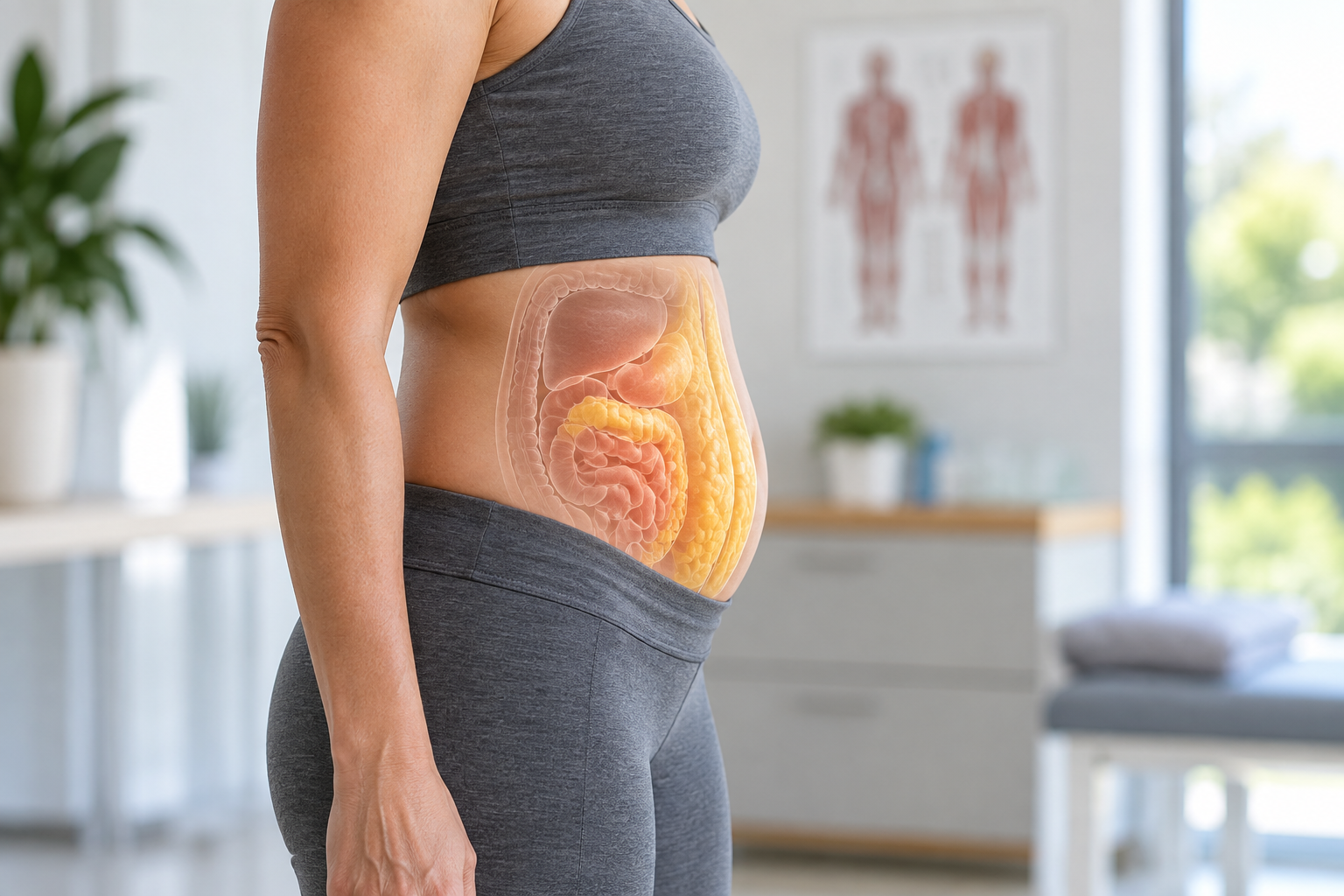


If you’ve been eating well, staying active, and still watching the number on the scale creep up, your hormones may be the missing piece of the puzzle. For many women in their late 30s through their 50s, estrogen and weight gain are directly connected. As estrogen levels shift during perimenopause and menopause, your body’s metabolism, fat storage patterns, and appetite signals all change, often making it feel like your body is working against you.
Struggling with unexplained weight gain? 1st Optimal’s personalized hormone care starts with comprehensive lab testing to uncover exactly what’s happening inside your body. Explore Women’s Hormone Care
Understanding the relationship between estrogen and your weight is the first step toward taking back control. In this guide, we’ll break down exactly how estrogen fluctuations drive weight changes, what the science says, and what you can do about it with a data-driven approach.
How Does Estrogen Affect Your Weight?
Estrogen is far more than a reproductive hormone. It plays a critical role in regulating metabolism, body composition, insulin sensitivity, and even how your brain interprets hunger signals. The most metabolically active form of estrogen, estradiol (E2), directly influences how efficiently your body converts food into energy versus storing it as fat.
Research shows that estradiol helps maintain insulin sensitivity, which means your cells can effectively use glucose for energy rather than converting it to fat. When estradiol levels are optimal, your body is better equipped to maintain lean muscle mass, burn calories at rest, and regulate appetite through proper leptin and ghrelin signaling.
Estrogen also influences where your body stores fat. During your reproductive years, estrogen directs fat storage toward the hips and thighs (a subcutaneous pattern). This distribution is associated with lower cardiovascular risk. When estrogen declines, fat storage shifts toward the abdomen, creating visceral fat that wraps around internal organs and carries significantly higher health risks.
Why Does Estrogen Decline Lead to Weight Gain?
The connection between declining estrogen and weight gain involves several interconnected mechanisms that go beyond simply “eating too much.” Here is what happens at the biological level:
- Metabolic slowdown: Lower estradiol reduces your basal metabolic rate, meaning you burn fewer calories at rest even if your activity level stays the same.
- Insulin resistance: Without estrogen’s protective effect, cells become less responsive to insulin. This leads to higher blood sugar levels and increased fat storage, particularly around the midsection.
- Appetite dysregulation: Estrogen helps modulate leptin (the “fullness” hormone) and ghrelin (the “hunger” hormone). A 2019 study found that reduced estrogen levels can impair a person’s ability to recognize hunger and satiety cues, leading to overconsumption of calories.
- Muscle loss: Estrogen supports muscle protein synthesis. As levels drop, women lose lean muscle mass more rapidly, further reducing caloric expenditure.
- Cortisol elevation: Declining estrogen can increase cortisol sensitivity, promoting stress-related fat storage in the abdominal area.
The cumulative effect is significant. Research suggests that women gain an average of 1.5 kg during perimenopause, with a total weight gain of approximately 10 kg by the time they reach full menopause. Much of this weight concentrates around the midsection as visceral fat.
What Role Do Perimenopause and Menopause Play?
Perimenopause typically begins in a woman’s late 30s to early 40s and can last anywhere from 4 to 10 years before menopause. During this transition, estrogen levels don’t just decline gradually. They fluctuate unpredictably, sometimes spiking and then crashing within the same cycle.
These hormonal fluctuations make weight management particularly challenging because your metabolism is essentially receiving mixed signals. One week your estradiol may be near-normal, and the next it may drop significantly. This instability contributes to:
- Increased water retention and bloating
- Sudden shifts in where your body deposits fat
- Energy crashes that reduce physical activity
- Sleep disruption, which independently promotes weight gain through elevated cortisol and ghrelin
- Mood changes that can lead to emotional eating patterns
Once a woman reaches full menopause (12 consecutive months without a period), estradiol levels remain consistently low. At this point, the metabolic changes become more pronounced and persistent. Without intervention, many women find that the strategies that worked in their 20s and 30s, such as caloric restriction and cardio, no longer produce the same results.
This is not a failure of willpower. It’s a fundamental shift in your hormonal environment that requires a different approach.
Perimenopause or menopause changing your body? 1st Optimal uses advanced hormone testing, including DUTCH metabolite panels, to map exactly where your hormones stand. Learn about women’s hormone health
How Does Estrogen Influence Where Your Body Stores Fat?

One of the most visible signs of estrogen-related weight change is the shift in fat distribution. Even women who don’t gain significant weight on the scale often notice their body shape changing, with their waistline expanding while their hips and thighs may actually slim down.
This happens because estrogen acts as a gatekeeper for fat cell receptors. When estrogen is abundant, it activates alpha-adrenergic receptors in hip and thigh fat tissue, making those areas more likely to store fat. Simultaneously, estrogen suppresses fat accumulation in the abdominal region.
When estrogen declines, this protective mechanism disappears. Fat storage shifts to a more android pattern (apple-shaped), concentrating around the abdomen. This visceral fat is metabolically active tissue that releases inflammatory compounds and hormones of its own, creating a feedback loop that can worsen insulin resistance, elevate blood pressure, and increase cardiovascular risk.
A study published in the journal Menopause found that postmenopausal women had 36% more visceral fat compared to premenopausal women of the same BMI, confirming that hormone balance plays a larger role in body composition than total body weight alone.
What Can You Do About Estrogen-Related Weight Gain?
Addressing hormonal weight gain requires a strategy that goes beyond conventional diet and exercise advice. While nutrition and movement remain important foundations, they need to be combined with a targeted approach to hormone optimization. Here are the most effective strategies:
1. Get Comprehensive Hormone Testing
Standard blood panels often miss the full picture. A basic estrogen test only measures total estradiol at one point in time. More advanced testing options include:
- DUTCH testing (Dried Urine Test for Comprehensive Hormones): Maps estrogen metabolites, cortisol patterns, and hormone clearance pathways over a 24-hour period
- Comprehensive blood panels: Including estradiol, progesterone, testosterone (free and total), SHBG, thyroid panel (TSH, free T3, free T4), fasting insulin, and HbA1c
- Cortisol mapping: Identifying adrenal patterns that may be compounding weight gain
Without this data, any intervention is essentially guesswork. At 1st Optimal, every protocol begins with comprehensive diagnostics because the labs tell the story that symptoms alone cannot.
2. Prioritize Resistance Training
As estrogen declines and muscle mass decreases, resistance training becomes non-negotiable. Building and maintaining lean muscle directly counteracts the metabolic slowdown caused by estrogen loss. Aim for at least 2-3 strength training sessions per week, focusing on compound movements like squats, deadlifts, rows, and presses.
3. Optimize Protein Intake
Women in perimenopause and menopause typically need more protein than younger women to maintain muscle mass. Research suggests targeting 1.2 to 1.6 grams of protein per kilogram of body weight daily, spread across meals.
4. Address Sleep and Stress
Poor sleep and chronic stress both elevate cortisol, which directly promotes abdominal fat storage. Prioritizing 7-9 hours of quality sleep, managing stress through mindfulness or other techniques, and addressing night sweats or hot flashes that disrupt sleep are all critical components of a weight management strategy during this phase of life.
5. Consider Bioidentical Hormone Replacement Therapy
For many women, lifestyle changes alone are not enough to counteract the metabolic impact of significant estrogen decline. This is where bioidentical hormone replacement therapy (BHRT) can be a powerful tool.
How Does BHRT Help With Hormonal Weight Gain?
Bioidentical hormone replacement therapy uses hormones that are structurally identical to those your body naturally produces. Unlike synthetic hormones, bioidentical estradiol, progesterone, and testosterone are recognized by your body’s receptors and metabolized through the same pathways.
When it comes to weight management, BHRT can address multiple mechanisms simultaneously:
- Restoring metabolic rate: Replacing estradiol helps reverse the metabolic slowdown, allowing your body to burn calories more efficiently
- Improving insulin sensitivity: Bioidentical estrogen helps cells respond properly to insulin again, reducing the tendency to store glucose as fat
- Supporting lean muscle retention: Estrogen and low-dose testosterone therapy support muscle protein synthesis, helping maintain the metabolically active tissue that drives calorie burn
- Normalizing appetite signals: Restoring estrogen levels helps rebalance leptin and ghrelin, reducing cravings and improving satiety recognition
- Reducing visceral fat accumulation: Multiple studies have demonstrated that hormone therapy can reduce the shift toward abdominal fat storage
At 1st Optimal, BHRT protocols are never one-size-fits-all. Every treatment plan is built on comprehensive lab data, personalized to your specific hormone levels, symptoms, and health goals, and adjusted through ongoing monitoring. Women typically report improvements within weeks, with optimal results developing over 6 to 12 months.
The combination of BHRT with functional medicine principles, including nutrition, movement, stress management, and gut health optimization, creates a comprehensive approach that addresses the root cause rather than just the symptoms of hormonal weight gain.
Ready to take a data-driven approach to your hormones? 1st Optimal’s membership includes comprehensive lab testing, personalized BHRT protocols, and ongoing support from your dedicated care team. Get started with Women’s Hormone Care
What Diagnostic Testing Reveals About Your Hormones
One of the biggest mistakes women make when trying to address hormonal weight gain is relying on symptoms alone. Two women with identical symptoms can have completely different hormonal profiles, which means they need completely different treatment approaches.
Comprehensive diagnostic testing reveals critical information that guides personalized treatment:
- Estrogen metabolite pathways: DUTCH testing shows not just your estrogen levels, but how your body processes and eliminates estrogen. Some metabolic pathways are associated with higher health risks and may need targeted support
- Progesterone-to-estrogen ratio: Even if estrogen levels appear “normal,” an imbalance relative to progesterone (known as estrogen dominance) can drive weight gain and other symptoms
- Thyroid function: Thyroid hormones work in concert with estrogen to regulate metabolism. A comprehensive thyroid panel (beyond just TSH) can reveal subclinical issues that compound weight gain
- Adrenal function: Cortisol patterns throughout the day affect fat storage, sleep quality, and energy levels. A flat cortisol curve is common in perimenopause and contributes to fatigue and abdominal weight gain
- Insulin and glucose markers: Fasting insulin and HbA1c reveal metabolic health status and insulin resistance risk before it becomes clinically significant
This data-driven approach is at the core of how 1st Optimal approaches women’s hormone health. Rather than prescribing based on age or generic symptoms, every protocol is calibrated to your unique biochemistry and refined through follow-up testing.
If you’re ready to take the next step, explore our 1st Optimal membership to see how we support your health goals.
Our medical weight loss program pairs clinical expertise with personalized protocols for lasting results.
Frequently Asked Questions
Does low estrogen cause belly fat?
Yes. When estrogen levels decline during perimenopause and menopause, your body shifts fat storage from the hips and thighs to the abdomen. This visceral fat accumulation is directly linked to reduced estradiol levels, which normally suppress abdominal fat deposition. A study found that postmenopausal women had significantly more visceral fat than premenopausal women of the same BMI.
Can hormone replacement therapy help with menopause weight gain?
Research and clinical experience suggest that bioidentical hormone replacement therapy can help address the metabolic changes driving menopause-related weight gain. By restoring estradiol levels, BHRT can improve metabolic rate, insulin sensitivity, and body composition. However, results are best when combined with proper nutrition, resistance training, and ongoing medical monitoring.
At what age does estrogen-related weight gain typically start?
Most women begin experiencing perimenopause symptoms, including hormonal weight changes, in their late 30s to early 40s. However, the timing varies significantly based on genetics, lifestyle factors, and overall health. Some women may notice changes earlier, which is why comprehensive hormone testing can be valuable even before obvious symptoms appear.
Is estrogen-related weight gain reversible?
With the right approach, yes. Addressing the root hormonal cause through testing, potential BHRT, lifestyle modifications (particularly resistance training and protein optimization), and stress management can help reverse many of the metabolic changes associated with estrogen decline. The key is working with a knowledgeable provider who can design a personalized protocol based on your specific lab data.
What is the difference between bioidentical hormones and synthetic hormones?
Bioidentical hormones are structurally identical to the hormones your body naturally produces, meaning your body recognizes and metabolizes them through the same pathways. Synthetic hormones have a different molecular structure. Many women and their healthcare providers prefer bioidentical options because they can be precisely dosed and are processed more naturally by the body. At 1st Optimal, all hormone protocols use bioidentical formulations.
This article is written by Joe Miller, CEO of 1st Optimal. Joe holds a Bachelor of Education in Kinesiology, Exercise Science, Health, and Nutrition, has completed a 2-Year Fellowship with A4M (American Academy of Anti-Aging Medicine), training by Worldlink Medical, ongoing BHRT certifications, and holds NASM and NSCA CSCS credentials.
Medical Disclaimer: This content is for informational purposes only and does not constitute medical advice, diagnosis, or treatment. Always consult with a qualified healthcare provider before starting any hormone therapy or weight management program. Individual results may vary based on health status, adherence to protocols, and other factors.