
What Is a Hormonal Imbalance?
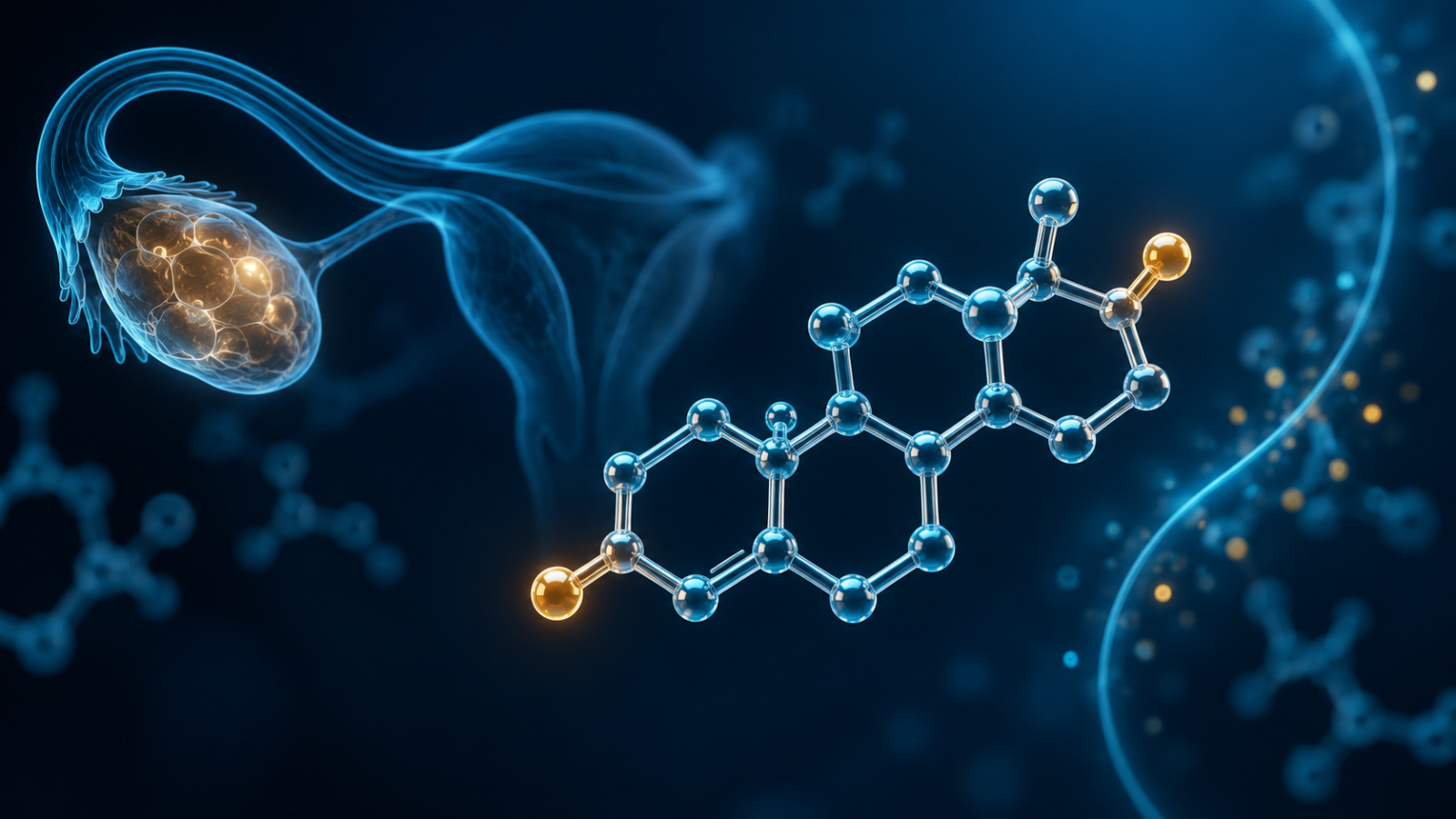
A hormonal imbalance occurs when your body produces too much or too little of one or more hormones. These chemical messengers regulate nearly every function in your body, from metabolism and energy production to mood, sleep, and reproductive health.
For high-performing men and women juggling demanding careers, families, and fitness goals, the signs of hormonal imbalance are often the hidden root cause behind declining energy, stubborn weight gain, and the nagging feeling that something is “off” despite doing everything right.
The endocrine system produces dozens of hormones, but certain ones play an outsized role in how you feel day to day. Estrogen, progesterone, and testosterone influence energy, body composition, mood, and sexual function in both men and women. Thyroid hormones (T3 and T4) control your metabolic rate. Cortisol manages your stress response. Insulin regulates blood sugar. DHEA supports immune function and vitality.
When these hormones fall out of optimal range, the effects ripple across multiple body systems. A 2021 study published in the Journal of Clinical Endocrinology & Metabolism found that even subclinical hormonal shifts can produce measurable changes in energy, cognition, and body composition before they show up on standard lab panels.
The challenge is that signs of hormonal imbalance often develop gradually. You may dismiss fatigue, weight gain, or brain fog as normal aging when they actually signal a correctable hormonal issue.
Think your hormones might be holding you back? Explore 1st Optimal’s data-driven hormone optimization programs and get answers backed by comprehensive lab testing.
What Are the Most Common Signs of Hormonal Imbalance in Women?
Women experience hormonal shifts throughout their lives, from puberty through perimenopause and beyond. The following signs often point to imbalances in estrogen, progesterone, testosterone, thyroid hormones, or cortisol.
Irregular or Heavy Periods
Fluctuations in estrogen and progesterone directly affect your menstrual cycle. Cycles shorter than 21 days, longer than 35 days, or significantly heavier or lighter than usual often indicate a hormonal shift. Research published in Fertility and Sterility confirms that progesterone deficiency is one of the most common causes of irregular menstrual patterns in women over 35.
Hot Flashes and Night Sweats
Declining estrogen levels disrupt your body’s thermoregulation. The North American Menopause Society reports that up to 80% of women experience vasomotor symptoms during the menopausal transition, though these can begin years earlier during perimenopause.
Unexplained Weight Gain
Hormonal imbalances can shift where and how your body stores fat. Declining estrogen promotes visceral fat accumulation around the midsection. Elevated cortisol increases fat storage and appetite. Thyroid dysfunction slows metabolism. If your diet and exercise haven’t changed but the scale keeps climbing, hormones are often the missing variable. For more on this connection, see our guide to perimenopause weight gain.
Mood Swings, Anxiety, and Depression
Estrogen and progesterone both influence serotonin and GABA, two neurotransmitters critical for mood regulation. A 2022 study in Psychoneuroendocrinology demonstrated that women with documented progesterone deficiency were significantly more likely to report anxiety and depressive symptoms compared to age-matched controls.
Persistent Fatigue and Low Energy
Fatigue is one of the most reported signs of hormonal imbalance in women. It can stem from low thyroid function (hypothyroidism), depleted estrogen, elevated cortisol from chronic stress, or low testosterone in women. When multiple hormones are out of range simultaneously, the fatigue compounds.
Brain Fog and Difficulty Concentrating
Estrogen supports cerebral blood flow and neuroplasticity. When estrogen drops, many women report difficulty with word recall, focus, and mental sharpness. Thyroid hormone deficiency produces similar cognitive effects. Identifying which hormones are involved requires comprehensive testing beyond a basic metabolic panel.
Low Libido
Sexual desire in women depends on a balance of estrogen, testosterone, and DHEA. Low testosterone is frequently overlooked in women but plays a critical role in arousal and sexual satisfaction. Studies show that testosterone therapy for women with documented deficiency can meaningfully improve sexual function.
Hair Thinning and Skin Changes
Thinning hair, dry skin, adult acne, and loss of skin elasticity can all point to hormonal disruption. Thyroid dysfunction is a common culprit, as is declining estrogen and DHEA. In some women, elevated androgens (such as in PCOS) cause hair loss at the part line or temples while simultaneously increasing facial or body hair growth.
Sleep Disruptions
Progesterone has a natural calming, sleep-promoting effect. When levels drop, insomnia and fragmented sleep follow. Cortisol dysregulation, where cortisol stays elevated at night instead of declining, is another hormonal driver of poor sleep quality.

What Are the Most Common Signs of Hormonal Imbalance in Men?
Men experience a more gradual hormonal decline, often called andropause. Testosterone levels decrease approximately 1-2% per year after age 30, according to the American Urological Association. But the signs can be just as disruptive, especially for high-performing men who depend on peak energy and mental clarity.
Low Energy and Chronic Fatigue
Testosterone drives energy production at the cellular level. Men with low testosterone consistently report fatigue that doesn’t improve with rest or caffeine. When low testosterone combines with elevated cortisol or thyroid dysfunction, the fatigue becomes debilitating.
Erectile Dysfunction and Reduced Libido
Testosterone is essential for sexual function in men. Low levels directly affect libido, arousal, and erectile quality. A study in the Journal of Sexual Medicine found that men with testosterone levels below 300 ng/dL were three times more likely to report sexual dysfunction compared to men in optimal range.
Muscle Loss and Increased Body Fat
Testosterone promotes lean muscle maintenance and fat metabolism. When levels decline, men often notice decreased muscle mass, increased belly fat, and difficulty maintaining strength despite consistent training. This body composition shift accelerates if left untreated.
Mood Changes and Irritability
Low testosterone is strongly associated with increased irritability, reduced motivation, and depressive symptoms in men. Research published in JAMA Psychiatry confirms a dose-response relationship between testosterone levels and mood, with men at the lower end of the reference range reporting significantly more mood disturbances.
Brain Fog and Cognitive Decline
Testosterone receptors exist throughout the brain, particularly in regions responsible for memory and executive function. Men with suboptimal testosterone often describe difficulty concentrating, poor memory, and reduced mental clarity, all signs of hormonal imbalance that are frequently misattributed to stress or aging.
Decreased Motivation and Drive
Beyond physical symptoms, hormonal imbalance in men frequently manifests as a loss of ambition and competitive drive. High-performing men who once thrived under pressure may find themselves withdrawing from challenges they previously embraced.
Experiencing these signs? 1st Optimal’s men’s hormone care program uses advanced diagnostics to identify the root cause and build a personalized treatment protocol.
What Causes Hormonal Imbalances?
Hormonal imbalances rarely have a single cause. They typically result from a combination of factors that compound over time, particularly for high performers juggling chronic stress and demanding schedules.
Aging
Hormone production naturally declines with age. Women experience the most dramatic shift during perimenopause and menopause, when estrogen and progesterone levels drop significantly. Men see a steady decline in testosterone starting in their 30s. However, age-related decline does not mean symptoms are inevitable or untreatable.
Chronic Stress
Prolonged stress elevates cortisol, which disrupts the production of sex hormones through a process called the “cortisol steal.” When your body prioritizes stress hormones, it diverts resources away from producing testosterone, estrogen, and progesterone. A 2020 study in Endocrine Reviews confirmed that chronic cortisol elevation suppresses gonadal hormone production in both men and women.
Poor Nutrition and Gut Health
Your gut plays a direct role in hormone metabolism. The estrobolome, a collection of gut bacteria, helps regulate estrogen levels. Processed foods, sugar, and nutrient deficiencies impair this system. Inadequate protein intake limits the raw materials your body needs for hormone synthesis.
Lack of Exercise or Overtraining
Both sedentary behavior and excessive exercise can disrupt hormonal balance. Resistance training supports testosterone and growth hormone production, while endurance overtraining can suppress reproductive hormones and elevate cortisol. Finding the right exercise balance is a critical piece of hormonal health.
Environmental Toxins
Endocrine-disrupting chemicals found in plastics, pesticides, personal care products, and household items can mimic or block natural hormones. BPA, phthalates, and certain pesticides have been shown to interfere with estrogen, testosterone, and thyroid function. Minimizing exposure is an important but often overlooked component of hormone optimization.
Medications and Medical Conditions
Certain medications, including statins, antidepressants, and hormonal contraceptives, can alter hormone levels. Medical conditions like PCOS, thyroid disorders, and pituitary dysfunction also contribute. Understanding your full medical picture is essential for accurate diagnosis.
How Are Signs of Hormonal Imbalance Diagnosed?
Recognizing the signs of hormonal imbalance is the first step. Confirming and quantifying the imbalance requires comprehensive diagnostic testing that goes beyond what standard medical visits typically provide.
Comprehensive Blood Panels
A thorough hormonal blood panel should include total and free testosterone, estradiol, progesterone, DHEA-S, SHBG, thyroid panel (TSH, free T3, free T4), cortisol, insulin, and a complete metabolic panel. Standard physicals often only check TSH and total testosterone, missing critical nuances.
DUTCH Hormone Testing
The DUTCH (Dried Urine Test for Comprehensive Hormones) panel is a gold standard for understanding how your body metabolizes hormones. Unlike blood tests that capture a single moment, DUTCH testing reveals hormone metabolites, cortisol rhythm throughout the day, and methylation patterns, providing significantly more actionable data than blood panels alone.
Cortisol and Adrenal Testing
Four-point cortisol testing maps your cortisol levels throughout the day, revealing whether your adrenal response is functioning normally or if you’re experiencing dysregulated cortisol patterns that are contributing to fatigue, weight gain, or sleep issues.
Thyroid Panels
A comprehensive thyroid evaluation should include TSH, free T3, free T4, reverse T3, and thyroid antibodies. Many practitioners only test TSH, which can miss subclinical thyroid dysfunction that produces significant symptoms.

How Can You Treat a Hormonal Imbalance?
Treatment depends on which hormones are out of balance and by how much. The most effective approach combines medical intervention with lifestyle optimization.
Bioidentical Hormone Replacement Therapy (BHRT) for Women
Bioidentical hormone replacement therapy uses hormones that are structurally identical to those your body produces. BHRT can address estrogen and progesterone deficiency, improving signs like hot flashes, mood instability, bone loss, and cognitive decline. The Women’s Health Initiative follow-up data and subsequent studies have clarified that appropriately timed, individualized BHRT carries a favorable risk-benefit profile for most women.
Testosterone Replacement Therapy (TRT) for Men
Testosterone replacement therapy restores testosterone to optimal levels in men with documented deficiency. Clinical outcomes include improved energy, body composition, mood, cognitive function, and sexual performance. If you’re exploring options, our guide to online hormone replacement breaks down what to look for. Effective TRT requires ongoing monitoring of testosterone levels, hematocrit, estradiol, and PSA to ensure safety and efficacy.
Lifestyle Modifications
Lifestyle interventions serve as the foundation for any hormone optimization protocol. Resistance training 3-4 times per week supports testosterone and growth hormone production. Seven to nine hours of quality sleep is critical for hormonal recovery. Stress management practices like meditation, breathwork, or time in nature can measurably lower cortisol.
Nutrition and Supplementation
A diet rich in quality protein, healthy fats, and micronutrient-dense vegetables supports hormone production and metabolism. Specific nutrients like vitamin D, zinc, magnesium, and omega-3 fatty acids play direct roles in hormonal health. Targeted supplementation based on lab results can fill gaps that diet alone may not address.
Stress Management
Because cortisol dysregulation undermines every other hormonal pathway, effective stress management isn’t optional. Identifying and reducing chronic stressors, combined with evidence-based practices like diaphragmatic breathing, cold exposure, and mindfulness, can normalize cortisol rhythms within weeks.
Ready to take control of your hormonal health? Schedule a consultation with 1st Optimal to get a personalized, data-driven treatment plan tailored to your body.
How Does 1st Optimal Identify and Treat Hormone Imbalances?
At 1st Optimal, we don’t guess. We test. Every treatment protocol starts with a deep diagnostic foundation that goes far beyond standard lab work.
Comprehensive Diagnostic Approach
Our process begins with advanced at-home lab testing, including comprehensive blood panels, DUTCH hormone metabolite testing, and cortisol mapping. These tests reveal the full landscape of your hormonal health, not just isolated numbers, but how your hormones interact, metabolize, and affect your daily function.
Data-Driven, Personalized Protocols
Your results are analyzed by our clinical team and translated into a personalized treatment plan. Whether that involves BHRT for women, TRT for men, GLP-1 support for metabolic optimization, or targeted lifestyle interventions, every recommendation is backed by your unique lab data.
Dedicated Membership Managers
Unlike traditional healthcare, 1st Optimal pairs every member with a dedicated Membership Manager who serves as your personal health advocate. They coordinate your care, track your progress, adjust protocols based on follow-up labs, and ensure you stay on track toward your health goals.
Ongoing Monitoring and Optimization
Hormone optimization isn’t a one-time event. We schedule regular follow-up labs to monitor your response, refine dosages, and adapt your protocol as your body changes. This iterative, data-driven approach is what separates meaningful results from guesswork.
To learn how personalized care can help, explore our men’s hormone optimization.
Explore how our women’s hormone therapy can help you restore balance and feel your best.
Frequently Asked Questions About Signs of Hormonal Imbalance
What is the most common sign of hormonal imbalance?
Persistent fatigue that does not improve with adequate sleep is the most commonly reported sign of hormonal imbalance. It often appears alongside other indicators like weight changes, mood shifts, and brain fog. Thyroid dysfunction is the most prevalent hormonal imbalance overall, affecting an estimated 20 million Americans according to the American Thyroid Association.
Can hormonal imbalance cause weight gain even if I eat healthy and exercise?
Yes. Hormonal imbalances involving cortisol, insulin, thyroid hormones, estrogen, and testosterone can all promote weight gain and fat storage regardless of diet and exercise. Cortisol drives visceral fat accumulation, while low thyroid function slows metabolism. Addressing the underlying hormonal cause is often essential for sustainable weight management.
How do I know if my hormones are out of balance?
Common signs include persistent fatigue, unexplained weight changes, mood instability, brain fog, disrupted sleep, low libido, and changes in hair or skin quality. However, many of these signs overlap with other conditions, which is why comprehensive lab testing is the most reliable way to confirm a hormonal imbalance.
At what age do hormonal imbalances typically start?
Hormone levels begin shifting in the 30s for both men and women. Women may notice changes during perimenopause, which can begin in the late 30s or early 40s. Men typically experience gradual testosterone decline starting around age 30, losing roughly 1-2% per year. However, factors like chronic stress, poor sleep, and environmental toxin exposure can trigger imbalances at any age.
Can you fix a hormonal imbalance naturally?
Mild imbalances may respond to lifestyle changes including improved nutrition, regular exercise, quality sleep, and stress reduction. However, significant hormonal deficiencies often require medical intervention such as BHRT or TRT to restore levels to an optimal range. The most effective approach combines lifestyle optimization with targeted treatment when indicated.
What is the difference between BHRT and traditional HRT?
Bioidentical hormones are structurally identical to the hormones your body naturally produces, while traditional (synthetic) hormones have a different molecular structure. Many providers and patients prefer bioidentical options because they more closely replicate natural hormone activity. 1st Optimal uses bioidentical hormones exclusively in our treatment protocols.
How long does it take to see improvement after treating a hormonal imbalance?
Most patients begin noticing improvements in energy, mood, and sleep within 2-4 weeks of starting treatment. Full optimization, including body composition changes and cognitive improvements, typically develops over 3-6 months. Timelines vary based on the severity of the imbalance and your adherence to the treatment protocol.
Do men need to worry about estrogen levels?
Yes. Men produce estrogen through the conversion of testosterone via the aromatase enzyme. When estrogen levels climb too high in men, it can cause water retention, breast tissue development (gynecomastia), mood changes, and diminished testosterone effectiveness. Monitoring estradiol is a standard part of any comprehensive male hormone evaluation.
Is hormone testing covered by insurance?
Basic hormone panels (TSH, total testosterone) are typically covered by most insurance plans. More advanced testing like DUTCH panels and comprehensive metabolic panels may or may not be covered depending on your plan. 1st Optimal offers transparent pricing on all diagnostic testing so you know exactly what to expect before you commit.
Can stress alone cause a hormonal imbalance?
Absolutely. Chronic stress elevates cortisol, which directly suppresses production of testosterone, estrogen, and progesterone through the hypothalamic-pituitary-adrenal (HPA) axis. Prolonged stress can also impair thyroid function and disrupt insulin sensitivity. Addressing stress is often the first and most impactful step in restoring hormonal balance.
This article is for informational purposes only and does not constitute medical advice. Always consult a qualified healthcare provider before starting any hormone therapy or treatment program. Individual results may vary based on your unique health profile and medical history.
Written by Joe Miller — CEO of 1st Optimal. Bachelor of Education, BS in Kinesiology, Exercise Science, Health, and Nutrition. 2-Year Fellowship A4M, trained by Worldlink Medical, ongoing BHRT certifications by A4M, NASM Certified, NSCA CSCS.