

If you’re in your late 30s to early 50s and the scale keeps climbing despite eating well and staying active, you’re not imagining things. Perimenopause weight gain is one of the most frustrating symptoms women experience during this hormonal transition, and it happens for reasons that go far beyond calories and willpower.
The truth is, your body’s hormonal environment is shifting in ways that fundamentally change how you store fat, build muscle, and regulate appetite. Understanding these mechanisms is the first step toward taking back control.
Ready to understand what’s driving your weight changes? Explore 1st Optimal’s personalized perimenopause treatment plans built around your unique hormone profile.
Why Does Perimenopause Cause Weight Gain?
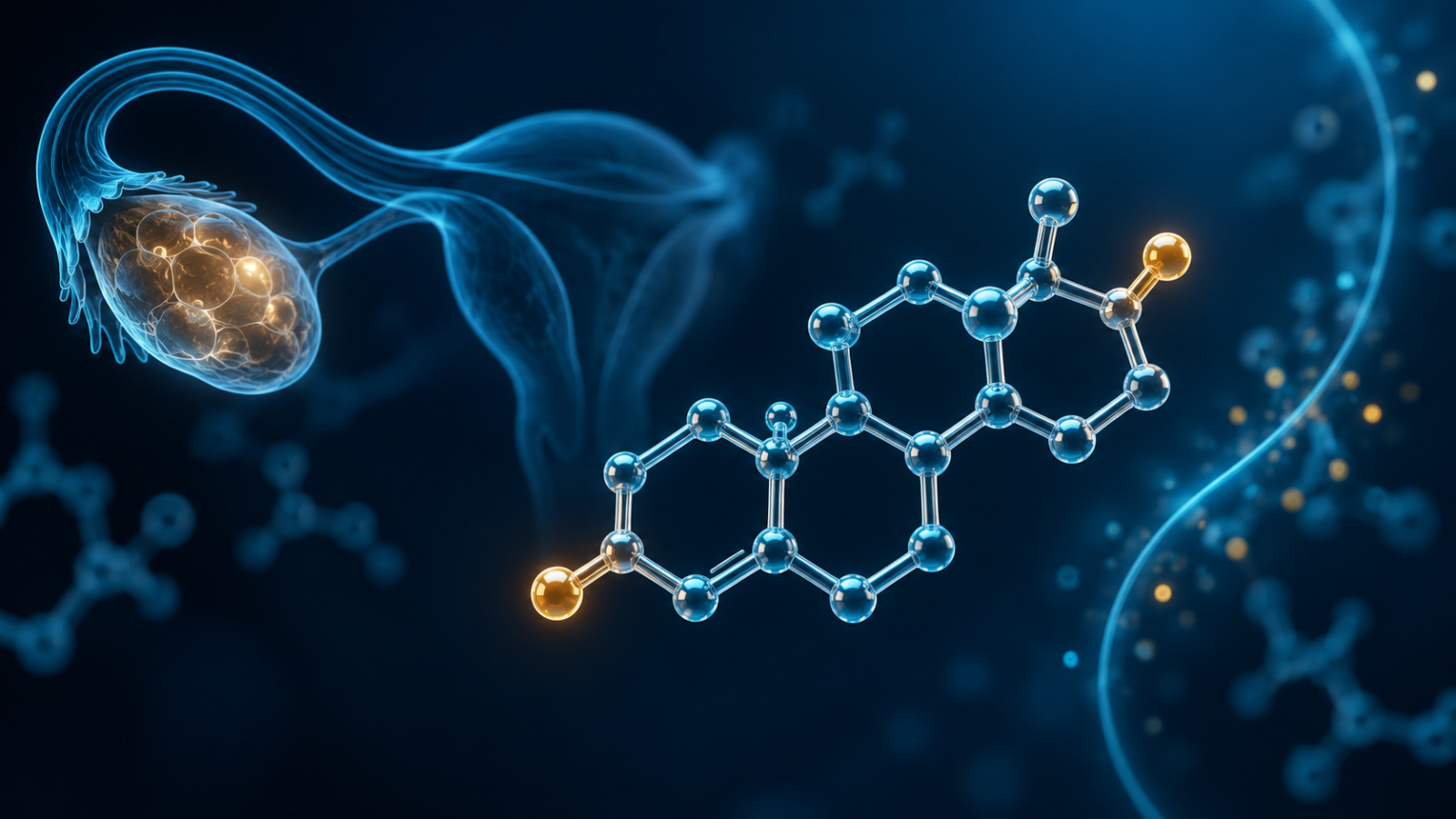
Perimenopause is the transitional phase leading up to menopause, typically beginning in your early-to-mid 40s and lasting four to ten years. During this window, your ovaries gradually produce less estrogen and progesterone, but the decline isn’t steady. Hormone levels spike and plummet unpredictably, creating metabolic disruptions that make weight management far more complicated than it used to be, often triggering a stubborn weight loss plateau.
Several biological mechanisms converge during perimenopause that drive weight gain:
- Declining estrogen reduces your metabolic rate and shifts fat storage toward the abdomen
- Dropping progesterone contributes to water retention, sleep disruption, and increased appetite
- Rising cortisol from stress and poor sleep promotes visceral fat accumulation
- Developing insulin resistance makes your body more likely to store calories as fat rather than burn them for energy
- Muscle mass loss (sarcopenia) slows your resting metabolic rate by approximately 2-4% per decade after age 30
These aren’t willpower failures. They’re measurable physiological changes that require a different approach than what worked in your 20s and 30s.
What Hormones Drive Perimenopause Weight Gain?
Understanding which hormones are involved helps you target solutions more effectively. Perimenopause weight gain isn’t caused by a single hormone. It’s the result of several hormones shifting simultaneously.
Estrogen Decline and Fat Redistribution
Estrogen plays a crucial role in regulating where your body stores fat. When estrogen levels are optimal, women tend to store fat in the hips and thighs (subcutaneous fat). As estrogen declines during perimenopause, fat storage shifts to the midsection (visceral fat). Research from the Study of Women’s Health Across the Nation (SWAN) confirms that the menopausal transition is independently associated with increased abdominal fat, regardless of age or baseline body weight.
Estrogen also influences insulin sensitivity, appetite-regulating neurons in the brain, and your body’s ability to metabolize fat efficiently. Lower estrogen means your body burns fewer calories at rest and is more prone to storing energy as fat.
Progesterone Drop and Sleep Disruption
Progesterone is usually the first hormone to decline during perimenopause. Beyond its reproductive role, progesterone supports sleep quality, mood stability, and fluid balance. When progesterone drops, many women experience insomnia and disrupted sleep, which increases the hunger hormone ghrelin and decreases the satiety hormone leptin. This hormonal cascade creates a cycle where poor sleep drives overeating and weight gain.
Cortisol Elevation and Visceral Fat
Chronic stress, compounded by perimenopause symptoms like hot flashes and insomnia, elevates cortisol levels. Elevated cortisol directly promotes visceral fat storage around the abdomen. Studies show that women with persistently high cortisol during midlife are significantly more likely to gain weight and develop metabolic complications.
Insulin Resistance
Estrogen helps maintain insulin sensitivity. As estrogen fluctuates and declines, cells become less responsive to insulin, prompting the body to produce more of it. Higher insulin levels promote fat storage, especially around the midsection, creating a cycle where more abdominal fat leads to more insulin resistance, which leads to more fat storage.
Where Does Perimenopause Weight Gain Happen?
One of the most noticeable changes during perimenopause is where weight accumulates. Even women whose weight on the scale hasn’t changed significantly often notice their body shape changing, with more fullness around the waistline.

Visceral Fat vs. Subcutaneous Fat
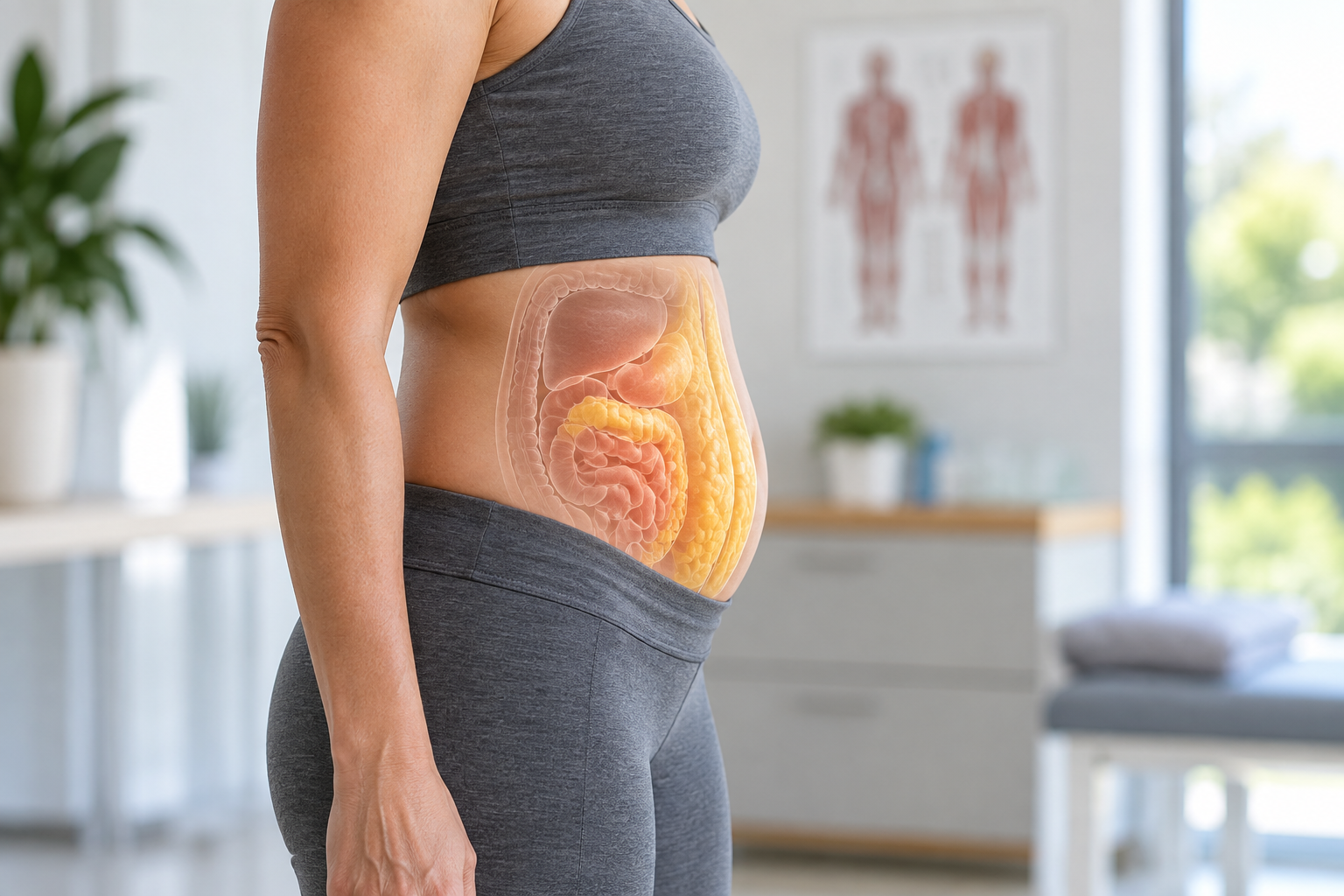
The fat gained during perimenopause is predominantly visceral fat, which accumulates deep within the abdominal cavity around internal organs. This is different from subcutaneous fat (the softer fat under the skin) that many women previously stored in their hips and thighs.
Visceral fat is metabolically active. It releases inflammatory compounds that can increase your risk of cardiovascular disease, type 2 diabetes, and metabolic syndrome. This is why perimenopause weight gain around the midsection warrants attention beyond cosmetic concerns. It’s a meaningful marker of metabolic health.
The “Perimenopause Belly” Phenomenon
The so-called “perimenopause belly” or “hormonal belly” happens even in women who maintain their exercise routine and eating habits. SWAN study data shows an average waist circumference increase of 2 cm over three years during the menopausal transition, independent of overall weight gain. This redistribution is driven primarily by hormonal changes, not lifestyle factors alone.
How Much Weight Gain Is Normal During Perimenopause?
Research indicates that women gain an average of 1.5 pounds per year during the perimenopausal transition, with most gaining between 5 and 8 pounds total. However, individual experiences vary widely depending on genetics, lifestyle, stress levels, and baseline metabolic health.
Key benchmarks to be aware of:
- Average weight gain: 5-8 pounds over the transition period
- Body composition shift: Up to 90% of women notice changes in body composition even without significant scale weight changes
- Waist circumference: An increase of more than 35 inches is associated with elevated cardiovascular and metabolic risk
- Rate of change: Gaining more than 2-3 pounds per year may indicate hormonal or metabolic factors that need clinical attention
The important distinction is that some weight gain during perimenopause is common, but rapid or excessive gain is worth investigating with comprehensive lab testing to identify specific hormonal imbalances driving the change.
Can You Prevent Weight Gain During Perimenopause?
While you can’t completely override the hormonal shifts of perimenopause, you can significantly manage their impact on your weight and body composition. Prevention requires addressing the root causes, not just cutting calories.
Prioritize Sleep Quality
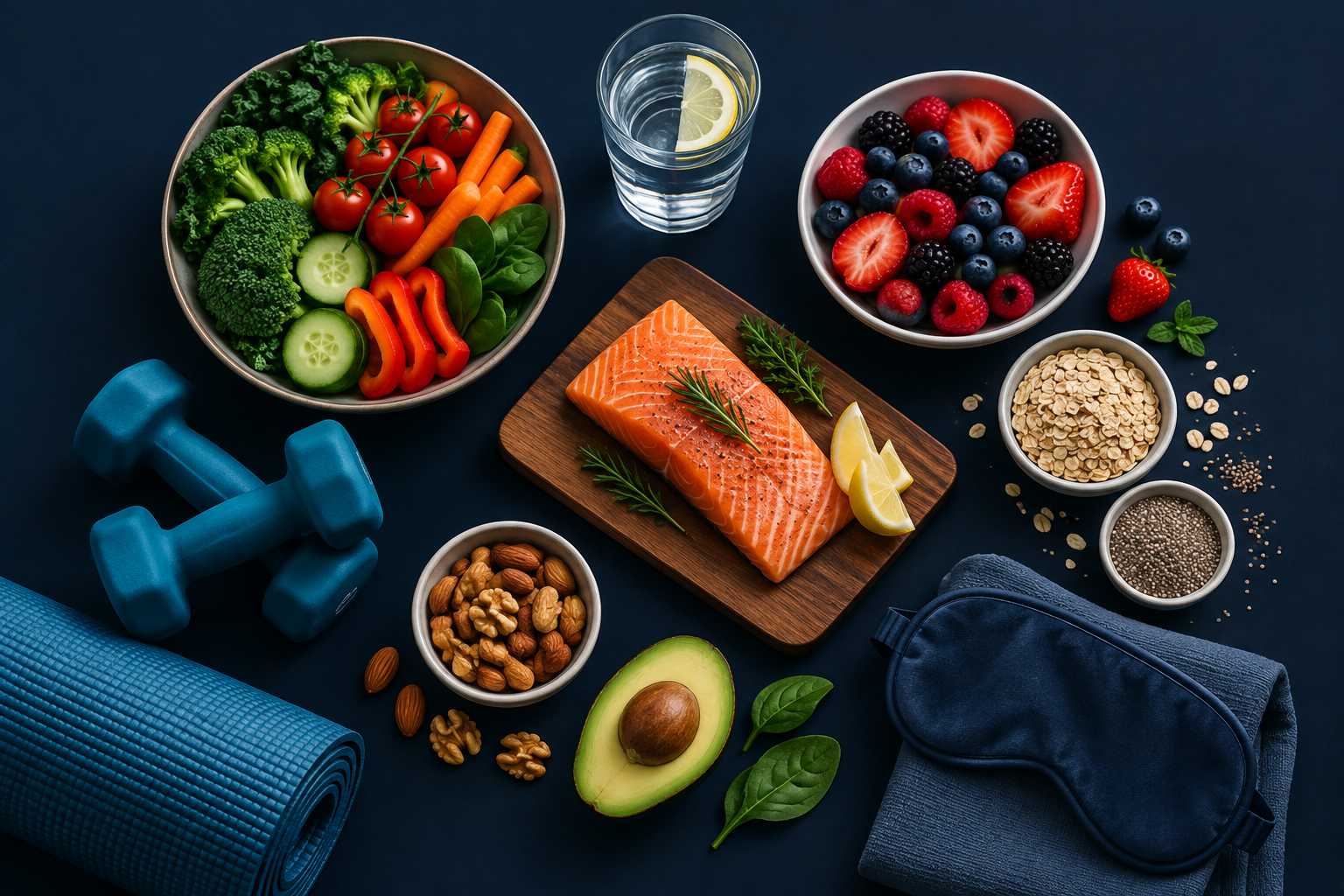
Sleep disruption is one of the most underestimated drivers of perimenopause weight gain. Poor sleep elevates cortisol, increases hunger hormones, and reduces your body’s ability to process insulin effectively. Aim for 7-9 hours of quality sleep per night. If perimenopause insomnia is affecting your sleep, addressing it with your healthcare provider should be a priority.
Manage Stress Deliberately
Chronic stress amplifies every metabolic disruption of perimenopause. Regular stress management practices, including deep breathing, meditation, time in nature, and setting boundaries, help keep cortisol levels in check. Even 10-15 minutes of daily stress reduction can measurably impact cortisol and weight management.
Build Strength Training Into Your Routine
Muscle mass is your metabolic engine. Losing muscle during perimenopause directly reduces the calories you burn at rest. Strength training at least 2-3 times per week preserves and builds lean muscle, supports insulin sensitivity, and counteracts the metabolic slowdown of declining estrogen. Research consistently shows that resistance training is more effective than cardio alone for managing midlife weight.
Stay Consistently Active
Beyond dedicated workouts, daily movement matters. Walking 7,000-10,000 steps per day supports metabolic health, reduces inflammation, and improves mood. Movement doesn’t need to be intense to be effective during perimenopause.
Struggling with weight changes despite your best efforts? Book a consultation with 1st Optimal to get comprehensive hormone testing and a personalized plan.
What Is the Best Diet for Perimenopause Weight Gain?
The nutritional strategies that worked in your younger years likely need adjustment during perimenopause. The focus should shift from simple calorie counting to supporting hormonal balance, blood sugar stability, and reducing inflammation.

Prioritize Protein at Every Meal
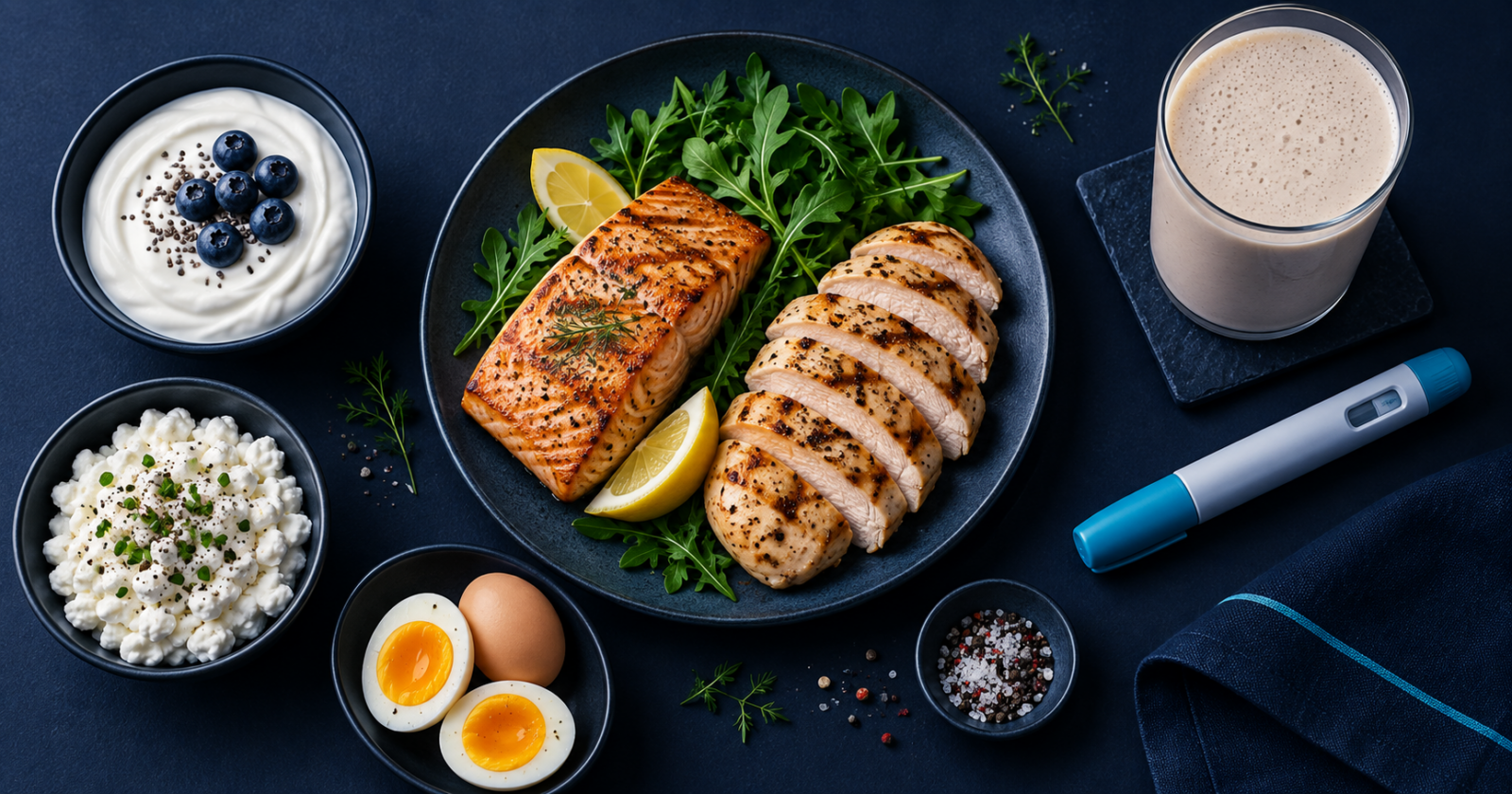
Protein is essential for preserving muscle mass during perimenopause. Aim for 25-35 grams of high-quality protein per meal from sources like lean meats, fish, eggs, and legumes. Research shows that higher protein intake during midlife supports both muscle retention and satiety, making it easier to manage overall calorie intake naturally.
Focus on Blood Sugar Stability
With increasing insulin resistance during perimenopause, stabilizing blood sugar becomes critical. Pair carbohydrates with protein and healthy fats to slow glucose absorption. Choose complex carbohydrates like vegetables, whole grains, and legumes over refined sugars and processed foods. Consistent blood sugar levels help reduce cravings, energy crashes, and the hormonal signals that promote fat storage.
Eat Anti-Inflammatory Foods
Chronic inflammation worsens insulin resistance and promotes visceral fat storage. An anti-inflammatory eating approach rich in omega-3 fatty acids (salmon, sardines, walnuts), colorful vegetables, berries, turmeric, and green tea can help reduce systemic inflammation and support metabolic health during perimenopause.
Increase Fiber Intake
Fiber supports gut health, hormone metabolism, and satiety. Aim for 25-30 grams of fiber daily from vegetables, fruits, legumes, and whole grains. Fiber also helps your body metabolize and excrete excess estrogen, which can reduce estrogen dominance symptoms that contribute to weight gain.
Avoid Extreme Calorie Restriction
Severe dieting during perimenopause often backfires. Eating too few calories can further slow your metabolism through adaptive thermogenesis, increase cortisol production, accelerate muscle loss, and worsen hormonal imbalances. A moderate caloric approach focused on nutrient density is far more effective than restrictive dieting.
How Can Hormone Therapy Help With Perimenopause Weight Gain?
For many women, lifestyle modifications alone aren’t enough to fully address perimenopause weight gain because the underlying hormonal imbalances are too significant. Hormone therapy can be a powerful tool when combined with nutrition and exercise strategies.
Bioidentical Hormone Replacement Therapy (BHRT)
BHRT uses hormones that are molecularly identical to those your body produces naturally. By restoring estrogen and progesterone to optimal levels, BHRT can help reverse many of the metabolic disruptions driving perimenopause weight gain. Research and current medical consensus, including the 2022 NAMS position statement, supports the safety and efficacy of hormone therapy for symptomatic women under 60 or within 10 years of menopause onset.
Benefits of BHRT for weight management during perimenopause include:
- Improved insulin sensitivity and blood sugar regulation
- Reduced visceral fat accumulation
- Better sleep quality, which supports healthy cortisol levels
- Preserved lean muscle mass
- Reduced inflammation markers
The Role of Progesterone
Restoring progesterone levels can dramatically improve sleep quality, reduce anxiety, and help regulate fluid retention. Since poor sleep is a major driver of weight gain during perimenopause, addressing progesterone deficiency often has a cascade of positive effects on body composition.
GLP-1 Medical Weight Loss Support
For women experiencing significant weight gain during perimenopause, GLP-1 medications like semaglutide and tirzepatide may be appropriate. These medications work by reducing appetite, improving insulin sensitivity, and supporting sustainable weight loss. When combined with hormone optimization and lifestyle changes, GLP-1 therapy can help women lose 15-22% of their body weight safely.
How 1st Optimal Helps Women Manage Perimenopause Weight
1st Optimal takes a data-driven, personalized approach to perimenopause weight management that goes beyond generic advice. Instead of guessing which hormones might be off, 1st Optimal uses advanced diagnostic testing to build a complete picture of your hormonal health.
Comprehensive Diagnostic Testing
Every member receives thorough lab work that includes standard blood panels plus advanced assessments like DUTCH hormone metabolite testing, cortisol and stress panels, and metabolic markers. The DUTCH test is particularly valuable during perimenopause because it reveals not just your hormone levels, but how your body is metabolizing them, uncovering patterns that standard blood tests miss.
Personalized Treatment Protocols
Based on your lab results, symptoms, and health goals, 1st Optimal’s physicians design a customized protocol that may include BHRT, nutritional guidance, lifestyle optimization, and GLP-1 support when appropriate. Your dedicated Membership Manager ensures your plan evolves as your body changes through perimenopause.
Ongoing Monitoring and Adjustment
Perimenopause is a moving target. What works at 42 may need adjustment at 46. Regular lab monitoring and check-ins with your care team ensure your treatment stays optimized throughout the transition, preventing the stalls and setbacks that come with a static approach.
Take control of perimenopause weight gain with a plan built around your body. Schedule your consultation with 1st Optimal today and start with comprehensive hormone testing.
Explore how our women’s hormone therapy can help you restore balance and feel your best.
Our medical weight loss program pairs clinical expertise with personalized protocols for lasting results.
Curious about the process? See how 1st Optimal works at 1st Optimal.
Frequently Asked Questions About Perimenopause Weight Gain
Does perimenopause cause weight gain?
Yes. Hormonal changes during perimenopause, including declining estrogen and progesterone, rising cortisol, and increasing insulin resistance, create metabolic conditions that promote weight gain, particularly around the midsection. Studies show that 65-75% of women gain weight during the perimenopausal transition.
Where do you gain weight during perimenopause?
Most perimenopause weight gain occurs around the abdomen as visceral fat. This shift from hip and thigh fat storage to abdominal fat storage is driven primarily by declining estrogen levels and is independent of overall calorie intake.
How much weight gain is normal in perimenopause?
The average is 5-8 pounds over the full transition, or roughly 1.5 pounds per year. However, up to 90% of women notice changes in body composition and waist circumference even without significant changes on the scale.
Can you lose weight during perimenopause?
Absolutely. While it requires a different approach than before, women can lose weight during perimenopause by focusing on strength training, adequate protein intake, blood sugar management, quality sleep, stress reduction, and addressing hormonal imbalances with appropriate medical support.
What is the best exercise for perimenopause weight gain?
Strength training is the single most effective exercise for managing perimenopause weight gain. It preserves muscle mass, boosts resting metabolic rate, improves insulin sensitivity, and reduces visceral fat. Aim for at least 2-3 resistance training sessions per week, combined with daily walking.
Does hormone replacement therapy help with perimenopause weight gain?
Hormone therapy, particularly bioidentical hormone replacement therapy (BHRT), can help by restoring estrogen and progesterone to optimal levels. This improves insulin sensitivity, reduces visceral fat storage, improves sleep quality, and preserves muscle mass. Current medical guidelines support HRT for symptomatic women under 60 or within 10 years of menopause onset.
Why is perimenopause belly fat so hard to lose?
Perimenopause belly fat is predominantly visceral fat, which is driven by hormonal changes rather than calorie excess alone. Declining estrogen, elevated cortisol, and insulin resistance all promote abdominal fat storage. Standard calorie restriction and cardio often fail because they don’t address these underlying hormonal drivers.
What foods should you avoid during perimenopause?
Minimize refined sugars, processed foods, alcohol, and excess caffeine. These can worsen insulin resistance, disrupt sleep, increase cortisol, and promote inflammation, all of which amplify perimenopause weight gain. Focus instead on whole foods, lean proteins, healthy fats, and high-fiber carbohydrates.
Written by Joe Miller, CEO of 1st Optimal. Joe holds a Bachelor of Education in Kinesiology, Exercise Science, Health, and Nutrition, completed a 2-Year Fellowship with the American Academy of Anti-Aging Medicine (A4M), trained with Worldlink Medical, and holds ongoing BHRT certifications from A4M. He is also NASM Certified, an NSCA CSCS, and American Council on Exercise Credentialed.
Medical Disclaimer: This article is for informational purposes only and does not constitute medical advice. Always consult a qualified healthcare provider before making changes to your health regimen, including hormone therapy or weight loss programs. Individual results may vary based on personal health conditions and treatment protocols.