
Facebook tracking pixel

One day you’re crushing a presentation, and the next you’re struggling for the right word or exhausted by 3 p.m. If this sounds familiar, you’re not just tired—you might be in perimenopause. This transition can feel frustrating, but it’s also a critical window for your long-term health. This article is your playbook. We’ll explain the hormonal shifts affecting your performance and provide a clear timeline, including answering the crucial question of how long does perimenopause last. Think of this as your guide to turning a challenge into a strength.

Table of Contents

Key Takeaways

  • Connect the Dots on Your Symptoms: Perimenopause is a gradual transition driven by fluctuating hormones, not a single event. Understanding this process helps you recognize that changes in your mood, sleep, and metabolism are interconnected and have a clear physiological root cause.
  • Build a Proactive, Data-Driven Strategy: Don’t just react to symptoms as they appear. Use comprehensive hormone testing to understand your unique hormonal landscape, then work with a provider to create a personalized plan that combines targeted lifestyle adjustments with effective medical therapies.
  • Treat Perimenopause as a Health Optimization Window: This transition is a critical opportunity to protect your long-term wellness. Prioritizing key areas like bone density, cardiovascular strength, and stress resilience now sets the foundation for your vitality and performance for years to come.

What Is Perimenopause?

Think of perimenopause as the multi-year transition leading up to menopause. It’s not an overnight switch but a gradual process where your body begins to prepare for the next stage. During this time, your ovaries start to produce less of certain hormones, particularly estrogen. This hormonal shift is the driving force behind the symptoms many women experience. While it’s a completely natural biological process, the changes can feel confusing and disruptive, especially when you’re trying to maintain peak performance in your career and personal life.

Understanding what’s happening in your body is the first step toward managing this transition effectively. Perimenopause isn’t a disease to be cured; it’s a phase of life. But that doesn’t mean you have to simply endure uncomfortable symptoms. With the right knowledge and support, you can address the root causes of your symptoms and continue to feel focused, energized, and in control. The key is to recognize the signs early and take a proactive approach to your health.

Perimenopause vs. Menopause: What’s the Difference?

It’s easy to use these terms interchangeably, but they represent two distinct phases. Perimenopause is the journey, while menopause is the destination. The perimenopausal transition can begin anywhere from four to eight years before menopause. It’s characterized by fluctuating hormones and the onset of symptoms like irregular periods.

You officially reach menopause only after you’ve gone 12 consecutive months without a menstrual period. That 12-month mark is a retrospective diagnosis—you only know you’ve hit it after a full year has passed. So, if you’re still having periods, however irregular they may be, you are in perimenopause.

What Is Premenopause?

Before we go further, it’s helpful to clarify another term you might hear: premenopause. This simply refers to the years of your reproductive life before perimenopause starts. During this phase, your menstrual cycles are typically regular, and your hormones follow a predictable pattern each month. Think of it as your body’s baseline—the normal operating rhythm you’ve been used to for years. You aren’t yet experiencing the unpredictable symptoms like mood shifts or sleep disruptions that signal the beginning of a hormonal transition.

Understanding this distinction is key because it helps you recognize when the shift into perimenopause actually begins. While premenopause is defined by hormonal stability, perimenopause is the transitional period where those hormones start to fluctuate, causing the symptoms you might be noticing. Knowing you’re moving from one phase to the next empowers you to be proactive, allowing you to address the changes head-on instead of wondering what’s going on.

What’s Happening to Your Hormones?

The core change driving perimenopause is the gradual decline in your ovaries’ estrogen production. However, this decline isn’t a smooth, steady line. Instead, your hormone levels can fluctuate wildly, going up and down like a rollercoaster from one month to the next. It’s these unpredictable swings, not just the low estrogen levels, that can trigger many of the most common symptoms.

These fluctuations can affect everything from your menstrual cycle and body temperature to your mood and cognitive function. Understanding that these hormonal shifts are the underlying cause can help you connect the dots between seemingly unrelated symptoms and seek a more targeted, data-driven approach to feeling like yourself again.

The Role of Progesterone

While estrogen often gets the spotlight, progesterone plays an equally critical role in this transition. In fact, for many women, a drop in progesterone is one of the first hormonal changes of perimenopause. This hormone is known for its calming, soothing effects, so when levels start to decline, you might notice an increase in anxiety, irritability, or difficulty sleeping. It acts as a natural counterbalance to estrogen, and when this balance is disrupted, it can leave you feeling on edge and less resilient to stress—a major challenge when you’re managing a demanding career and a full life.

Supporting healthy progesterone levels is key to managing many of perimenopause’s most disruptive symptoms. It helps regulate irregular periods and can reduce the heavy bleeding that sometimes occurs during this phase. More importantly, progesterone acts as a natural mood stabilizer, helping to smooth out the emotional highs and lows that come with hormonal shifts. Because it also promotes restful sleep, maintaining adequate levels can directly impact your energy and cognitive function the next day. Understanding your specific progesterone levels through comprehensive testing is the first step to creating a targeted plan to restore balance and feel more like yourself.

Are These the First Signs of Perimenopause?

Because every woman’s body is unique, perimenopause looks different for everyone. You might experience a wide range of symptoms, or just a few. Some of the most common early signs are directly tied to hormonal fluctuations and can serve as your first clue that this transition has begun.

Many women first notice changes in their menstrual cycle—periods may become longer, shorter, heavier, or lighter. Other common experiences include hot flashes, night sweats, and new or worsening PMS. You might also notice mood changes, increased anxiety, difficulty sleeping, vaginal dryness, a lower sex drive, and a general feeling of fatigue that coffee just can’t seem to fix.

Common (and Less Common) Symptoms to Watch For

While hot flashes and night sweats often get the most attention, the list of perimenopause symptoms is much longer and more varied. Because the experience is so individual, you might notice changes that seem completely unrelated at first. For high-performing women, some of the most disruptive symptoms can be the subtle ones: a sudden increase in anxiety before a big meeting, trouble sleeping through the night, or a persistent brain fog that makes complex tasks feel draining. Other signs can include joint pain, dry skin, and even heart palpitations. The common thread linking all these experiences is the unpredictable fluctuation of your hormones, primarily estrogen. Recognizing these less-obvious signs is the first step toward understanding what your body needs and finding a targeted solution.

When Does Perimenopause Typically Begin?

If you’re trying to pinpoint the exact moment perimenopause will start, you might be looking for a while. There’s no magic number or universal start date. Instead, this transition is deeply personal, shaped by your unique genetics, health history, and lifestyle. While most women step into this phase in their 40s, the window is wide, and understanding the factors at play is the first step toward managing your health with confidence.

Think of it less as a sudden event and more as a gradual shift. Your body doesn’t flip a switch overnight. The hormonal fluctuations that define perimenopause begin subtly, often years before you notice significant changes. Knowing the typical timeline—and why yours might be different—helps you connect the dots between new symptoms and their root cause, allowing you to take proactive steps instead of feeling caught off guard. This is about understanding your body’s rhythm so you can support it effectively.

The Average Age Range (and Why Yours Might Be Different)

Most women start to experience perimenopause in their mid-40s. However, it’s not uncommon for it to begin as early as your mid-30s or as late as your mid-50s. This transitional phase typically lasts between four and eight years, leading up to menopause—the point when you’ve gone 12 consecutive months without a period. If you notice symptoms in your early 30s, it’s considered less common and a good reason to check in with a healthcare provider. The key takeaway is that there isn’t a one-size-fits-all timeline. Your personal health journey is the most important benchmark for understanding perimenopause and its onset.

How Your Genes and Habits Influence the Timeline

Your family history offers some of the strongest clues about your perimenopausal timeline. If you want an idea of when your transition might begin, ask your mother or older sisters about their experiences. Genetics play a significant role, and you’ll often find your timeline mirrors theirs. Beyond genetics, certain lifestyle factors can influence the timing. For example, smokers often enter menopause one to two years earlier than non-smokers. Your medical history also matters. Past cancer treatments or surgeries, such as a hysterectomy, can trigger an earlier onset. Recognizing these factors helps create a more complete picture of your hormonal health.

Health Conditions and Surgeries That Can Impact Timing

Your medical history is another critical piece of the puzzle. Certain health events can significantly alter your perimenopausal timeline, often causing it to begin earlier than it might have otherwise. For instance, having surgery to remove your uterus (a hysterectomy) or your ovaries (an oophorectomy) can trigger immediate hormonal shifts. If your ovaries are removed, you’ll enter menopause right away. Similarly, undergoing cancer treatments like chemotherapy or radiation can impact ovarian function and lead to an earlier transition. Understanding how these past experiences connect to your current symptoms is essential for creating a health strategy that addresses your body’s specific needs and history, rather than applying a generic solution.

Lifestyle Factors That Can Worsen Symptoms

While you can’t change your genetics or medical history, you have significant influence over how you experience perimenopause through your daily habits. Certain lifestyle choices can intensify symptoms like hot flashes, mood swings, and fatigue. For example, a diet high in sugar and processed foods can fuel inflammation and disrupt blood sugar, making mood swings and fatigue feel even more intense. Similarly, not exercising enough can contribute to weight gain and poor sleep, while chronic stress floods your system with cortisol, further disrupting your hormonal balance. Viewing these factors not as restrictions but as opportunities for optimization allows you to take back control and actively manage your well-being during this transition.

Perimenopause Timing: Myths vs. Facts

It’s easy to get caught up in myths about perimenopause, but the reality is often much more nuanced. One of the biggest misconceptions is that it starts at the same age for everyone—it doesn’t. Another common myth is that it’s a brief phase that’s over in a year or two. In reality, it can last for several years. Finally, many people think perimenopause is just about hot flashes, but the range of symptoms is incredibly broad, affecting everything from your mood and sleep to your metabolism. Letting go of these myths helps you approach this phase with a clear, realistic perspective, ready to address your body’s actual needs.

How Long Does Perimenopause Last?

One of the most common questions about this transition is, “How long will this last?” While there’s no single answer, understanding the typical timeline and the factors that influence it can help you feel more in control. Perimenopause isn’t a brief phase; it’s a gradual transition with distinct stages. Knowing what to expect can make all the difference in how you manage this new chapter of your health.

How Long Can You Expect It to Last?

On average, perimenopause lasts about four years, but this can vary significantly from person to person. For some, the transition might be as short as a few months, while for others, it can extend for up to eight years. Most women begin to notice the first signs in their mid-40s, though it’s not uncommon for symptoms to appear as early as your mid-30s or as late as your mid-50s. Think of it less as a fixed timeline and more as your body’s unique process of shifting its hormonal baseline before you reach menopause.

What Can Affect the Duration?

Your personal timeline is influenced by a mix of genetics and lifestyle choices. Family history plays a significant role; if your mother started perimenopause early, there’s a chance you might, too. Certain lifestyle factors can also speed up the process. For example, research shows that smoking can cause menopause to begin one to two years earlier than it otherwise would. On the other hand, factors like your body mass index and alcohol consumption can also play a part. Understanding your unique genetic predispositions and lifestyle habits is the first step toward creating a proactive health strategy.

What Are the Stages of Perimenopause?

Perimenopause isn’t a single event but a progression through several phases. It’s helpful to think of it in two main parts: early-stage and late-stage. In the early stage, your period may become less predictable—maybe it’s a week late or a few days early, and you might start noticing subtle shifts in your mood or sleep. As you move into the late stage, the hormonal fluctuations become more pronounced. You’ll likely see bigger gaps between periods, and symptoms like hot flashes, brain fog, and vaginal dryness may become more consistent as your estrogen levels decline more significantly.

Early-Stage Perimenopause

This initial phase is often marked by subtlety. In the early stage, your period may become less predictable—maybe it’s a week late or a few days early, and you might start noticing subtle shifts in your mood or sleep. These are the first signals that your hormonal patterns are changing. While estrogen levels are beginning to fluctuate, they haven’t started their more significant decline yet. This is the ideal time to start paying closer attention to your body and tracking your symptoms. By creating a baseline understanding of your cycle, energy levels, and mood, you can gather the personal data needed to make informed decisions about your health long before the more disruptive symptoms appear.

Late-Stage Perimenopause

As you move into the late stage, the hormonal fluctuations become more pronounced. You’ll likely see bigger gaps between periods—often 60 days or more—and symptoms like hot flashes, brain fog, and vaginal dryness may become more consistent as your estrogen levels decline more significantly. This is the phase where the effects of lower estrogen become more tangible and can start to interfere with your daily performance and quality of life. Recognizing this shift is crucial because it signals a need for a more targeted strategy. Understanding your specific hormonal landscape can help you and your provider create a plan to effectively manage these symptoms and protect your long-term health.

Signs You’re Nearing Menopause

You’ll know perimenopause is ending as you get closer to your final menstrual period. The most obvious sign is a dramatic change in your cycle. You might skip your period for several months at a time, only for it to return. When it does, it will likely be much lighter and shorter than it used to be. The official finish line is menopause, which is confirmed once you’ve gone 12 consecutive months without a period. At that point, the perimenopausal transition is complete, and you’ve entered a new phase of your health journey.

How to Manage Perimenopause Symptoms

Perimenopause isn’t just about your period changing—it’s a full-body transition. The hormonal fluctuations can bring a host of symptoms that might feel confusing or disruptive, especially when you’re used to operating at a high level. The key is learning to recognize these signals for what they are: signs that your body is entering a new phase. Understanding these changes is the first step toward managing them effectively and continuing to feel your best. By getting familiar with the common symptoms, you can take proactive steps to support your body and mind through the process.

Managing Common Physical Symptoms

The most obvious sign of perimenopause is a change in your menstrual cycle. Periods might become longer, shorter, heavier, or lighter. You might skip a month or two, only for it to return. Beyond your cycle, you may experience hot flashes, night sweats, and breast tenderness. Because perimenopause can last anywhere from a few months to eight years, the intensity and combination of these physical symptoms can vary widely from person to person. Paying attention to these patterns helps you and your healthcare provider create a clear picture of where you are in your transition.

Understanding Hot Flashes and Sleep Issues

Hot flashes and their nighttime counterpart, night sweats, are some of the most talked-about symptoms of perimenopause for a reason—they can be incredibly disruptive. These sudden waves of intense heat are a direct result of fluctuating estrogen levels, which can confuse your brain’s thermostat, the hypothalamus. One minute you’re fine, and the next your body is trying to cool itself down, fast. When this happens at night, it often leads to drenched sheets and fragmented sleep, which can seriously impact your energy and focus the next day. Understanding that these aren’t random occurrences but a physiological response to hormonal shifts is the first step in finding effective ways to manage them and protect your rest.

Supporting Your Mental and Emotional Health

If you suddenly feel more irritable, anxious, or prone to mood swings, you’re not alone. These emotional shifts are a hallmark of perimenopause for many women. While some research suggests a link, there’s no definitive proof that falling hormones directly cause clinical depression during this time. However, the experience of hormonal flux combined with other symptoms like poor sleep can certainly impact your mental well-being. Acknowledging these mood changes as a physiological part of the process can help you address them with more clarity and less self-criticism.

Understanding Mood Swings and Mental Health Risks

The emotional rollercoaster of perimenopause is real, and it’s driven by physiology, not a lack of resilience. When your hormones are in flux, it can directly impact neurotransmitters in your brain, leading to increased feelings of anxiety, irritability, and sadness. This is often compounded by other symptoms like poor sleep, which can make anyone feel on edge. Understanding that these shifts have a biological root cause is the first step toward managing them. It helps you separate your identity from your symptoms and empowers you to seek a more targeted, data-driven approach to feeling like yourself again, rather than just pushing through.

How to Improve Your Sleep and Energy Levels

Feeling exhausted even after a full night’s rest? Trouble falling or staying asleep is one of the most common complaints during perimenopause, affecting about 40% of women. Night sweats can certainly interrupt your sleep, but hormonal shifts can also disrupt your natural sleep-wake cycles on their own. For high-performing individuals, this dip in restorative sleep can be especially challenging, impacting everything from cognitive function to daily energy levels. Prioritizing sleep hygiene and addressing the root cause of the disruption is crucial for maintaining your edge.

Changes to Your Sex Drive and Intimacy

Changes in your sexual health are also common during this transition. As estrogen levels decline, you might notice vaginal dryness, which can lead to discomfort or pain during sex. This can naturally lead to a lower libido—not because your desire is gone, but because intimacy has become physically uncomfortable. These are incredibly common perimenopause symptoms but are often not discussed openly. The good news is that they are highly treatable. Addressing these changes directly can restore comfort and help you maintain a fulfilling sex life.

Vaginal and Bladder Health Changes

Beyond a lower libido, declining estrogen directly impacts the tissues in your vagina and urinary tract. Vaginal dryness is a common result, making sex uncomfortable or even painful. This isn’t just a minor inconvenience; it can also affect your bladder health. You might find yourself needing to urinate more frequently or feeling a sudden, strong urge to go. This is because the same hormonal shifts that cause dryness can also make you more susceptible to urinary or vaginal infections. Understanding that these symptoms are interconnected and stem from the same hormonal root cause is the first step toward finding an effective solution.

Managing Vaginal Dryness and Discomfort

The good news is you don’t have to just live with this discomfort. There are many effective ways to manage vaginal dryness and restore comfort. For immediate relief during intimacy, high-quality lubricants can make a significant difference. For more sustained moisture, you can use over-the-counter vaginal moisturizers a few times a week. For a more targeted approach, medical options like low-dose birth control pills or localized vaginal estrogen treatments—which come in creams, rings, or tablets—can directly address the underlying issue of thinning tissues. A personalized plan can help you find the right combination of solutions to feel comfortable and confident again.

How Your Metabolism and Weight Can Shift

It’s not your imagination—it really can be harder to maintain your weight during perimenopause. As estrogen levels fluctuate and decline, your metabolism naturally slows down. Your body also begins to store fat differently, often shifting it toward your abdomen. This is why many women notice weight gain around their midsection, even if their diet and exercise habits haven’t changed. Understanding that this is a hormonal and metabolic shift, not a personal failure, is the first step in adjusting your wellness strategy to work with your body, not against it.

How Perimenopause Can Affect Other Health Conditions

The hormonal shifts of perimenopause don’t just affect your cycle; they have a ripple effect across your entire body. Declining estrogen is linked to changes in bone density, which is why prioritizing bone health becomes critical during this time. It can also influence your cardiovascular health by affecting cholesterol levels and blood vessel function. Understanding what’s happening in your body is the first step toward managing this transition effectively. Perimenopause isn’t a disease to be cured; it’s a phase of life. But that doesn’t mean you have to simply endure uncomfortable symptoms. With the right knowledge and support, you can address the root causes of your symptoms and continue to feel focused, energized, and in control.

When to Talk to a Doctor About Your Symptoms

You don’t have to navigate perimenopause alone or simply “tough it out.” If your symptoms are interfering with your quality of life—disrupting your sleep, affecting your work, or straining your relationships—it’s time to talk to a healthcare provider. It’s also a good idea to get checked out if you experience symptoms that seem unusual for perimenopause, like very heavy bleeding, or if you start noticing changes in your early 30s. The goal is to find a partner in your health who listens to your concerns and takes a proactive, comprehensive approach. A provider who specializes in hormone health can help you move beyond just managing symptoms.

The right approach involves using data to get a clear picture of your unique hormonal landscape. Through comprehensive testing, you can uncover the root causes of your symptoms and develop a personalized strategy that works for your body and lifestyle. This isn’t about a one-size-fits-all fix; it’s about creating a targeted plan that helps you feel like yourself again. Whether through lifestyle adjustments, nutritional support, or medical therapies like hormone replacement therapy, there are effective ways to manage this transition and protect your long-term health.

Irregular Bleeding: What’s Normal and What’s Not

Changes to your menstrual cycle are often the first sign of perimenopause, but it can be hard to know what’s normal. It’s typical for your periods to become less predictable. They might be longer or shorter, heavier or lighter, and you may skip a month or two only to have your cycle return. While this irregularity is expected, certain signs warrant a conversation with your doctor. Pay attention to bleeding that is extremely heavy (soaking through a pad or tampon every hour for several hours), periods that last much longer than a week, or spotting between periods. Any bleeding after sex is also a reason to get checked out to rule out other conditions.

Signs You’re Nearing the End of Perimenopause

As you move through the later stages of perimenopause, you’ll notice more significant changes in your menstrual cycle that signal you’re getting closer to menopause. The most obvious sign is that the gaps between your periods will get longer. You might go 60 days or more without a cycle. When your period does return, it will likely be much lighter and shorter than it used to be. This pattern indicates that your estrogen levels are becoming consistently lower. The transition officially ends when you’ve gone 12 consecutive months without a period, at which point you have reached menopause.

Your Guide to Perimenopause Treatments and Support

If perimenopause symptoms are disrupting your life, you don’t have to just push through them. Finding relief is about understanding what your body is going through and creating a personalized strategy to manage the changes. The goal isn’t to stop this natural transition but to move through it with energy and clarity. Your approach can be a blend of medical support, lifestyle adjustments, and targeted therapies designed to address your specific symptoms.

The key is to remember that you have options. Whether it’s addressing hot flashes that ruin your sleep or brain fog that impacts your focus at work, there are effective ways to feel like yourself again. It starts with getting a clear picture of your unique hormonal landscape and then building a plan that fits your life. Working with a provider who listens and uses data to guide your treatment can make all the difference in turning this challenging period into a time of renewed strength and well-being.

Should You Get Your Hormones Tested?

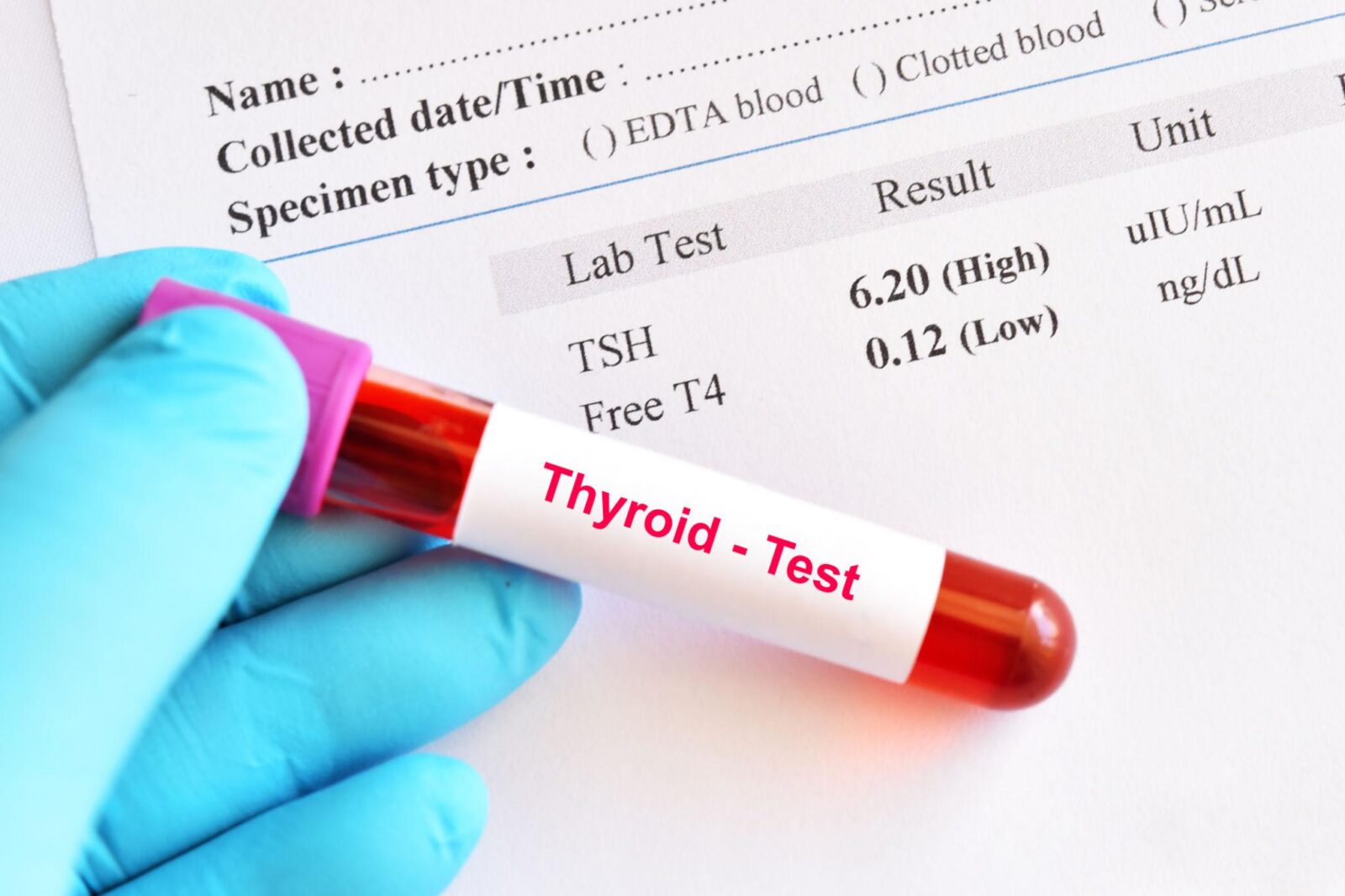
You may have heard that doctors don’t rely on hormone tests for perimenopause because your levels can change daily. While a single blood test can be like taking one snapshot of a constantly moving target, it doesn’t mean testing is useless. A more sophisticated approach gives you the full story. Comprehensive panels that go beyond a simple blood draw can reveal the deeper patterns behind your symptoms. For example, advanced diagnostics like the DUTCH test map out your hormone metabolites over 24 hours, providing a much clearer and more actionable picture of what’s really going on. This data-driven method helps pinpoint the root cause of your symptoms, allowing for a truly personalized treatment plan instead of guesswork.

How Perimenopause Is Diagnosed

Getting a formal diagnosis for perimenopause can feel a bit anticlimactic because there isn’t a single, definitive test. Instead, healthcare providers typically make a diagnosis based on a conversation about your age, medical history, and the symptoms you’re experiencing. This is because your hormone levels, particularly estrogen and FSH (follicle-stimulating hormone), are on a rollercoaster during this time. A blood test taken on a Tuesday could show completely different results from one taken on a Friday, making a single test an unreliable snapshot of your overall hormonal state. Your personal experience—the irregular periods, the night sweats, the brain fog—is the most valuable diagnostic tool in this case.

This is why tracking your symptoms is so important. Keeping a simple log of your menstrual cycle, sleep quality, mood, and energy levels can provide a clear pattern for you and your doctor to review. While a standard doctor’s visit might not include in-depth testing, a more comprehensive approach can offer deeper insights. For instance, advanced functional testing can map your hormone fluctuations over time to get a complete picture. This data-driven strategy moves beyond just managing symptoms and helps create a personalized plan to restore balance, giving you the clarity you need to stay on top of your game.

Exploring Medical Treatments and Therapies

For many women, medical therapies offer significant and rapid relief from moderate to severe perimenopause symptoms. Low-dose birth control pills, patches, or rings can help regulate your cycle, stabilize hormone fluctuations, and ease issues like hot flashes and irregular bleeding. Another powerful option is Hormone Replacement Therapy (HRT), which replenishes the estrogen and sometimes progesterone your body is making less of. HRT is not a one-size-fits-all solution; it comes in various forms, including pills, patches, gels, and creams, and can be tailored to your specific needs and health profile. Discussing the benefits and risks of hormone therapy with your provider can help you decide if it’s the right choice for you.

Hormone Replacement Therapy (HRT)

Hormone Replacement Therapy (HRT) is a highly effective way to manage perimenopause symptoms by directly addressing the root cause: declining hormones. This therapy works by replenishing the estrogen, and often progesterone, that your body is producing less of. It’s important to know that modern hormone therapy is not a one-size-fits-all approach. It’s highly personalized, with options ranging from pills and patches to gels and creams. The right type and dosage are tailored specifically to your health profile and symptoms, based on comprehensive testing. This allows you to get targeted relief from issues like hot flashes, night sweats, and brain fog, helping you stay sharp and focused.

Non-Hormonal Prescription Options

If hormone therapy isn’t the right fit for you, there are still powerful non-hormonal prescription options available to manage your symptoms. For many women, low-dose birth control pills, patches, or rings can be incredibly effective. They work by providing a steady, low dose of hormones to help regulate your cycle, stabilize the wild fluctuations that cause symptoms, and ease issues like hot flashes and irregular bleeding. Beyond birth control, other non-hormonal medications, such as certain antidepressants, have been shown to provide significant relief from hot flashes. The best path forward depends on your specific symptoms and health history, reinforcing the need for a personalized treatment plan.

Finding Relief with Natural Approaches

Your daily habits are a powerful tool for managing perimenopause symptoms. Start by looking at your diet. Focusing on whole foods—plenty of fruits, vegetables, lean protein, and healthy fats—can help stabilize your energy and mood. It’s also wise to pay attention to potential triggers. Many women find that things like caffeine, alcohol, or spicy foods can set off hot flashes. Keeping a simple journal for a week or two can help you identify your personal triggers so you can avoid them. Prioritizing sleep is also crucial. Try to stick to a consistent sleep and wake schedule, even on weekends, to support your body’s natural rhythm and improve your overall resilience to stress.

Simple Lifestyle Changes That Make a Difference

Beyond daily habits, certain lifestyle strategies can build a strong foundation for long-term health through perimenopause and beyond. Regular exercise is non-negotiable, particularly weight-bearing activities like walking, jogging, and strength training. These activities not only help manage weight and mood but are also essential for maintaining bone density, which naturally declines as estrogen levels drop. Making strength training a consistent part of your routine can protect your future health. Finally, don’t hesitate to talk to your healthcare provider if your symptoms are affecting your quality of life. A proactive partnership allows you to create a plan that addresses your concerns and helps you feel your best.

Build Your Perimenopause Wellness Plan

Perimenopause isn’t something you just have to get through. Think of it as a critical window to fine-tune your health for the long run. By taking a proactive approach, you can not only manage disruptive symptoms but also lay a strong foundation for your future well-being. Creating a personalized wellness plan helps you feel in control and ensures your body has the support it needs during this transition. It’s about making intentional choices that align with your health goals, from the food you eat to the way you manage stress. A strategic plan empowers you to work with your body, not against it, turning this phase into an opportunity for optimization. Instead of reacting to symptoms as they appear, you can anticipate your body’s needs and address them head-on with a clear, data-driven strategy.

Essential Health Screenings You Shouldn’t Skip

Regular check-ins with your healthcare provider are non-negotiable during perimenopause. If your symptoms are affecting your daily life, it’s time to have a conversation. Beyond a standard physical, this is the perfect time for comprehensive testing. A detailed look at your hormone levels—including estrogen, progesterone, and testosterone—provides a clear baseline and helps identify specific imbalances. Thyroid function, vitamin D levels, and blood sugar markers are also key pieces of the puzzle. This data allows you and your provider to create a targeted plan that addresses the root cause of your symptoms instead of just guessing. Think of it as gathering the essential intelligence you need to build your health strategy.

Your Guide to Nutrition and Exercise

What you eat and how you move can have a massive impact on your perimenopause experience. Focus on a nutrient-dense diet rich in lean protein, fiber-filled vegetables, fruits, and healthy fats to help stabilize blood sugar and energy levels. Reducing processed foods, sugar, and alcohol can also make a noticeable difference in managing hot flashes and mood swings. When it comes to exercise, consistency is key. A combination of strength training and weight-bearing exercises like walking or jogging is crucial for maintaining muscle mass and protecting bone density, both of which can decline as estrogen levels drop. This isn’t about punishing workouts; it’s about moving your body in a way that builds resilience.

Simple Techniques to Manage Stress

The hormonal shifts of perimenopause can shorten your fuse and make you more sensitive to stress. That’s why building a stress management toolkit is so important. You don’t need an hour a day; even a few minutes of intentional practice can help regulate your nervous system. Simple breathing exercises, a five-minute meditation session in the morning, or a short walk without your phone can lower cortisol levels and improve your mental clarity. Prioritizing activities that you genuinely enjoy—whether it’s reading, listening to music, or spending time in nature—is also a powerful way to recharge. The goal is to find small, sustainable practices that you can weave into your demanding schedule.

How to Partner With Your Healthcare Provider

Finding the right healthcare provider is one of the most important steps you can take. You need a partner who listens, takes your symptoms seriously, and is knowledgeable about modern treatment options. Come to your appointments prepared to discuss your symptoms, medical history, and any changes you’ve noticed. Don’t be afraid to ask questions about the benefits and potential health risks associated with different therapies, including hormone replacement therapy (HRT). A great provider will work with you to interpret your lab results and co-create a personalized plan that fits your lifestyle and goals. This collaborative relationship is the cornerstone of a successful perimenopause wellness strategy.

Support Your Long-Term Health

Think of perimenopause as more than just a temporary phase of hot flashes and irregular periods. It’s a critical transition that sets the stage for your health for the rest of your life. The hormonal shifts happening now have long-term implications for your bones, heart, and mind. While that might sound intimidating, it’s actually an incredible opportunity. By being proactive now, you can build a strong foundation that will support your vitality and performance for decades to come.

This isn’t about just “getting through” symptoms. It’s about using this time to understand your body on a deeper level and make intentional choices that protect your future well-being. Focusing on key areas like bone density, cardiovascular strength, and mental resilience allows you to take control of your health narrative. It’s the ultimate long-term strategy for continuing to feel and perform at your best, ensuring the years after menopause are just as vibrant and active as the years before it.

How to Maintain Strong Bones

As your body produces less estrogen during perimenopause and beyond, your bones can lose density more quickly. This change increases the risk for osteoporosis, a condition where bones become weaker and more susceptible to fractures. To counteract this, focus on weight-bearing exercises like strength training, hiking, or jogging, which stimulate your bones to grow stronger. Your diet is also crucial. Ensure you’re getting enough calcium and vitamin D, which work together to build and maintain bone mass. Foods like leafy greens, dairy, and fortified milks are great sources, but talk to your doctor about whether supplementation is right for you.

Protecting Your Heart Health

The decline in estrogen also affects your cardiovascular system. The risk of heart disease increases after menopause, making healthy lifestyle choices more important than ever. Estrogen helps keep blood vessels flexible and manages cholesterol levels, so when it drops, you may see changes in your blood pressure and cholesterol. Prioritize consistent cardiovascular exercise like cycling, swimming, or brisk walking. A heart-healthy diet rich in omega-3 fatty acids, fiber, and antioxidants will also provide powerful protection. Finally, find effective ways to manage stress, as chronic stress can take a toll on your heart.

How Perimenopause Affects Cholesterol

You might be surprised to see your cholesterol numbers change, even if you haven’t changed your diet or exercise routine. This is a direct result of shifting hormones. Estrogen has a protective effect on your heart, partly by helping to maintain a healthy balance of cholesterol. As estrogen levels decline during perimenopause, this balance can be disrupted. Specifically, you may see an increase in LDL (“bad”) cholesterol and a decrease in HDL (“good”) cholesterol. This shift is one of the key reasons why cardiovascular risk increases for women after menopause. It’s a silent change you won’t feel, which makes understanding your numbers through regular testing a critical part of your long-term health strategy.

Prioritizing Your Mental Well-being

The mental and emotional side of perimenopause is just as important as the physical. You might be dealing with mood swings, anxiety, or brain fog, but it’s helpful to remember that these feelings aren’t always tied directly to hormones. Many symptoms can also be linked to the normal stresses of midlife. Carve out non-negotiable time for practices that ground you, whether it’s a daily meditation, a walk in nature, or simply five minutes of deep breathing. Quality sleep and strong social connections are also fundamental pillars of mental resilience. Don’t hesitate to seek support from a therapist if you’re struggling—it’s a sign of strength.

Your Preventive Care Checklist

This is the time to become the CEO of your own health. If your symptoms are interfering with your daily life, it’s essential to partner with a healthcare provider who truly listens. Regular preventive care is your best tool for staying ahead of any potential issues. Stay on top of key screenings like mammograms, Pap tests, and bone density scans. Comprehensive lab work can also provide a clear picture of what’s happening with your hormones, cholesterol, and blood sugar, allowing for a personalized and proactive health plan. This isn’t just about checking boxes; it’s about gathering the data you need to make informed decisions for your long-term wellness.

Related Articles

BOOK NOW.cta-book-now{display:inline-block;padding:14px 36px;background-color:#00b5d9;color:#fff;font-weight:700;font-size:18px;text-decoration:none;border-radius:999px;transition:all .3s ease;font-family:inherit}.cta-book-now:hover{background-color:#f9f9f9;color:#07b6d5}

Frequently Asked Questions

I’m in my late 30s with symptoms like fatigue and mood swings. Is it too early for perimenopause? While the average age to start perimenopause is in the mid-40s, it’s absolutely possible for the transition to begin in your mid-to-late 30s. Every woman’s timeline is unique and influenced by factors like genetics and lifestyle. Symptoms like persistent fatigue, new anxiety, or changes in your cycle are your body’s signals that something is shifting. Instead of dismissing them as just stress or aging, it’s worth investigating the root cause to get a clear picture of your hormonal health.

My doctor says hormone testing for perimenopause is pointless because levels change daily. Why is it part of your approach? That’s a common perspective based on traditional, single-point-in-time blood tests. A single snapshot can indeed be misleading when your hormones are fluctuating so much. A more advanced approach uses comprehensive testing, like the DUTCH test, which measures your hormone levels and their metabolites over a 24-hour period. This gives a much fuller, more accurate picture of your hormonal patterns, helping to identify the specific imbalances driving your symptoms so a truly personalized plan can be created.

Can I still get pregnant during perimenopause? Yes, you can. As long as you are still having a menstrual period, even if it’s irregular, your body is still ovulating some of the time. This means pregnancy is still possible. If you are sexually active and do not wish to become pregnant, it’s important to continue using a reliable form of birth control until you have officially reached menopause, which is defined as 12 consecutive months without a period.

I’ve heard hormone replacement therapy (HRT) is risky. Is it a safe option? Concerns about HRT often stem from older studies that used different formulations on a different patient population. Modern hormone therapy has evolved significantly and is now highly personalized. When prescribed by a knowledgeable provider, bioidentical hormones can be tailored to your specific needs and health profile, often using doses and delivery methods that minimize risks. The key is to have an open conversation with your provider to weigh the personal benefits for your symptoms against any potential health risks.

Besides managing symptoms, what’s the single most important thing I should focus on during this time? Think of this phase as a critical opportunity to build your health strategy for the next several decades. Beyond immediate symptom relief, the most important focus is protecting your long-term bone and heart health. The decline in estrogen affects both. Making strength training a non-negotiable part of your routine and prioritizing a heart-healthy diet are powerful, proactive steps you can take right now to ensure you stay strong, resilient, and active for years to come.