

You’re in the middle of a presentation when it happens: a sudden, intense wave of heat that starts in your chest and rushes up to your face. Your heart starts to race, your skin flushes, and you can feel beads of sweat forming on your forehead. This isn’t just a momentary feeling of warmth; it’s a full-body takeover that can leave you feeling anxious and out of control. These episodes are the signature symptom of a major biological shift, and understanding them is the first step to managing them. These are perimenopause hot flashes, and they are a direct result of the hormonal fluctuations happening inside your body.
Key Takeaways
- Understand the Root Cause: Hot flashes are a direct result of fluctuating estrogen levels disrupting your brain’s temperature control center. This hormonal shift causes your body to overreact with a sudden “cool-down” response, leading to flushing and sweating.
- Identify and Manage Your Personal Triggers: You have the power to reduce the frequency of hot flashes by tracking what sets them off. Pay close attention to common culprits like caffeine, alcohol, and stress to make informed, strategic adjustments to your daily routine.
- Seek Data-Driven Solutions When Needed: When lifestyle changes aren’t enough to manage symptoms, comprehensive lab testing can map your unique hormonal profile. This creates a clear path to a personalized medical treatment plan that restores your well-being and focus.
What Is a Perimenopause Hot Flash?
If you’ve ever felt a sudden wave of heat wash over you for no apparent reason, you might be familiar with the signature symptom of perimenopause: the hot flash. It’s more than just feeling a little warm—it’s a complex physiological response to the hormonal shifts happening in your body. Understanding what’s really going on is the first step to managing it effectively and reclaiming control over your well-being.
What a Hot Flash Actually Feels Like
A hot flash isn’t subtle. It’s a sudden, intense sensation of heat that typically starts in your chest, neck, and face before spreading. You might experience profuse sweating, a flushed, red appearance, and even a rapid heartbeat. According to The Menopause Society, these episodes usually last between one and five minutes and can be followed by a sudden chill as your body tries to cool down. For many, the experience can also trigger feelings of anxiety, making it disruptive whether you’re in a board meeting or trying to sleep.
Why Hot Flashes and Perimenopause Go Hand-in-Hand
So, what’s causing this internal heatwave? The answer lies in your hormones, specifically estrogen. During perimenopause, your estrogen levels don’t decline in a smooth, linear fashion; instead, they fluctuate unpredictably. These hormonal ups and downs are what cause your periods to become irregular and can disrupt your body’s internal thermostat, triggering hot flashes. Think of it as your body recalibrating to a new hormonal reality. While it’s a completely normal part of the transition, the symptoms can feel anything but.
Debunking Common Myths About Hot Flashes
The conversation around perimenopause is filled with myths, and hot flashes are no exception. First, they aren’t always hot. Some women experience the opposite: a sudden, bone-deep chill known as a menopause cold flash that leaves you shivering no matter how many layers you add. Another common misconception is that over-the-counter herbal remedies are a guaranteed fix. While you’ll see countless products marketed for relief, studies on supplements like black cohosh and evening primrose oil haven’t shown they work effectively. Getting clear on the facts helps you focus on treatments that are actually proven to help you feel better.
What Causes Hot Flashes in Perimenopause?
If you’ve ever felt a sudden wave of heat creep up your chest and face, you know how disruptive a hot flash can be. It’s not just a feeling of being warm; it’s an intense, full-body response that can leave you drenched in sweat and feeling completely out of control. Understanding what’s happening behind the scenes is the first step toward managing these episodes. The primary driver is hormonal change, specifically the fluctuating levels of estrogen that mark the perimenopausal transition. These shifts directly impact how your brain regulates your body temperature, leading to a cascade of physical reactions.
The Role of Estrogen in Your Internal Thermostat
Think of estrogen as the primary regulator of your body’s internal thermostat, which is located in a part of your brain called the hypothalamus. For years, it has helped keep your temperature stable and comfortable. As you enter perimenopause, your estrogen levels become erratic, dropping and spiking unpredictably. This hormonal chaos makes your thermostat much more sensitive to slight changes in body temperature. Lower estrogen levels are the main reason your body’s ability to control its temperature gets thrown off. Your brain mistakenly thinks your body is overheating, even when it isn’t, and triggers a hot flash to cool you down.
Your Brain’s Response to Shifting Hormones
During perimenopause, the hormonal fluctuations are constant. One day your estrogen might be high, and the next it could plummet. This inconsistency sends mixed signals to your hypothalamus. When estrogen levels dip, your brain overreacts and initiates a dramatic cool-down sequence. It’s a physiological miscommunication. Your brain is trying to protect you from overheating, but its perception is skewed by the hormonal shifts. These unpredictable patterns are the direct cause of not just hot flashes, but also other symptoms like irregular periods and mood swings. It’s a completely normal, albeit frustrating, biological process.
What’s Happening in Your Body During a Hot Flash
So, what does that brain-level misfire look like in your body? When your hypothalamus sounds the alarm, it sets off a chain reaction. Blood vessels near the surface of your skin widen to release heat, causing that signature red flush across your face, neck, and chest. Your heart may start to race, and your sweat glands kick into overdrive to cool you down as quickly as possible. This entire episode can last anywhere from one to five minutes. Once the wave of heat passes, you might feel a sudden chill as your body’s temperature drops from the sweat response. It’s an intense physical experience that can also bring on feelings of anxiety.
When Do Hot Flashes Start and How Long Do They Last?
If you’re dealing with hot flashes, one of your first questions is probably about the timeline. Knowing when they start, how long an episode lasts, and when you can expect them to finally stop can help you feel more in control. While everyone’s experience is unique, there are some typical patterns that can give you a clearer picture of what to expect during this transition. Understanding the timeline is the first step toward creating a strategy to manage your symptoms and maintain your performance at work and at home.
When to Expect Them: The Typical Timeline
For most women, hot flashes make their first appearance during perimenopause, the transitional stage before your periods stop completely. This phase often begins in your late 40s or early 50s, right around the time you might notice your menstrual cycle becoming less predictable. The onset of hot flashes is a classic sign that your hormone levels are beginning to fluctuate. Think of them as an external signal of the internal changes taking place as your body prepares for menopause. While this is the most common timeline, some women may experience them earlier or later, which is why paying attention to your body’s unique signals is so important.
How Long Does a Single Hot Flash Last?
When you’re in the middle of a hot flash, it can feel like it goes on forever. That sudden, intense wave of heat, the flushed skin, and the sweating can be incredibly disruptive. The good news is that an individual episode is usually quite brief. Most hot flashes last between one and five minutes. The intensity can vary dramatically—some might be a mild feeling of warmth, while others are drenching sweats that leave you feeling exhausted. Knowing that the discomfort is temporary can make it easier to manage in the moment. You can use that time to focus on your breathing or step away for a moment of cool relief.
The Big Picture: How Many Years Can This Phase Continue?
This is the question everyone wants answered: How long will I have to deal with this? The duration of hot flashes varies significantly from person to person, but research gives us a solid average. On the whole, women experience hot flashes and other vasomotor symptoms for about 7.4 years. Some women may only have them for a couple of years, while others may experience them for a decade or more. It’s also common to have them frequently—up to a third of women have more than 10 hot flashes a day. This extended timeline is why finding an effective, long-term management strategy is key to preserving your quality of life.
Identify and Avoid Your Hot Flash Triggers
While fluctuating hormones are the underlying cause of hot flashes, your daily habits and environment can play a major role in how often they show up and how intense they feel. Think of yourself as a detective investigating your own unique physiology. By paying close attention to your routines, you can start to connect the dots between certain activities and a sudden heat wave. This isn’t about creating a long list of things you can’t do anymore; it’s about gathering information so you can make strategic choices that help you feel more in control.
What triggers a hot flash for one person might not affect another at all. Your personal triggers are often found in three main areas: your diet, your immediate surroundings, and your emotional state. A spicy meal might be a clear culprit for some, while for others, a stressful meeting is the primary instigator. The goal is to identify your specific patterns so you can anticipate and manage these situations. This proactive approach puts you back in the driver’s seat, allowing you to make small adjustments that can lead to significant relief and a greater sense of predictability in your day.
Pinpoint Your Food and Environmental Triggers
Certain foods and drinks are well-known for turning up the heat. Your morning coffee, a glass of wine with dinner, or a spicy curry can all be potential triggers because they can dilate blood vessels and affect your body’s internal temperature regulation. Consider reducing your intake of caffeine, alcohol, and spicy foods for a couple of weeks to see if you notice a difference in the frequency or severity of your hot flashes. You don’t necessarily have to eliminate them forever, but knowing their effect gives you the power to choose when it’s worth it.
Your physical environment is another critical piece of the puzzle. Feeling overheated can easily bring on a hot flash, so creating a cooler space is a simple yet effective strategy. Dress in layers using breathable fabrics like cotton or linen that you can easily remove. Keep your bedroom cool at night with a fan or air conditioning, and consider lightweight bedding. These small adjustments can make a huge difference, especially in preventing night sweats that disrupt your sleep.
How Stress and Emotions Can Turn Up the Heat
If you’ve ever felt your face flush during a tense presentation, you already know the powerful connection between your emotions and your body’s temperature. Stress and anxiety trigger the release of hormones like adrenaline, which can set off a hot flash. For high-performing women juggling demanding careers and personal responsibilities, chronic stress can become a significant factor in perimenopause symptoms. Recognizing this link is the first step toward finding relief.
The good news is that you can actively manage this response. Mind-body practices are incredibly effective tools for calming your nervous system. Techniques like mindfulness-based stress reduction have been shown to reduce both the frequency and intensity of hot flashes. You don’t need to book a week-long retreat; even a few minutes of deep, slow breathing before a meeting or at the end of the day can help keep your internal thermostat in check.
Create a Plan to Track Your Personal Triggers
To truly understand what’s causing your hot flashes, you need to collect your own data. Keeping a simple journal for a few weeks is one of the most empowering things you can do. This isn’t another task to add to your to-do list—it’s a short-term project to gather valuable intelligence. Each time you experience a hot flash, take a moment to note a few key details.
Your log should include the time of day, the intensity of the hot flash, and what you were doing right before it started. Also, make a note of what you ate or drank recently, your stress level, and the temperature of your environment. After a couple of weeks, you can review your notes and look for patterns. This personal symptom data is incredibly useful for making targeted lifestyle changes and for having a more productive conversation with your healthcare provider.
How to Manage Hot Flashes Naturally
While medical treatments are a powerful tool for managing severe hot flashes, you can build a strong foundation of relief with targeted lifestyle strategies. Think of these adjustments not as restrictions, but as proactive steps to help your body find a new equilibrium. By focusing on how you eat, move, and manage stress, you can significantly reduce the frequency and intensity of hot flashes and feel more in control of your experience.
These natural approaches work by supporting your body’s core systems—your nervous system, your metabolism, and your stress response—all of which are impacted by shifting hormones during perimenopause. The goal is to create an internal environment that’s less reactive to hormonal fluctuations. We’ll cover four key areas where you can make a real difference: immediate cooling tactics for in-the-moment relief, long-term lifestyle habits to build resilience, dietary tweaks to avoid common triggers, and stress management techniques to calm your system and improve your sleep.
Cool Down Fast: In-the-Moment Relief Strategies
When a hot flash hits, you need strategies that work right now. The key is to lower your body temperature quickly and efficiently. Start by creating a cooler environment around you. Keeping your living and sleeping areas cool with fans or air conditioning can make a huge difference, especially at night. Opt for lightweight, breathable bedding made from natural fibers like cotton or bamboo to help manage night sweats.
Beyond your environment, think in layers. Dressing in removable layers allows you to adjust your clothing as your internal thermostat fluctuates. Sipping on ice water at the onset of a hot flash can also provide immediate internal cooling. Many women find it helpful to carry a portable fan or a cooling facial mist for on-the-go relief. The goal is to have a toolkit ready so you can respond calmly and effectively the moment you feel that familiar wave of heat begin.
Build Resilience with Smart Lifestyle and Fitness Habits
Consistent, healthy habits are your best defense against disruptive hot flashes. Regular physical activity is one of the most effective tools for building resilience. Exercise helps regulate hormones, reduce stress, and maintain a healthy weight, all of which can lessen the severity of perimenopausal symptoms. Aim for moderate-intensity activities like brisk walking, swimming, or cycling. Even incorporating more movement throughout your day can help.
Beyond exercise, it’s crucial to manage stress and avoid known triggers. High stress levels can directly set off a hot flash, so integrating calming practices into your routine is essential. Quitting smoking is also a powerful step, as nicotine can interfere with hormone regulation and worsen symptoms. These lifestyle shifts work together to create a more stable internal environment, making your body less susceptible to sudden temperature spikes.
Fine-Tune Your Diet to Manage Symptoms
What you eat and drink can have a direct impact on hot flash frequency. Certain foods and beverages are notorious for turning up the heat. Consider reducing your intake of common triggers like caffeine, alcohol, and spicy foods. These substances can dilate blood vessels and affect the part of your brain that regulates temperature, making a hot flash more likely.
At the same time, you can add foods that support hormonal balance. Some research suggests that plant-based foods rich in phytoestrogens—like soy, chickpeas, and flaxseed—may offer mild relief for some women. Staying well-hydrated by drinking plenty of water throughout the day also helps your body regulate its temperature more effectively. You don’t need to overhaul your entire diet overnight; start by tracking your symptoms to see if you can identify a pattern with specific foods, then make small, sustainable adjustments.
Master Your Stress and Reclaim Your Sleep
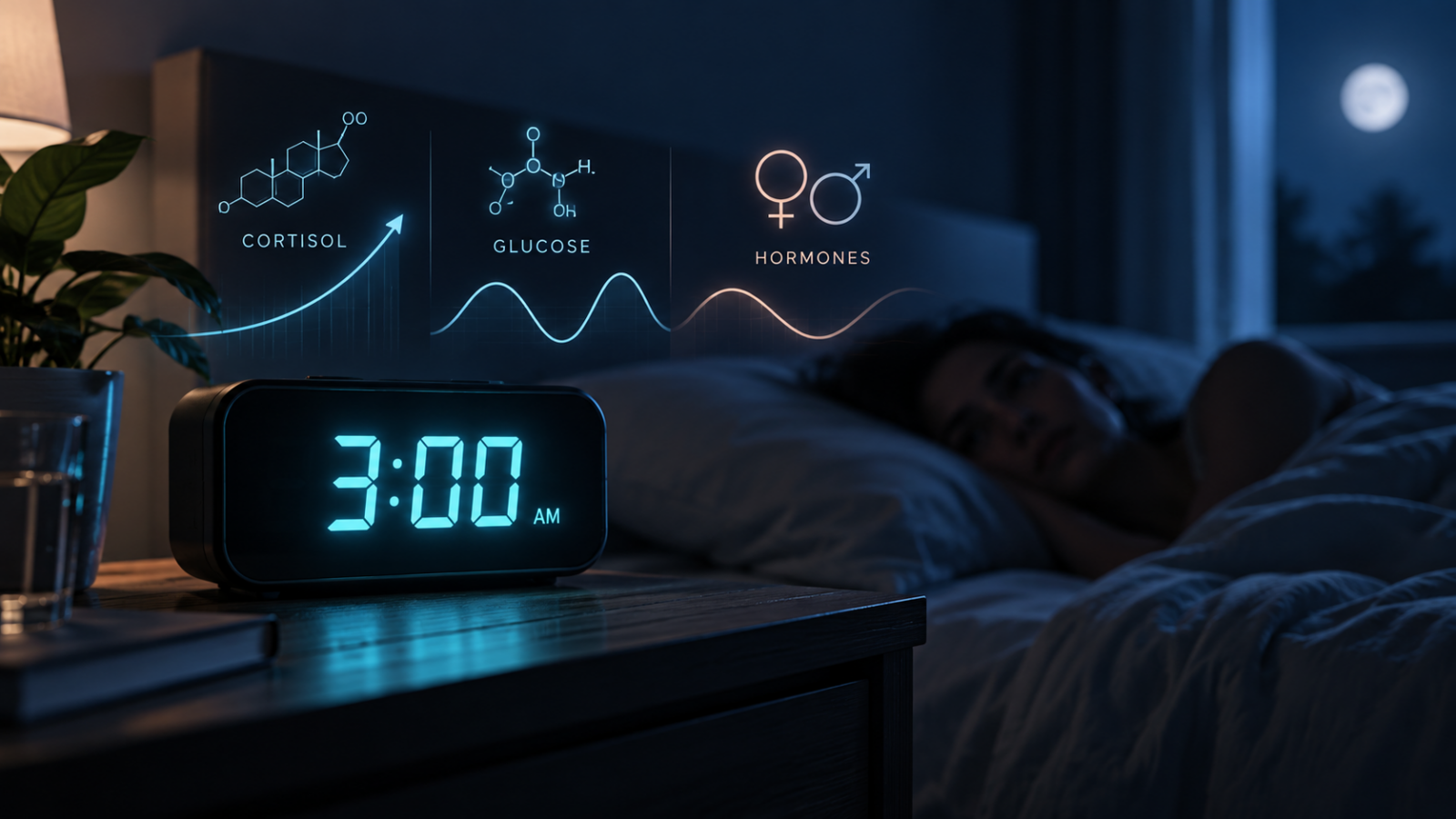
The connection between stress, sleep, and hot flashes is undeniable. High cortisol levels from chronic stress can trigger your body’s fight-or-flight response, which in turn can spark a hot flash. This is where mind-body practices become incredibly valuable. Techniques like meditation, deep breathing exercises, and yoga can help calm your nervous system and reduce the physiological impact of stress.
Specifically, Mindfulness-Based Stress Reduction (MBSR) has been shown to decrease both the intensity and frequency of hot flashes. By managing your stress during the day, you also set the stage for better sleep at night. Since night sweats can fragment your rest, creating a relaxing bedtime routine and a cool, dark, and quiet sleep environment is non-negotiable for feeling your best.
What Medical Treatments Can Help Severe Hot Flashes?
When lifestyle adjustments aren’t enough to manage severe hot flashes, medical treatments can offer powerful and effective relief. If intense heat and sweating are disrupting your sleep, focus, and daily life, it’s time to consider a more direct approach. These solutions aren’t about masking symptoms; they’re about addressing the underlying hormonal shifts so you can get back to feeling like yourself. The two main paths are hormone-based therapies and effective non-hormonal prescriptions, and the right choice depends entirely on your unique biology and health profile.
Hormone Therapy: Understanding Your Options
Hormone therapy (HT) is often considered the gold standard for treating moderate to severe hot flashes because it addresses the root cause: declining estrogen levels. By reintroducing hormones, this treatment can restore balance and significantly reduce or even eliminate hot flashes and other symptoms like night sweats. The approach is highly personalized. For example, the type of hormone therapy you receive will depend on factors like your age and whether you still have your uterus. For many women, bioidentical hormone replacement therapy (BHRT) offers a tailored way to replenish hormones that are chemically identical to those your body naturally produces, providing targeted relief.
Effective Non-Hormonal Prescription Treatments
Hormone therapy isn’t the right fit for everyone, and that’s perfectly fine. There are several effective non-hormonal treatments that can provide significant relief from hot flashes. The FDA has specifically approved two medications for this purpose: fezolinetant (Veozah™), which works by blocking a specific receptor in the brain’s temperature-control center, and a low-dose formulation of paroxetine (Brisdelle®), a type of antidepressant. Beyond these, other non-hormonal medications, including certain antidepressants, anti-seizure drugs, and even a medication for overactive bladder, have been shown to effectively reduce the frequency and severity of hot flashes for many women. These options provide a strong alternative for those who cannot or prefer not to use hormones.
Why Data-Driven Testing Is Key to Your Treatment Plan
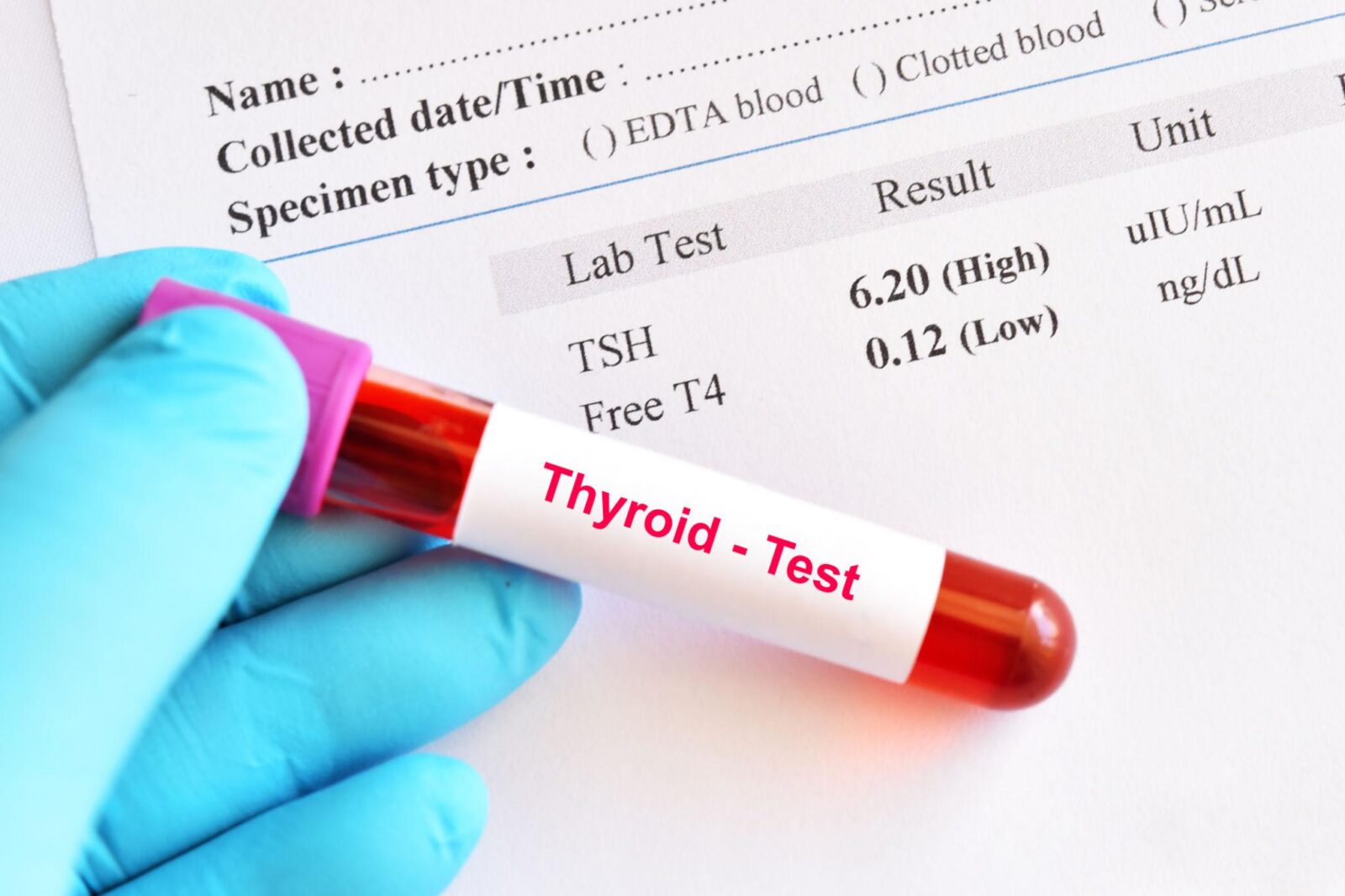
Choosing a treatment for hot flashes shouldn’t be a guessing game. Perimenopause is driven by significant changes in your hormones, primarily estrogen and progesterone, but the way these levels fluctuate is unique to you. Instead of relying on trial and error, a data-driven approach provides a clear path forward. Comprehensive lab testing—including detailed blood panels and advanced diagnostics like the DUTCH test for hormone metabolites—gives you and your doctor a precise map of your hormonal landscape. This information is critical for creating a personalized and effective treatment plan, whether it involves a specific type of hormone therapy or a targeted non-hormonal option. It allows you to address the root cause with precision, saving you time and ensuring you get the relief you need.
When Should You See a Doctor for Hot Flashes?
While hot flashes are a hallmark of perimenopause, you don’t have to simply endure them. Deciding when to seek medical advice is a personal choice, but a good rule of thumb is to reach out when your symptoms start to interfere with your life. If hot flashes are disrupting your sleep, affecting your concentration at work, or causing you significant discomfort, it’s a clear sign that it’s time to have a conversation with a healthcare professional.
Think of it less as a sign of weakness and more as a proactive strategy. For high-performing individuals, maintaining your energy, focus, and overall well-being is non-negotiable. A doctor can help confirm that your symptoms are related to perimenopause and work with you to create a personalized plan. This isn’t about just getting through it; it’s about managing this transition in a way that keeps you feeling and performing your best. Ignoring persistent symptoms can take a toll on your physical and mental health, and there are effective solutions available that can make a real difference.
Know the Red Flags: When to Act Fast
Most perimenopause symptoms are disruptive but not dangerous. However, certain signs warrant immediate medical attention because they can point to other underlying conditions. It’s especially important to see your doctor if you experience any unusual bleeding patterns.
For instance, if you go a full 12 months without a period and then suddenly start bleeding again, this needs to be evaluated. You should also schedule an appointment if your periods become extremely heavy, last longer than seven days, or if you start bleeding between your cycles. Similarly, if your periods begin occurring more frequently—less than 21 days apart—it’s wise to get it checked out. These symptoms aren’t typical for perimenopause and could indicate another health issue that requires a proper diagnosis.
Signs It’s Time to Talk to a Professional
Beyond the urgent red flags, the right time to see a doctor is whenever hot flashes are bothering you. If your symptoms are consistently affecting your quality of life, that’s reason enough to seek support. You don’t need to wait for things to become unbearable before you ask for help.
Consider if hot flashes are waking you up multiple times a night, leaving you exhausted and unfocused the next day. Or perhaps they’re causing you anxiety and embarrassment during important meetings or social events. When symptoms start to dictate your schedule, your wardrobe, or your confidence, a healthcare provider can help you explore treatment options. The goal is to find a solution that allows you to continue living your life without constant interruption or discomfort.
How to Prepare for Your Healthcare Appointment
To make your doctor’s visit as productive as possible, a little preparation goes a long way. Before your appointment, start keeping a detailed record of your symptoms. For a week or two, jot down when your hot flashes occur, how long they last, and how intense they feel. Note any potential triggers you observe, like consuming spicy food, drinking coffee, or feeling stressed.
Also, make a complete list of any medications, vitamins, or supplements you’re currently taking. Be ready to discuss your personal and family medical history. This information gives your doctor a comprehensive view of your health, allowing for a more accurate diagnosis and a treatment plan that is truly tailored to you. Coming prepared helps ensure you use your time effectively and walk away with clear, actionable steps.
Related Articles
- Natural Alternatives to HRT for Menopause Relief
- How Long Does Perimenopause Last? An Honest Timeline
- The High-Performer’s Perimenopause Guide
Frequently Asked Questions
How do I know if what I’m feeling is a hot flash or just anxiety? This is a great question because the two can feel very similar and even happen at the same time. A key difference is the intense, rising heat that defines a hot flash, which often starts in your chest and face. You might also experience visible flushing and heavy sweating, followed by a sudden chill. While anxiety can cause a racing heart and a warm feeling, it’s typically not accompanied by that specific wave of heat and drenching sweat. Tracking your symptoms can help you see if the physical heat comes first, which often points to a hot flash triggering a feeling of anxiety in response.
Can stress from my job actually make my hot flashes more frequent? Absolutely. High-pressure work environments can be a significant trigger. When you’re stressed, your body releases hormones like adrenaline, which can directly set off your body’s heat-releasing response. Think of it as your internal thermostat already being sensitive due to hormonal shifts; stress comes along and pushes the button. This is why managing your stress through techniques like deep breathing or mindfulness isn’t just good for your mental clarity—it’s a practical strategy for reducing the frequency and intensity of your hot flashes.
I’ve heard mixed things about hormone therapy. Is it a safe option? It’s smart to ask this, as there’s a lot of outdated information out there. Modern hormone therapy, especially when personalized to your specific needs, is considered a safe and highly effective treatment for many women. The key is a personalized approach. A treatment plan that begins with comprehensive testing to understand your unique hormone levels is very different from a one-size-fits-all prescription. When medically supervised and tailored to your body, hormone therapy can be a powerful tool for relief.
Why is comprehensive testing necessary if hot flashes are a normal part of perimenopause? While hot flashes are a common sign of perimenopause, your hormonal journey is entirely unique. Comprehensive testing gives a precise picture of what’s happening inside your body, moving beyond guesswork. It reveals your specific levels of estrogen, progesterone, and other key hormones, which allows for a targeted and effective treatment plan. This data-driven approach ensures you’re not just treating a symptom, but addressing the root cause in a way that’s tailored specifically to your biology.
If I manage my triggers, can I avoid medical treatment altogether? For some women, lifestyle adjustments like avoiding spicy foods, reducing stress, and keeping cool are enough to make hot flashes manageable. These strategies are the foundation of any good treatment plan. However, if your hot flashes are severe and consistently disrupting your sleep, work, and quality of life, medical treatment can provide more powerful and direct relief. The best approach often combines smart lifestyle habits with a personalized medical plan when needed.