
TRT and Muscle Growth After 40: What Testosterone Can and Cannot Do

Building muscle after 40 can feel different. You may train just as hard as you did in your 20s or 30s, yet recovery takes longer. Strength gains may come more slowly. Body fat can become easier to gain, and maintaining muscle may require more attention than it once did. For some men, declining or clinically […]
TRT Injections vs. Gel vs. Oral Testosterone: Which Testosterone Replacement Option Is Right for You?
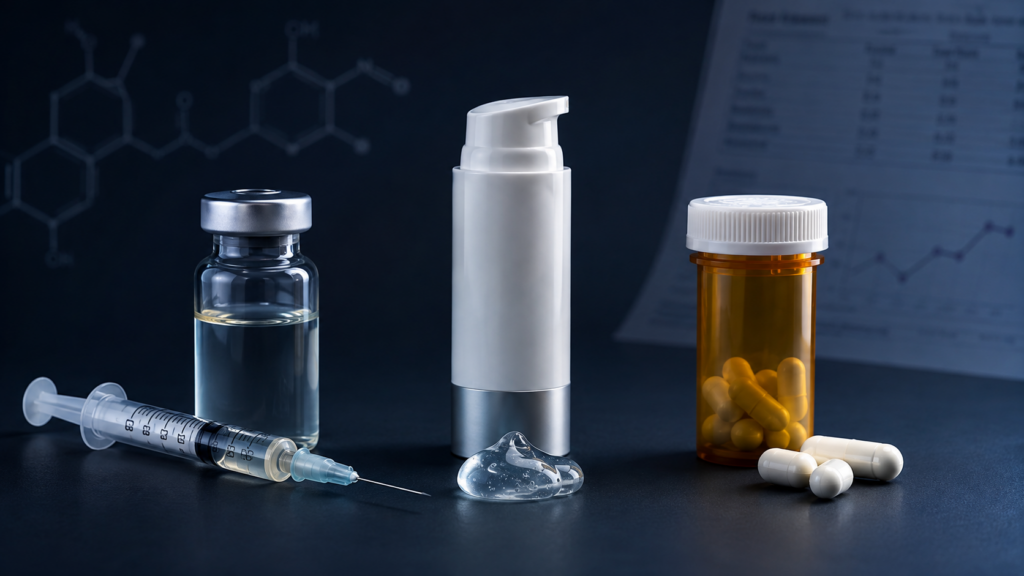
Testosterone replacement therapy, commonly called TRT, is available in several forms. Three of the most commonly discussed options are: Testosterone injections Testosterone gel Oral testosterone All three can deliver testosterone into the body, but they do it in very different ways. That matters because the route of administration can influence testosterone levels, dosing frequency, convenience, […]
Estrogen, Testosterone and Desire: What Each Hormone Actually Does
Sexual desire is often reduced to a simple hormone equation: Low estrogen = low libido. Low testosterone = low libido. Fix the hormone, and desire comes back. Human sexual function is more complicated than that. Estrogen and testosterone both influence sexual health, but they affect different parts of the sexual-response system. Hormones also interact with […]
Why More Testosterone Does Not Always Mean Better Energy or Libido

When testosterone is low, symptoms such as fatigue, reduced sex drive, lower motivation, and decreased muscle mass can sometimes improve when testosterone levels are restored to an appropriate range. That does not mean that continually increasing testosterone will produce continually better results. In reality, more testosterone does not always mean more energy, a stronger libido, […]
Why Hormones Matter: The Connection Between Hormone Health, Aging, and Chronic Disease

Most people think about hormones only when something goes noticeably wrong. Low libido. Fatigue. Weight gain. Brain fog. Poor sleep. Hot flashes. Loss of strength. But hormones do much more than influence how you feel. Testosterone, estrogen, progesterone, thyroid hormones, insulin, cortisol, and other signaling molecules participate in systems that regulate metabolism, muscle, bone, sexual […]
Can Low Testosterone Cause Fatigue Even Without Low Libido?

If you’re constantly tired but your sex drive still feels normal, testosterone may not be the first thing you think about. But low testosterone can contribute to fatigue even when libido hasn’t noticeably changed. Testosterone affects much more than sexual function. It interacts with muscle mass, red blood cell production, body composition, mood, motivation, recovery, […]
TRT Monitoring Schedule: Labs, Blood Pressure, PSA and Follow-Up

Testosterone replacement therapy, commonly called TRT, should never be a “prescribe it and forget it” treatment. Safe and effective TRT requires scheduled laboratory testing, blood pressure monitoring, symptom reviews and appropriate prostate screening. These checkpoints help your provider determine whether treatment is improving how you feel without pushing testosterone, hematocrit, blood pressure or other health […]
Can Weight Loss Naturally Improve Testosterone Levels?

In many men with overweight or obesity, yes. Clinically meaningful, sustained weight loss can increase total testosterone and may also improve free testosterone, sexual function, energy, and metabolic health. The response is usually strongest when low testosterone is related to excess body fat, insulin resistance, poor sleep, or other reversible health factors. That does not […]
When Low Libido Is a Relationship Issue, Medical Issue or Both

Low libido can feel deeply personal. One partner may feel rejected. The other may feel pressured, misunderstood, or worried that something is physically wrong. Before long, a change in sexual desire becomes a referendum on attraction, love, hormones, aging, or the entire relationship. That usually makes the situation worse. Low sexual desire is not automatically […]
Gut Health and Hormones: What the Gut-Hormone Connection Can and Cannot Explain
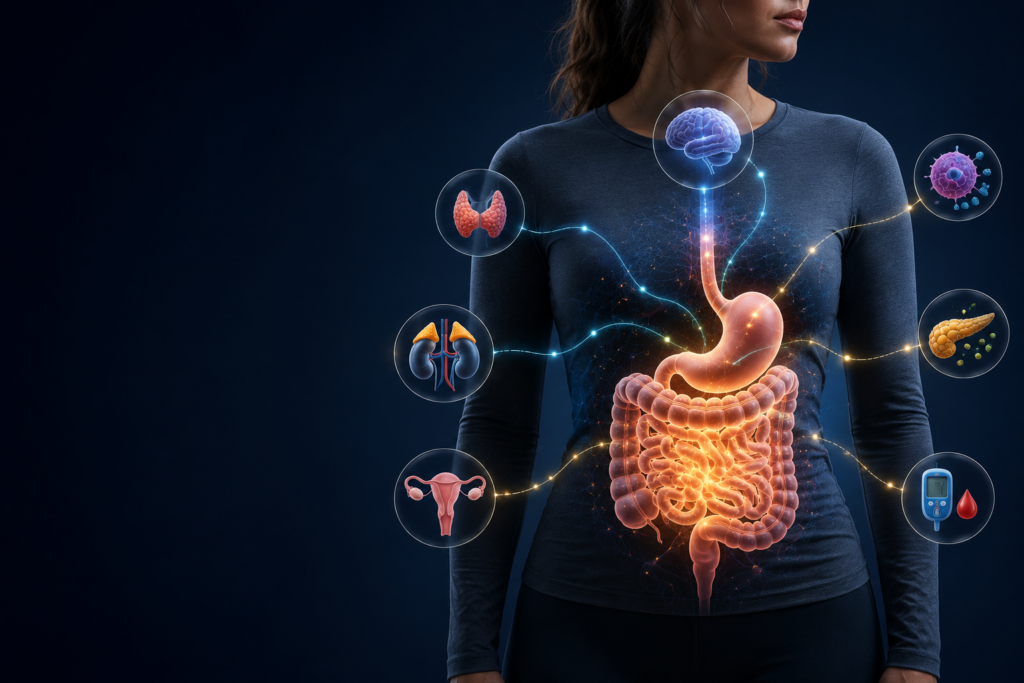
Gut health and hormones are connected, but the relationship is often oversimplified. Your digestive tract produces hormones, communicates with your brain, interacts with your immune system, and helps process nutrients and compounds involved in hormone metabolism. At the same time, estrogen, progesterone, thyroid hormones, stress hormones, and metabolic hormones can affect digestion, appetite, bowel movements, […]