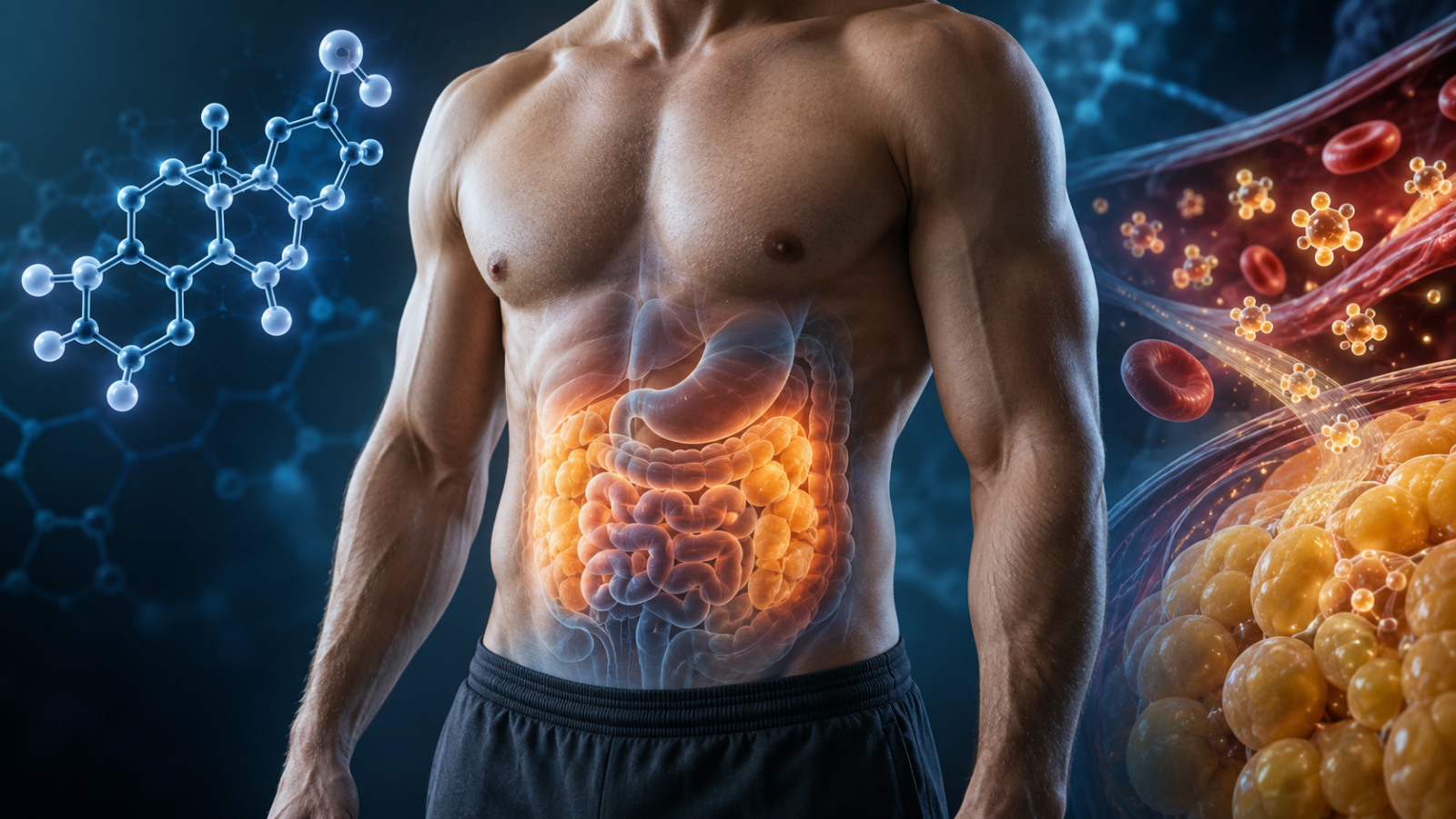

In many men with overweight or obesity, yes. Clinically meaningful, sustained weight loss can increase total testosterone and may also improve free testosterone, sexual function, energy, and metabolic health.
The response is usually strongest when low testosterone is related to excess body fat, insulin resistance, poor sleep, or other reversible health factors.
That does not mean every low testosterone result will normalize after weight loss. Testosterone can also be low because of pituitary disease, testicular dysfunction, medication use, prior anabolic steroid exposure, genetic conditions, or other medical causes. Those problems need a proper evaluation rather than another generic diet plan.
The Endocrine Society stated on July 16, 2026, that weight loss is typically the first-line therapy for men with appropriately diagnosed hypogonadism related to overweight or obesity when no other cause has been identified. The same statement emphasized that symptoms and at least two early-morning, fasting testosterone tests are needed before diagnosing hypogonadism.
This article focuses on adult men because the evidence connecting obesity-related low testosterone with weight loss is clearest in this population.
Why Excess Body Fat Can Lower Testosterone
The relationship between body fat and testosterone is not a simple one-way street.
Lower testosterone can make it harder to maintain muscle, recover from training, and regulate body composition. At the same time, excess body fat can lower measured testosterone and weaken the hormone signals that support testosterone production.
This can create a frustrating cycle:
- Body fat and insulin resistance increase.
- Total testosterone falls.
- Energy, training performance, libido, and recovery may decline.
- Muscle becomes harder to maintain.
- Daily activity drops and fat gain becomes easier.
Several biological mechanisms may contribute to this pattern.
Lower SHBG Can Make Total Testosterone Look Low
Sex hormone-binding globulin, or SHBG, is a protein that carries testosterone through the bloodstream.
Obesity and insulin resistance often lower SHBG. When SHBG drops, total testosterone may also look lower because less testosterone is circulating in a bound form.
This is one reason a single total testosterone result can be misleading.
A man may have:
- A modestly low total testosterone level
- Low SHBG
- Normal luteinizing hormone
- Normal follicle-stimulating hormone
- No permanent failure of the testes or pituitary gland
Recent clinical reviews describe this pattern as the “pseudo-hypogonadism of obesity.” This means the hormonal change may be functional and reversible rather than evidence of permanent gonadal disease. Weight reduction and treatment of related conditions can often reverse the pattern.
Severe Obesity Can Suppress Hormone Signaling
Testosterone production depends on communication between the hypothalamus, pituitary gland, and testes. This network is called the hypothalamic-pituitary-testicular axis.
With more severe obesity, inflammation, insulin resistance, altered leptin signaling, sleep disruption, and other metabolic changes may reduce the signals that tell the testes to produce testosterone.
Fat tissue also contains aromatase, an enzyme that converts some testosterone into estradiol. Increased aromatase activity may contribute to hormonal changes in some men with obesity, although it is not the only mechanism involved.
No single mechanism explains every case. That is why body weight alone cannot diagnose the cause of low testosterone.
Sleep Apnea Can Add Another Layer
Obstructive sleep apnea is common in men with central obesity. It causes repeated pauses in breathing, reduced oxygen levels, and fragmented sleep.
A systematic review and meta-analysis of 18 studies involving 1,823 men found an inverse association between obstructive sleep apnea and testosterone. The relationship remained after accounting for age and body mass index, with the strongest reduction seen in men with severe sleep apnea.
Losing weight may reduce sleep apnea risk, but symptoms such as these deserve direct evaluation:
- Loud, persistent snoring
- Witnessed pauses in breathing
- Waking up gasping
- Morning headaches
- Daytime sleepiness
- Resistant high blood pressure
- Waking up exhausted despite enough time in bed
Treating sleep apnea is not merely a hormone strategy. It may also affect cardiovascular health, cognitive function, daytime safety, and quality of life.
How Much Weight Loss Is Needed to Raise Testosterone?
There is no universal number.
Baseline weight, waist circumference, age, SHBG, diabetes status, sleep quality, medications, and the cause of low testosterone all affect the response.
Still, research gives us a useful pattern: more meaningful weight loss generally produces a larger rise in testosterone.
A 2026 clinical review reported that losing at least 5% of body weight typically produces a significant increase in total testosterone in men with obesity. Weight loss was also associated with improvements in physical function, libido, and erectile function.
Earlier systematic review and meta-analysis data found that weight loss increased both bound and unbound testosterone. Larger reductions in body weight generally produced larger hormonal improvements.
For a man weighing 240 pounds, 5% weight loss equals:
240 pounds × 0.05 = 12 pounds
That does not mean losing 12 pounds is a guaranteed hormone threshold. It means a clinically meaningful reduction in weight may begin changing the metabolic environment that contributes to low testosterone.
Men with more severe obesity who lose substantial weight, including after metabolic or bariatric surgery, often experience larger increases in testosterone.
Lifestyle-based weight loss may produce more modest hormonal changes, but modest does not mean meaningless. Better energy, improved glucose regulation, reduced waist circumference, improved sleep, and better erectile function can matter even when testosterone does not increase dramatically.
Total Testosterone and Free Testosterone May Change Differently
When weight loss improves insulin sensitivity, SHBG may rise. That can increase total testosterone because more hormone is being carried in the bloodstream.
Free testosterone, the smaller fraction that is not tightly bound to SHBG, may not rise by the same percentage.
This is why clinicians should interpret total testosterone, free testosterone, and SHBG together instead of making treatment decisions from one isolated number. Obesity-related reductions in SHBG are frequently a major contributor to lower total testosterone readings.
A complete evaluation may include:
- Total testosterone
- Free testosterone, measured accurately or calculated when appropriate
- SHBG
- Luteinizing hormone, or LH
- Follicle-stimulating hormone, or FSH
- Estradiol when clinically relevant
- Prolactin
- Thyroid markers
- Complete blood count
- Comprehensive metabolic panel
- Hemoglobin A1c
- Fasting glucose
- Fasting insulin when appropriate
- Lipids and cardiovascular risk markers
The exact panel depends on symptoms, medical history, medications, fertility goals, and the clinician’s assessment.
Which Symptoms May Improve With Weight Loss?
When obesity-related metabolic dysfunction is contributing to low testosterone, weight loss may improve more than a lab value.
Possible improvements include:
- Energy and motivation
- Libido
- Erectile function
- Sleep quality
- Exercise tolerance
- Blood sugar regulation
- Waist circumference
- Physical function
- Confidence and overall quality of life
These symptoms are not specific to testosterone.
Low energy can come from sleep apnea, anemia, depression, thyroid disease, chronic stress, medication side effects, undernutrition, or several other conditions.
Erectile dysfunction can also be related to vascular disease, diabetes, high blood pressure, medication use, neurological conditions, stress, or relationship factors.
That is why symptoms should be investigated rather than automatically labeled “low T.”
The Best Weight-Loss Strategy for Supporting Testosterone
The goal is not to lose weight as fast as possible.
The goal is to reduce excess fat while preserving muscle, supporting recovery, and building habits that can be maintained.
1. Use a Sustainable Calorie Deficit
Fat loss requires an energy deficit, but aggressive restriction can create its own hormonal and recovery problems.
Research on calorie restriction suggests that testosterone responses differ according to starting body composition. Men with obesity may see testosterone improve as weight falls, while leaner men undergoing severe calorie restriction may experience a decrease in testosterone.
A better approach is a moderate, individualized calorie deficit that produces steady progress without constant exhaustion, uncontrolled hunger, or collapsing training performance.
Signs that a weight-loss plan may be too aggressive include:
- Rapid strength loss
- Persistent fatigue
- Poor sleep
- Irritability
- Reduced libido
- Repeated binge eating
- A major drop in training quality
- Ongoing dizziness or weakness
The fastest plan is not necessarily the most effective plan once muscle preservation, hormone health, adherence, and long-term weight maintenance are considered.
2. Prioritize Protein and Resistance Training
Weight loss can include losses of both fat and lean mass. Preserving muscle matters because muscle supports glucose disposal, physical function, strength, and long-term weight maintenance.
Build the plan around:
- Adequate protein
- Progressive resistance training
- Consistent daily movement
- Appropriate recovery
- Enough calories to support training
Protein needs should be individualized based on body size, activity, goals, age, kidney health, and total calorie intake.
A practical resistance-training program should cover the major movement patterns and gradually increase load, repetitions, range of motion, or training quality.
More exercise is not always better. Training should provide enough stimulus to preserve or build muscle without creating a level of fatigue that undermines sleep, recovery, and adherence.
3. Improve Sleep Quality
Sleep affects appetite, insulin sensitivity, recovery, and testosterone regulation.
Addressing inconsistent sleep schedules, alcohol close to bedtime, untreated sleep apnea, and chronic sleep restriction may improve how a man feels even before major weight loss occurs.
Start with the basics:
- Maintain a consistent sleep and wake schedule.
- Give yourself enough time in bed.
- Reduce alcohol near bedtime.
- Keep the bedroom dark and cool.
- Limit late-night meals when they worsen sleep.
- Get evaluated for sleep apnea when symptoms are present.
Supplements cannot reliably compensate for chronic sleep deprivation or untreated obstructive sleep apnea.
4. Address Insulin Resistance and Metabolic Health
Excess waist circumference, elevated fasting glucose, high triglycerides, fatty liver disease, and type 2 diabetes often occur alongside low testosterone.
Improving food quality, increasing daily movement, strength training, losing visceral fat, and using medication when medically appropriate can improve the underlying metabolic environment.
The objective is not simply to push testosterone higher. It is to improve the systems that regulate hormones, energy, cardiovascular risk, glucose control, and body composition.
5. Consider Medical Weight-Loss Tools When Appropriate
Some men cannot achieve or maintain meaningful weight loss through lifestyle changes alone.
Prescription anti-obesity medications, including glucagon-like peptide-1 receptor agonists and related therapies, may be appropriate after a medical evaluation.
Emerging evidence suggests these medications can increase testosterone in some men with obesity or functional hypogonadism, likely through weight loss and improved metabolic health.
A 2025 systematic review and meta-analysis reported that GLP-1 receptor agonists may have a role in treating functional hypogonadism associated with overweight and obesity.
A small 2025 controlled pilot study also found that tirzepatide improved body weight, waist circumference, body composition, erectile-function scores, and several gonadal hormone markers over two months in men with obesity and metabolic hypogonadism. The study was small and short, so larger trials are still needed.
These findings do not prove that every medication directly raises testosterone or replaces a complete hormone evaluation.
Treatment still needs to account for:
- Side effects
- Contraindications
- Nutrition quality
- Muscle preservation
- Medication interactions
- Long-term weight maintenance
- The underlying cause of low testosterone
When Should Testosterone Be Tested?
Testing makes sense when symptoms or medical history raise a reasonable concern for testosterone deficiency.
Common reasons to discuss testing include:
- A clear reduction in libido
- Loss of spontaneous or morning erections
- Erectile dysfunction
- Unexplained loss of muscle or strength
- Infertility
- Reduced testicular size
- Unexplained anemia
- Low bone density or fractures
- Persistent fatigue with other suggestive symptoms
- History of pituitary or testicular disease
- Prior chemotherapy or radiation
- Significant testicular trauma
- Prior anabolic steroid use
- Long-term opioid or corticosteroid use
The Endocrine Society recommends diagnosing hypogonadism only when a man has compatible symptoms or signs plus unequivocally and consistently low testosterone.
The diagnosis should be confirmed by repeating a morning, fasting total testosterone test using an accurate assay. LH and FSH should then be evaluated to help distinguish a testicular cause from a pituitary or hypothalamic cause.
The American Urological Association commonly uses a total testosterone level below 300 nanograms per deciliter as a reasonable diagnostic cutoff. At least two morning measurements should be obtained, and testing should not be performed during an acute illness that could temporarily lower the result.
Testing during severe sleep deprivation, acute illness, or extreme calorie restriction can produce misleading results.
A recent clinical review noted that up to 30% of initially low results may normalize when testosterone testing is repeated under appropriate conditions.
Weight Loss or Testosterone Therapy: Which Comes First?
For obesity-related low testosterone without evidence of permanent pituitary or testicular disease, weight loss and treatment of reversible contributors usually come first.
That may include:
- Fat loss
- Sleep apnea evaluation and treatment
- Better diabetes management
- Medication review
- Reduced excessive alcohol intake
- Improved nutrition
- Resistance training
- Management of depression or chronic illness
Testosterone replacement therapy, or TRT, may be appropriate when a man has persistent symptoms, repeatedly low morning testosterone, and a confirmed medical cause or carefully evaluated clinical need.
This is not a contest between natural and medical care.
Sometimes lifestyle treatment is enough. Sometimes lifestyle changes improve health, but testosterone remains low. Sometimes a man has true primary or secondary hypogonadism and needs hormone therapy.
The correct treatment depends on the cause.
Current Endocrine Society guidance supports weight loss as typical first-line treatment when hypogonadism is attributed to overweight or obesity and no other cause has been found. Men with structural or organic disease involving the testes, pituitary gland, or hypothalamus may receive clear benefits from appropriately prescribed testosterone therapy.
Fertility Must Be Considered
TRT requires a discussion about fertility.
External testosterone can suppress the hormonal signals that support sperm production. The Endocrine Society recommends against starting testosterone in men who are planning fertility in the near term.
Men who want to preserve fertility need to tell their provider before beginning hormone treatment. Other treatment strategies may be considered depending on the diagnosis.
TRT also requires baseline assessment and ongoing monitoring for:
- Hematocrit and red blood cell count
- Treatment response
- Testosterone levels
- Side effects
- Blood pressure
- Sleep apnea symptoms
- Prostate-related risk when clinically relevant
- Cardiovascular and clotting risk factors
When Weight Loss May Not Fix Low Testosterone
Weight loss is unlikely to fully correct testosterone when the main cause is:
- Primary testicular failure
- Pituitary or hypothalamic disease
- Genetic conditions such as Klinefelter syndrome
- Significant testicular injury or infection
- Chemotherapy or radiation damage
- Certain medications that cannot be stopped
- Persistent effects from anabolic steroid use
- Severe chronic disease
- Hyperprolactinemia
- Another endocrine disorder
Red flags that deserve a more complete medical workup include:
- Very low testosterone
- Low or undetectable LH and FSH
- Headaches or vision changes
- Nipple discharge
- Testicular shrinkage
- Infertility
- History of delayed puberty
- Loss of body hair or other signs of reduced virilization
- Failure of testosterone to improve after substantial weight loss
These findings may indicate a condition that cannot be explained by body weight alone.
Frequently Asked Questions
Can losing belly fat increase testosterone?
It can.
Central or visceral fat is strongly connected with insulin resistance, lower SHBG, sleep apnea risk, and metabolic dysfunction. Reducing waist circumference may improve the environment contributing to low testosterone, although the size of the increase varies.
Is a 10% weight loss enough to improve testosterone?
For many men with obesity-related low testosterone, a 10% reduction in body weight is clinically meaningful and may produce a noticeable improvement.
Research suggests that the rise in testosterone generally tracks with the amount of weight lost. Results still depend on the underlying cause, starting testosterone level, SHBG, sleep, age, and metabolic health.
How quickly can testosterone rise after weight loss?
Changes may appear over several months as body weight, waist circumference, insulin sensitivity, sleep quality, and SHBG improve.
The timeline varies. Retesting too frequently can create noise rather than useful information. A clinician can recommend an appropriate interval based on the treatment plan and initial laboratory results.
Does exercise increase testosterone without weight loss?
Exercise improves insulin sensitivity, muscle mass, cardiovascular health, mood, and body composition.
Resistance training can cause short-term increases in testosterone, but resting testosterone does not always rise dramatically without meaningful changes in body fat, sleep, metabolic health, or the underlying cause of the low level.
Exercise is still valuable even when the testosterone number does not change significantly.
Can crash dieting lower testosterone?
Yes, particularly in leaner men or when calorie restriction is severe, prolonged, and paired with poor recovery.
The objective should be fat loss with muscle preservation, not simply making the scale fall as quickly as possible.
Should I start TRT before losing weight?
Not automatically.
Men with symptoms and repeatedly low testosterone need an evaluation to determine whether obesity is the main driver or whether true hypogonadism is present.
Current Endocrine Society guidance identifies weight loss as typical first-line therapy when low testosterone is attributed to overweight or obesity and no other cause is found.
Can GLP-1 medications improve testosterone?
They may improve testosterone in some men with obesity as weight and metabolic health improve.
Current research is encouraging but still developing. GLP-1 therapy should be prescribed for an appropriate medical indication and monitored alongside nutrition, strength training, body composition, symptoms, and laboratory markers.
The Bottom Line
Can weight loss naturally improve testosterone levels?
In men with overweight or obesity-related low testosterone, it often can.
Even a 5% reduction in body weight may begin to improve total testosterone, while larger and sustained losses frequently produce greater changes. The best results usually come from a complete strategy that reduces fat, preserves muscle, improves sleep, addresses insulin resistance, and investigates other potential causes of low testosterone.
Do not treat one testosterone number in isolation.
Test at the right time. Repeat abnormal results. Review total testosterone alongside free testosterone and SHBG. Look at LH, FSH, metabolic health, medications, sleep, symptoms, and fertility goals.
If fatigue, low libido, poor recovery, weight gain, or reduced strength are affecting your quality of life, 1st Optimal can help evaluate the full pattern through advanced laboratory testing, physician-guided care, and personalized weight-loss and hormone support.
Book a consultation with 1st Optimal to understand what is driving your symptoms and build a plan based on your laboratory results, health history, and goals.
Educational only, not medical advice. Individual results vary. Testosterone therapy and prescription weight-loss medications require evaluation and monitoring by a licensed healthcare professional.