
Questions & Answers
1. What is perimenopause?
Perimenopause is the natural transition phase leading up to menopause, typically beginning in a woman’s 40s. It is characterized by fluctuations in estrogen and progesterone levels, which can cause symptoms such as irregular periods, hot flashes, mood swings, and sleep disturbances. Functional medicine approaches focus on nutrition, hormone balance, and lifestyle to reduce symptom severity (Cleveland Clinic).
2. When does perimenopause start?
Perimenopause usually begins between ages 40 and 45, but some women experience it as early as their 30s. Genetics, lifestyle, and overall health can influence the timing. Tracking symptoms like menstrual changes or hot flashes can help identify the onset.
3. How long does perimenopause last?
Perimenopause lasts an average of 4 years but can range from 2 to 10 years. The transition ends when a woman has gone 12 consecutive months without a menstrual period, marking menopause.
4. What are the symptoms of perimenopause?
Symptoms include irregular periods, hot flashes, night sweats, mood swings, sleep disruption, vaginal dryness, decreased libido, and joint pain. Symptoms vary in intensity and may be influenced by stress, diet, and lifestyle (Cleveland Clinic).
5. How is perimenopause diagnosed?
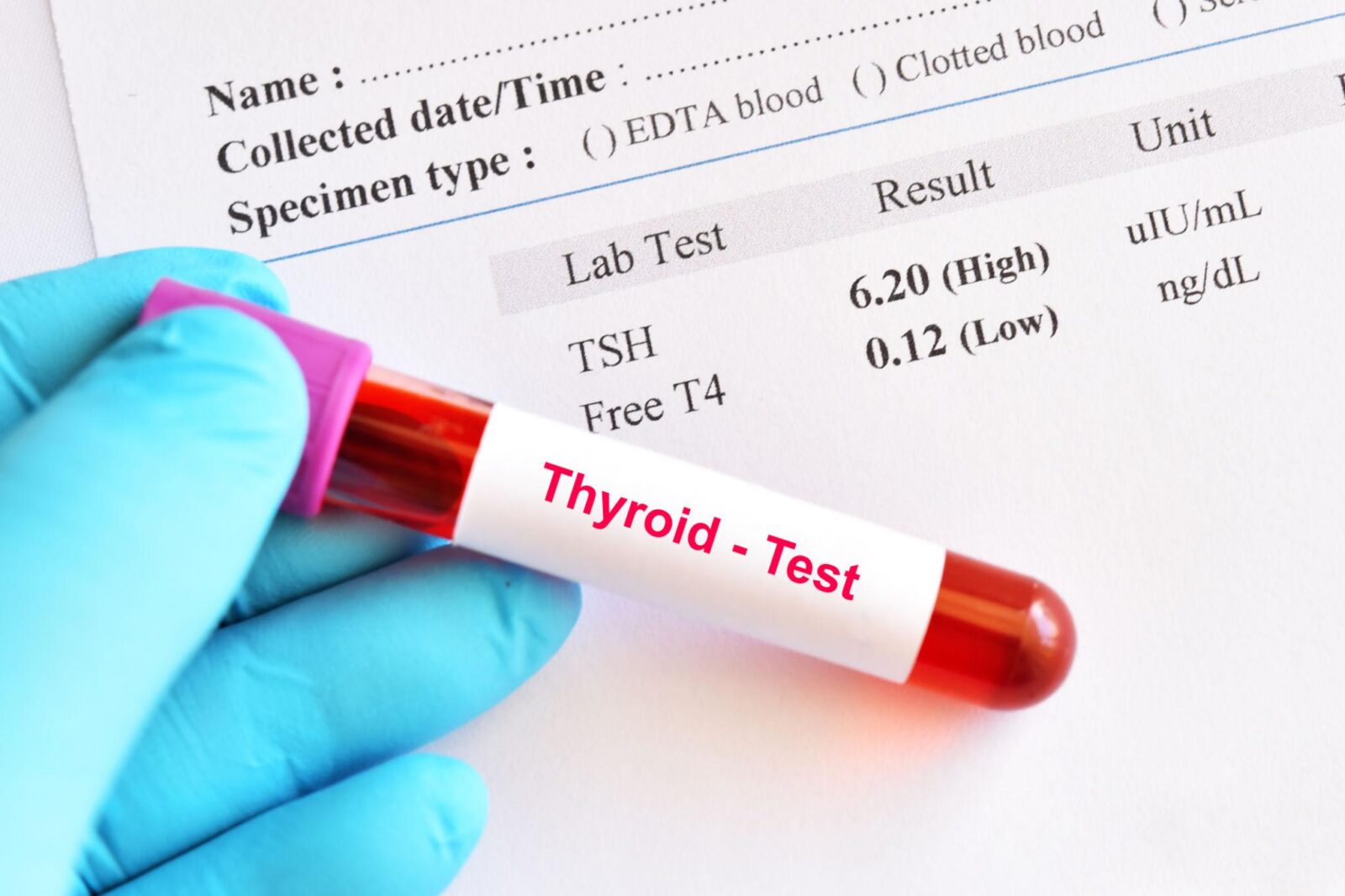
Diagnosis is based on age, symptoms, and menstrual history. Blood tests measuring FSH and estradiol can support the diagnosis but are not definitive. Functional medicine may include hormone panels and lifestyle assessments to optimize care.
6. Can I still get pregnant during perimenopause?
Yes, ovulation can occur sporadically during perimenopause. Women who do not want pregnancy should continue contraception until menopause is confirmed by 12 consecutive months without a period.
7. What is the difference between perimenopause and menopause?
Perimenopause is the transition phase before menopause, marked by hormonal changes and symptoms. Menopause is defined as 12 consecutive months without periods, signaling the end of reproductive years.
8. What causes perimenopause?
Perimenopause is caused by decreased ovarian function, resulting in fluctuating estrogen and progesterone. These hormonal changes trigger the various physical and emotional symptoms.
9. Are hot flashes common during perimenopause?
Yes, hot flashes affect roughly 75% of perimenopausal women. They involve sudden heat, sweating, and flushing, often influenced by hormonal shifts.
10. How can I manage night sweats?
Lifestyle strategies include keeping a cool bedroom, wearing breathable fabrics, avoiding caffeine/spicy foods, and practicing relaxation techniques. In some cases, hormone therapy or non-hormonal medications may be recommended (Mayo Clinic).
11. Is weight gain associated with perimenopause?
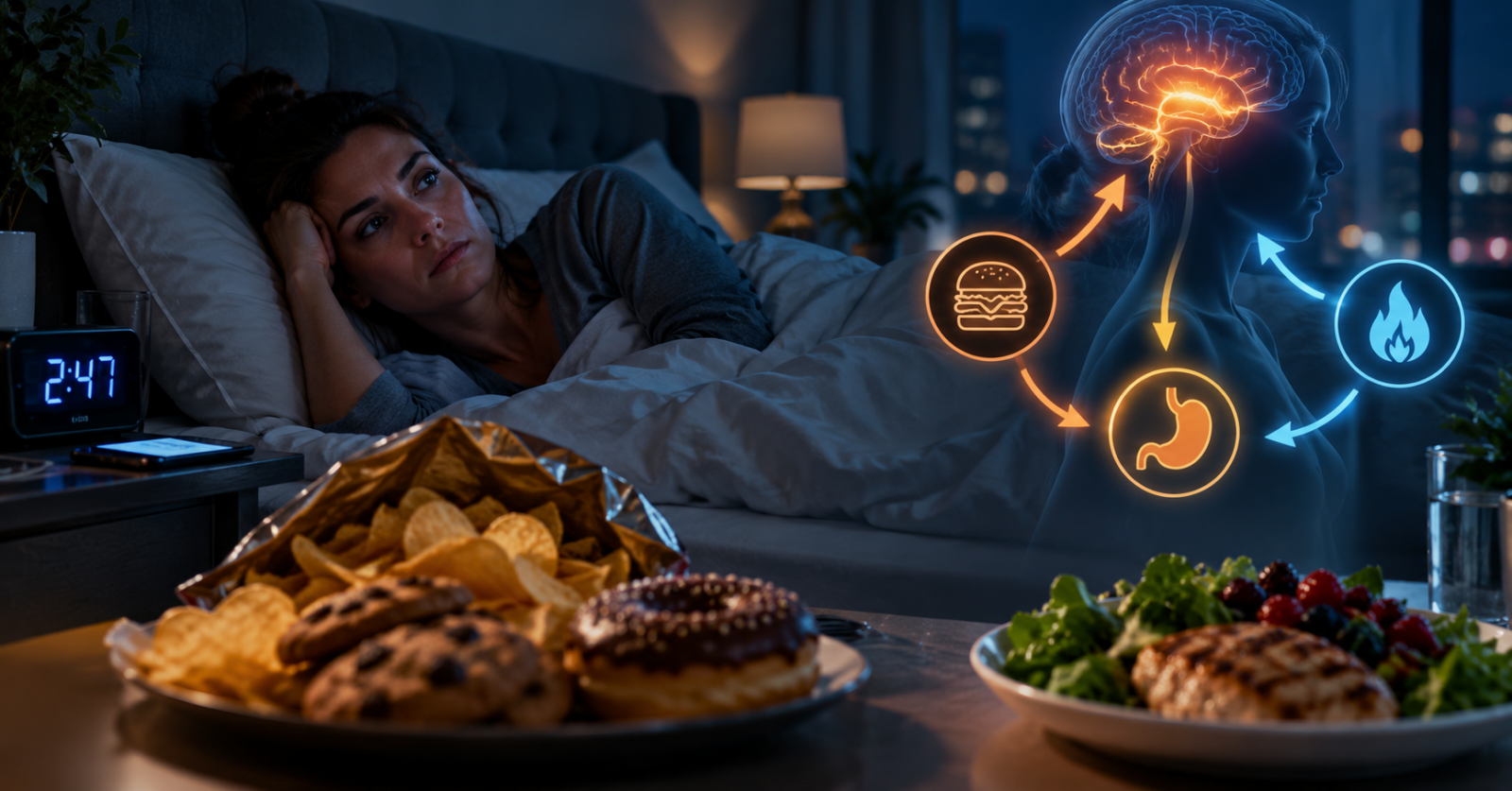
Yes, weight gain is common during perimenopause due to declining estrogen, which slows metabolism and promotes fat storage around the abdomen. Lifestyle factors like reduced activity, stress, and poor sleep can exacerbate weight gain. Resistance training and balanced nutrition can help manage body composition (Cleveland Clinic).
12. How does perimenopause affect sleep?
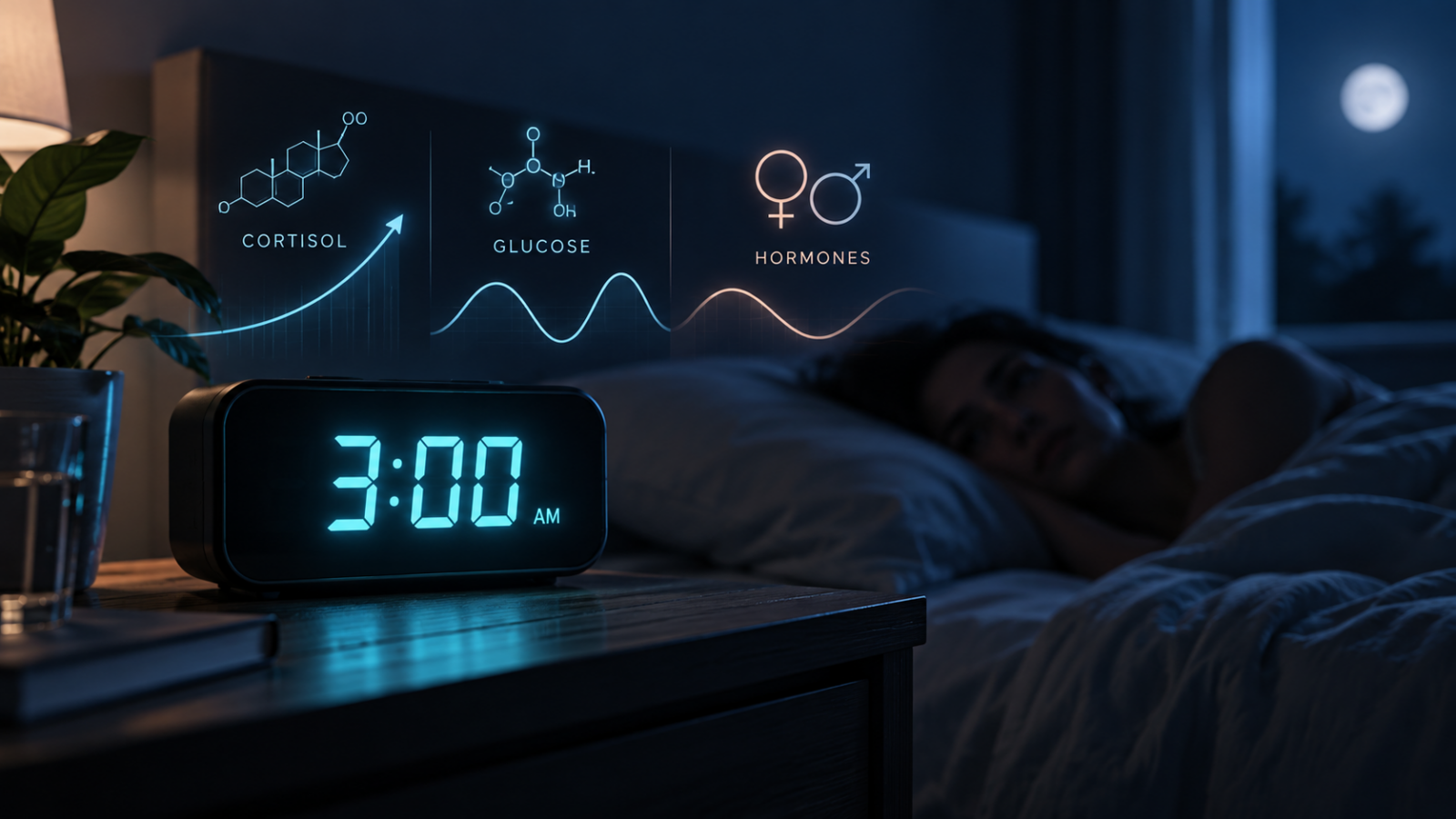
Hormonal fluctuations, particularly low estrogen and progesterone, can disrupt sleep, leading to insomnia and night sweats. Strategies like a consistent sleep schedule, cooling the bedroom, and mindfulness can improve sleep quality. Some women may benefit from cognitive behavioral therapy for insomnia (CBT-I).
13. What are mood swings during perimenopause?
Mood swings are caused by changing estrogen and progesterone levels affecting neurotransmitters such as serotonin and dopamine. Women may experience irritability, anxiety, or sadness. Lifestyle approaches including exercise, meditation, and nutrition rich in omega-3s can stabilize mood.
14. Can perimenopause cause anxiety?
Yes, anxiety is common due to hormone fluctuations. Symptoms may include restlessness, worry, and sleep disturbances. Functional medicine focuses on balancing hormones, supporting adrenal function, and incorporating stress-reducing practices to mitigate anxiety.
15. Is depression common during perimenopause?
Depression can emerge or worsen during perimenopause. Hormonal shifts, sleep disruption, and life stressors all contribute. Evidence-based approaches include hormone optimization, nutrition, exercise, counseling, and in some cases, medication.
16. What is brain fog in perimenopause?
Brain fog includes forgetfulness, difficulty concentrating, and mental fatigue. These cognitive changes are linked to declining estrogen. Supporting brain health through adequate sleep, exercise, omega-3 fatty acids, and stress management is beneficial.
17. Can perimenopause cause headaches?
Fluctuating hormones can trigger headaches or migraines. Keeping a symptom diary, maintaining hydration, reducing caffeine/alcohol, and considering magnesium or riboflavin supplementation can help manage symptoms.
18. What is vaginal dryness during perimenopause?
Declining estrogen causes thinning and drying of vaginal tissue. Water-based lubricants, vaginal moisturizers, and local estrogen therapy can alleviate discomfort and maintain sexual health.
19. How does perimenopause affect libido?
Decreased estrogen and progesterone, along with vaginal dryness and mood changes, can reduce sexual desire. Addressing hormone balance, managing stress, and using lubricants or local estrogen therapy can improve libido.
20. Can perimenopause cause joint pain?
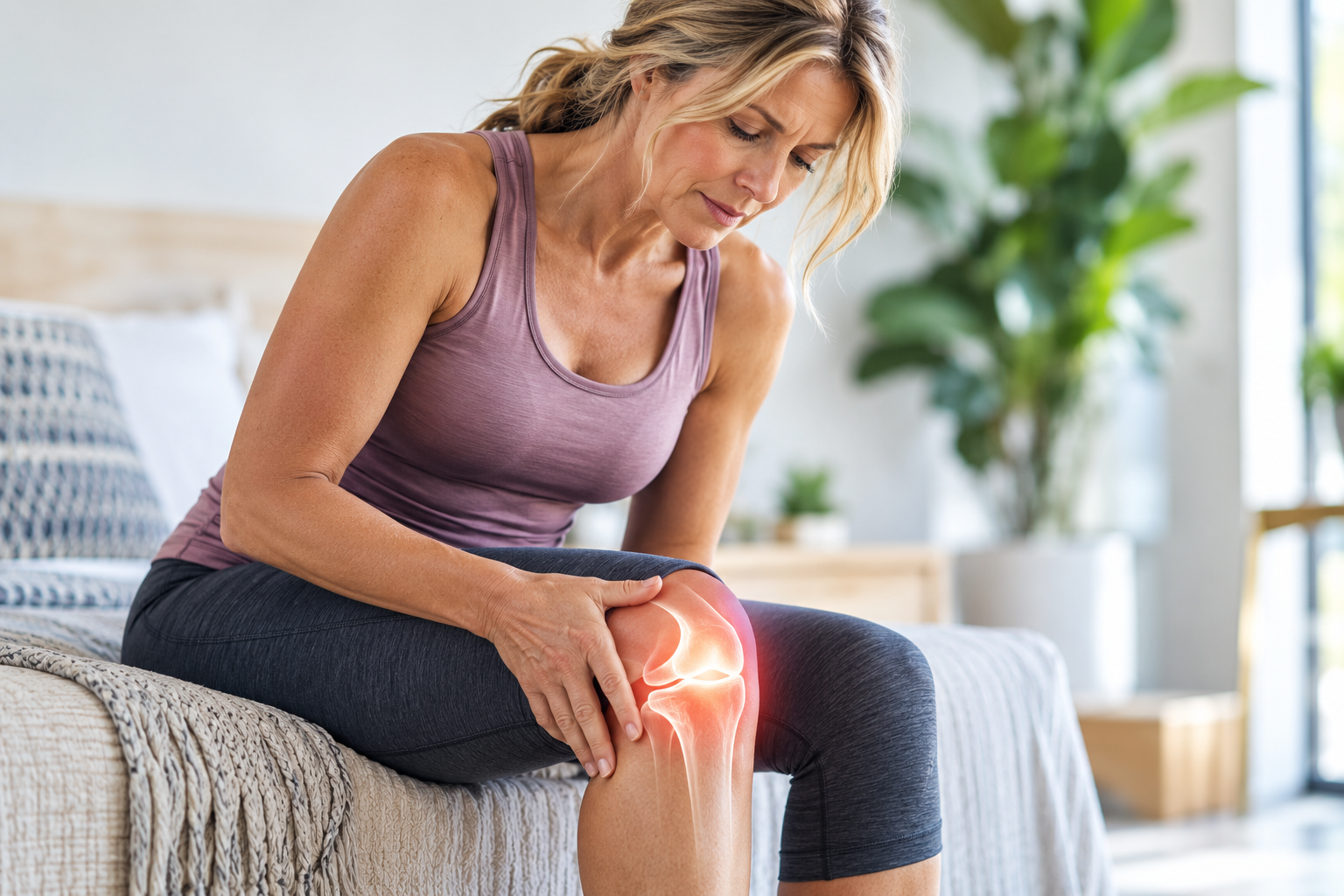
Joint pain is common due to hormonal effects on connective tissue and inflammation. Weight-bearing exercise, strength training, omega-3 supplementation, and anti-inflammatory diets can reduce discomfort.
21. What are the early signs of perimenopause?
Early signs include irregular periods, hot flashes, night sweats, mood changes, and sleep disruption. Tracking cycles and symptoms can help women anticipate and manage perimenopause effectively.
22. How can I track my symptoms?
Using a journal, app, or calendar to log menstrual cycles, mood, sleep, and hot flashes can identify patterns and assist healthcare providers in tailoring treatment.
23. What lifestyle changes can help manage symptoms?
Regular exercise, balanced nutrition, stress management, and adequate sleep can reduce perimenopause symptoms. Reducing caffeine, alcohol, and processed foods is also beneficial.
24. Are there natural remedies for perimenopause symptoms?
Herbs like black cohosh, red clover, and phytoestrogens may help mild symptoms. Acupuncture and mindfulness practices can also provide relief. Always consult a provider before starting supplements.
25. Is hormone therapy recommended during perimenopause?
Hormone therapy can relieve hot flashes, night sweats, and vaginal dryness. The decision should be individualized, considering health history and symptom severity.
26. What non-hormonal treatments are available?
Non-hormonal options include SSRIs, SNRIs, gabapentin, clonidine, and lifestyle interventions for managing hot flashes, mood swings, and sleep disturbances.
27. Can antidepressants help with perimenopause symptoms?
Certain antidepressants can reduce hot flashes and improve mood. They are often used when hormone therapy is contraindicated or not preferred.
28. What is the role of phytoestrogens?
Phytoestrogens are plant-based compounds that mimic estrogen and may reduce hot flashes and improve bone health. Sources include soy, flaxseed, and legumes.
29. How does perimenopause affect bone health?
Declining estrogen accelerates bone loss, increasing the risk of osteoporosis. Weight-bearing exercise, calcium, vitamin D, and hormone therapy help maintain bone density.
30. Should I take calcium and vitamin D supplements?
Supplements can help prevent osteoporosis. Calcium (1,200 mg/day) and vitamin D (600–800 IU/day) are recommended, alongside dietary sources.
31. How can I improve my sleep during perimenopause?
Sleep hygiene, regular exercise, stress reduction, and temperature regulation in the bedroom are key strategies. In some cases, melatonin or CBT-I may be helpful.
32. Is it normal to have irregular periods during perimenopause?
Yes, cycles often become unpredictable due to fluctuating hormones. Some women experience skipped cycles, heavier or lighter bleeding.
33. What is the average age of menopause?
The average age is 51, but normal onset ranges from 45–55. Early menopause (<40) is less common but can impact fertility and bone health.
34. Can perimenopause cause urinary issues?
Urinary frequency, urgency, or incontinence may occur due to lower estrogen affecting urinary tract tissues. Pelvic floor exercises are recommended.
35. How does perimenopause affect skin health?
Declining estrogen leads to reduced collagen, elasticity, and hydration, contributing to dryness and wrinkles. Topical moisturizers and skincare routines help maintain skin health.
36. Is hair thinning common during perimenopause?
Yes, estrogen decline and androgen dominance can cause hair thinning or shedding. Nutrient support and stress reduction may improve hair density.
37. Can perimenopause cause digestive issues?
Changes in estrogen can impact gut motility and microbiome balance, leading to bloating, constipation, or IBS-like symptoms. Fiber-rich diets and probiotics may help.
38. What is the impact of perimenopause on cardiovascular health?
Lower estrogen increases risk for high blood pressure, cholesterol changes, and heart disease. Exercise, diet, and monitoring lipid profiles are essential preventive strategies.
39. Should I continue using contraception during perimenopause?
Yes, until menopause is confirmed by 12 months without periods. Ovulation may still occur, so contraception is necessary if pregnancy is not desired.
40. How can I manage stress during perimenopause?
Stress worsens symptoms. Mindfulness, yoga, meditation, deep breathing, and exercise help regulate cortisol and support hormone balance.
41. Is it safe to exercise during perimenopause?
Yes, regular exercise reduces hot flashes, improves mood, preserves muscle and bone, and supports heart health. A combination of resistance training and aerobic activity is ideal.
42. What are the risks of early menopause?
Early menopause (<40) increases risks for osteoporosis, cardiovascular disease, and cognitive decline. Hormone replacement therapy may be recommended to mitigate risks.
43. Can perimenopause affect relationships?
Yes, symptoms like mood swings, fatigue, and reduced libido can impact intimacy and social interactions. Open communication and professional support help.
44. What support resources are available?
Support groups, online forums, educational workshops, and functional medicine clinics provide guidance, emotional support, and symptom management strategies.
45. How do cultural perceptions influence perimenopause experiences?
Cultural attitudes toward aging and menopause affect symptom reporting and management. Awareness campaigns help normalize the conversation and encourage care-seeking.
46. What are the challenges of perimenopause in the workplace?
Symptoms like hot flashes, fatigue, and cognitive changes can affect productivity. Workplace education and accommodations are emerging strategies for support.
47. How can I talk to my doctor about perimenopause?
Prepare symptom logs, ask about hormone testing, and discuss treatment options. Clear communication ensures personalized and evidence-based care.
48. What are the latest research findings on perimenopause?
Recent studies focus on hormone therapy safety, the gut-hormone connection, and personalized interventions for mood, sleep, and metabolic health.
49. Are there support groups for perimenopause?
Yes, both online and local groups exist for sharing experiences, education, and emotional support. Examples include Menopause Chicks, Red Hot Mamas, and Facebook communities.
50. How can I advocate for better perimenopause care?
Educate yourself, communicate needs to healthcare providers, support awareness campaigns, and encourage workplace policies that accommodate midlife women.
Book a free consult with 1st Optimal to discuss personalized perimenopause management.
Explore our hormone testing panels to optimize midlife health.