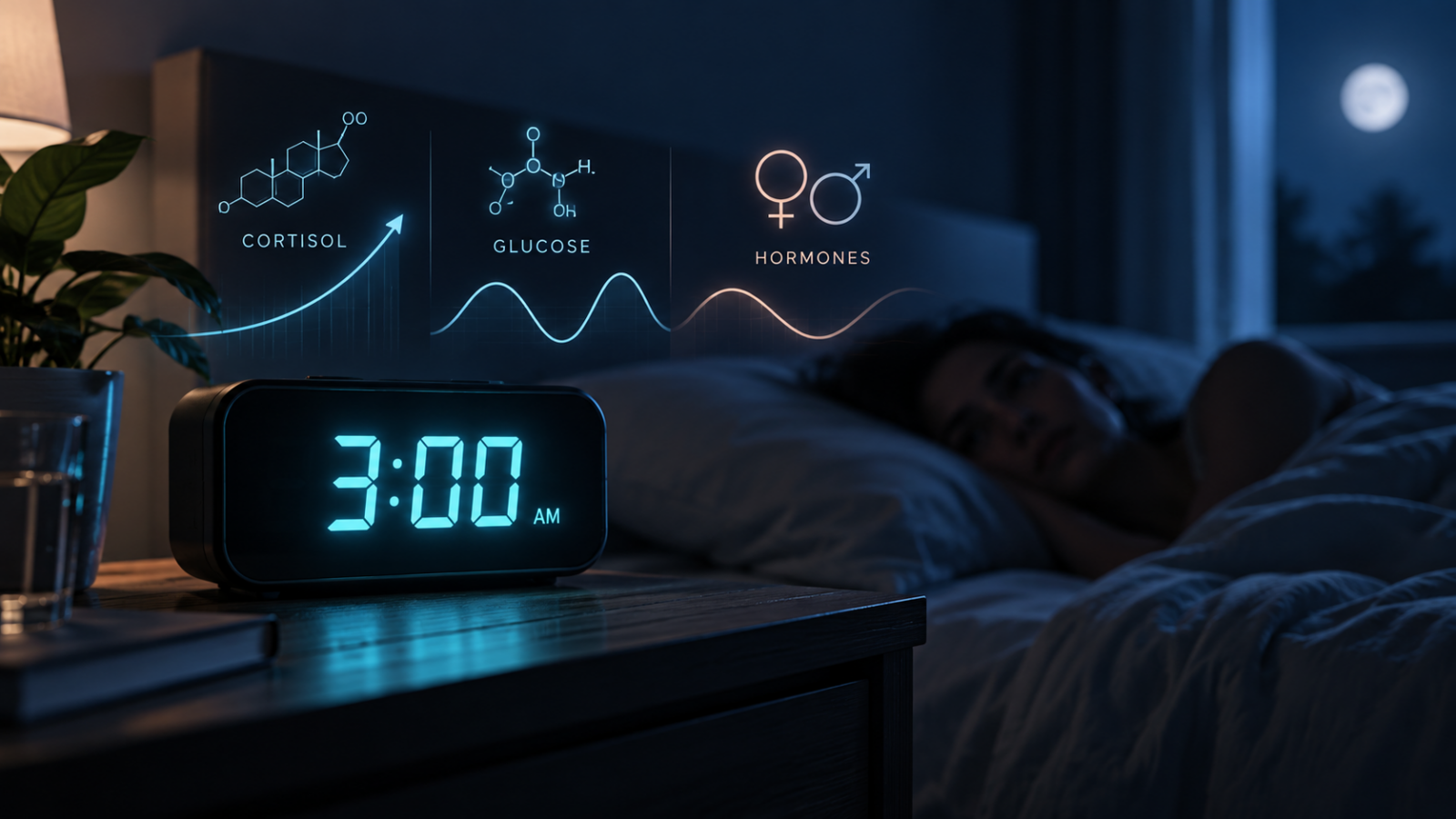


You’ve built a career on being sharp and resilient, but lately, something feels off. You’re in bed for eight hours yet wake up exhausted. Your energy is gone by midday, and that mental clarity you rely on feels like a distant memory. If this sounds familiar, you’re not just tired—you’re likely dealing with perimenopause insomnia. This isn’t a personal failing or a sign you can’t handle the pressure. It’s a physiological response to the significant hormonal shifts in your body. Understanding what’s driving these sleepless nights is the first step toward reclaiming the restorative rest you need.
Key Takeaways
- It’s Hormonal, Not Just Stress: The frustrating sleep disruptions you’re experiencing—from night sweats to a racing mind—are directly tied to the hormonal shifts of perimenopause. Understanding this connection is key to addressing the problem at its source instead of just managing symptoms.
- Build a Powerful Foundation with a Nightly Routine: You can actively improve sleep quality by creating a consistent evening routine. Focus on actionable habits like setting a cool bedroom temperature, limiting screen time before bed, and practicing simple relaxation techniques to signal to your body that it’s time to rest.
- Get a Personalized, Data-Driven Plan: When lifestyle changes aren’t enough, work with a provider who uses comprehensive testing to understand your unique hormonal profile. This allows for a targeted strategy—which may include hormone therapy or CBT-I—to restore your sleep for good.
Why Is Perimenopause Wrecking Your Sleep?
If you’ve gone from being a solid sleeper to someone who tosses and turns all night, you’re not just imagining it. For many women in their late 30s and 40s, this frustrating shift is one of the first signs of perimenopause. The hormonal changes during this transition can directly interfere with your ability to get deep, restorative rest. Understanding what’s happening in your body is the first step toward reclaiming your nights and feeling like yourself again.
So, What Exactly Is Perimenopause?
Think of perimenopause as the runway to menopause. It’s the transitional period, often starting in your late 30s or 40s, where your body begins to wind down reproductive functions. This isn’t an overnight switch; it’s a gradual process that can last for several years. During this time, your ovaries produce hormones like estrogen and progesterone less consistently, leading to the irregular cycles and frustrating symptoms you might be noticing. While it’s a natural phase, the hormonal fluctuations can feel anything but, especially when they disrupt something as fundamental as sleep.
Defining the Menopause Transition
At its core, perimenopause is the lead-up to menopause. It’s the phase when your ovaries gradually begin to produce less estrogen and progesterone. These aren’t just reproductive hormones; they play a huge role in regulating your mood, energy, and, most importantly, your sleep-wake cycle. The frustrating symptoms you might be experiencing—like hot flashes, night sweats, and a racing mind at 3 a.m.—are direct results of these hormonal fluctuations. It’s not a sign that you’re suddenly failing at sleep; it’s a physiological shift that requires a new approach to feel your best.
How Long Does Perimenopause Last?
This is one of the most common questions, and the answer is highly individual. While perimenopause lasts about five years on average, the timeline can vary dramatically from person to person. For some, the transition might be as short as six months, while for others, it can extend for a decade or more. The process officially ends once you’ve gone 12 consecutive months without a menstrual period—at which point you’ve reached menopause. Understanding this variability is key, as it helps set realistic expectations for managing your symptoms and finding a sustainable path forward.
Your Hormones vs. Your Sleep Cycle
Your hormones are key players in regulating your sleep-wake cycle. Estrogen helps you stay asleep and keeps your body temperature stable, while progesterone has a natural calming effect that helps you wind down. During perimenopause, the levels of these crucial hormones become erratic and begin to decline. This hormonal rollercoaster is why you might find yourself wide awake at 3 a.m. or struggling to feel sleepy at all. Without their steadying influence, your internal sleep architecture can become unstable, making quality rest feel out of reach.
Why You Feel Tired Even After Sleeping
It’s not just about feeling tired; the quality of your sleep takes a major hit during perimenopause. In fact, studies show that up to 47% of women in this phase experience sleep problems. The most well-known culprits are hot flashes and night sweats, which can jolt you awake multiple times a night. But the same hormonal shifts can also contribute to anxiety or a racing mind, making it impossible to relax. This creates a frustrating cycle: poor sleep worsens your mood, and a low mood makes it even harder to sleep. This is why addressing sleep disturbances is critical for your overall health and daily performance.
How Common Is Insomnia During Perimenopause?
If you feel like you’re the only one in your circle staring at the ceiling at 2 a.m., I can assure you, you’re not. For women who are used to operating at a high level, this sudden loss of control over something as fundamental as sleep can be incredibly disorienting. It’s easy to blame stress or a demanding schedule, but the truth is often more biological. This isn’t a sign of weakness or an inability to cope; it’s a widespread physiological event. The data shows that sleep disruption is one of the most common complaints during the menopausal transition, affecting millions of women who are at the peak of their careers and personal lives.
Understanding the Statistics
Let’s look at the numbers, because they paint a clear picture. Research shows that anywhere from 16% to 47% of women in perimenopause report significant sleep problems. In fact, women in this stage of life are twice as likely to struggle with sleep compared to those who aren’t in the menopausal transition. This isn’t a small uptick; it’s a dramatic shift that confirms what you’re feeling is real and shared by many. It highlights that the hormonal fluctuations are powerful enough to disrupt even the most disciplined sleep habits, turning what was once a reliable source of restoration into a nightly challenge.
The issue goes deeper than just difficulty falling asleep. According to the Sleep Foundation, about half of perimenopausal women experience insomnia, which is often made worse by physical symptoms like night sweats or the mental load of a racing mind. This can create a vicious cycle where poor sleep impacts your mood and cognitive function, and the resulting anxiety makes it even harder to rest the next night. Understanding that these symptoms are interconnected is the first step. It’s not just about “trying harder” to sleep; it’s about addressing the underlying hormonal imbalances that are throwing your entire system off track.
Is It Perimenopause? Common Sleep Problems to Look For
If you’ve started noticing that a full night’s rest feels more like a distant memory than a regular occurrence, you’re not alone. The hormonal shifts during perimenopause can quietly disrupt your sleep architecture, often before you even connect the dots. You might blame stress or a busy schedule, but these changes are frequently the first signs that your body is entering a new phase. Recognizing these patterns is the first step toward finding a solution and reclaiming your energy. From trouble drifting off to waking up in a sweat, let’s look at the key signs that perimenopause might be the reason you’re so tired.
Struggling to Drift Off?
Do you find yourself lying in bed, mind racing, unable to switch off? This frustrating experience, known as insomnia, is one of the most common complaints during perimenopause. As your hormones fluctuate, particularly estrogen and progesterone, it can throw off your body’s natural sleep-wake cycle. Progesterone has a sleep-promoting effect, so when its levels dip, it can become much harder to drift off peacefully. Instead of relaxing, you might find yourself replaying your day or worrying about tomorrow’s to-do list. This isn’t just a matter of stress; it’s a physiological response to the hormonal changes that disrupt sleep patterns during this transition.
Waking Up and Can’t Get Back to Sleep?
Even if you manage to fall asleep, staying asleep can be another challenge entirely. Waking up at 3 a.m. and finding it impossible to get back to sleep is a classic perimenopausal symptom. These nighttime awakenings can be caused by a number of factors, including hot flashes, night sweats, or even joint pain that makes it difficult to stay comfortable. Interestingly, research from Johns Hopkins Medicine suggests that many women wake up just before a hot flash begins, indicating that changes in the brain’s temperature regulation are at play. This can leave you feeling exhausted and unrefreshed, even if you were in bed for eight hours.
The Infamous Hot Flashes and Night Sweats
Hot flashes and night sweats are perhaps the most well-known symptoms of perimenopause, and they are notorious for wrecking a good night’s sleep. A night sweat is essentially a hot flash that happens while you’re sleeping, causing a sudden and intense feeling of heat that can leave you drenched and needing to change your sheets. These episodes can easily pull you out of a deep sleep, and the subsequent chill can make it hard to get comfortable again. According to the Sleep Foundation, these sudden temperature surges are a primary cause of sleep disruption for women during this phase, making it difficult to get the restorative rest you need to perform at your best.
When Mood Swings Keep You Awake
The connection between mood and sleep is a two-way street, and during perimenopause, it can feel like a traffic jam. The same hormonal shifts that disrupt your sleep can also contribute to feelings of anxiety, irritability, or depression. When you’re not sleeping well, your emotional resilience takes a hit, making you more susceptible to mood swings. In turn, a racing mind fueled by anxiety or a low mood can make it nearly impossible to fall asleep. This creates a frustrating cycle where poor sleep worsens your mood, and your mood prevents you from getting the sleep you desperately need to feel better.
The Main Culprits Behind Perimenopause Insomnia
If you’re lying awake at night wondering why your once-reliable sleep has suddenly disappeared, you’re not alone. The sleep disruptions that come with perimenopause aren’t just in your head—they’re driven by a combination of powerful biological and physiological shifts. Understanding these triggers is the first step toward finding a solution that works for you. It’s rarely just one thing, but rather a perfect storm of hormonal changes, heightened stress, physical symptoms, and the natural evolution of your sleep patterns. For high-performing women used to being in control, this sudden loss of restorative rest can be especially frustrating, impacting everything from cognitive function and mood to physical recovery. The constant fatigue can make it feel impossible to show up as the leader, partner, or parent you want to be. The good news is that these changes are well-understood. By pinpointing the root causes—from the hormonal cascade happening inside your body to the way your mind processes stress—you can begin to build a targeted strategy to reclaim your nights. Let’s break down exactly what’s going on behind the scenes so you can take back control.
Unpacking the Hormonal Changes
The primary driver behind perimenopausal sleep issues is the fluctuation of your key female hormones: estrogen and progesterone. Think of progesterone as your body’s natural calming agent; it has a sleep-inducing effect that helps you unwind and rest deeply. As your ovarian function declines during perimenopause, progesterone levels drop, making it much harder to fall and stay asleep. At the same time, declining estrogen can disrupt your body’s ability to regulate temperature, leading to the infamous night sweats. These changing hormone levels are at the core of many perimenopausal symptoms, with sleep problems being one of the most common complaints.
The Role of Estrogen, Progesterone, and FSH
The hormonal trio of estrogen, progesterone, and follicle-stimulating hormone (FSH) works like a finely tuned orchestra to regulate your cycle. During perimenopause, this orchestra falls out of sync, and your sleep pays the price. Estrogen is critical for maintaining deep sleep and keeping your internal thermostat stable. As its levels drop, your body struggles to regulate temperature, triggering the infamous night sweats and hot flashes that can jolt you awake. These sudden temperature surges are a primary reason why so many women experience fragmented sleep during this transition.
At the same time, progesterone—your body’s natural calming agent—is also on the decline. This hormone has a sleep-promoting effect that helps quiet your mind and allows you to drift off easily. Without enough of it, you’re left with a racing mind and a sense of anxiety that makes relaxation feel impossible. This isn’t just a matter of being stressed; it’s a direct physiological response to losing the hormone that helps you unwind. Understanding this connection is the first step toward building a strategy for better sleep that addresses the root cause.
Finally, there’s follicle-stimulating hormone (FSH). As your ovaries produce less estrogen, your brain tries to compensate by sending out more FSH to stimulate them. Rising FSH levels are a key indicator of perimenopause, and this constant hormonal signaling contributes to the overall feeling of imbalance. This interplay between declining estrogen and progesterone and rising FSH creates the perfect storm for insomnia. By understanding exactly how these hormones impact your rest, you can move from simply coping with fatigue to actively solving the problem.
How Stress and Anxiety Fuel Insomnia
The hormonal rollercoaster of perimenopause doesn’t just affect you physically; it has a significant impact on your mood and mental state. The same hormones that regulate your cycle also influence neurotransmitters in your brain, like serotonin and dopamine. As they fluctuate, you might find yourself feeling more on edge, anxious, or irritable than usual. For high-performing women already managing demanding careers and personal lives, this can feel like adding fuel to the fire. This increase in anxiety and depressive symptoms can make it incredibly difficult to quiet your mind at night, leading to a frustrating cycle where poor sleep worsens your mood, and a low mood makes it even harder to sleep.
The “Sandwich Generation” Effect
On top of the internal hormonal shifts, many women in this phase are also juggling immense external pressures. This is often called the “Sandwich Generation” effect—you’re simultaneously managing the demands of your career, raising children, and caring for aging parents. Each of these roles requires significant mental and emotional energy, leaving little room for your own recovery. When you finally get into bed, your mind is still running through a checklist of responsibilities, making it nearly impossible to unwind. This constant state of high alert, combined with the anxiety-inducing effects of hormonal fluctuations, creates a perfect storm for insomnia. Your body is already predisposed to sleep disturbances, and the added life stress makes it that much harder to find the off-switch.
When Physical Discomfort Keeps You Up
It’s tough to get restorative sleep when your body keeps waking you up. For many women, the most disruptive physical symptoms are hot flashes and night sweats, also known as vasomotor symptoms. These sudden, intense waves of heat can leave you drenched in sweat, forcing you to throw off the covers and disrupt your sleep cycle. Even if a hot flash doesn’t fully wake you, it can pull you out of deep, restorative sleep and into a lighter stage, leaving you feeling unrefreshed in the morning. Many women find that they awake when they have hot flashes, making it one of the most significant barriers to a good night’s rest during this transition.
Your Body’s Shifting Sleep Needs
On top of the hormonal shifts, your body’s natural sleep patterns also change as you get older. Your internal body clock, or circadian rhythm, can become less stable, and your body may produce less melatonin—the hormone that signals it’s time to sleep. These age-related changes happen to everyone, but they often become more noticeable during perimenopause when they are compounded by hormonal fluctuations. This means you’re dealing with both the natural aging process and the specific challenges of the menopausal transition. These factors combined can fundamentally alter your sleep architecture, making it harder to achieve the deep, uninterrupted rest you need to perform at your best.
Ruling Out Other Potential Causes
While the timing might point straight to perimenopause, it’s smart to make sure nothing else is contributing to your sleepless nights. New sleep disturbances can sometimes be a sign of other underlying health issues, such as thyroid imbalances or even side effects from a new medication. Before you attribute everything to hormonal shifts, it’s important to get a clear picture of what’s really going on. A comprehensive evaluation can help you rule out other conditions and confirm that perimenopause is the primary driver. This data-driven approach ensures you’re not just treating symptoms but addressing the root cause, which is the fastest path back to restorative sleep and peak performance.
Finding Medical Solutions for Better Sleep
When lifestyle adjustments aren’t enough to get you the deep, restorative sleep you need, it’s time to explore medical support. The goal isn’t to find a quick fix but to address the root cause of your sleep disruptions. Working with a healthcare provider can help you identify a personalized strategy that restores your body’s natural rhythm and gives you back your nights. From hormone therapy to targeted behavioral techniques, there are powerful, evidence-based options available that can make a significant difference. This approach allows you to move beyond simply managing symptoms and start building a foundation for consistently better sleep.
Is Hormone Replacement Therapy (HRT) Right for You?
Since hormonal fluctuations are often the primary driver of perimenopause sleep issues, addressing them directly can be incredibly effective. Hormone therapy is a treatment designed to replenish the estrogen and progesterone your body is no longer producing consistently. By stabilizing your hormone levels, it can significantly reduce symptoms like hot flashes, night sweats, and mood swings that frequently interrupt sleep. Menopausal hormone therapy (often called HRT) can be a game-changer for sleep quality, but it’s essential to have a thorough conversation with your doctor to weigh the personal benefits and risks and determine the right approach for you.
The Benefits of Micronized Progesterone
When it comes to hormone therapy, micronized progesterone is often a key player for women struggling with perimenopause-related insomnia. Unlike synthetic progestins, it’s bioidentical—meaning it’s structurally the same as the progesterone your body makes. This is important because progesterone has a natural calming effect that helps you wind down. As your own levels become erratic and decline during perimenopause, you lose that steadying influence—which is why you might find yourself wide awake at 3 a.m. Taking micronized progesterone before bed can help restore that calming signal, making it easier to fall asleep and stay asleep. It’s a targeted solution that directly addresses one of the root hormonal causes of insomnia, helping you reclaim your nights.
Should You Consider Sleep Aids?
While lifestyle changes are the foundation of good sleep hygiene, sometimes they don’t provide enough relief on their own. If you’re struggling with persistent insomnia, your doctor might suggest sleep medication as a short-term solution to help break the cycle of sleeplessness. This isn’t meant to be a long-term fix but rather a tool to help you get immediate rest while you and your provider work on addressing the underlying issues, like hormonal imbalances. Think of it as a bridge to help you function while your comprehensive treatment plan takes effect.
Non-Hormonal Medications
If hormone therapy isn’t the right path for you, there are other effective medical options to consider. Certain non-hormonal medications, like low-dose antidepressants (SSRIs/SNRIs) or gabapentin, can be prescribed to manage disruptive symptoms like hot flashes and night sweats. But beyond medication, one of the most powerful, evidence-based treatments is Cognitive Behavioral Therapy for Insomnia (CBT-I). This structured program helps you reframe the thoughts and behaviors that are sabotaging your sleep. Instead of just masking the problem, it gives you the tools to build a healthy, sustainable sleep pattern. In fact, studies show it can be more effective than some sleep medications, making it an excellent first-line strategy for reclaiming your nights.
Supplements and Alternative Therapies
For those interested in a more integrative approach, certain supplements and alternative therapies can be a valuable part of a comprehensive strategy. Melatonin, a hormone your body naturally produces to regulate your sleep-wake cycle, can be a helpful supplement, particularly prolonged-release formulas that support staying asleep. However, it’s not a one-size-fits-all solution and works best when addressing specific issues with your body’s internal clock. Other therapies like acupuncture may also provide relief from perimenopausal symptoms for some women. The key is to work with a provider who can help you determine which options are right for your unique physiology, ensuring any supplements or therapies you choose are both safe and effective for your needs.
Retrain Your Brain for Better Sleep with CBT-I
Cognitive Behavioral Therapy for Insomnia, or CBT-I, is a highly effective, drug-free approach to treating sleep problems. It’s a structured program that helps you identify and replace the thoughts and behaviors that are interfering with your sleep. Instead of just managing symptoms, CBT-I gives you a toolkit of long-term skills to reframe your relationship with sleep. You’ll learn techniques to calm a racing mind, establish a healthy sleep-wake cycle, and create a better sleep environment. Because insomnia can come and go, these are sustainable tools you can use whenever you need them.
Key Principles of CBT-I
CBT-I operates on a simple but powerful premise: to fix your sleep, you need to address both your mindset and your habits. The “cognitive” component helps you identify and reframe the anxious thoughts that fuel insomnia, like the dread you feel about bedtime or the frustration of waking up at 3 a.m. It’s about breaking the cycle of sleep-related anxiety. The “behavioral” side focuses on action. This includes techniques like stimulus control, which re-establishes your bed as a place for rest, and sleep restriction, which temporarily limits your time in bed to build a stronger natural sleep drive. Together, these principles provide a set of sustainable, practical skills to manage your sleep for the long haul, giving you a reliable toolkit you can turn to anytime.
When to Talk to Your Doctor
If poor sleep is becoming your new normal, please don’t just try to power through it. Persistent insomnia is a medical issue that deserves professional attention. A knowledgeable doctor can help you pinpoint the exact cause of your sleep problems, whether it’s hormonal shifts, stress, or another underlying condition. They can order comprehensive lab tests to get a clear picture of what’s happening inside your body and recommend a personalized plan. If you think you have insomnia, it’s a good idea to talk to your doctor about seeing a sleep specialist or a provider who specializes in hormonal health and sleep medicine.
Could It Be a Related Sleep Disorder?
Sometimes, even when you’ve addressed the hormonal side of things, sleep remains elusive. If you’re still struggling despite making lifestyle changes or starting hormone therapy, it’s possible that perimenopause is unmasking or worsening an underlying sleep disorder. These conditions can have symptoms that overlap with common perimenopausal complaints, making them easy to overlook. But ignoring them means you’re missing a key piece of the puzzle. Getting a clear diagnosis is essential because these disorders require their own specific treatment plans. Recognizing the signs can help you have a more productive conversation with your doctor and get the targeted support you need to finally achieve restorative rest.
The Link to Sleep Apnea
Sleep apnea is a condition where your breathing repeatedly stops and starts while you sleep, which can severely disrupt your rest and impact your health. After menopause, women are two to three times more likely to develop it, largely due to hormonal shifts. The decline in estrogen and progesterone can affect the muscles in your upper airway, making it more likely to collapse during sleep. According to Johns Hopkins Medicine, symptoms in women can be subtle—less about loud snoring and more about fatigue, morning headaches, and mood changes. If you consistently wake up feeling exhausted, it’s worth considering if sleep apnea could be the culprit.
Restless Legs Syndrome (RLS) and Perimenopause
If you feel an overwhelming, uncomfortable urge to move your legs, especially in the evening when you’re trying to relax, you might be experiencing Restless Legs Syndrome (RLS). This neurological condition can make falling asleep feel impossible. While the exact connection is still being studied, RLS often becomes more common or severe during perimenopause. One study found that a significant number of women with sleep issues in this phase also had RLS, obstructive sleep apnea, or both. The sensations can be hard to describe—sometimes creepy, crawly, or achy—but the result is the same: a major disruption to your ability to wind down and get the sleep you need.
Natural Strategies to Get Your Sleep Back on Track
While medical support can be a game-changer, building a solid foundation of healthy habits is one of the most powerful ways to manage sleep disturbances during perimenopause. Think of these strategies not as quick fixes, but as long-term investments in your well-being. By making intentional adjustments to your daily routines, you can directly address some of the root causes of poor sleep, from hormonal fluctuations to heightened stress.
The goal is to create an internal and external environment that signals to your body that it’s time for restorative rest. This involves everything from how you move and eat to how you manage your thoughts and design your bedroom. These natural approaches put you in the driver’s seat, empowering you to reclaim your nights. While some people find relief with lifestyle changes alone, others may need professional guidance to see significant improvement. The key is to start with these foundational practices and build from there.
Easy Lifestyle Changes for Deeper Sleep
Small, consistent adjustments to your daily habits can make a huge difference in your sleep quality. Start by establishing a regular sleep schedule—going to bed and waking up around the same time every day, even on weekends. This helps regulate your body’s internal clock. Pay attention to what you consume in the afternoon and evening. Limiting caffeine after 2 p.m. and avoiding alcohol close to bedtime can prevent disruptions. As research from Healthline suggests, eating your last meal a few hours before bed can also help, as it gives your body time to digest. These simple sleep hygiene practices are the bedrock of a good night’s rest.
Finding the Right Movement to Help You Rest
Regular physical activity is a powerful tool for improving sleep. Movement helps regulate your circadian rhythm and can reduce the intensity of hot flashes for some women. More importantly, it’s an excellent way to manage stress. As one expert notes, “Regular physical activity can help reduce cortisol and improve sleep quality.” To get the most benefit, aim for at least 30 minutes of moderate exercise most days of the week. Morning or early afternoon workouts are often best, as exercising too close to bedtime can be overstimulating for some. If you prefer evening movement, stick to calming activities like gentle yoga or stretching to help your body wind down.
Simple Ways to Calm Your Mind Before Bed
If a racing mind is keeping you awake, it’s time to focus on stress management. Perimenopause can amplify feelings of anxiety, making it difficult to switch off at night. Simple mindfulness practices, like meditation or deep breathing exercises, can help calm your nervous system before bed. Journaling is another effective way to get worries out of your head and onto paper. For persistent insomnia, a structured approach called Cognitive Behavioral Therapy for Insomnia (CBT-i) is highly effective. It helps you reframe negative thoughts about sleep and builds long-term skills for managing sleeplessness when it strikes.
Optimize Your Bedroom for Restful Sleep
Your bedroom environment sends powerful cues to your brain about sleep. To create an ideal sleep sanctuary, focus on making it cool, dark, and quiet. Set your thermostat between 60 and 67 degrees Fahrenheit, as a cooler room temperature facilitates sleep. Use blackout curtains or an eye mask to block out all light, which can interfere with melatonin production. Finally, minimize noise with earplugs or a white noise machine to drown out disruptive sounds. As experts emphasize, creating a better sleeping environment is a crucial step in managing menopause-related insomnia. Your bed should be reserved for sleep and intimacy only—no work or scrolling.
How to Eat for Better Sleep
What you eat—and when you eat it—can have a powerful effect on your sleep quality, especially when hormonal shifts are at play. Instead of overhauling your entire diet, think of these as strategic adjustments to support your body’s natural sleep cycle. A few simple changes can help calm your nervous system, balance hormones, and reduce the frustrating symptoms like hot flashes that keep you up at night. By being more intentional with your meals and hydration, you can create the right internal environment for deep, restorative rest.
Add These Sleep-Friendly Foods to Your Diet
Your body needs specific nutrients to produce the hormones and neurotransmitters that signal it’s time for bed. Think of your evening meal or snack as a way to send a clear “wind-down” message. Foods rich in magnesium, calcium, and tryptophan are particularly effective at promoting relaxation and sleep. You can find these in lean proteins like turkey, as well as nuts, seeds, and dairy products. A handful of almonds or a small bowl of Greek yogurt before bed can make a noticeable difference. These foods that promote restful sleep help your body relax, making it easier to drift off and stay asleep.
Why Meal Timing Matters for Sleep
Have you ever tried to sleep after a heavy, late-night dinner? It’s not easy. When your digestive system is working overtime, your body can’t fully relax into a deep sleep. Eating a large meal too close to bedtime can cause indigestion, acid reflux, and general discomfort that keeps you tossing and turning. To avoid this, aim to finish your last big meal at least two to three hours before you plan to go to sleep. This gives your body ample time to digest, so it can focus on rest and repair overnight. Proper meal timing is a simple but effective strategy for preventing unnecessary sleep disruptions.
Foods to Eat (and Avoid) for Hot Flashes
Hot flashes are one of the most common and disruptive symptoms of perimenopause, often striking right when you’re trying to sleep. Fortunately, certain foods can help manage them. Phytoestrogens are plant-based compounds that can gently help balance your hormone levels. You can eat to reduce hot flashes by incorporating foods like soy, flaxseeds, chickpeas, and whole grains into your diet. Adding a tablespoon of ground flaxseed to your smoothie or including tofu in your dinner are easy ways to get more of these beneficial compounds. By stabilizing estrogen levels naturally, you may be able to reduce the frequency and intensity of night sweats.
Hydration Tips That Won’t Wake You Up
Staying hydrated is essential for energy and overall health, but drinking too much water right before bed is a recipe for interrupted sleep. Waking up multiple times to use the bathroom disrupts your sleep cycles and makes it harder to feel rested in the morning. The key is to focus on hydration throughout the day. Drink plenty of water from morning until early evening, then start to taper off your fluid intake a couple of hours before bedtime. This approach ensures your body stays hydrated without forcing you awake overnight. Mastering the right way to hydrate is a small change that delivers big results for uninterrupted sleep.
Why a Low-Glycemic Diet Can Help
You already know that a blood sugar crash can tank your energy and focus in the middle of the workday. The same principle applies at night. High-glycemic foods—like refined carbs, sugary snacks, and white bread—cause a rapid spike in blood sugar, followed by a sharp crash. When this crash happens while you’re sleeping, it can trigger a release of stress hormones like cortisol, jolting you awake. Research from Harvard Health backs this up, showing that women who ate foods with a higher glycemic index were more likely to experience insomnia. By focusing on a low-glycemic diet rich in whole foods, you help keep your blood sugar stable, preventing those disruptive nighttime awakenings.
Smart Bedtime Snack Choices
If you feel hungry before bed, a small, strategic snack can actually help you sleep better. The key is to choose something that supports your body’s natural sleep processes rather than disrupting them. Focus on foods that contain sleep-promoting nutrients like magnesium, calcium, and tryptophan, which are known to promote relaxation and sleep. A handful of almonds provides magnesium, while a small bowl of plain Greek yogurt offers both calcium and tryptophan. Even a few slices of turkey can be a good choice. These options provide the building blocks for sleep without spiking your blood sugar, helping you wind down peacefully.
Your Guide to a Relaxing Evening Routine
When your hormones feel unpredictable, your evening routine is one thing you can control. Think of it less as another task on your to-do list and more as a strategic buffer between your demanding day and a night of restorative sleep. A consistent routine sends powerful signals to your brain and body that it’s time to shift gears from high-performance mode to rest-and-repair. It’s not about perfection; it’s about creating a repeatable sequence that calms your nervous system and prepares you for deep sleep.
The goal is to build a simple, sustainable practice that addresses the key disruptors of perimenopausal sleep: a racing mind, physical discomfort, and a dysregulated internal clock. By intentionally setting aside 30 to 60 minutes before bed, you create an environment that makes quality sleep more likely to happen. This isn’t about adding complexity to your life—it’s about simplifying your transition into rest so you can wake up feeling clear, energized, and ready to perform at your peak. The following steps will help you build a routine that works for you.
Wind-Down Rituals That Actually Work
Quality sleep isn’t just about the number of hours you’re in bed; it’s about getting seven to eight hours of deep, uninterrupted rest that leaves you feeling refreshed. A wind-down ritual helps you achieve this by creating a clear boundary between your day and night. An hour before bed, turn off screens—the blue light from phones and laptops can interfere with your body’s production of melatonin, the sleep hormone. Instead, opt for calming, analog activities. Try reading a physical book, journaling to clear your mind of lingering thoughts, or doing some gentle stretching. A warm bath with Epsom salts can also help relax your muscles and lower your core body temperature, signaling that it’s time for sleep hygiene to begin.
The Ideal Bedroom Temperature for Deep Sleep
Hot flashes and night sweats are notorious sleep thieves during perimenopause, making it crucial to create a cool and comfortable bedroom. According to the Sleep Foundation, a cool environment is essential for managing these temperature fluctuations. Aim to keep your thermostat between 60 and 67 degrees Fahrenheit. You can also optimize your bed for coolness by choosing breathable, natural fabrics like cotton or linen for your sheets and pajamas. If you still find yourself overheating, consider investing in a cooling mattress pad or pillow. The key is to create a sleep sanctuary that remains consistently cool throughout the night, preventing you from waking up drenched in sweat and struggling to fall back asleep.
Easy Relaxation Exercises to Try Tonight
If you find yourself lying awake with a racing mind, you’re not alone. High-performers often struggle to switch off their brains at night. Simple relaxation techniques can help calm your nervous system and quiet anxious thoughts. Try a deep breathing exercise like box breathing—inhale for four counts, hold for four, exhale for four, and hold for four. Another powerful tool is a guided body scan meditation, which helps release physical tension you may not even realize you’re holding. These practices are central to frameworks like Cognitive Behavioral Therapy for Insomnia (CBT-I), which teaches you to reframe your thoughts about sleep and equips you with skills to manage restlessness.
How to Track Your Sleep to Find What Works
A data-driven approach can help you pinpoint exactly what’s interfering with your sleep. Keeping a simple sleep diary allows you to identify patterns and triggers that you might otherwise miss. Each day, take a few minutes to log key variables: what time you went to bed, how long it took to fall asleep, how many times you woke up, and how you felt in the morning. Also, note factors like caffeine and alcohol consumption, when you exercised, and your stress levels. Over time, this log will provide valuable insights, empowering you to make targeted adjustments to your routine. You’ll be able to see a direct connection between your daily habits and your nightly rest, allowing you to take control of your sleep quality.
How to Create a Personalized Sleep Plan with Your Doctor
While lifestyle adjustments are a powerful first step, they often work best as part of a bigger strategy. If you’ve tried everything and are still staring at the ceiling at 3 a.m., it’s time to bring in a professional. Working with a healthcare provider who understands the complexities of hormonal health is the most direct way to get to the root cause of your sleep issues. A generic approach won’t cut it when your hormones are in flux. Instead, you need a data-driven plan designed specifically for you, based on your unique biology, symptoms, and goals. This partnership moves you from guessing what might work to knowing what will.
Choosing a Healthcare Provider Who Listens
Finding the right provider is about more than just getting a prescription; it’s about finding a partner who will listen and help you connect the dots. Look for a professional who specializes in hormonal health or functional medicine and who prioritizes comprehensive testing to understand what’s happening beneath the surface. Your ideal partner will determine the underlying cause of insomnia rather than just treating the symptoms. They should ask about your lifestyle, stress levels, and health history to build a complete picture. This is your health journey, and you deserve a guide who is as invested in your success as you are, helping you create a strategy that fits your life.
Creating a Sleep Plan That’s Right for You
Once you have a clear diagnosis, your provider can help you build a personalized sleep strategy. This isn’t a one-size-fits-all plan but a tailored approach based on your specific needs. For some, Cognitive Behavioral Therapy for Insomnia (CBT-I) is an effective, non-hormonal route that reframes your thoughts around sleep and builds healthier habits. For others, addressing the hormonal shifts directly with bioidentical hormone replacement therapy (BHRT) can resolve night sweats and other disruptions. Your plan might also include targeted supplements or temporary sleep aids, but the goal is always to find a sustainable, long-term solution that restores your body’s natural rhythm.
How to Monitor Your Progress
Creating a plan is just the beginning. The next step is to track your progress and see what’s working. Your provider can guide you on the best ways to do this, whether it’s through a simple sleep diary, symptom tracking apps, or data from a wearable device. Regular check-ins are essential to review this information together and make informed adjustments. This collaborative process ensures you’re not left to figure things out on your own. It turns your efforts into measurable results, helping you see how far you’ve come and what tweaks are needed to keep moving forward. This feedback loop is key to refining your approach for lasting success.
Making Your New Sleep Habits Stick
Perimenopause is a dynamic process, and your needs will likely change over time. A strategy that works wonders today might need adjustments in six months. A great health partner understands this and will work with you to fine-tune your plan for long-term success. The most effective treatment needs to be tailored to your evolving needs, often starting with non-drug therapies before exploring other options. This ongoing relationship ensures your sleep strategy remains effective as your body continues to change. Think of it as having a health strategist in your corner, helping you stay proactive and in control every step of the way.
Related Articles
- Health Tips 2025: Boost Hormones & Energy
- Natural Alternatives to HRT for Menopause Relief
- Menopause Without HRT: Natural Symptom Management
Frequently Asked Questions
How can I tell if my sleep problems are from perimenopause or just stress? It can be tough to untangle the two because they often feed each other. The key difference is the pattern and the presence of other physical symptoms. Stress-related insomnia might be tied to a specific project or life event, while perimenopausal sleep issues tend to be more consistent and are often accompanied by things like night sweats, irregular cycles, or new mood swings. If you’re waking up drenched in sweat at 3 a.m. for no reason, that’s a strong clue that hormonal shifts are at play.
I get night sweats. Will changing my diet or bedroom temperature really be enough to stop them? For some women, lifestyle adjustments can make a significant difference in managing night sweats. Keeping your bedroom cool, avoiding spicy foods, and cutting back on alcohol can certainly reduce their frequency and intensity. However, because night sweats are driven by fluctuating estrogen levels, these changes may not be enough to stop them completely. Think of these habits as your foundational support system, but if you’re still struggling, it’s a good sign that you may need to address the root hormonal cause with a provider.
What is hormone therapy, and is it my only option for serious sleep issues? Hormone therapy is a medical treatment that helps stabilize the estrogen and progesterone levels that decline during perimenopause. By addressing the hormonal root cause, it can be very effective at resolving symptoms like night sweats and insomnia. However, it is definitely not your only option. Cognitive Behavioral Therapy for Insomnia (CBT-I) is a powerful, drug-free approach that gives you the mental tools to manage sleeplessness long-term. The best path depends on your specific symptoms and health profile, which is why a personalized plan is so important.
I’ve tried improving my sleep hygiene, but my mind still races at night. What’s the next step? This is incredibly common, especially for high-achievers who are used to being “on” all the time. When basic sleep hygiene isn’t enough to quiet a racing mind, it’s time to focus on targeted relaxation techniques. Practices like guided meditation, deep breathing exercises, or journaling before bed can help calm your nervous system. If your thoughts still feel out of control, this is a perfect time to explore CBT-I, which is specifically designed to help you reframe the anxious thoughts that disrupt sleep. To explore all available treatment approaches for perimenopause, including hormone therapy and lifestyle strategies, read our complete perimenopause treatment guide.
When is it time to stop trying to fix this on my own and see a doctor? If poor sleep is consistently affecting your energy, mood, and ability to function during the day, it’s time to seek professional guidance. You don’t have to wait until you’re completely exhausted. A good rule of thumb is if you’ve implemented lifestyle changes for a few weeks without seeing meaningful improvement, or if your symptoms are causing you significant distress, a conversation with a provider who specializes in hormonal health can give you clarity and a direct path to a solution.