Facebook tracking pixel

As a high-achiever, you’re used to setting a goal and executing a plan to reach it. But when it comes to your health, it can feel like you’ve lost control. The stubborn weight gain, brain fog, and fatigue that often accompany perimenopause can undermine the focus and energy you rely on. This isn’t a problem you can solve with more hustle. It’s a complex physiological shift that requires a more strategic approach. This article is designed for women who demand more from their health. We’ll break down the reasons for perimenopause weight gain and provide a data-driven framework for restoring your energy, sharpening your focus, and feeling strong in your body again.

BOOK NOW.cta-book-now{display:inline-block;padding:14px 36px;background-color:#00b5d9;color:#fff;font-weight:700;font-size:18px;text-decoration:none;border-radius:999px;transition:all .3s ease;font-family:inherit}.cta-book-now:hover{background-color:#f9f9f9;color:#07b6d5}

Key Takeaways

  • Work With Your New Biology, Not Against It: The old rules of weight management no longer apply. Hormonal shifts mean you must now focus on balancing blood sugar, managing stress, and prioritizing sleep—these factors directly impact fat storage and are just as important as your diet.
  • Prioritize Muscle to Protect Your Metabolism: Strength training at least twice a week is non-negotiable for counteracting a slowing metabolism. Support this by making protein the centerpiece of every meal to preserve muscle, control hunger, and maintain stable energy.
  • Get a Personalized, Data-Driven Plan: Generic advice leads to frustration. A personalized strategy based on comprehensive lab testing removes the guesswork, allowing you to address the root causes of your symptoms and build a targeted plan that actually works for your body.

First, What Is Perimenopause?

Think of perimenopause not as a destination, but as the transition leading up to menopause. It typically begins in your mid-to-late 40s and marks a significant shift in your body’s hormonal landscape. During this time, your ovaries gradually produce less estrogen, leading to fluctuating hormone levels that can trigger a range of symptoms. You might notice changes in your menstrual cycle, experience hot flashes, or find your moods are less predictable. While these are common signs, one of the most frustrating and frequently discussed changes is weight gain, particularly around the midsection. Understanding what’s happening inside your body is the first step toward taking control.

The Hormonal Shift: What’s Really Going On

The hormonal changes during perimenopause are complex, but the main players are estrogen, progesterone, and testosterone. As your body’s estrogen production declines, your testosterone levels often remain relatively stable. This new hormonal ratio can fundamentally alter your metabolism and change how your body stores fat. At the same time, progesterone levels also drop, which can contribute to symptoms like bloating and water retention. This hormonal flux, combined with the natural age-related loss of muscle mass, creates a perfect storm for fat to accumulate, making it feel like your body is working against you.

Common Physical Changes to Expect

One of the most common physical changes women notice during perimenopause is a shift in body composition. Even if the number on the scale doesn’t change dramatically at first, you might find that lean muscle is replaced by fat. This is often most noticeable around your abdomen. This isn’t your imagination; lower estrogen levels directly influence where your body stores fat, redirecting it from your hips and thighs to your midsection. This visceral fat is not only frustrating but also carries greater health risks. This process can begin 7 to 10 years before your final period, making it a gradual but persistent challenge.

Fact vs. Fiction: Perimenopause Weight Myths

It’s easy to believe that gaining weight during perimenopause is simply inevitable—a non-negotiable part of aging. But that’s not the full story. While hormonal shifts are a powerful force, they aren’t the only factor at play. Your lifestyle, genetics, and daily habits have a significant impact on how your body responds to these changes. The idea that you have no control is a myth. In reality, menopause weight gain can be managed. With the right strategies for nutrition, exercise, and stress management, you can work with your body to stay strong, lean, and energetic through this transition and beyond.

Why Does Perimenopause Cause Weight Gain?

If you feel like your body has a mind of its own lately, you’re not imagining things. The weight gain that often accompanies perimenopause isn’t a result of you losing control; it’s a predictable response to a complex series of internal shifts. Your tried-and-true methods for managing your weight may suddenly stop working, and that can be incredibly frustrating. Understanding the biological drivers behind these changes is the first step toward creating a new strategy that works for your body now. It’s not just about calories in and calories out anymore. Hormones, metabolism, sleep, and stress are all working together, creating a new set of rules you need to learn.

How Hormones Reshape Your Body

The hormonal changes during perimenopause are the primary architects of your body’s new composition. As your ovaries produce less estrogen and progesterone, your body chemistry begins to change in significant ways. Lower estrogen levels can trigger your body to store more fat, particularly around your midsection. This isn’t just about the number on the scale, but about where your body holds weight. This shift from fat stored in the hips and thighs to visceral fat in the abdomen is a hallmark of this transition. These changes in metabolism and fat distribution are directly linked to declining hormone levels, which is why addressing hormonal balance is key to managing your weight.

Your Metabolism on Perimenopause

You might notice that you’re gaining weight even without changing your diet or workout routine. This is often due to a metabolic slowdown. As you age, you naturally begin to lose lean muscle mass, a process that can be accelerated by hormonal shifts. Since muscle is more metabolically active than fat, losing it means your body burns calories less efficiently, even when you’re at rest. Think of it as your body’s internal engine idling at a lower speed. To maintain your weight, let alone lose it, you have to adjust your approach to account for this new metabolic reality. It’s a clear sign that your body requires a different kind of fuel and activity to stay strong and lean.

The Link Between Poor Sleep and Extra Pounds

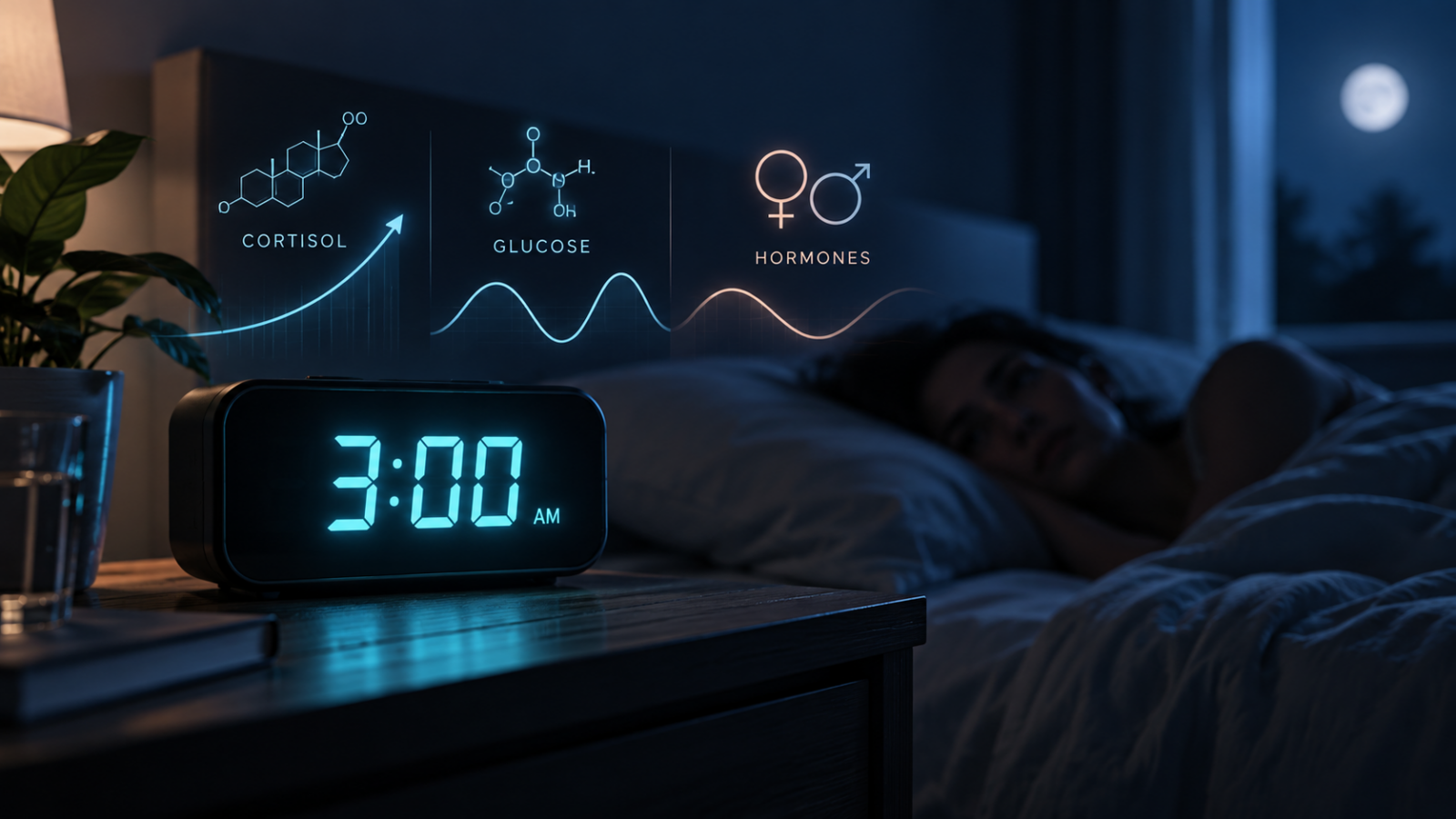
Quality sleep is one of the first things to suffer during perimenopause, thanks to symptoms like hot flashes, night sweats, and anxiety. Unfortunately, a lack of restorative sleep has a direct impact on your waistline. When you’re sleep-deprived, your body produces more ghrelin (the hunger hormone) and less leptin (the hormone that signals fullness). This hormonal imbalance drives cravings for sugary, high-carb foods and makes you feel less satisfied after eating. Research shows that not sleeping well is directly linked to eating more and making less healthy food choices, creating a vicious cycle where poor sleep contributes to weight gain, and the stress of that weight gain can make sleep even more elusive.

How Stress Contributes to Weight Gain

For high-performing women, stress is often a constant companion. During perimenopause, your body becomes more sensitive to its effects. Chronic stress keeps your levels of cortisol, the primary stress hormone, elevated. High cortisol signals your body to enter survival mode, which includes storing energy as fat—specifically, deep abdominal fat. This type of fat is particularly dangerous because it surrounds your vital organs. Furthermore, the stress hormone cortisol can disrupt your appetite and lead to emotional eating as a way to cope with feelings of being overwhelmed. Managing your stress isn’t just about feeling better mentally; it’s a non-negotiable part of managing your physical health and weight during this stage of life.

Why Managing Your Weight Matters More Than Ever

Navigating weight changes during perimenopause isn’t just about fitting into your favorite jeans—it’s about protecting your long-term health and performance. The hormonal shifts happening inside your body can have a domino effect, influencing everything from your heart to your mental clarity. While it can feel frustrating, understanding the stakes is the first step toward taking control. Managing your weight during this transition is one of the most powerful things you can do to safeguard your future vitality, ensuring you continue to operate at your peak for years to come.

Protect Your Heart Health

The extra weight that tends to accumulate around your midsection during perimenopause is more than a cosmetic concern. This type of fat, known as visceral fat, is metabolically active and can increase your risk for serious health issues. According to the Mayo Clinic, this specific weight gain pattern is linked to a higher likelihood of developing heart and blood vessel disease, breathing problems, and even certain types of cancer. Prioritizing a healthy weight is a direct investment in your cardiovascular wellness, helping you maintain a strong, resilient system for the long haul.

Lower Your Diabetes Risk

As estrogen levels decline, your body’s sensitivity to insulin can change, making it harder to manage blood sugar. At the same time, you might feel hungrier and notice your body storing more fat around your abdomen. This combination creates a perfect storm for an increased risk of type 2 diabetes. Research from UChicago Medicine highlights that this increase in belly fat is a primary driver for a host of serious health problems, including diabetes and high blood pressure. By actively managing your weight, you help your body maintain better blood sugar control and significantly lower your risk.

Support Your Bones and Joints

Carrying extra weight places a significant mechanical strain on your joints, particularly your knees, hips, and back. This can worsen the aches and pains that sometimes accompany hormonal changes. Furthermore, being overweight can intensify common menopausal symptoms like hot flashes and sleep disturbances. Studies show that adopting a healthy lifestyle to manage weight can lead to a noticeable improvement in these symptoms and your overall quality of life. It’s a proactive way to stay mobile, comfortable, and active through perimenopause and beyond.

Improve Your Mood and Mental Clarity

The connection between your physical health and mental well-being is undeniable. The challenges of perimenopause—from poor sleep to frustrating weight gain—can take an emotional toll, leaving you feeling sluggish and unfocused. Managing your weight through smart nutrition and consistent movement isn’t just about your body; it’s about your brain. When you feel strong and healthy, it often translates to improved mood, sharper focus, and a greater sense of control. This allows you to maintain the mental clarity and resilience you rely on in your professional and personal life.

Eat Smarter: Your Perimenopause Nutrition Plan

The way you’ve always eaten might not be serving you anymore, and that’s okay. Think of this as an opportunity to fine-tune your approach, not to start a restrictive diet. During perimenopause, your body is more sensitive to what you eat, especially when it comes to blood sugar, inflammation, and hormone processing. The goal is to work with your body’s new needs, not against them.

Making strategic nutritional shifts can be one of the most powerful tools you have for managing symptoms, maintaining a healthy weight, and protecting your long-term health. It’s about choosing foods that stabilize your energy, preserve your muscle mass, and provide the specific nutrients your body is craving. Instead of focusing on what to cut out, we’re going to focus on what to add in. By prioritizing nutrient-dense foods, you can support your hormonal transition, reduce frustrating symptoms like bloating and fatigue, and build a strong foundation for the years ahead. This isn’t about a complete overhaul overnight, but about making small, consistent changes that add up to a major impact on how you feel every day.

Prioritize Protein to Maintain Muscle

As estrogen levels decline, your body finds it harder to maintain muscle mass, a process that naturally slows your metabolism. This is a key reason why weight can creep up even if your diet hasn’t changed. Making protein the star of every meal is your best defense. Protein not only provides the building blocks for muscle, but it also helps you feel full and satisfied, which can prevent overeating and curb cravings. Aim for at least 25-30 grams of high-quality protein with each meal. Think grilled chicken or salmon, Greek yogurt, eggs, lentils, or a high-quality protein powder in your smoothie. This simple shift helps keep your metabolism active and your body strong.

Choose the Right Carbs for Stable Energy

If you’re dealing with energy slumps and mood swings, your carbohydrate choices could be the culprit. Refined carbs and sugary foods cause your blood sugar to spike and then crash, leaving you feeling tired and irritable. Instead, focus on complex carbohydrates that are rich in fiber. These foods release energy slowly and steadily, keeping you on an even keel throughout the day. Fill your plate with colorful vegetables, leafy greens, berries, and whole grains like quinoa and brown rice. A more plant-based diet is not only great for stable energy but also supports gut health and reduces inflammation, which can help manage a wide range of perimenopause symptoms.

Key Nutrients for Hormonal Harmony

Your body needs specific nutrients to manage this transition smoothly. As estrogen declines, your bones can become more vulnerable, making calcium essential. You can find it in dairy products, fortified plant milks, leafy greens like kale, and sardines. Iron is also critical, especially if your periods become heavier, as low levels can lead to fatigue. Incorporate lean red meat, beans, and spinach to keep your energy up. Finally, consider adding foods rich in phytoestrogens—plant-based compounds that can gently mimic estrogen in the body. Sources like soybeans (edamame, tofu), chickpeas, and flaxseeds may help ease symptoms like hot flashes for some women.

Master Meal Timing and Portions

Your body’s energy requirements naturally decrease with age, meaning you may need slightly fewer calories to maintain your weight. This doesn’t mean you need to start obsessively counting, but it does mean that portion awareness becomes more important. A simple guideline is that you might need about 200 fewer calories per day than you did in your 30s. You can achieve this with small adjustments, like using a smaller plate, filling half your plate with vegetables first, and paying attention to your body’s hunger and fullness cues. Avoid skipping meals, as this can lead to intense cravings and overeating later. Consistent, balanced meals are key to keeping your metabolism and energy stable.

Move Your Body: The Right Workouts for This Stage

As your hormones shift, your old fitness routine might not deliver the same results. Instead of getting frustrated, it’s time to get strategic. The right kind of movement isn’t just about burning calories; it’s a powerful tool for managing your metabolism, protecting your bone density, and improving your mental clarity. During perimenopause, exercise becomes less about punishment and more about precision. It’s about working with your body’s new reality, not against it.

The goal is to build a sustainable routine that supports your hormonal health and keeps you feeling strong and energized. This means prioritizing workouts that build and maintain lean muscle, support your cardiovascular system, and give your body adequate time to recover. A balanced approach will help you manage weight, reduce stress, and sleep better—all of which are interconnected. Think of your workouts as a key part of your long-term health strategy, just as important as your nutrition and sleep hygiene.

Why Strength Training Is Non-Negotiable

If you do only one thing differently with your fitness routine, make it strength training. As estrogen declines, so do muscle mass and bone density. Lifting weights directly counteracts this. Building and maintaining lean muscle is your best defense against a slowing metabolism because muscle burns more calories at rest than fat does. According to the Mayo Clinic, you should aim for strength training at least two times a week. This doesn’t mean you have to become a bodybuilder; using free weights, resistance bands, or even your own body weight can be incredibly effective for building the strength you need to thrive.

Find a Cardio Routine That Works for You

Cardiovascular exercise is still essential for heart health, endurance, and mood. But the key to success is consistency, and the best way to stay consistent is to find something you genuinely enjoy. As experts at UChicago Medicine note, “The best exercise is the one you actually do.” Aim for about 150 minutes of moderate-intensity activity per week. This could be brisk walking while you take a work call, cycling, swimming, or a dance class. The goal is to get your heart rate up and keep it there, which helps manage stress and improve your insulin sensitivity.

Make Time for Recovery and Rest

For high-performers, it’s tempting to push through fatigue, but during perimenopause, recovery is just as important as the workout itself. Your body needs time to repair and rebuild. Pushing too hard without adequate rest can raise cortisol levels, which can actually encourage your body to store more belly fat. Plus, quality movement can lead to better sleep, which is crucial for hormone regulation and having the energy to exercise in the first place. Incorporate active recovery days with gentle yoga, stretching, or foam rolling to help your muscles recover and your mind unwind.

How to Adjust Your Workout Intensity

Listen to your body. Some days you’ll feel full of energy, and other days you won’t. It’s okay to adjust your workout intensity based on how you feel. A high-intensity interval training (HIIT) session might feel great one day, while a long walk is what your body needs the next. Remember that exercise and nutrition are a team; you can’t out-train a poor diet, and a great diet can’t make up for a sedentary lifestyle. A balanced approach is what creates lasting results. Understanding your unique hormonal profile through comprehensive lab testing can also provide valuable data to help you tailor your fitness plan for maximum impact.

Fine-Tune Your Lifestyle for Lasting Results

While nutrition and exercise are the cornerstones of managing perimenopause weight gain, the small habits you practice every day are what make those changes stick. Lasting results come from building a lifestyle that supports your hormonal health from the ground up. Think of it as creating the right environment for your body to thrive. By focusing on sleep, stress management, and your support system, you create a powerful foundation that makes healthy eating and consistent movement feel less like a chore and more like a natural part of your routine. These are the non-negotiables that amplify all your other efforts.

Get Serious About Your Sleep

If you’re treating sleep as a luxury, it’s time for a mindset shift. Poor sleep doesn’t just make you tired; it actively works against your weight management goals. When you’re sleep-deprived, your body’s appetite-regulating hormones get thrown off, leading to more intense cravings for high-calorie, low-nutrient foods. In fact, research shows that not sleeping well is linked to eating more and making less healthy choices. To reclaim your rest, start by creating a non-negotiable sleep schedule—even on weekends. Keep your bedroom cool and dark, and turn off all screens at least an hour before bed. This simple discipline can have a massive impact on your energy, mood, and metabolism.

Simple Ways to Manage Stress

For high-performing individuals, stress can feel like a constant companion. But chronic stress triggers a steady release of cortisol, a hormone that encourages your body to store fat, particularly around your midsection. This is why you might notice more belly fat even if your diet hasn’t changed much. To counteract this, you need practical stress-management tools in your daily routine. This isn’t about eliminating stress, but about building resilience to it. Incorporate activities like daily walks, mindfulness practices, or simply scheduling time for hobbies you enjoy. And don’t forget the basics: getting enough sleep and connecting with friends are powerful ways to manage stress effectively.

Build Habits That Actually Stick

When you’re feeling drained, the last thing you want to do is work out. But movement is one of the best ways to fight fatigue. Exercise triggers a quick release of endorphins, the feel-good chemicals that boost your mood and energy levels. The key is to make it a non-negotiable habit. To get started, commit to moving your body every day for at least 20 days. It doesn’t have to be an intense session—a brisk walk counts. The goal is consistency. Schedule your workouts in your calendar just like an important meeting and plan your day around them. Once the habit is formed, you’ll find that exercise starts to reduce feelings of tiredness instead of adding to them.

Find Your Support System

Making significant lifestyle changes is much easier when you have people in your corner. Your environment and social circle play a huge role in your success. If you’re surrounded by people who don’t prioritize their health, it can be challenging to stay on track. Instead, intentionally build a community that encourages your goals. This could mean joining a fitness class, finding a workout buddy, or simply sharing your intentions with your partner or a close friend. Making these changes together can provide the motivation and accountability you need to keep going. Having people who support your healthy eating and exercise goals can make all the difference.

When to Seek Professional Guidance

Trying to manage perimenopause symptoms on your own can feel like you’re navigating without a map. You’ve likely read countless articles, tried different diets, and adjusted your workouts, only to feel stuck when the scale won’t budge and your energy levels remain low. This frustration is completely valid. The truth is, the hormonal shifts during this stage are complex, and what worked for you in your 20s and 30s simply won’t have the same effect now. This is where guessing is no longer a strategy. If you’re tired of the trial-and-error cycle, it might be time to seek professional guidance. Partnering with a healthcare provider who specializes in hormone health isn’t about admitting defeat; it’s about making a strategic decision to take back control. A data-driven approach removes the guesswork and helps you build a plan that’s tailored specifically to your body’s unique biochemistry. Instead of following generic advice, you get a clear, actionable roadmap based on what your body actually needs. This isn’t about finding a quick fix; it’s about getting the right support to help you feel strong, sharp, and like yourself again for the long haul.

The Power of Data: Hormone Testing

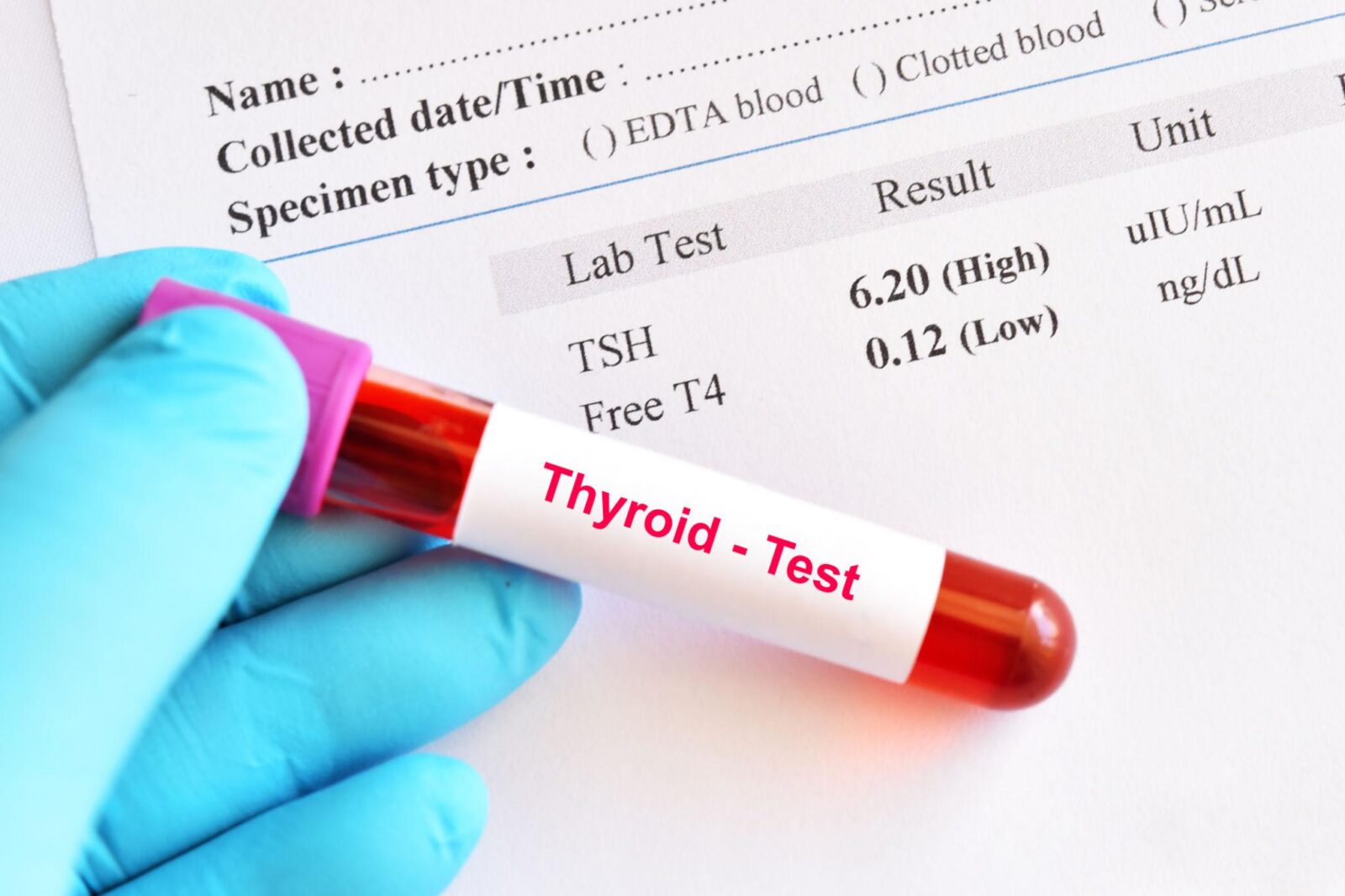
You can’t fix what you don’t measure. While it’s true that hormonal shifts contribute to changes in body composition, they are often intertwined with lifestyle, genetics, and the natural aging process. In fact, experts confirm that menopause weight gain is caused by all these factors working together. Comprehensive lab testing is the only way to get a clear picture of what’s happening inside your body. By analyzing key markers for hormones like estrogen, progesterone, cortisol, and thyroid, you can uncover the root causes of your symptoms. This data provides the foundation for a truly personalized strategy, allowing you and your provider to target the specific imbalances holding you back from feeling your best.

Explore Your Treatment Options

Once you have your data, you can explore solutions that go beyond diet and exercise. For many women, bioidentical hormone replacement therapy (BHRT) can be a game-changer for managing symptoms like hot flashes, poor sleep, and mood swings. It’s important to have realistic expectations—hormone therapy is not a weight-loss drug. However, by restoring balance, it can help redistribute fat away from your midsection and make it easier for your other efforts to pay off. A knowledgeable provider can walk you through the risks and benefits to determine if it’s the right fit for your health profile and goals, ensuring you make an informed decision.

Smart Supplementation Strategies

Walking down the supplement aisle can be overwhelming, and taking a scattergun approach rarely works. A targeted supplementation plan, however, can provide powerful support during perimenopause. Based on your lab results, a provider can recommend specific vitamins, minerals, or botanicals to address nutrient deficiencies, support adrenal function, and promote hormonal harmony. We know that managing weight during this transition is challenging due to a combination of physical and emotional factors, and a thoughtful supplementation strategy can give your body the extra support it needs to thrive. This ensures you’re only taking what your body truly needs, saving you time, money, and frustration.

How to Partner With Your Provider

Finding the right provider is about building a partnership for your long-term health. Your body will continue to change through perimenopause and beyond, so your plan needs to be dynamic and adaptable. Look for a provider who offers ongoing support and sees your health as a journey, not a one-time consultation. Regular check-ins are essential for monitoring your progress, fine-tuning your treatment plan, and helping you overcome any new challenges that arise. Having an expert in your corner provides the accountability and guidance you need to stay on track and feel confident that you’re making the best decisions for your health and well-being.

Build Your Personalized Action Plan

With a clear understanding of the changes happening in your body, you can move from reacting to proactively managing your health. A generic plan won’t cut it when your hormones, metabolism, and stress levels are in flux. Instead, you need a strategy that’s tailored to your unique biology, lifestyle, and goals. This is where you translate knowledge into action, creating a sustainable framework that supports your body through perimenopause and beyond. Think of it not as a rigid set of rules, but as a dynamic blueprint for your well-being. It’s about making intentional choices that compound over time, leading to lasting results. The key is to start with a solid foundation and remain flexible enough to adapt as you learn what works best for you.

Set Goals You Can Actually Achieve

Vague goals like “lose weight” or “get healthy” are hard to stick with because they lack a clear finish line. Instead, focus on specific, measurable outcomes that connect directly to how you want to feel. Maybe your goal is to have enough energy for an evening workout twice a week, or to sleep through the night without interruption. Research shows that even a healthy amount of weight loss can significantly improve perimenopausal symptoms. Start with small, achievable targets, like adding a serving of protein to every meal for a week. By focusing on actionable behaviors and non-scale victories—like better moods or looser-fitting clothes—you build momentum and create a positive feedback loop that makes it easier to stay committed.

How to Track Your Progress Effectively

What gets measured gets managed. To know if your plan is working, you need to track your progress beyond the number on the scale. Keep a simple journal to monitor key metrics like your energy levels, sleep quality, mood, and workout performance. This data provides a much richer picture of your overall health. Self-monitoring by logging your food and activity can also reveal patterns you might otherwise miss, helping you connect what you eat and how you move with how you feel. This isn’t about judgment; it’s about gathering information. When you see the direct impact of your choices, you’re empowered to make adjustments that get you closer to your goals.

Know When and How to Adjust Your Plan

Your body is dynamic, and your action plan should be, too. It’s completely normal to hit a plateau where a routine that once worked is no longer delivering results. This isn’t a sign of failure—it’s a signal that it’s time to reassess your approach. If you’ve been consistent with your nutrition and exercise for a few weeks without seeing changes, it may be time to modify your plan. This could mean changing the intensity of your workouts, tweaking your macronutrient ratios, or prioritizing stress management. Being flexible and willing to adapt is crucial. This is also where working with a professional can be invaluable, as they can help you interpret your body’s feedback and make data-driven changes.

Plan for Long-Term Success

Quick fixes don’t work, especially during perimenopause. The goal is to build a healthy lifestyle that you can sustain for years to come. A sustainable approach helps you not only manage your weight but also cope better with menopause symptoms and protect your long-term health. Focus on creating habits that feel good and fit into your life. A great starting point is to follow established physical activity guidelines: aim for at least 150 minutes of moderate-intensity cardio and two days of muscle-strengthening activities each week. Instead of overhauling your life overnight, introduce one or two new habits at a time. This steady, consistent approach is what ultimately creates profound and lasting change.

Related Articles

BOOK NOW.cta-book-now{display:inline-block;padding:14px 36px;background-color:#00b5d9;color:#fff;font-weight:700;font-size:18px;text-decoration:none;border-radius:999px;transition:all .3s ease;font-family:inherit}.cta-book-now:hover{background-color:#f9f9f9;color:#07b6d5}

Frequently Asked Questions

I’m eating well and working out, but I’m still gaining weight. What am I doing wrong? You’re likely not doing anything wrong—your body’s rules have just changed. During perimenopause, hormonal shifts can slow your metabolism and alter how your body stores fat, making your tried-and-true methods less effective. It’s not just about calories anymore. Factors like declining estrogen, insulin sensitivity, and elevated cortisol from stress create a new internal environment. The key is to adapt your strategy to work with your current biology, focusing on things like strength training to preserve muscle and managing stress to lower cortisol.

What is the most important type of exercise I should be doing right now? If you have to prioritize one thing, make it strength training. As you get older, you naturally lose lean muscle mass, and the hormonal changes of perimenopause can speed up that process. Since muscle is your metabolic engine, losing it means you burn fewer calories throughout the day. Consistently lifting weights, using resistance bands, or doing bodyweight exercises helps you build and maintain that muscle, which is the single most effective way to support your metabolism through this transition.

Will bioidentical hormone replacement therapy (BHRT) solve my weight gain problem? While BHRT can be incredibly helpful, it’s not a magic bullet for weight loss. Its primary role is to alleviate disruptive symptoms like hot flashes, night sweats, and mood swings. By helping you sleep better and feel more stable, it creates the foundation that makes sticking to healthy nutrition and exercise habits much easier. It can also help influence where your body stores fat, shifting it away from your midsection. Think of it as a powerful tool that works best as part of a comprehensive lifestyle plan, not as a standalone solution.

Is it possible to prevent perimenopause weight gain altogether? While you can’t stop the hormonal changes from happening, you can absolutely influence how your body responds to them. Prevention is really about proactive management. By focusing on building and maintaining muscle, dialing in your nutrition to support stable blood sugar, prioritizing sleep, and actively managing stress before symptoms become severe, you can significantly minimize weight gain. It’s about giving your body the resources it needs to navigate the transition smoothly, rather than waiting to react once the weight has already appeared.

How do I know if my weight gain is from perimenopause or another health issue? That’s a critical question, as symptoms like fatigue and weight gain can overlap with other conditions, such as thyroid imbalances or high cortisol. The reality is, you can’t know for sure without looking at your specific data. This is why comprehensive lab testing is so valuable. It moves you beyond guessing and gives you a clear, objective picture of your hormone levels and other key health markers. This allows you to identify the true root cause and create a targeted plan that addresses what your body actually needs.