
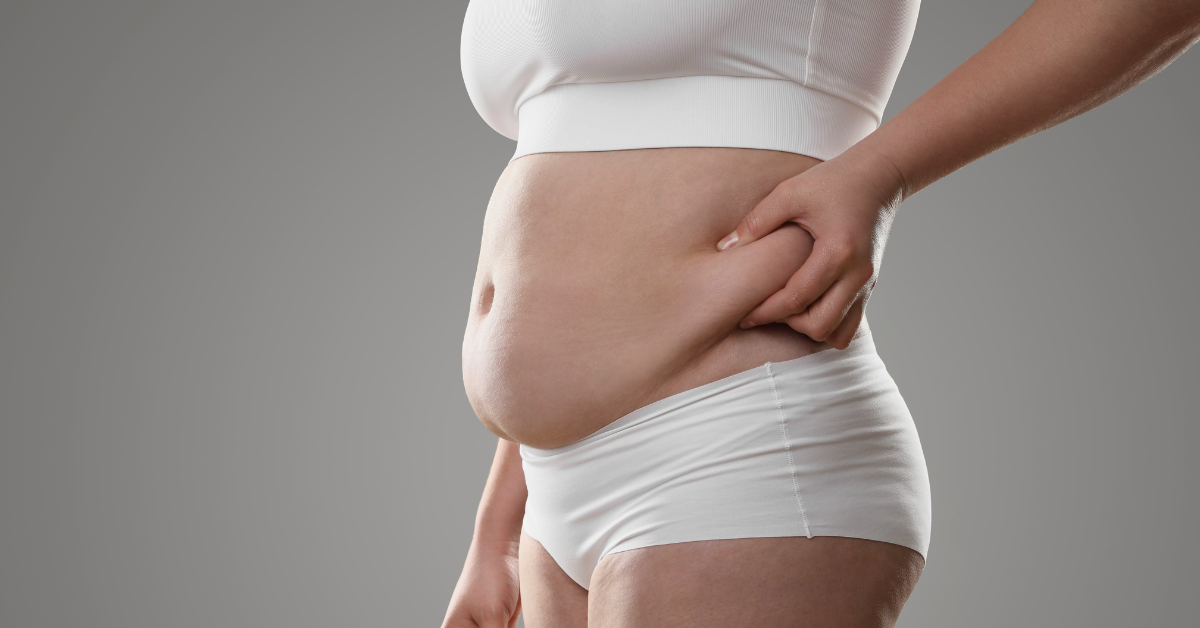
You have been eating clean, training consistently, and doing everything you think you should be doing. Yet that stubborn layer of fat around your midsection refuses to budge. If that sounds familiar, the issue might not be your discipline or your workout plan. It could be your cortisol levels.
Wondering if cortisol is behind your stubborn belly fat? Explore 1st Optimal’s advanced hormone testing to get a clear picture of your cortisol rhythm and start addressing the root cause.
Cortisol belly fat is a real, physiologically distinct pattern of weight gain driven by chronic stress. It is not about willpower. It is about hormones. And it requires a fundamentally different approach than counting calories or adding more cardio to your week.
What Is Cortisol Belly Fat?
Cortisol is your body’s primary stress hormone. Produced by the adrenal glands, it plays an essential role in your fight-or-flight response, blood sugar regulation, and inflammation management. In short bursts, cortisol is protective and necessary.
The problem starts when stress becomes chronic. Work deadlines, financial pressure, poor sleep, over-exercising, and even inflammatory foods can keep cortisol levels elevated for weeks or months. When that happens, your body shifts into a fat-storage pattern that specifically targets your abdomen.
Research published in the journal Obesity has confirmed that visceral fat tissue contains up to four times more cortisol receptors than subcutaneous fat elsewhere in your body. That makes your midsection the primary target of stress-driven fat accumulation. This is not ordinary subcutaneous fat sitting just beneath the skin. Cortisol-driven belly fat tends to be visceral, wrapping around your internal organs and actively driving inflammation, insulin resistance, and cardiovascular risk.
How Does Cortisol Cause Belly Fat?
Understanding the mechanism helps you understand why calorie restriction alone often fails when cortisol is the problem. Here is what happens inside your body when cortisol stays elevated:
- Blood sugar spikes. Cortisol signals your liver to release glucose into the bloodstream, even when you have not eaten. This prepares your body for a physical threat that never comes.
- Insulin surges. Your pancreas responds to the extra glucose by flooding your system with insulin. Over time, this creates insulin resistance, a state where cells stop responding efficiently to insulin and your body stores more energy as fat.
- Fat storage shifts to the abdomen. High cortisol activates lipoprotein lipase, an enzyme that promotes fat storage in visceral adipose tissue. Your body literally redirects calories toward your belly.
- Appetite and cravings increase. Cortisol stimulates ghrelin (the hunger hormone) while suppressing leptin (the fullness hormone). This creates a biological drive toward high-calorie, high-sugar foods.
- Muscle breakdown accelerates. Elevated cortisol is catabolic. It breaks down lean muscle tissue for energy, which slows your metabolism and makes future fat loss even harder.
A 2016 study in Biochimica et Biophysica Acta demonstrated that functional hypercortisolism, even within “normal” lab ranges, is significantly associated with increased visceral adiposity and metabolic syndrome markers. In other words, you do not need a clinical diagnosis like Cushing’s syndrome to experience cortisol-driven belly fat.
What Are the Signs of Cortisol Belly Fat?
Cortisol belly fat looks and feels different from weight gain caused by overeating or a sedentary lifestyle. Common signs include:
- Fat concentrated around the midsection while arms and legs remain relatively lean
- A firm, rounded abdomen (visceral fat pushes outward from behind the abdominal wall)
- Weight gain despite consistent exercise and healthy eating
- Difficulty losing belly fat even with calorie restriction
- Fatigue, brain fog, and disrupted sleep alongside the weight gain
- Sugar and carbohydrate cravings that intensify in the afternoon or evening
- Feeling wired but tired, especially at bedtime
If you recognize several of these patterns, cortisol may be a significant factor in your weight challenges.
Who Is Most at Risk for Cortisol Belly Fat?
Anyone dealing with chronic stress can develop cortisol-related abdominal fat. However, certain groups face higher risk:
- Women in perimenopause and menopause. Declining estrogen and progesterone amplify cortisol’s effects on abdominal fat storage. Research shows that women’s cortisol reactivity increases significantly during the menopausal transition.
- High-performing professionals. Executives, entrepreneurs, and people in demanding careers often experience sustained HPA axis activation from chronic work stress.
- People with sleep issues. Even partial sleep deprivation (less than six hours per night) has been shown to increase next-day cortisol levels by up to 37%.
- Over-exercisers. Intense cardio and high-volume training without adequate recovery can paradoxically raise cortisol and promote belly fat storage.
Navigating perimenopause or menopause and noticing stubborn belly fat? Talk to a 1st Optimal provider about comprehensive DUTCH hormone testing to map your cortisol rhythm and hormone levels.
Our medical weight loss program pairs clinical expertise with personalized protocols for lasting results.
How Can You Reduce Cortisol Belly Fat?
Reducing cortisol belly fat requires addressing the root cause: chronic HPA axis activation. Here are evidence-based strategies that work.
Prioritize Sleep Quality
Sleep is the single most powerful cortisol regulator. Aim for seven to nine hours of uninterrupted sleep per night. Create a consistent sleep schedule, limit screens an hour before bed, and keep your bedroom cool and dark. A 2010 study in the Journal of Clinical Endocrinology and Metabolism showed that restricting sleep to four hours for just six nights elevated evening cortisol levels significantly and impaired glucose tolerance.
Eat to Stabilize Blood Sugar
Skip the restrictive diets. Instead, focus on meals that combine protein, healthy fats, and fiber-rich carbohydrates at every meal. This combination prevents the blood sugar crashes that trigger cortisol release. Prioritize anti-inflammatory foods like wild-caught fatty fish, leafy greens, berries, and fermented foods. Reduce or eliminate refined sugar, excess caffeine (especially after noon), alcohol, and highly processed foods that perpetuate HPA axis dysfunction.
Choose the Right Exercise
More exercise is not always better when cortisol is the problem. Excessive high-intensity training can actually worsen cortisol belly fat by keeping the stress response activated. Evidence supports a balanced approach: moderate resistance training two to four times per week, daily walking (especially after meals), and restorative movement like yoga, swimming, or light cycling. Resistance training is particularly valuable because it builds lean muscle mass, which improves metabolic rate and insulin sensitivity.
Practice Active Stress Management
Meditation, deep breathing exercises, and mindfulness practices have been shown to measurably reduce salivary cortisol levels. Even ten minutes of daily breathwork or guided meditation can shift your nervous system from sympathetic (fight-or-flight) dominance to parasympathetic (rest-and-digest) mode. Consistent practice matters more than duration.
Test Your Hormones
You cannot optimize what you do not measure. A standard blood test captures cortisol at a single point in time, which often misses the full picture. Advanced testing like the DUTCH Complete panel measures your cortisol rhythm across the entire day using dried urine, providing a four-point cortisol curve along with cortisol metabolites, sex hormones, and methylation markers. This kind of comprehensive data reveals whether your cortisol pattern is truly dysregulated and guides a targeted treatment plan rather than a generic approach.
When Should You Seek Professional Help?
If you have been implementing lifestyle changes for three months or more without meaningful progress on belly fat, it is time to look deeper. Signs that you may need clinical support include:
- Persistent fatigue that does not improve with sleep
- Mood changes, anxiety, or irritability alongside weight gain
- Loss of muscle mass despite regular exercise
- Menstrual irregularities or worsening menopause symptoms
- Blood sugar issues or a diagnosis of insulin resistance
A functional medicine approach goes beyond surface symptoms. Instead of treating belly fat as a simple energy balance problem, a provider trained in hormone optimization will evaluate your full hormonal picture, including cortisol, sex hormones, thyroid markers, and metabolic indicators, to identify the specific drivers of your weight challenges.
Ready to find out what is really driving your stubborn belly fat? Become a 1st Optimal member and get access to advanced hormone testing, personalized treatment plans, and ongoing support from a dedicated care team. Call (816) 744-6814 to get started.
Frequently Asked Questions
Is cortisol belly fat hard or soft?
Cortisol belly fat is typically firm and rounded rather than soft and jiggly. This is because it is largely visceral fat stored deep behind the abdominal wall around your organs, as opposed to subcutaneous fat that sits just beneath the skin. A hard, distended midsection is a common indicator of visceral fat accumulation driven by elevated cortisol.
How long does it take to lose cortisol belly fat?
Most people begin to see improvements within eight to twelve weeks of consistently addressing cortisol through better sleep, stress management, dietary changes, and appropriate exercise. However, the timeline depends on how long your cortisol has been elevated and whether there are other hormonal imbalances at play. Comprehensive hormone testing can help set realistic expectations.
Can cortisol belly fat affect men too?
Absolutely. While women in perimenopause and menopause are at especially high risk due to shifting estrogen and progesterone levels, men experiencing chronic stress, poor sleep, or high-volume training can also develop cortisol-driven belly fat. In men, elevated cortisol can also suppress testosterone production, creating a compounding effect on body composition.
Does exercise make cortisol belly fat worse?
It can if you are doing the wrong type. Excessive high-intensity cardio and endurance training without adequate recovery can elevate cortisol further and promote additional belly fat storage. The key is to balance intensity with recovery. Moderate resistance training, walking, and restorative movement like yoga tend to lower cortisol rather than raise it.
What is the best test for cortisol belly fat?
A four-point cortisol test, such as the DUTCH Complete panel, is the gold standard. Unlike a single-point blood test, it measures your cortisol pattern throughout the day, including metabolites that reveal how your body is processing cortisol. This gives a comprehensive view of whether your HPA axis is dysregulated and helps guide a targeted treatment plan.
This article is for informational purposes only and does not constitute medical advice. Always consult with a qualified healthcare provider before making changes to your health regimen.
Written by Joe Miller, CEO of 1st Optimal. Joe holds a Bachelor of Education in Kinesiology, Exercise Science, Health, and Nutrition. He has completed a 2-Year Fellowship with A4M, received training from Worldlink Medical, and maintains ongoing BHRT certifications through A4M. Connect with Joe on LinkedIn.
