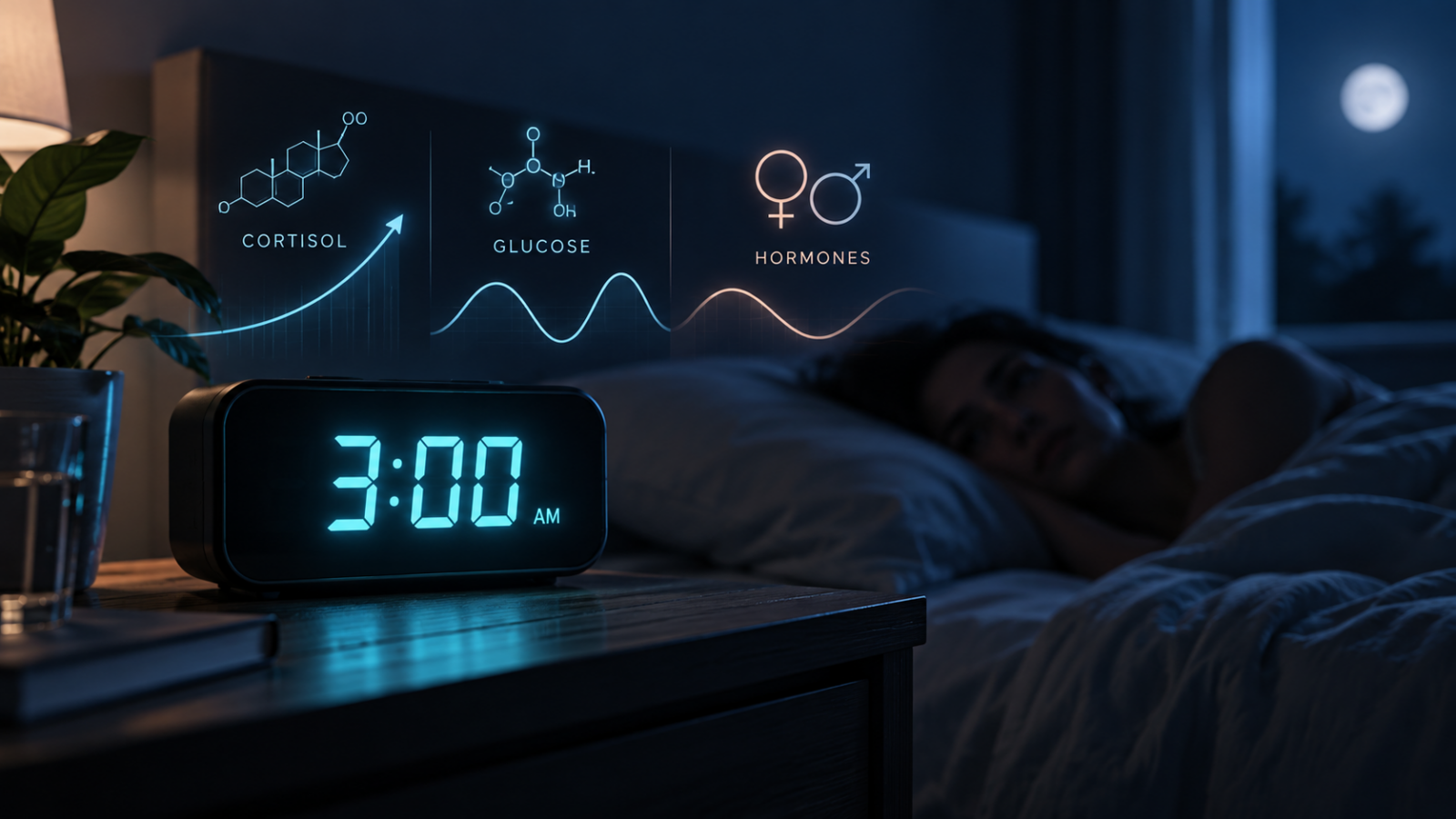


Progesterone is one of the most important hormones in your body, yet it rarely gets the attention it deserves. While estrogen and testosterone dominate the conversation, progesterone quietly regulates everything from your menstrual cycle and sleep quality to your mood, metabolism, and ability to maintain a healthy pregnancy. When levels drop, the effects can disrupt nearly every system in your body.
Concerned about your progesterone levels? 1st Optimal offers comprehensive hormone testing, including the advanced DUTCH test, with personalized treatment plans from experienced practitioners. Explore membership options or call (816) 744-6814 to get started.
Whether you are experiencing unexplained weight gain, irregular periods, persistent anxiety, or difficulty sleeping, understanding progesterone could be the missing piece. This guide covers what progesterone does, how to recognize when levels are low, and evidence-based options for restoring balance.
What Is Progesterone?
Progesterone is a steroid hormone produced primarily by the ovaries after ovulation. The adrenal glands also produce small amounts, and in men, the testes contribute to progesterone production. It belongs to a class of hormones called progestogens and serves as a precursor to other hormones, including cortisol and testosterone.
In women, progesterone works in tandem with estrogen to regulate the menstrual cycle, prepare the uterine lining for pregnancy, and maintain early pregnancy. But its role extends far beyond reproduction. Progesterone influences brain function, bone density, cardiovascular health, and immune regulation. A 2021 review published in Frontiers in Neuroscience confirmed that progesterone acts as a neurosteroid, directly affecting neurotransmitter systems that regulate mood, sleep, and cognitive function.
What Does Progesterone Do in Your Body?
Progesterone plays a wider role in your health than most people realize. Here are the key functions:
- Menstrual cycle regulation. Progesterone rises after ovulation during the luteal phase, thickening the uterine lining to support potential implantation. If pregnancy does not occur, progesterone drops, triggering menstruation.
- Pregnancy support. During early pregnancy, progesterone prevents uterine contractions and supports the placenta. Low progesterone in early pregnancy is associated with increased miscarriage risk.
- Sleep quality. Progesterone metabolizes into allopregnanolone, a compound that activates GABA receptors in the brain. GABA is the primary calming neurotransmitter, which is why progesterone has a natural sedative effect.
- Mood stabilization. Through its influence on GABA and serotonin pathways, progesterone helps regulate anxiety, irritability, and emotional reactivity. Women with low progesterone often report heightened PMS symptoms.
- Bone health. Research published in the Journal of Clinical Endocrinology and Metabolism shows that progesterone stimulates osteoblast activity, the cells responsible for building new bone tissue.
- Estrogen balance. Progesterone counterbalances estrogen, preventing a condition known as estrogen dominance. Without adequate progesterone, estrogen can become disproportionately high, leading to heavy periods, bloating, breast tenderness, and weight gain.
- Thyroid function support. Progesterone enhances thyroid hormone sensitivity at the cellular level, meaning low progesterone can mimic hypothyroid symptoms even when thyroid labs appear normal.

How Do Progesterone Levels Change With Age?
Progesterone production is closely tied to ovulation. In a healthy menstrual cycle, the ovaries release an egg each month, and the resulting corpus luteum produces progesterone. As women enter their late 30s and 40s, ovulation becomes less consistent. This is one of the earliest hormonal shifts of perimenopause.
During perimenopause, progesterone levels can decline by as much as 75% before estrogen shows significant changes. This gap creates a hormonal imbalance where estrogen remains relatively high while progesterone drops, a pattern that drives many of the symptoms women experience during this transition. By menopause, when ovulation stops entirely, progesterone production from the ovaries effectively ceases.
Men also experience a gradual decline in progesterone with age. Though typically discussed less often, male progesterone plays a role in testosterone production and estrogen regulation.
What Are the Signs of Low Progesterone?
Low progesterone can produce a wide range of progesterone deficiency symptoms that are frequently attributed to stress, aging, or other conditions. Recognizing the pattern is the first step toward accurate diagnosis.
Common signs of low progesterone include:
- Irregular or heavy periods. Without sufficient progesterone to stabilize the uterine lining, cycles may become unpredictable, with heavier or prolonged bleeding.
- Difficulty sleeping or staying asleep. Since progesterone promotes GABA activity, low levels often correlate with insomnia or restless sleep, particularly during the luteal phase.
- Increased anxiety and irritability. The calming effect of progesterone on the nervous system means that low levels can amplify feelings of anxiousness, tension, and emotional volatility.
- Weight gain, especially around the midsection. Progesterone influences metabolism and fat distribution. When levels drop, the body tends to store more visceral fat.
- Breast tenderness and bloating. These symptoms often indicate estrogen dominance relative to progesterone.
- Brain fog and poor concentration. Progesterone’s neuroprotective properties mean that declining levels can affect memory, focus, and mental clarity.
- Headaches or migraines. Hormonal headaches that worsen before menstruation often point to a progesterone deficit.
- Recurrent miscarriage or difficulty conceiving. Adequate progesterone is essential for implantation and early pregnancy maintenance.
- Low libido. Though often attributed to other factors, reduced progesterone can contribute to decreased sexual desire in both women and men.
If several of these symptoms sound familiar, comprehensive hormone testing can help clarify whether low progesterone is a contributing factor. The DUTCH test is particularly valuable because it measures not just progesterone levels but also how your body metabolizes the hormone.
Experiencing symptoms of low progesterone? 1st Optimal’s comprehensive hormone panels go beyond standard labs to uncover the root cause. Start with a membership consultation and get answers based on your unique biology.
What Causes Low Progesterone?
Several factors can contribute to declining or insufficient progesterone levels:
- Anovulation. If you do not ovulate, the corpus luteum does not form, and progesterone production drops significantly. Anovulatory cycles become more common during perimenopause and can also result from PCOS, extreme exercise, or severe calorie restriction.
- Chronic stress. Under prolonged stress, the body prioritizes cortisol production. Since progesterone is a cortisol precursor, the adrenal glands can divert progesterone toward cortisol synthesis in a process sometimes called the “pregnenolone steal.”
- Perimenopause and menopause. The natural decline in ovarian function during perimenopause is the most common cause of low progesterone in women over 35.
- Thyroid dysfunction. Hypothyroidism can impair ovulation and reduce progesterone production, creating a feedback loop where low progesterone further suppresses thyroid function.
- Insulin resistance. Elevated insulin levels can disrupt the hypothalamic-pituitary-ovarian axis, reducing the hormonal signals that trigger ovulation and progesterone release.
- Excess body fat. Adipose tissue produces estrogen through aromatase activity, which can shift the estrogen-to-progesterone ratio and contribute to relative progesterone deficiency.
- Environmental exposures. Xenoestrogens found in plastics, pesticides, and certain personal care products can mimic estrogen in the body, further disrupting the balance with progesterone.
How Is Low Progesterone Diagnosed?
Accurate diagnosis requires more than a single blood draw. Progesterone levels fluctuate significantly throughout the menstrual cycle, making timing and test type critical.
Serum progesterone testing. A blood test taken on day 21 of a standard 28-day cycle (or approximately 7 days after ovulation) measures peak luteal progesterone. Levels below 10 ng/mL during this window may indicate insufficient production. However, a single blood draw only captures one moment in time.
DUTCH testing (Dried Urine Test for Comprehensive Hormones). The DUTCH test provides a more complete picture by measuring progesterone metabolites over a full day. This reveals not just how much progesterone you produce but how effectively your body uses it. Metabolite ratios can indicate issues with detoxification pathways that a blood test alone would miss.
Salivary progesterone testing. Saliva tests measure free (unbound) progesterone and can be useful for tracking trends over multiple days. They are less commonly used as a standalone diagnostic tool.
At 1st Optimal, hormone testing typically includes a comprehensive panel that evaluates progesterone alongside estrogen, testosterone, cortisol, DHEA, and thyroid markers. This approach ensures that the full hormonal landscape is visible before making treatment decisions.

How Can You Support Healthy Progesterone Levels?
Lifestyle factors play a meaningful role in supporting natural progesterone production. While these strategies may not fully correct significant deficiencies on their own, they create the foundation that allows hormonal therapies to work more effectively.
Prioritize consistent sleep. Progesterone production is sensitive to circadian rhythm disruption. Aim for 7 to 9 hours per night with a consistent sleep-wake schedule. Research in the Journal of Clinical Sleep Medicine has linked irregular sleep patterns to disrupted ovulation and lower luteal-phase progesterone.
Manage chronic stress. Reducing the cortisol demand on your adrenal glands preserves the pregnenolone pool for progesterone production. Evidence-based stress management techniques include regular exercise, mindfulness meditation, and adequate recovery between workouts.
Maintain a nutrient-dense diet. Key nutrients for progesterone support include:
- Vitamin B6 - supports the corpus luteum and progesterone synthesis. Found in poultry, fish, potatoes, and bananas.
- Zinc - essential for pituitary function and FSH/LH signaling. Found in oysters, beef, pumpkin seeds, and legumes.
- Magnesium - reduces cortisol and supports healthy ovulation. Found in dark leafy greens, nuts, and dark chocolate.
- Vitamin C - a 2003 study in Fertility and Sterility found that women supplementing with 750 mg of vitamin C daily showed significantly higher progesterone levels.
For a more detailed guide on nutrition during hormonal transitions, see our article on perimenopause diet strategies.
Exercise wisely. Moderate, consistent exercise supports ovulation and hormonal balance. However, excessive high-intensity training can suppress the HPO axis and reduce progesterone. Balance strength training with recovery days and lower-intensity movement.
Reduce xenoestrogen exposure. Switch to glass food containers, choose organic produce when possible, and select personal care products free of parabens and phthalates.
Ready to take control of your hormonal health? 1st Optimal combines advanced diagnostics with personalized protocols designed for your biology. Learn about our membership program and take the first step toward balance.
When Should You Consider Bioidentical Progesterone Therapy?
When lifestyle modifications are not enough to resolve symptoms, bioidentical hormone replacement therapy (BHRT) offers an evidence-based option. Bioidentical progesterone is molecularly identical to the progesterone your body produces naturally, which distinguishes it from synthetic progestins used in conventional hormone therapy.
You may be a candidate for bioidentical progesterone if:
- Lab testing confirms low progesterone or poor progesterone metabolite patterns
- You are experiencing perimenopausal or menopausal symptoms that affect daily function
- You have signs of estrogen dominance despite lifestyle changes
- You are using estrogen therapy and need progesterone for uterine protection
- Persistent sleep, mood, or cycle-related symptoms have not responded to other interventions
Bioidentical progesterone is available in several forms, including oral capsules (micronized progesterone), topical creams, and vaginal suppositories. The choice of delivery method depends on your specific symptoms, hormone levels, and how your body metabolizes progesterone, all of which the DUTCH test can reveal.
Research supports the safety profile of bioidentical progesterone compared to synthetic progestins. A large 2005 French cohort study (E3N study) published in Breast Cancer Research and Treatment found that women using bioidentical progesterone in combination with estrogen had no increased breast cancer risk, while synthetic progestins were associated with elevated risk.
At 1st Optimal, progesterone therapy is never prescribed in isolation. Every protocol is built on comprehensive lab work and adjusted based on follow-up testing to ensure levels are optimized, not just normalized. Your dedicated Membership Manager coordinates the entire process from initial labs through ongoing protocol refinements.
How 1st Optimal Approaches Progesterone Health
Conventional medicine often treats hormonal symptoms in isolation, prescribing a single medication without investigating the underlying cause. 1st Optimal takes a fundamentally different approach rooted in functional medicine principles:
- Advanced diagnostics first. Every member begins with comprehensive testing that may include the DUTCH test, full thyroid panel, metabolic markers, cortisol mapping, and nutrient status. This data reveals not just whether progesterone is low but why it is low.
- Personalized protocols. Based on your lab results, your practitioner designs a treatment plan that may include bioidentical progesterone, targeted supplementation, lifestyle modifications, and complementary therapies. No two protocols are identical.
- Ongoing optimization. Hormones are not static. Your protocol is adjusted based on regular follow-up testing and symptom tracking. The goal is sustained improvement, not a one-time prescription.
- Dedicated support. Your Membership Manager serves as your single point of contact, coordinating labs, appointments, prescription management, and questions. This concierge model eliminates the fragmentation that plagues conventional care.
If you are ready to stop guessing about your hormonal health and start working with data, explore 1st Optimal’s membership options to get started.
Frequently Asked Questions
What is a normal progesterone level?
Normal progesterone levels vary by cycle phase. During the follicular phase, levels are typically below 1 ng/mL. After ovulation in the luteal phase, levels should rise to 10 to 25 ng/mL. During pregnancy, progesterone can reach 300 ng/mL or higher. Post-menopausal levels are generally below 0.5 ng/mL.
Can men have low progesterone?
Yes. Men produce progesterone in smaller amounts via the adrenal glands and testes. Low progesterone in men can contribute to estrogen dominance, reduced testosterone production, weight gain, and mood disturbances. It is less commonly tested in men but can be relevant in comprehensive hormone evaluations.
What is the difference between progesterone and progestin?
Progesterone refers to the bioidentical hormone that is molecularly identical to what your body produces. Progestins are synthetic compounds designed to mimic some of progesterone’s effects but have a different molecular structure. Research suggests bioidentical progesterone has a more favorable safety profile, particularly regarding cardiovascular and breast cancer risk.
How quickly does bioidentical progesterone work?
Many women notice improvements in sleep quality within the first one to two weeks. Mood stabilization and cycle regulation may take one to three months. Full optimization, including improvements in bone density markers and metabolic parameters, typically requires three to six months of consistent therapy with dosage adjustments based on follow-up labs.
Does progesterone help with weight loss?
Progesterone alone is not a weight loss medication, but restoring adequate levels can support weight management. By reducing cortisol-driven fat storage, improving sleep quality, balancing estrogen, and supporting thyroid function, optimized progesterone creates conditions that make it easier for your body to maintain a healthy weight.
Can you increase progesterone naturally without medication?
Lifestyle strategies like stress management, targeted nutrition (vitamin B6, zinc, magnesium, vitamin C), consistent sleep, and moderate exercise can support natural progesterone production. However, if levels are significantly low due to perimenopause, anovulation, or other medical factors, lifestyle changes alone may not be sufficient. Testing helps determine the best approach.
Is progesterone therapy safe long-term?
Bioidentical progesterone has a well-documented safety profile when prescribed appropriately and monitored with regular lab work. The E3N study and subsequent research have demonstrated that bioidentical progesterone does not carry the same risks associated with synthetic progestins. Long-term safety depends on proper dosing, regular monitoring, and working with a qualified practitioner.
What is the best time to test progesterone?
For cycling women, serum progesterone is best tested approximately seven days after ovulation, which is typically day 19 to 22 of a standard cycle. The DUTCH test collects samples across a full day and can provide more detailed information about progesterone production and metabolism regardless of cycle timing.
Written by Joe Miller, BS Kinesiology, Exercise Science, Health, and Nutrition. 2-Year Fellowship A4M, Worldlink Medical trained, NASM Certified, NSCA CSCS. Joe is the founder and CEO of 1st Optimal, a functional medicine telehealth platform specializing in hormone optimization and longevity medicine.
Medical Disclaimer: This article is for informational purposes only and does not constitute medical advice. Always consult with a qualified healthcare provider before starting any hormone therapy or making changes to your treatment plan. Individual results may vary based on personal health conditions and medical history.