
If your testosterone is low, the problem may not start with testosterone.
For many men, declining testosterone, increasing abdominal fat, poor blood sugar control, low energy, reduced muscle mass, and difficulty losing weight can develop together.
That does not mean low testosterone automatically causes insulin resistance.
It also does not mean insulin resistance is always responsible for low testosterone.
The relationship appears to work in both directions.
Excess visceral fat, obesity, hyperinsulinemia, chronic disease, sleep problems, and other metabolic factors may contribute to lower testosterone levels. At the same time, clinically significant testosterone deficiency may contribute to unfavorable changes in muscle mass, fat distribution, and metabolic health.
Understanding this connection can help explain why simply treating one laboratory number often misses the bigger picture.
What Is Insulin Resistance?
Insulin is a hormone produced by the pancreas that helps move glucose from the bloodstream into cells, where it can be used for energy.
With insulin resistance, muscle, liver, and fat cells become less responsive to insulin.
The pancreas may compensate by producing more insulin to keep blood glucose under control.
For a period of time, blood glucose may still look relatively normal even while insulin levels are increasing.
Eventually, the system may have difficulty keeping up. Blood glucose can rise, increasing the risk of prediabetes and type 2 diabetes.
Insulin resistance is commonly associated with:
- Increased abdominal or visceral fat
- Overweight or obesity
- Physical inactivity
- High triglycerides
- Low HDL cholesterol
- High blood pressure
- Metabolic dysfunction-associated steatotic liver disease
- Prediabetes
- Type 2 diabetes
Insulin resistance may exist for years without obvious symptoms, which is one reason metabolic testing can be important for people with multiple risk factors.
How Are Testosterone and Insulin Resistance Connected?
Testosterone is often thought of primarily as a sex hormone.
But testosterone also interacts with tissues involved in metabolism, including skeletal muscle and adipose tissue.
Researchers have consistently observed that men with obesity, metabolic syndrome, and type 2 diabetes tend to have lower testosterone concentrations than metabolically healthier men.
Importantly, association does not prove that low testosterone caused the metabolic problem.
The 2026 American Diabetes Association Standards of Care note that testosterone levels are lower on average in men with diabetes compared with age-matched men without diabetes, while also emphasizing that obesity is an important confounding factor.
Several mechanisms may help explain the connection.
1. Visceral Fat May Contribute to Lower Testosterone
Not all body fat behaves the same way.
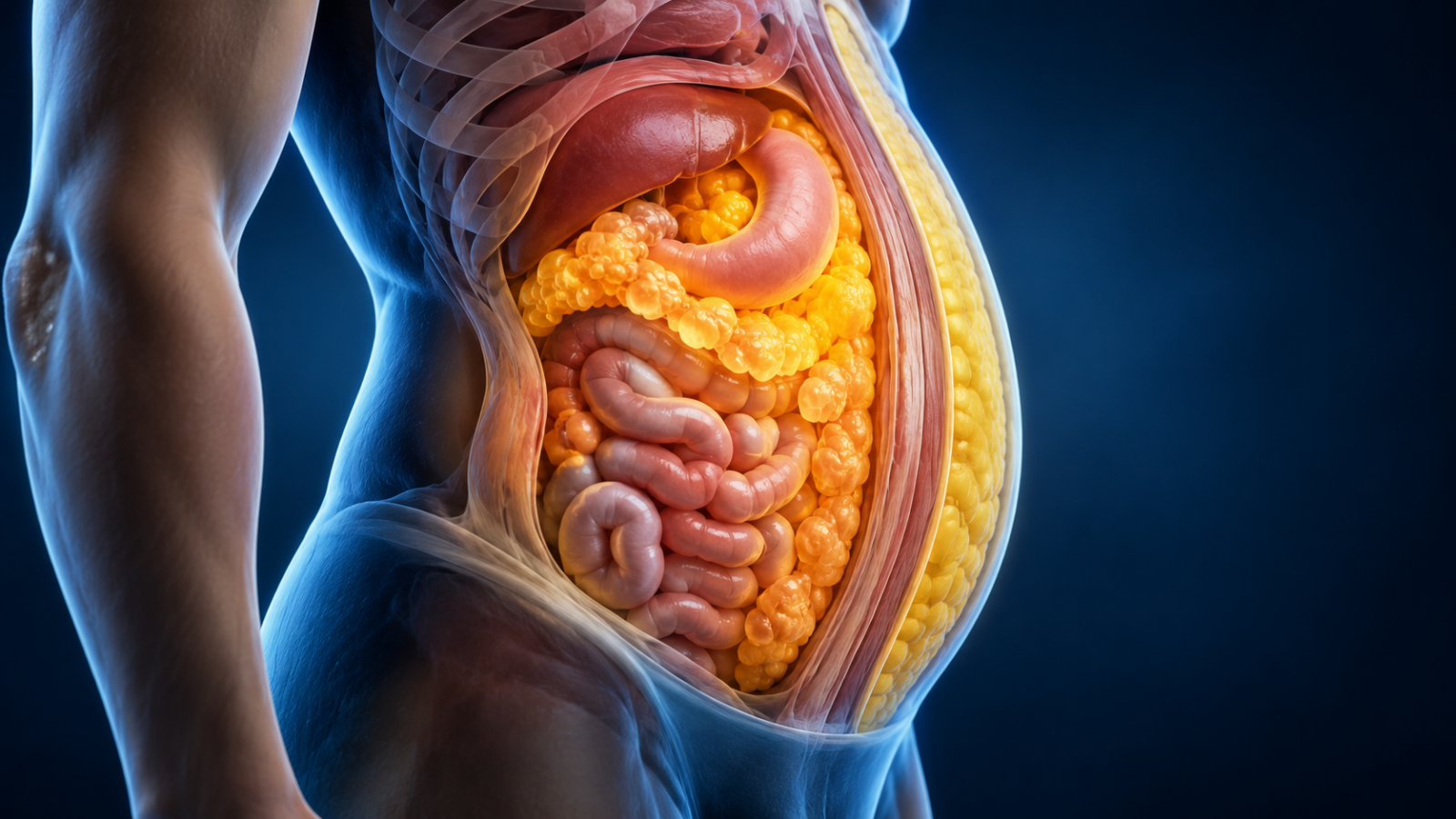
Visceral fat is the fat stored deeper in the abdominal cavity around internal organs.
Higher levels of visceral adiposity are strongly associated with metabolic dysfunction and insulin resistance.
As body fat increases, several hormonal changes may occur.
Men with obesity frequently have lower levels of sex hormone-binding globulin, or SHBG, a liver-produced protein that carries testosterone through the bloodstream.
Because a significant amount of circulating testosterone is bound to SHBG, lower SHBG can also result in a lower measured total testosterone level.
This creates an important clinical distinction.
A low total testosterone result in a man with obesity does not automatically mean his testes cannot produce adequate testosterone.
The entire hormonal and metabolic picture needs to be evaluated.
2. Insulin Resistance and Hyperinsulinemia Can Affect the Hormonal Environment
When tissues become resistant to insulin, the pancreas may release progressively more insulin.
This state of hyperinsulinemia is associated with changes in liver metabolism, including lower production of SHBG.
Obesity and related metabolic illness may also interfere with signaling along the hypothalamic-pituitary-gonadal axis, the system connecting the brain, pituitary gland, and testes.
Research on obesity-related reductions in testosterone suggests that metabolic illness can sometimes produce a functional and potentially reversible reduction in testosterone, rather than permanent primary testicular failure.
That distinction matters because improving metabolic health may improve hormone levels in some men.
3. Lower Testosterone May Be Associated With More Fat and Less Muscle
The relationship may also move in the opposite direction.
True testosterone deficiency can contribute to:
- Reduced lean muscle mass
- Reduced strength
- Increased fat mass
- Lower exercise capacity in some individuals
- Changes in body composition
Skeletal muscle is one of the body’s major destinations for glucose.
Having more metabolically active muscle, combined with regular physical activity, supports glucose disposal and insulin sensitivity.
This is one reason the testosterone-insulin resistance relationship is better understood as a metabolic feedback loop rather than a simple cause-and-effect equation.
The Testosterone-Visceral Fat Cycle
A simplified version may look like this:
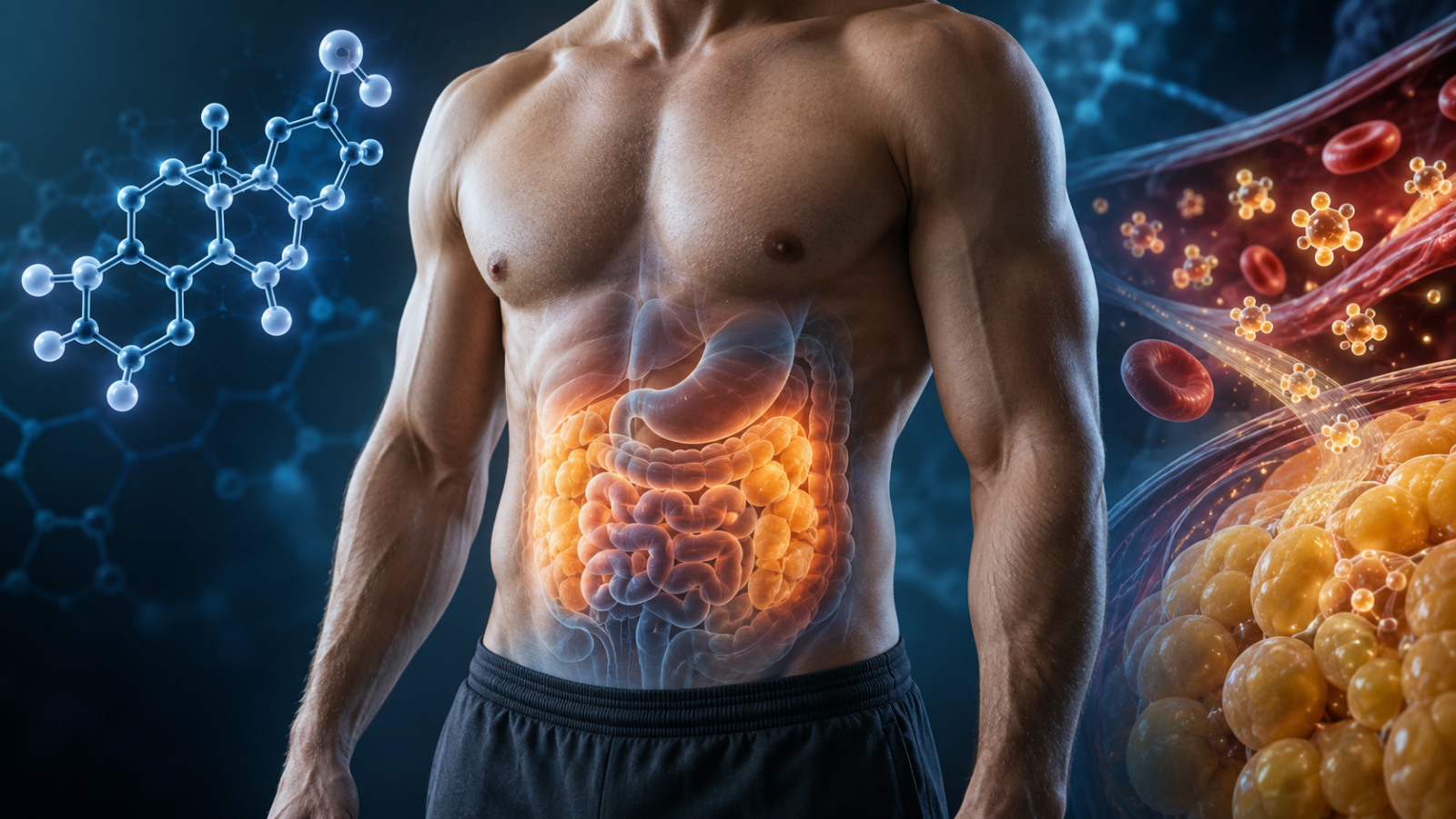
More visceral fat → greater insulin resistance → higher insulin levels and lower SHBG → lower measured testosterone → unfavorable body composition → potentially greater metabolic dysfunction
But biology is rarely this linear.
Sleep apnea, medications, calorie intake, chronic illness, alcohol intake, stress, age, genetics, exercise, thyroid function, pituitary disorders, and other factors can influence the same system.
That is why treating a testosterone result without investigating the surrounding metabolic environment can be misleading.
Can Low Testosterone Predict Diabetes?
Observational studies have found that lower testosterone concentrations are associated with an increased risk of developing type 2 diabetes in men.
But association is different from causation.
SHBG, obesity, body composition, and other metabolic factors may explain part of that relationship.
This is also why testosterone should not be considered a substitute for established diabetes prevention strategies.
The American Diabetes Association currently recommends evidence-based lifestyle interventions for adults at high risk of type 2 diabetes, including regular physical activity and clinically appropriate weight reduction. For adults with overweight or obesity at high risk, a reduction of approximately 5% to 7% of initial body weight and at least 150 minutes of moderate-intensity physical activity per week are among the recommended targets.
Does Testosterone Therapy Improve Insulin Resistance?
This is where the conversation requires nuance.
Some smaller studies have suggested testosterone replacement may improve body composition or certain measurements of insulin sensitivity in appropriately diagnosed hypogonadal men.
But that does not mean testosterone therapy should be prescribed to treat high blood sugar or prevent diabetes.
One of the largest randomized studies examining this question was the TRAVERSE Diabetes Study.
Researchers studied men ages 45 to 80 with hypogonadism who also had prediabetes or diabetes.
Among participants with prediabetes, testosterone replacement did not significantly reduce progression to diabetes compared with placebo. Testosterone therapy also did not significantly improve glycemic control in men who already had diabetes.
The Endocrine Society similarly recommends against using testosterone therapy specifically as a method of improving glycemic control in men with type 2 diabetes.
In other words:
Testosterone replacement may have an appropriate role in properly diagnosed hypogonadism. It should not be treated as a diabetes medication.
When Should Testosterone Be Tested?
A testosterone test can be useful when symptoms and clinical history suggest possible hypogonadism.
Potential symptoms may include:
- Reduced libido
- Erectile dysfunction
- Reduced spontaneous erections
- Reduced muscle mass or strength
- Unexplained fatigue
- Reduced bone density
- Changes in body composition
The 2026 American Diabetes Association recommends that men with diabetes or prediabetes be asked about sexual health and that men with symptoms or signs of hypogonadism be evaluated with a morning total testosterone level.
A diagnosis should generally not be made from one isolated result.
The Endocrine Society recommends measuring fasting morning total testosterone and confirming low concentrations with a repeat morning measurement. When total testosterone is near the lower limit or SHBG abnormalities are suspected, free testosterone may provide additional information.
What Labs Can Help Evaluate the Bigger Picture?
A more complete metabolic and hormonal evaluation may include testing selected according to symptoms, history, medications, and risk factors.
Hormonal markers may include:
- Total testosterone
- Free testosterone when appropriate
- SHBG
- Luteinizing hormone (LH)
- Follicle-stimulating hormone (FSH)
- Prolactin when indicated
- Estradiol in selected situations
- Thyroid testing when clinically appropriate
Metabolic markers may include:
- Fasting glucose
- Hemoglobin A1C
- Lipid panel
- Blood pressure
- Waist circumference
- Liver markers
- Other testing based on individual risk
A low testosterone level by itself does not tell you why testosterone is low.
Likewise, normal fasting glucose does not necessarily provide a complete picture of long-term metabolic risk.
The goal should be to understand the pattern rather than chase an individual biomarker.
Why Muscle Matters for Testosterone and Metabolic Health
Muscle is not simply something you build for appearance.
It is a major metabolic tissue.
During and after physical activity, skeletal muscle can use substantial amounts of glucose. Regular resistance training can also support maintenance or growth of lean tissue.
For someone concerned about insulin resistance, preserving muscle becomes especially important during weight loss.
A sustainable strategy commonly includes:
- Progressive resistance training
- Regular aerobic movement
- Adequate protein intake
- Appropriate calorie intake
- Sufficient recovery
- Consistent sleep
The goal is not simply to make the scale decrease.
It is to improve body composition and metabolic function.
Sleep Can Affect Both Testosterone and Metabolic Health
Sleep is another piece that is easy to overlook.
Poor or insufficient sleep can negatively affect glucose regulation, appetite, exercise recovery, and overall metabolic health.
Obstructive sleep apnea is particularly important because it is strongly associated with obesity and metabolic disease and may coexist with low testosterone.
Someone experiencing fatigue, poor recovery, weight gain, and low testosterone may therefore need a broader evaluation instead of immediately assuming testosterone is the sole problem.
Weight Loss Can Change the Hormonal Picture
For men carrying excess body fat, improving body composition may increase testosterone levels without directly treating testosterone itself.
Research suggests that obesity-associated reductions in testosterone can sometimes improve as obesity and related health problems improve.
Weight loss may also improve:
- Insulin sensitivity
- Blood glucose
- Blood pressure
- Triglycerides
- Liver health
- Cardiovascular risk factors
The 2026 ADA Standards emphasize that obesity management can help delay progression from prediabetes to type 2 diabetes, and sustained weight reduction in people with type 2 diabetes can meaningfully improve glycemic control.
Again, this reinforces the importance of addressing metabolic health and hormone health together.
What About Testosterone and Insulin Resistance in Women?
The relationship is different in women.
For women, especially those with polycystic ovary syndrome (PCOS), higher androgen activity rather than testosterone deficiency may occur alongside insulin resistance.
The international evidence-based PCOS guideline recognizes insulin resistance as a key feature of PCOS and recommends total and free testosterone when evaluating biochemical hyperandrogenism.
This is another reason testosterone results cannot be interpreted using a one-size-fits-all approach.
Sex, age, reproductive status, symptoms, medications, metabolic status, and the clinical reason for testing all matter.
Should You Treat the Testosterone or the Metabolic Problem?
Sometimes the answer is neither one alone.
Someone with confirmed pathological hypogonadism may appropriately require testosterone therapy after evaluation of benefits, risks, contraindications, fertility goals, and monitoring requirements.
Someone whose testosterone is reduced primarily in association with obesity or another reversible condition may benefit more from addressing the underlying driver first.
And someone with insulin resistance may require targeted nutrition, exercise, weight-management strategies, medications, or other medical treatment regardless of testosterone status.
The key question should not simply be:
“How do I increase my testosterone?”
A better question is:
“Why is my testosterone low, and what is happening metabolically at the same time?”
The Bottom Line
Testosterone and insulin resistance are connected, but the relationship is more complicated than most hormone discussions make it sound.
In men, obesity, visceral fat, insulin resistance, low SHBG, sleep problems, and other metabolic conditions can coexist with lower testosterone.
True testosterone deficiency may also influence muscle mass, fat distribution, sexual function, and overall health.
But testosterone therapy is not a stand-alone treatment for insulin resistance or diabetes.
The most useful approach is to evaluate hormones within the context of metabolic health.
That means looking beyond one testosterone result and considering body composition, glucose regulation, cardiovascular risk, sleep, nutrition, training, symptoms, medications, and the hormonal signals that help explain why testosterone is abnormal in the first place.
Stop Guessing From One Lab Number
If your energy is falling, body composition is changing, or your testosterone and metabolic markers are not where you expected, the next step may be understanding the complete picture.
At 1st Optimal, we combine comprehensive lab testing, medical evaluation, and ongoing health coaching to help identify the factors affecting hormones, metabolic health, weight, energy, and long-term performance.
Educational content only. This article is not intended to diagnose, treat, cure, or prevent any disease and should not replace individualized medical advice.
Frequently Asked Questions
Can insulin resistance cause low testosterone?
Insulin resistance does not automatically cause low testosterone, but metabolic conditions commonly associated with insulin resistance, including obesity and visceral adiposity, may contribute to lower testosterone and SHBG concentrations. The relationship is likely bidirectional and varies between individuals.
Does low testosterone mean I have insulin resistance?
No. Low testosterone can have many causes, including pituitary or testicular disorders, medications, obesity, chronic illness, sleep disorders, and other factors. Metabolic testing may be appropriate when additional risk factors are present.
Can testosterone replacement reverse insulin resistance?
Testosterone therapy may affect body composition and some metabolic measurements in men with confirmed hypogonadism, but large randomized trial evidence has not shown that testosterone replacement alone prevents diabetes or meaningfully improves glycemic control.
Can losing weight increase testosterone?
In some men with obesity-associated reductions in testosterone, meaningful weight loss and treatment of related health problems can improve testosterone concentrations.
Should men with diabetes have testosterone checked?
The American Diabetes Association recommends evaluating men with diabetes or prediabetes for symptoms or signs of hypogonadism. When these are present, a morning total testosterone measurement is recommended.
What is the best test for low testosterone?
Evaluation typically begins with an accurately measured morning total testosterone level. A low result generally needs confirmation on another morning. Free testosterone, SHBG, LH, FSH, and other tests may be appropriate depending on the results and clinical circumstances.
References
- American Diabetes Association Professional Practice Committee. Standards of Care in Diabetes, 2026: Comprehensive Medical Evaluation and Assessment of Comorbidities. Diabetes Care.
- American Diabetes Association Professional Practice Committee. Prevention or Delay of Diabetes and Associated Comorbidities: Standards of Care in Diabetes, 2026. Diabetes Care.
- American Diabetes Association Professional Practice Committee. Obesity and Weight Management for the Prevention and Treatment of Diabetes: Standards of Care in Diabetes, 2026. Diabetes Care.
- Bhasin S, Lincoff AM, Nissen SE, et al. Effect of Testosterone on Progression From Prediabetes to Diabetes in Men With Hypogonadism: A Substudy of the TRAVERSE Randomized Clinical Trial. JAMA Internal Medicine. 2024;184(4):353-362.
- Bhasin S, Brito JP, Cunningham GR, et al. Testosterone Therapy in Men With Hypogonadism: An Endocrine Society Clinical Practice Guideline. Journal of Clinical Endocrinology & Metabolism.
- Approach to the Patient: Low Testosterone Concentrations in Men With Obesity. Review of obesity-associated reductions in testosterone and SHBG.
- Teede HJ, et al. Recommendations From the 2023 International Evidence-based Guideline for the Assessment and Management of Polycystic Ovary Syndrome.