
Menopause changes more than your menstrual cycle.
As estrogen levels decline, many women notice changes in body composition, blood sugar regulation, cholesterol, digestion, appetite, and where body fat tends to accumulate.
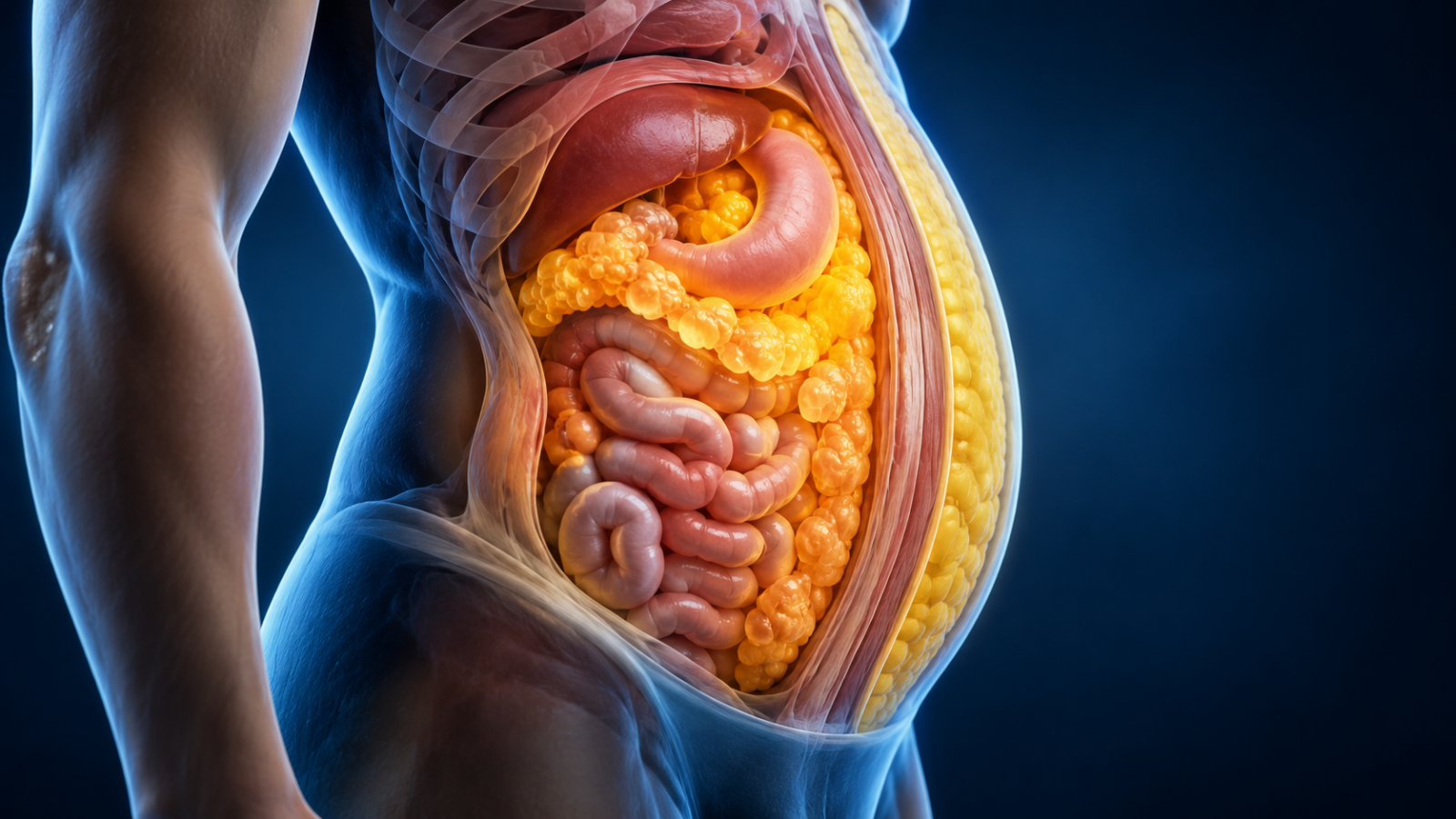
Researchers are now investigating another piece of that metabolic puzzle: the gut microbiome after menopause.
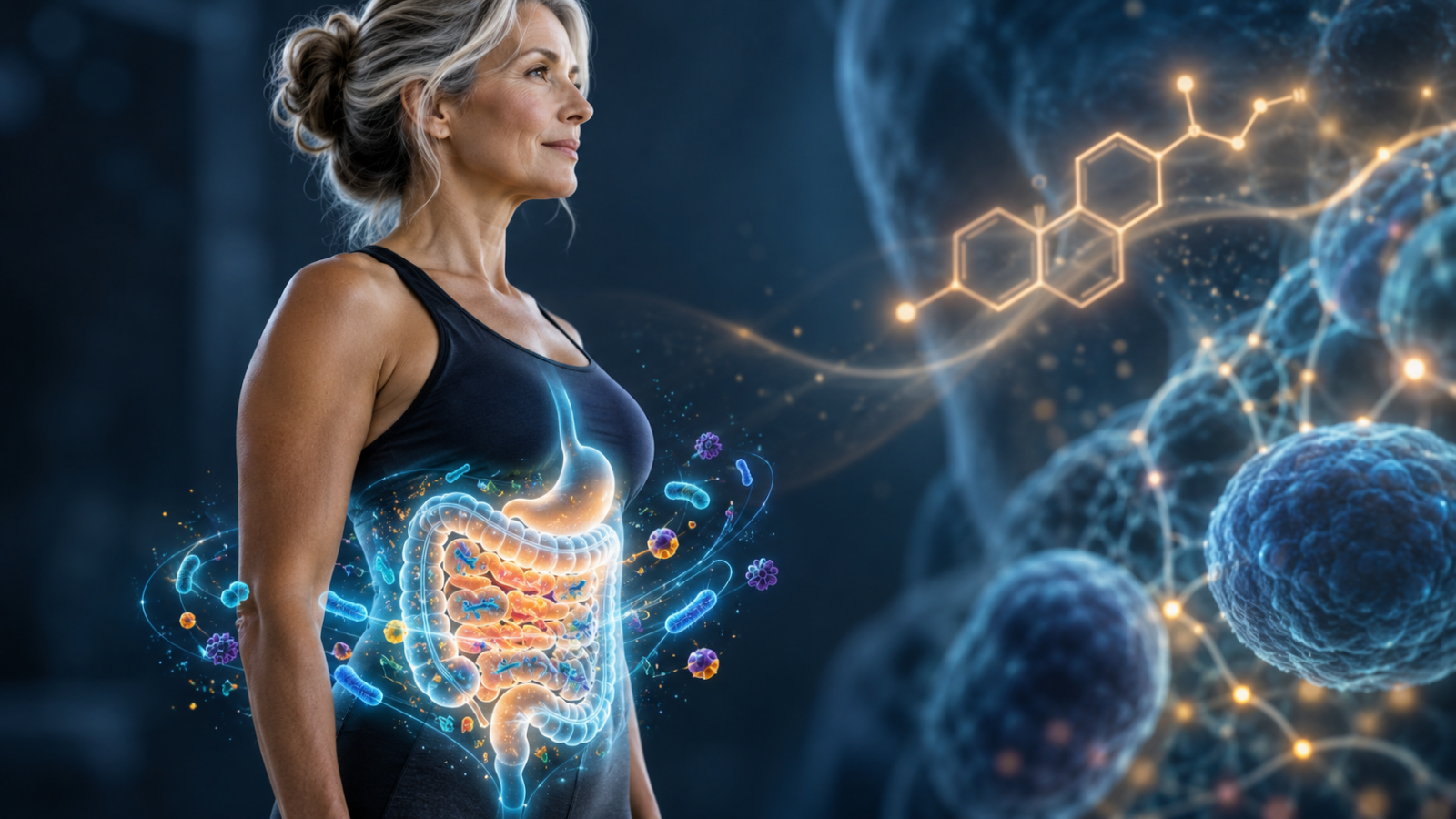
The trillions of microorganisms living in the digestive tract interact with food, the immune system, bile acids, metabolic signaling, and even hormones. At the same time, estrogen appears to influence the intestinal environment.
That creates a two-way relationship between hormones and the gut.
But this is also an area where the science is still evolving. There is no single “menopause microbiome,” and gut bacteria should not be treated as the sole explanation for midlife weight gain or metabolic changes.
What researchers are finding is more interesting than that.
Estrogen, diet, aging, muscle mass, physical activity, medications, sleep, and the gut microbiome may all interact to influence metabolic health during and after menopause.
Here is what we know so far.
What Happens to Estrogen After Menopause?
During the menopausal transition, ovarian production of estradiol and progesterone becomes increasingly variable before eventually declining substantially.
After menopause, the ovaries are no longer the major source of circulating estrogen they once were. Smaller amounts of estrogen can still be produced through other tissues and hormone-conversion pathways.
This change matters because estrogen does much more than regulate reproduction.
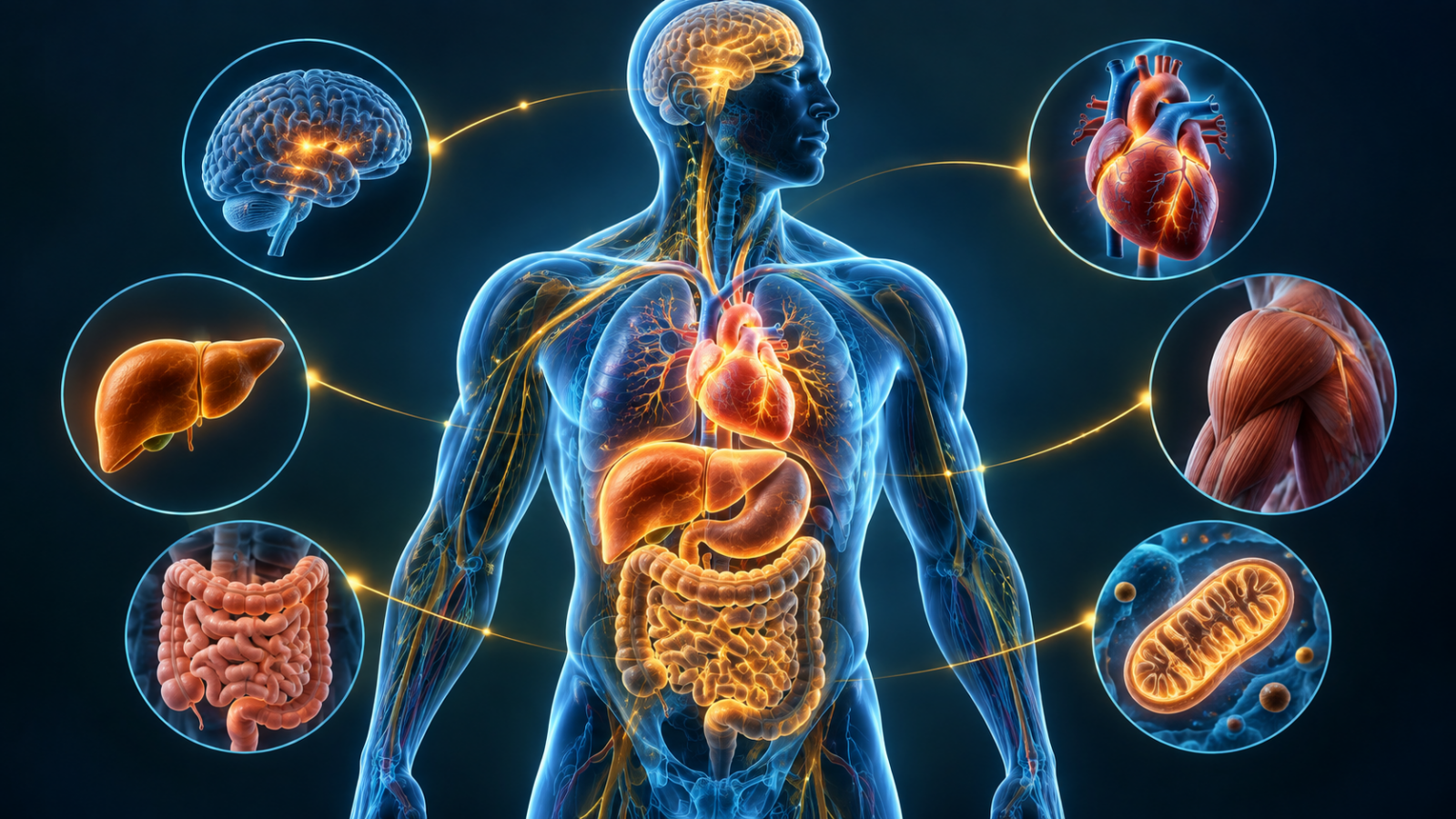
Estrogen receptors are found throughout the body, including tissues involved in:
- Glucose metabolism
- Fat storage
- Bone remodeling
- Blood vessel function
- Brain function
- Liver metabolism
- Muscle physiology
- Gastrointestinal function
Research has associated the menopausal transition with changes in body composition and cardiometabolic risk, although menopause does not occur in isolation from aging, lifestyle, sleep, diet, physical activity, and genetics.
The gastrointestinal tract may be another system affected by this hormonal transition. A 2025 review in Nature Reviews Gastroenterology & Hepatology noted that menopause may influence gastrointestinal function, including gut motility and microbial composition.
What Is the Gut Microbiome?
The gut microbiome is the community of bacteria, viruses, fungi, and other microorganisms that live primarily in the large intestine.
These organisms are not simply passengers.
They help process compounds that humans cannot fully digest on their own and generate metabolites that can interact with human physiology.
For example, gut microbes participate in:
- Fiber fermentation
- Short-chain fatty acid production
- Bile acid metabolism
- Immune signaling
- Vitamin metabolism
- Processing of dietary polyphenols
- Metabolism of certain medications
- Metabolism and recycling of some hormones
The composition and function of the microbiome are influenced by many factors, including diet, age, geography, medications, antibiotics, alcohol, exercise, health conditions, and hormones.
That last factor has generated growing interest in menopause research.
The Estrogen-Gut Connection
The relationship between estrogen and gut bacteria appears to work in both directions.
Estrogen may influence the environment in which intestinal microbes live.
Gut microbes, meanwhile, can participate in the metabolism of estrogen.
This is where a term called the estrobolome becomes important.
What Is the Estrobolome?
The estrobolome refers to the collection of gut microbial genes capable of metabolizing estrogens.
Here’s a simplified version of what happens.
Estrogens circulating through the body can be processed by the liver. Some are conjugated, transported into bile, and delivered to the intestine.
Certain intestinal bacteria produce enzymes, including beta-glucuronidase, that can deconjugate some of these estrogen compounds.
Once deconjugated, some estrogen may be reabsorbed through the intestine and returned to circulation rather than being eliminated in stool.
In other words:
Liver processes estrogen → estrogen enters the intestine → certain microbes modify it → some estrogen can potentially be reabsorbed
This enterohepatic recycling means the microbiome may participate in determining how estrogen is metabolized and eliminated.
It does not mean that manipulating gut bacteria can simply “restore estrogen” after menopause.
The system is considerably more complex.
Does the Gut Microbiome Actually Change After Menopause?
Possibly, but the evidence is not as simple as social media sometimes makes it sound.
Earlier observational studies reported differences between premenopausal and postmenopausal women, including potential changes in microbial diversity and certain bacterial groups.
Some research has also suggested that the gut microbiome may become less sexually distinct after menopause.
But newer analyses have highlighted an important limitation: results are inconsistent.
A 2026 systematic review and meta-analysis evaluated studies comparing women with lower estrogen states, including postmenopause, with premenopausal women. Researchers found no significant overall differences in alpha diversity, Bacteroidetes, Firmicutes, or the Bacteroidetes-to-Firmicutes ratio. The authors also found substantial variation among the included studies.
That matters.
It means we should be cautious about statements such as:
“Menopause destroys your gut bacteria.”
Or:
“Low estrogen causes gut dysbiosis.”
Those claims go further than the evidence currently supports.
Instead, menopause may influence specific microbial species, microbial genes, metabolic pathways, and interactions between bacteria and their host. Those functional differences may ultimately prove more important than simply asking whether someone has “more” or “less” microbial diversity.
How Could the Gut Microbiome Affect Metabolism After Menopause?
Researchers are studying several mechanisms that could connect gut microbes with metabolic health.
1. Short-Chain Fatty Acid Production
When certain gut bacteria ferment dietary fiber, they produce compounds called short-chain fatty acids, including:
- Butyrate
- Propionate
- Acetate
These molecules can interact with intestinal cells, immune signaling, glucose metabolism, appetite-related pathways, and other metabolic processes.
Butyrate is particularly important because it serves as an energy source for cells lining the colon.
A diet that provides a variety of fermentable plant fibers generally gives gut microbes more substrates to work with.
Researchers are investigating whether menopause-related changes in microbial function could alter these pathways, but human evidence is not yet strong enough to identify one universal pattern.
2. Bile Acid Metabolism
Bile acids help the body digest dietary fat.
But they are not simply digestive detergents.
Bile acids also function as signaling molecules involved in glucose metabolism, lipid metabolism, energy balance, and communication between the liver and gut.
Gut microorganisms chemically modify bile acids after they enter the intestine.
Because estrogen decline can also affect lipid metabolism, researchers are studying whether changes in the intestinal microbiome and bile acid metabolism may contribute to the altered lipid profiles sometimes seen after menopause.
A 2026 review examining postmenopausal women highlighted bile acid metabolism, short-chain fatty acid production, and inflammation as potential mechanisms connecting gut microbes with lipid metabolism, while also emphasizing that human findings remain heterogeneous.
3. Inflammation
Chronic low-grade inflammation is associated with insulin resistance and cardiometabolic disease.
The intestinal microbiome communicates constantly with the immune system.
Diet, microbial metabolites, intestinal barrier function, body fat, physical activity, sleep, and other factors can influence this relationship.
Experimental studies suggest estrogen may influence intestinal barrier integrity and immune responses, but translating those findings into specific clinical recommendations for postmenopausal women requires more research.
The takeaway is not that every woman after menopause develops a “leaky gut.”
It is that hormones, intestinal microbes, metabolism, and immune signaling appear to be interconnected systems.
4. Estrogen Metabolism
Because gut microbes participate in estrogen metabolism through the estrobolome, changes in microbial function could theoretically alter how much conjugated estrogen is excreted versus reabsorbed.
This may become particularly interesting after menopause because ovarian estrogen production is already much lower.
However, researchers do not yet have a clinically validated “ideal estrobolome,” nor is there a standard probiotic proven to optimize estrogen recycling after menopause.
Does the Gut Microbiome Explain Menopause Weight Gain?
Not by itself.
This distinction is important.
Midlife changes in weight and body composition can result from several overlapping factors, including:
- Aging
- Declining muscle mass
- Lower physical activity
- Changes in energy expenditure
- Sleep disruption
- Dietary changes
- Insulin resistance
- Stress
- Medications
- Estrogen changes
- Genetic predisposition
Menopause may also influence where fat is stored.
Women commonly experience a greater tendency toward central or abdominal fat accumulation as they move through menopause.
The gut microbiome may contribute to metabolic signaling involved in these processes, but it should be considered one piece of a much larger system.
If your waistline is changing after menopause, the explanation is unlikely to be simply that your “gut bacteria are bad.”
What Can You Do to Support Your Gut After Menopause?
You do not need an exotic gut protocol to start supporting your microbiome.
The most consistently useful strategies are surprisingly foundational.
1. Eat More Types of Plant Foods
Microbial diversity is supported by diversity in the diet.
Instead of focusing exclusively on one “superfood,” rotate among:
- Vegetables
- Fruit
- Beans
- Lentils
- Whole grains
- Nuts
- Seeds
- Herbs
- Spices
Different plants provide different fibers and polyphenols that can be used by different microbial species.
Think variety over perfection.
2. Prioritize Dietary Fiber
Fiber supports digestive health and provides substrate for microbial fermentation.
Useful sources include:
- Lentils
- Chickpeas
- Black beans
- Oats
- Barley
- Berries
- Apples
- Pears
- Broccoli
- Brussels sprouts
- Chia seeds
- Flaxseed
- Avocado
If your current fiber intake is low, increasing it gradually may help reduce bloating and discomfort.
Hydration matters too.
3. Consider a Mediterranean-Style Eating Pattern
A Mediterranean-style diet emphasizes vegetables, fruit, legumes, whole grains, nuts, seeds, olive oil, fish, and minimally processed foods.
This eating pattern is naturally rich in fiber and polyphenols that interact with the intestinal microbiome.
A systematic review of Mediterranean diet interventions in menopausal women found potential improvements in outcomes including body weight, blood pressure, triglycerides, total cholesterol, and LDL cholesterol.
Importantly, these benefits cannot be attributed solely to gut bacteria.
The Mediterranean diet affects numerous cardiovascular and metabolic pathways.
4. Get Enough Protein
Gut health should not come at the expense of muscle health.
Maintaining lean mass becomes increasingly important with age because muscle contributes to:
- Glucose disposal
- Physical function
- Strength
- Metabolic health
- Bone loading
- Healthy aging
A menopause nutrition strategy should therefore combine adequate protein with fiber-rich plant foods rather than treating the two as competing priorities.
5. Strength Train
Resistance training is one of the most valuable tools available during midlife.
Building or preserving muscle can support insulin sensitivity, functional capacity, bone health, and long-term independence.
Exercise may also influence the microbiome, although the relationship is complicated because highly active people often differ in diet, body composition, and other lifestyle factors.
6. Protect Your Sleep
Menopause often disrupts sleep through hot flashes, night sweats, insomnia, mood changes, or other symptoms.
Poor sleep can influence hunger, glucose regulation, food choices, stress responses, and physical activity.
So before assuming every metabolic symptom originates in the gut, look at the entire system.
Sleep may be one of the most important pieces.
7. Use Probiotics With Realistic Expectations
Probiotics are often marketed aggressively to menopausal women.
Some strains may have useful effects in specific situations, and research into probiotics, prebiotics, and synbiotics during menopause is growing.
But probiotic effects are strain-specific.
A product containing a random combination of bacteria should not automatically be expected to:
- Balance estrogen
- Reverse menopause weight gain
- Fix insulin resistance
- Restore the microbiome
- Treat menopause symptoms
A recent review concluded that microbiome-targeted strategies are promising but that evidence remains limited and more research is needed to establish specific mechanisms and interventions.
Should You Get a Gut Microbiome Test?
Direct-to-consumer microbiome testing has become increasingly popular.
These tests can be interesting, but their clinical usefulness is still limited.
There currently is no universally accepted definition of a “perfect” microbiome, and an individual sample can vary based on:
- Recent diet
- Medications
- Antibiotics
- Illness
- Travel
- Bowel habits
- Testing methodology
- Sample handling
A result telling you that a certain bacterial species is “low” does not automatically mean that organism needs to be supplemented.
Testing is most useful when it answers a specific clinical question rather than when it is performed simply to chase an ideal microbiome score.
The Bigger Picture: Menopause Is a Systems-Level Transition
The gut microbiome is an exciting part of menopause research because it connects multiple systems that were previously studied separately.
Hormones influence metabolism.
Diet influences microbes.
Microbes influence metabolites.
Metabolites interact with the immune system.
Muscle affects glucose disposal.
Sleep influences appetite and insulin sensitivity.
Body composition changes hormone metabolism.
None of these systems operates independently.
That is why reducing postmenopausal metabolic health to one hormone, one bacterial species, or one supplement rarely tells the entire story.
What Should Women Pay Attention to After Menopause?
If metabolic health is changing after menopause, looking beyond body weight can provide a much clearer picture.
Depending on your history and clinical situation, your healthcare team may evaluate factors such as:
- Waist circumference and body composition
- Blood pressure
- Fasting glucose
- Hemoglobin A1c
- Fasting insulin when clinically useful
- Triglycerides
- HDL cholesterol
- LDL cholesterol and other lipid markers
- Liver health
- Thyroid function when indicated
- Sleep quality
- Strength and lean muscle
- Dietary protein and fiber intake
- Gastrointestinal symptoms
- Medication use
- Menopause symptoms
The goal should be to understand what is happening across the system rather than assuming every symptom comes from estrogen alone.
Final Takeaway
The gut microbiome after menopause is emerging as an important area of women’s metabolic health research.
Declining estrogen may interact with intestinal microbes, and gut bacteria can influence estrogen metabolism through a network of microbial genes known as the estrobolome.
Researchers are also investigating how microbial metabolites, bile acids, inflammation, and intestinal function could influence glucose and lipid metabolism after menopause.
But the science does not support the idea that every woman develops the same “damaged” microbiome once estrogen declines.
In fact, recent research shows substantial differences between individuals and populations.
The most useful approach is therefore not to obsess over one bacterial species.
Focus on the foundations that support both your microbiome and your metabolism:
Eat a diverse, fiber-rich diet. Maintain adequate protein. Strength train. Move regularly. Protect sleep. Manage cardiometabolic risk factors. And investigate persistent symptoms rather than assuming they are simply part of getting older.
Your gut matters.
But it is part of a much bigger hormonal and metabolic system.
Frequently Asked Questions
Does estrogen affect the gut microbiome?
Research suggests there is a bidirectional relationship between estrogen and the gut microbiome. Estrogen may influence intestinal microbial communities, while certain gut microbes possess enzymes capable of metabolizing estrogen and affecting its enterohepatic recycling. However, researchers are still determining how clinically important these interactions are.
What is the estrobolome?
The estrobolome describes gut microbial genes involved in estrogen metabolism. Some intestinal bacteria produce enzymes such as beta-glucuronidase that can deconjugate estrogen compounds, potentially allowing some estrogen to be reabsorbed rather than eliminated.
Does menopause cause gut dysbiosis?
Not necessarily. Some studies have identified microbiome differences between premenopausal and postmenopausal women, but findings are inconsistent. A 2026 meta-analysis found no significant overall differences in microbial alpha diversity or the abundance of the major Firmicutes and Bacteroidetes phyla between lower-estrogen and premenopausal groups.
Can gut bacteria cause weight gain after menopause?
The gut microbiome may influence metabolic processes related to body weight, but menopause-related weight and body composition changes are multifactorial. Aging, estrogen changes, muscle loss, activity, sleep, diet, genetics, and other factors can all contribute.
What foods support gut health after menopause?
A diet rich in diverse plant foods can provide fiber and polyphenols used by gut microbes. Vegetables, fruit, legumes, whole grains, nuts, seeds, herbs, and spices are useful choices. A Mediterranean-style eating pattern can combine many of these foods with adequate protein and healthy fats.
Should women take probiotics after menopause?
Probiotics may be useful in certain situations, but benefits depend on the specific strain and clinical goal. Current evidence does not support one universal probiotic for balancing estrogen or preventing menopause-related metabolic changes.
References
- Lim MJS, et al. Diet, the Gut Microbiome, and Estrogen Physiology: A Review in Menopausal Health and Interventions. Nutrients. 2026.
- The impact of estrogen status on the gut microbiome: a systematic review and meta-analysis. 2026.
- Ley D, Saha S. Menopause and gastrointestinal health and disease. Nature Reviews Gastroenterology & Hepatology. 2025.
- The Role of Gut Microbiota in Postmenopausal Women: Implications for Lipid Metabolism and Targeted Nutritional Interventions. 2026.
- Systematic review of Mediterranean diet interventions in menopausal women. 2024.
- The gut microbiota in menopause: Is there a role for prebiotic and probiotic solutions? 2025.
This article is for educational purposes only and is not intended to diagnose, treat, cure, or prevent any medical condition. Individual medical and nutritional needs vary. Discuss persistent symptoms or treatment decisions with a qualified healthcare professional.