
NAD+ has become one of the most talked-about molecules in longevity.
Supplements promise to restore youthful cellular energy. Longevity clinics offer NAD+ IV infusions. Nicotinamide riboside (NR) and nicotinamide mononucleotide (NMN) are marketed as ways to support mitochondrial function, metabolism, brain health, and healthy aging.
The biology behind the excitement is legitimate.
But there is an important distinction:
Increasing NAD+ is not the same thing as proving that humans age more slowly or live longer.
As of 2026, human research shows that several NAD+-boosting strategies can reliably change NAD-related biomarkers. What researchers have not demonstrated is that these interventions extend human lifespan, reverse aging, or consistently improve the major clinical outcomes associated with healthy aging.
A major 2026 systematic review evaluated 33 human intervention studies, including 28 randomized trials. Oral NR and NMN generally increased NAD-related metabolites, but improvements in metabolic health, cardiovascular function, physical performance, and other healthspan measures were inconsistent.
That makes NAD+ promising biology, but not a proven longevity treatment.
Here is what we actually know.
What Is NAD+?
NAD+ stands for nicotinamide adenine dinucleotide.
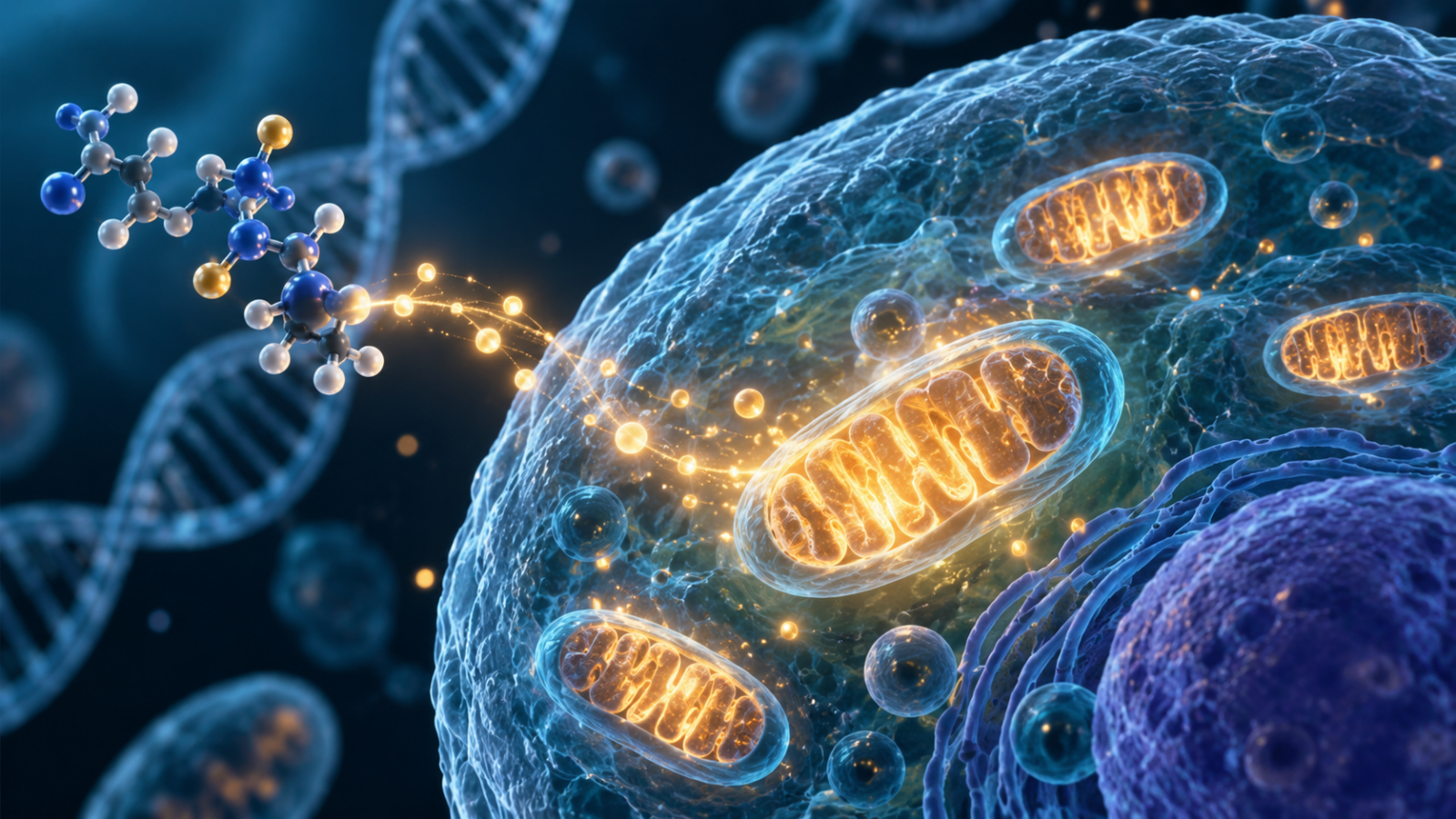
It is a molecule found in virtually every cell of the body and plays several essential roles in normal physiology.
NAD+ helps support:
- Cellular energy production
- Mitochondrial metabolism
- Oxidation-reduction reactions
- DNA repair pathways
- Cellular stress responses
- Sirtuin enzyme activity
- PARP enzyme activity
- Metabolic signaling
Without adequate NAD+, cells cannot efficiently perform many of the chemical reactions required to stay alive.
That alone makes NAD+ important.
The more complicated question is whether deliberately increasing NAD+ in humans produces meaningful improvements in aging or longevity.
Does NAD+ Really Decline With Age?
This is one of the most repeated claims in longevity medicine.
Animal research has found age-related changes in NAD+ metabolism in multiple tissues. That contributed to the theory that declining NAD+ may play a role in mitochondrial dysfunction, impaired DNA repair, inflammation, metabolic disease, and other features associated with aging.
The human picture is less straightforward.
A major 2025 review in Nature Metabolism concluded that evidence for an age-related decline in NAD+ in humans has been consistently demonstrated in only a limited number of studies. Researchers emphasized that NAD+ metabolism appears to be highly tissue-specific and that conclusions drawn from rodents cannot automatically be applied to people.
The story became even more interesting in 2026.
Researchers analyzing seven independent human cohorts found that whole-blood NAD+ concentrations remained remarkably stable across age. The researchers concluded that whole-blood NAD+ may not be a useful general biomarker of biological aging, although NAD+ concentrations did respond to nicotinamide riboside supplementation.
This does not mean NAD+ metabolism is irrelevant to aging.
It means the statement “NAD+ simply falls as you get older” is probably too simplistic.
Different tissues, cellular compartments, diseases, inflammatory states, and metabolic conditions may behave differently.
The Most Important Concept: Raising NAD+ Is Not the Same as Extending Lifespan
This is where much of the marketing around NAD+ gets ahead of the science.
Researchers commonly measure something called target engagement.
If someone takes an NAD+ precursor and blood NAD+ or related metabolites increase, the compound has successfully affected its intended biological pathway.
That is scientifically meaningful.
But it does not automatically mean the person will:
- Live longer
- Avoid cardiovascular disease
- Prevent dementia
- Lose body fat
- Build muscle
- Improve insulin sensitivity
- Feel more energetic
- Reverse biological aging
A useful way to think about it is:
Biochemical change → possible physiological effect → possible clinical benefit → possible longevity benefit
Human research has clearly reached the first step.
The later steps remain much less certain.
What the 2026 Human NAD+ Research Shows
1. NR and NMN Can Increase NAD-Related Biomarkers
This is currently the most consistent human finding.
Nicotinamide riboside and nicotinamide mononucleotide are precursors the body can use within NAD+ metabolism.
Multiple clinical trials show that oral NR and NMN can increase NAD+ or related metabolites in blood or cells.
A 2026 systematic review covering 33 human intervention studies concluded that oral NR and NMN consistently demonstrated biochemical target engagement and were generally well tolerated during studies lasting weeks to months.
Older studies support the same conclusion.
For example, a randomized crossover study in healthy middle-aged and older adults found that six weeks of NR supplementation increased NAD+ metabolism and was generally well tolerated.
So if the question is:
Can NAD+ precursors alter human NAD metabolism?
The answer is yes.
If the question is:
Does that make people live longer?
We do not know.
2. NMN and Metabolic Health: The Results Are Mixed
Metabolic health is one of the most interesting areas of NAD+ research.
A well-known randomized trial published in Science studied postmenopausal women with prediabetes who also had overweight or obesity.
After 10 weeks, NMN improved insulin-stimulated glucose disposal in skeletal muscle and increased markers of muscle insulin signaling compared with placebo.
That finding generated considerable attention.
But it was a small, highly specific trial, and questions were subsequently raised about baseline differences between the groups.
Other trials have produced different results.
A study involving overweight or obese adults age 45 and older found that four weeks of a high-dose NMN formulation increased NAD-related metabolites and produced improvements in several exploratory outcomes, including body weight, diastolic blood pressure, and cholesterol measures. The study included only 30 participants and lasted 28 days, however, so larger trials are needed before those findings can be considered established effects.
More importantly, a 2026 meta-analysis pooled 15 randomized controlled trials of oral NMN, using doses ranging from 250 to 2,000 mg per day for 14 days to 24 weeks.
Across the studies, NMN did not significantly improve:
- Body weight
- BMI
- Fasting glucose
- HbA1c
- HDL cholesterol
- LDL cholesterol
- Total cholesterol
- Triglycerides
- Systolic blood pressure
A small reduction in diastolic blood pressure was observed, while HOMA-IR showed a nonsignificant trend toward improvement.
What does that mean?
NMN may influence metabolic biology in certain populations, but current evidence does not support describing it as a proven treatment for obesity, diabetes, insulin resistance, or metabolic disease.
3. NAD+ Boosters and Cardiovascular Health
NAD+ biology also intersects with vascular aging, oxidative stress, endothelial function, and blood pressure.
Some early NR research suggested potential improvements in arterial stiffness and systolic blood pressure, creating interest in NAD+ precursors for cardiovascular aging.
But subsequent research has been inconsistent.
A 2025 randomized pilot trial studied 54 sedentary adults age 55 or older with hypertension.
Participants received:
- NR plus aerobic exercise
- Placebo plus aerobic exercise
- NR alone
The researchers found that combining NR with exercise did not lower daytime systolic blood pressure more than exercise plus placebo.
NR clearly altered NAD metabolism, but the primary cardiovascular outcome did not improve.
This is another example of the central problem in NAD+ research:
The biomarker moves. The clinical endpoint does not necessarily follow.
4. Does NAD+ Improve Brain Health or Cognition?
NAD+ is involved in neuronal metabolism, mitochondrial function, inflammation, and cellular stress signaling, so researchers have explored whether increasing NAD+ could potentially influence cognitive aging.
Human evidence remains extremely preliminary.
One randomized placebo-controlled pilot trial studied 20 older adults with mild cognitive impairment.
NR supplementation increased blood NAD+ approximately 2.6-fold.
But despite that substantial biochemical change, cognitive scores did not improve compared with placebo.
The investigators concluded that NR was well tolerated but did not alter cognition during the short trial.
That does not prove NAD+ pathways have no role in brain aging.
It means that increasing blood NAD+ has not yet been shown to reliably improve human cognition.
Large, long-duration clinical trials are still needed.
5. What About Energy and Physical Performance?
This is another area where marketing claims tend to be stronger than the evidence.
Because NAD+ is intimately involved in cellular energy metabolism and mitochondrial reactions, it seems reasonable to assume that increasing NAD+ should improve energy or exercise performance.
Human physiology has proven more complicated.
Some NMN studies have reported improvements in secondary measures such as walking speed or selected muscle function tests.
For example, a randomized study of older adults receiving 250 mg of NMN daily for 12 weeks found increased blood NAD+ and a faster four-meter walking time. However, the primary stepping-test outcome was not significantly different from placebo.
Another trial in healthy older men reported increases in blood NAD+ metabolites and nominal improvements in some measures of gait speed and grip strength, but no significant improvement in body composition.
Taken together, these findings are interesting but not definitive.
There is not yet strong evidence that NAD+ supplementation consistently increases strength, exercise capacity, muscle mass, or day-to-day energy in healthy adults.
What About Taking NAD+ Itself?
Most human research historically focused on NAD+ precursors because large molecules such as NAD+ were thought to face challenges involving digestion, cellular transport, metabolism, and bioavailability.
That research area is now evolving.
A 2026 randomized Phase 0/1b study evaluated a modified oral NAD+ formulation in adults ages 45 to 75.
After five days, intracellular whole-blood NAD increased by approximately 53% compared with placebo.
That provides evidence that certain oral NAD+ formulations may be able to influence intracellular NAD metabolism.
But the study was short, primarily designed around biochemical endpoints, and no secondary clinical, wellbeing, vital-sign, or wearable outcome remained statistically significant after correction for multiple comparisons.
So this is an intriguing pharmacology finding, not evidence that oral NAD+ improves longevity.
What Does Research Say About NAD+ IV Therapy?
NAD+ IV therapy has become increasingly popular at longevity clinics, wellness centers, and performance clinics.
Claims sometimes include:
- Increased energy
- Improved cognition
- Faster recovery
- Improved mitochondrial function
- Reduced fatigue
- Anti-aging effects
- Enhanced longevity
The clinical evidence does not currently support many of those claims.
A 2026 systematic review specifically examined the available evidence and found no eligible clinical outcomes trials evaluating IV or intramuscular NAD+ itself for anti-aging or wellness purposes.
That is an important distinction.
IV administration may deliver a compound directly into circulation, but bypassing the gastrointestinal tract does not automatically prove that it produces superior health outcomes.
A New 2026 NAD+ IV Study Adds Safety Information, Not Longevity Proof
A 2026 retrospective study reviewed people receiving four consecutive days of 500 mg IV NAD+ or IV nicotinamide riboside in a commercial setting.
Participants receiving NAD+ IV commonly reported infusion-related symptoms including:
- Gastrointestinal symptoms
- Increased heart rate
- Chest pressure
Symptoms resolved after the infusion.
Participants receiving IV NR generally reported milder symptoms such as tingling and cramping.
Researchers found no significant changes in several liver, kidney, thyroid, or inflammatory safety markers during the short follow-up period.
However, the study was retrospective, conducted in a commercial setting, followed patients for only 30 days, and was not designed to determine whether NAD+ IV therapy slows aging or improves lifespan.
In other words:
IV NAD+ now has some preliminary tolerability data, but it still does not have convincing human longevity evidence.
Does NAD+ Extend Human Lifespan?
As of 2026:
There is no clinical trial demonstrating that NAD+, NR, or NMN extends human lifespan.
There is also no convincing human evidence demonstrating that these compounds broadly reverse biological aging.
Animal research is much more impressive.
Rodent studies have found that manipulating NAD+ metabolism can affect mitochondrial function, inflammation, metabolic health, tissue repair, and various aspects of aging biology.
But humans are not large mice.
A 2026 systematic review found frequent benefits across rodent studies while human outcomes remained inconsistent and often null or restricted to individual endpoints.
This gap between animal research and human outcomes is one of the most important things to understand about longevity science.
Are NAD+ Supplements Safe?
Nicotinamide Riboside
NR has generally been well tolerated in short-term human clinical trials.
Studies have used doses around 1,000 mg per day in several populations, although doses and formulations vary considerably.
Long-term safety over many years has not been established.
Nicotinamide Mononucleotide
The 2026 meta-analysis of randomized NMN trials found no significant increase in:
- Overall adverse events
- Serious adverse events
- Withdrawals caused by adverse events
- Gastrointestinal adverse events
- Liver enzyme abnormalities
Trials included doses between 250 and 2,000 mg per day.
That is reassuring for short-term tolerability.
It should not be interpreted as proof of lifetime safety.
Most trials have lasted weeks or months, not years or decades.
IV NAD+
IV NAD+ presents a different situation because it is administered intravenously and infusion-related symptoms may occur.
Existing research is far too limited to establish long-term safety or longevity benefits.
Who Might Eventually Benefit Most From NAD+ Therapies?
One possibility emerging from the research is that NAD+-targeted therapies may eventually prove more useful in specific populations than in universally healthy adults.
Potential areas of investigation include people with:
- Metabolic dysfunction
- Insulin resistance
- Mitochondrial disorders
- Cardiovascular risk
- Chronic inflammatory states
- Age-related functional decline
- Certain neurological disorders
This could help explain why some studies produce positive results while others find almost nothing.
If an individual’s NAD+ metabolism is already functioning normally, pushing a blood biomarker higher may not necessarily improve health.
The future of NAD+ medicine may therefore involve identifying who actually has a relevant biological deficit, rather than assuming everyone needs to raise NAD+.
Measuring NAD+: More Complicated Than It Sounds
Consumers can now find clinics offering blood NAD+ testing.
The challenge is interpretation.
A 2026 Nature Metabolism study found that whole-blood NAD+ remained relatively stable across age and lifestyle differences, raising questions about whether a single blood NAD+ measurement can meaningfully represent biological aging.
Different tissues can have very different NAD+ dynamics.
NAD+ inside:
- Skeletal muscle
- Liver tissue
- Brain tissue
- Immune cells
- Red blood cells
- Mitochondria
- Cytoplasm
may not behave identically.
A blood measurement is therefore not necessarily a complete picture of cellular NAD+ biology throughout the body.
NAD+ vs. NR vs. NMN: What Is the Difference?
| Compound | What It Is | Human Evidence in 2026 |
|---|---|---|
| NAD+ | Active cellular coenzyme | Essential biologically, but supplementation evidence remains limited |
| NR | NAD+ precursor | Consistently alters NAD metabolism; clinical benefits are mixed |
| NMN | NAD+ precursor | Raises NAD-related biomarkers; some promising small trials, but pooled metabolic effects are limited |
| IV NAD+ | NAD+ delivered intravenously | Very limited controlled outcomes research for longevity |
| Oral NAD+ formulations | Direct oral NAD+ delivery strategies | Emerging evidence of biochemical absorption/target engagement, but not proven clinical longevity benefit |
The best-studied question is currently not whether NAD+ therapy makes humans live longer.
It is whether different compounds can safely manipulate NAD+ metabolism.
The answer to that narrower question is increasingly yes.
The important clinical questions come next.
The Biggest Problems With Current NAD+ Longevity Research
Small Studies
Many NAD+ trials include dozens of people rather than hundreds or thousands.
That increases the possibility of chance findings and makes subgroup analysis difficult.
Short Duration
Most trials last weeks to months.
A longevity intervention would ideally be studied for years.
Different Populations
Trials have included healthy adults, older adults, people with obesity, hypertension, prediabetes, cognitive impairment, and other conditions.
An intervention might benefit one population without producing the same effect in another.
Different Compounds and Doses
NR, NMN, NAD+, niacin, and other NAD-related compounds cannot automatically be treated as interchangeable.
Biomarkers Instead of Hard Outcomes
Increasing NAD+ concentrations is interesting.
But longevity research ultimately needs outcomes such as:
- Disease incidence
- Frailty
- Physical function
- Cognitive decline
- Cardiovascular events
- Disability
- Healthspan
- Mortality
Those studies largely do not exist yet.
What Actually Matters Most for Longevity Right Now?
NAD+ is scientifically interesting.
But supplementation should not distract from interventions with substantially stronger human evidence.
The foundations of healthy aging remain:
Strength Training
Maintaining muscle mass, strength, and physical function becomes increasingly important with age.
Cardiovascular Fitness
Aerobic capacity is strongly associated with cardiovascular and overall health.
Metabolic Health
Blood pressure, glucose regulation, insulin sensitivity, lipid levels, and body composition matter far more than chasing one longevity biomarker.
Sleep
Consistent, restorative sleep supports metabolic, neurological, endocrine, and cardiovascular health.
Nutrition
Adequate protein, fiber, micronutrients, and an overall nutrient-dense dietary pattern remain foundational.
Smoking and Alcohol Exposure
Reducing tobacco exposure and excessive alcohol intake has a much clearer relationship with long-term health than any NAD+ supplement currently available.
Identifying Individual Risk Factors
High blood pressure, insulin resistance, sleep apnea, hormone abnormalities, nutrient deficiencies, metabolic dysfunction, and other treatable conditions can have a profound impact on healthspan.
This is why longevity medicine works best when it starts with comprehensive health assessment rather than a single molecule.
Should You Take NAD+, NR, or NMN?
There is no universal answer.
Current evidence suggests NAD+ precursors can change NAD metabolism and appear reasonably well tolerated in the short term.
What current research does not establish is that everyone benefits from taking them.
Your decision should consider:
- Age
- Medications
- Existing medical conditions
- Metabolic health
- Goals
- Other supplements
- Dose
- Product quality
- Available evidence
- Potential risks
- Whether a measurable clinical problem is actually being addressed
More supplementation is not automatically better longevity medicine.
The Bottom Line on NAD+ for Longevity in 2026
NAD+ biology deserves serious scientific attention.
The molecule is central to cellular metabolism, mitochondrial biology, DNA repair, and multiple signaling pathways connected with aging.
Human research has also progressed substantially.
We can now say with reasonable confidence that:
NR and NMN can increase NAD-related biomarkers in humans.
Short-term oral NR and NMN appear generally well tolerated in studied populations.
Some studies have produced promising metabolic, vascular, or physical-function findings.
But we also need to say:
Human clinical benefits remain inconsistent.
Increasing NAD+ does not automatically improve healthspan.
IV NAD+ has very limited clinical outcomes evidence.
No human study has demonstrated that NAD+ supplementation extends lifespan.
That does not make NAD+ meaningless.
It means the science is still developing.
The most interesting question for the next generation of research is no longer simply, “Can we raise NAD+?”
We already know we can.
The question is:
Who benefits from raising it, in which tissue, at what dose, by which method, and does that ultimately produce meaningful improvements in health and longevity?
Those are the questions that will determine whether NAD+ becomes an important part of evidence-based longevity medicine or remains primarily an interesting biomarker.
Frequently Asked Questions About NAD+ and Longevity
Does NAD+ reverse aging?
There is currently no human clinical evidence demonstrating that NAD+ supplementation reverses aging. Some NAD+-boosting compounds influence pathways involved in aging biology, but that is different from proving that aging itself has been reversed.
Does NAD+ make you live longer?
No human randomized trial has shown that NAD+, NR, or NMN extends lifespan.
Does NMN increase NAD+?
Yes. Multiple human trials have shown that oral NMN can increase NAD+ or related NAD metabolites.
Is NR better than NMN?
There is not enough high-quality head-to-head clinical research to conclude that one is universally better. Both can affect NAD metabolism, and their clinical benefits remain under investigation.
Does NAD+ IV therapy work?
IV NAD+ can deliver NAD+ directly into circulation, but there is currently very limited evidence showing that IV NAD+ improves longevity, cognition, energy, or other major clinical outcomes. A 2026 systematic review found no eligible outcomes trials testing IV or intramuscular NAD+ specifically for anti-aging or wellness benefits.
Are NAD+ supplements safe?
NR and NMN have generally appeared well tolerated in short-term human studies. Long-term safety over years remains uncertain.
Can NAD+ improve insulin sensitivity?
Some small studies have reported improvements in insulin-related outcomes, particularly in metabolically at-risk populations. However, a 2026 meta-analysis did not find broad improvements in fasting glucose, HbA1c, body weight, or most conventional metabolic outcomes.
Can NAD+ improve brain function?
Human evidence is currently insufficient. A small randomized NR trial in people with mild cognitive impairment significantly increased blood NAD+ without improving cognitive performance.
What is the best NAD+ supplement for longevity?
There is currently no NAD+ supplement proven to extend human lifespan. NR and NMN have the largest body of human precursor research, but treatment decisions should be based on individual health context rather than longevity marketing.
References
- Gallagher C, Emmanuel OO. NAD+ supplementation for anti-aging and wellness: A PRISMA-guided systematic review of preclinical and clinical evidence. Ageing Research Reviews. 2026;116:103057.
- Vinten KT, et al. NAD+ precursor supplementation in human ageing: clinical evidence and challenges. Nature Metabolism. 2025;7:1974-1990.
- Human whole-blood NAD+ levels do not vary with age or lifestyle interventions. Nature Metabolism. 2026.
- Yang W, Huang J, Tang Z, Chen C, Sun Y. Safety and Metabolism-Related Outcomes of Oral Nicotinamide Mononucleotide Supplementation in Adults: A Systematic Review and Meta-Analysis. Nutrients. 2026;18(14):2251.
- Yoshino M, et al. Nicotinamide mononucleotide increases muscle insulin sensitivity in prediabetic women. Science. 2021;372:1224-1229.
- Martens CR, et al. Chronic nicotinamide riboside supplementation is well-tolerated and elevates NAD+ in healthy middle-aged and older adults. Nature Communications. 2018.
- Orr ME, et al. A randomized placebo-controlled trial of nicotinamide riboside in older adults with mild cognitive impairment. GeroScience. 2024;46:665-682.
- Lin Y, et al. Nicotinamide riboside combined with exercise to treat hypertension in middle-aged and older adults: a pilot randomized clinical trial. GeroScience. 2025;47:6895-6908.
- Kornilov SA, et al. Oral LNAD+ rapidly elevates whole blood intracellular NAD and metabolic flux without elevating plasma NAD: evidence from a randomized controlled trial. GeroScience. 2026.
- Reyna K, et al. Intravenous infusion of nicotinamide adenine dinucleotide (NAD+) versus nicotinamide riboside (NR): a retrospective tolerability pilot study in a real-world setting. 2026.
Medical Disclaimer: This article is for educational purposes only and is not intended to diagnose, treat, cure, or prevent any disease. NAD+, NR, NMN, and IV therapies may not be appropriate for everyone. Discuss supplements, medications, and medical treatments with a qualified healthcare professional who understands your medical history.