
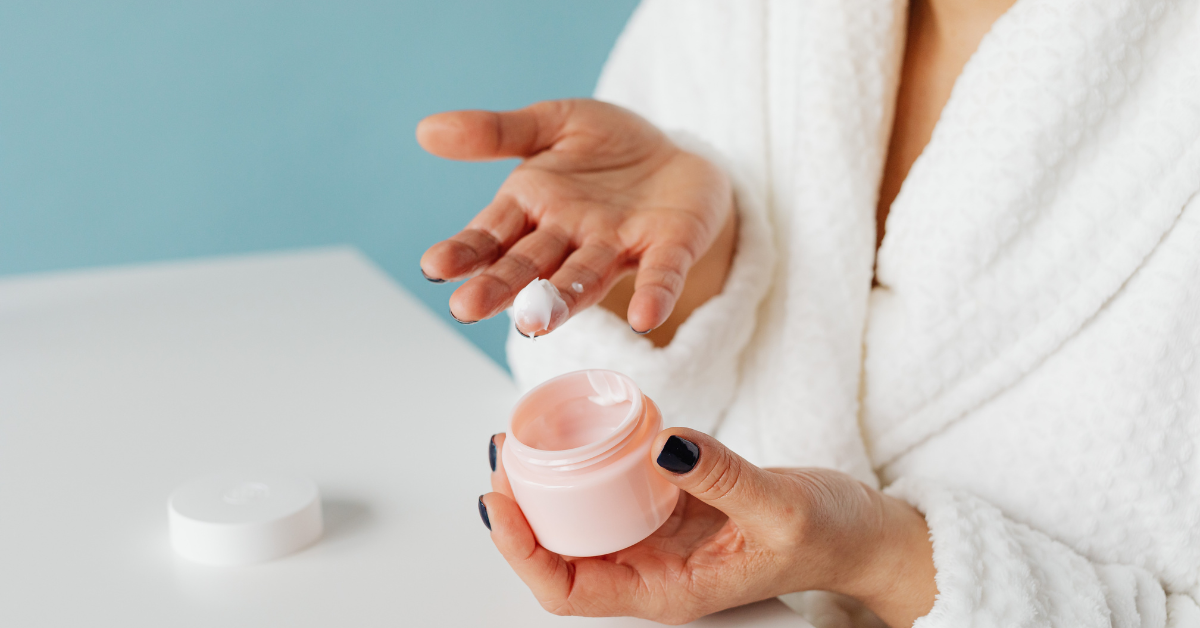
Progesterone cream has become one of the most widely discussed options for women navigating hormonal changes during perimenopause, menopause, and beyond. As a topical form of progesterone, it offers a targeted delivery method that many women prefer over oral supplements or injections. But with so many products on the market, from over-the-counter formulas to prescription bioidentical compounds, understanding the differences matters for making an informed choice.
Wondering if progesterone cream is right for you? Our providers specialize in personalized hormone therapy backed by comprehensive lab testing. Learn more about 1st Optimal membership →
What Is Progesterone Cream?
Progesterone cream is a topical formulation that delivers the hormone progesterone through the skin (transdermally). It is designed to supplement the body’s declining progesterone levels, which naturally decrease as women age, particularly during perimenopause and menopause.
There are two broad categories of progesterone cream. Over-the-counter (OTC) products typically contain progesterone derived from wild yam (diosgenin) or soy and are classified as cosmetics or supplements rather than medications. Prescription progesterone creams, on the other hand, contain USP-grade bioidentical progesterone that is molecularly identical to the progesterone your body produces. This distinction is critical because it affects potency, absorption, and clinical outcomes.
The term “natural progesterone cream” is frequently used in marketing but can be misleading. Wild yam extract alone does not convert to progesterone in the human body. Only products containing actual USP progesterone, whether derived from plant sources or synthesized, deliver bioavailable progesterone through the skin.
How Does Progesterone Cream Work?
When applied to thin-skinned areas of the body, progesterone cream is absorbed through the dermal layers and enters the bloodstream. Unlike oral progesterone, which undergoes first-pass metabolism in the liver (reducing its bioavailability), transdermal progesterone bypasses the digestive system entirely. This means a higher percentage of the active hormone reaches target tissues.
Once in the bloodstream, progesterone binds to progesterone receptors throughout the body. These receptors are found in the uterus, breasts, brain, bones, and cardiovascular system. Progesterone plays essential roles in regulating the menstrual cycle, supporting endometrial health, promoting sleep quality, stabilizing mood, and maintaining bone density.
Research published in the Journal of Clinical Endocrinology and Metabolism has demonstrated that transdermal progesterone achieves therapeutic serum levels when dosed appropriately. However, absorption rates vary based on the formulation’s concentration, the application site, and individual skin characteristics.
OTC vs Prescription Progesterone Cream: Key Differences
The gap between over-the-counter and prescription progesterone cream is significant. Here is what separates them:
Concentration and dosing. OTC creams typically contain 15-25 mg of progesterone per application, though actual concentrations vary widely between brands. Prescription bioidentical progesterone cream is compounded to a specific concentration based on your lab results and symptoms, often ranging from 20 mg to 200 mg per dose.
Quality control. Prescription creams compounded at licensed pharmacies must meet USP standards for purity, potency, and sterility. OTC products are regulated as cosmetics or dietary supplements and are not held to the same pharmaceutical standards. Studies have found that some OTC progesterone creams contain significantly less progesterone than their labels claim.
Clinical oversight. Prescription progesterone cream requires a provider who monitors your hormone levels through blood work or advanced testing like the DUTCH test. This allows for precise dose adjustments over time. OTC products are used without clinical supervision, which increases the risk of under-dosing or hormonal imbalance.
Bioidentical vs synthetic. Prescription bioidentical progesterone cream contains progesterone that is structurally identical to human progesterone. Some OTC products contain wild yam extract or diosgenin, which the body cannot convert into usable progesterone. Only products clearly labeled as containing USP progesterone provide the actual hormone.
What Are the Benefits of Progesterone Cream?
When used at appropriate doses under clinical guidance, progesterone cream offers several well-documented benefits:
Menopause symptom relief. Progesterone helps counterbalance estrogen dominance, a common pattern during perimenopause where estrogen levels fluctuate while progesterone steadily declines. This imbalance contributes to hot flashes, night sweats, mood swings, and sleep disruption. Supplementing with bioidentical progesterone can help restore balance and reduce these symptoms.
Improved sleep quality. Progesterone has a calming effect on the central nervous system. It is metabolized into allopregnanolone, a neurosteroid that acts on GABA receptors in the brain, the same receptors targeted by anti-anxiety medications. Many women report significantly better sleep within weeks of starting progesterone therapy.
Endometrial protection. For women using estrogen therapy, progesterone is essential to protect the uterine lining from hyperplasia (overgrowth). The combination of estrogen and progesterone is considered the standard of care for hormone replacement therapy in women with an intact uterus.
Mood stabilization. Progesterone’s effects on GABA receptors contribute to reduced anxiety and more stable moods. Research has linked low progesterone levels to increased irritability, anxiety, and depressive symptoms during the perimenopausal transition.
Bone health support. Progesterone stimulates osteoblast activity (bone-building cells). While estrogen prevents bone resorption, progesterone actively supports new bone formation. This dual mechanism is why combined hormone therapy is associated with better bone density outcomes.
Who Should Consider Using Progesterone Cream?
Progesterone cream may be appropriate for several groups of women:
- Perimenopausal women experiencing irregular cycles, heavy periods, sleep disruption, or mood changes related to declining progesterone levels
- Menopausal women using estrogen therapy who need endometrial protection
- Women with estrogen dominance symptoms such as breast tenderness, water retention, weight gain around the midsection, and cyclical headaches
- Women who prefer transdermal delivery over oral medications due to gastrointestinal sensitivity or concerns about liver metabolism
- Post-hysterectomy women who may still benefit from progesterone’s effects on sleep, mood, and bone health (not just endometrial protection)
The critical first step is comprehensive hormone testing. Progesterone levels should be evaluated alongside estrogen, testosterone, DHEA, cortisol, and thyroid markers to get the full picture. Treating one hormone in isolation rarely produces optimal results. Understanding the connection between nutrients like zinc and progesterone can also inform a more complete approach.
Get personalized hormone guidance from a dedicated provider who reviews your full lab panel before recommending any protocol. Learn more about 1st Optimal membership →
How Do You Apply Progesterone Cream?
Proper application technique directly impacts absorption and effectiveness. Follow these evidence-based guidelines:
Application sites. Apply progesterone cream to thin-skinned areas where blood vessels are close to the surface. The inner wrists, inner forearms, behind the knees, the neck, and the chest are effective sites. Rotate application sites daily to prevent skin saturation, which can reduce absorption over time.
Timing. Most providers recommend applying progesterone cream in the evening, as its calming and sleep-promoting effects align with nighttime use. For premenopausal women, progesterone is typically used during the luteal phase (days 14-28 of the cycle). Menopausal women generally use it daily or on a cyclic schedule as directed by their provider.
Dosing. Prescription doses are individualized based on lab results. A common starting dose ranges from 20-40 mg per day, with adjustments made after follow-up testing. Do not adjust your dose without consulting your provider, as both under-dosing and over-dosing can cause symptoms.
Absorption tips. Apply to clean, dry skin. Avoid applying immediately after showering when pores are open, as this can increase absorption beyond intended levels. Allow the cream to fully absorb (5-10 minutes) before covering with clothing. Avoid applying to areas with thick skin, calluses, or recent sun exposure.
What Are the Side Effects of Progesterone Cream?
Progesterone cream is generally well-tolerated, especially when dosed appropriately under clinical supervision. However, some women may experience:
- Drowsiness or fatigue — progesterone’s calming effect can cause excessive sleepiness, particularly at higher doses (this is why evening application is preferred)
- Breast tenderness — usually temporary and dose-dependent
- Headaches — may occur during the adjustment period as the body adapts to new hormone levels
- Skin irritation at the application site — rotating sites and using a high-quality compounded formulation can minimize this
- Mood changes — while progesterone typically improves mood, some women are sensitive to its metabolites and may experience irritability
- Spotting or breakthrough bleeding — particularly in the first 1-3 months of use
Most side effects resolve within the first few weeks as the body adjusts. If symptoms persist, your provider can modify the dose or switch delivery methods. The key advantage of working with a clinician who monitors your labs is that dosing can be precisely adjusted to minimize side effects while maximizing benefits.
Why Is Bioidentical Progesterone Cream Often the Better Choice?
Not all progesterone is created equal. Synthetic progestins (such as medroxyprogesterone acetate, found in conventional HRT like Provera) have a different molecular structure than human progesterone. This structural difference means synthetic progestins bind differently to receptors and can produce side effects not seen with bioidentical progesterone.
The Women’s Health Initiative (WHI) study, which raised concerns about HRT in 2002, used synthetic progestins combined with conjugated equine estrogens. Subsequent research has distinguished between the risks of synthetic progestins and the safety profile of bioidentical progesterone. A 2005 French cohort study published in Breast Cancer Research and Treatment found that bioidentical progesterone was not associated with the increased breast cancer risk linked to synthetic progestins.
Bioidentical progesterone cream, when compounded to the correct dose and monitored through lab work, offers a more physiological approach to hormone replacement. It works with your body’s natural receptor systems rather than forcing an imperfect fit.
How 1st Optimal Approaches Progesterone Therapy
At 1st Optimal, progesterone therapy is never a one-size-fits-all prescription. Every protocol begins with comprehensive diagnostic testing that goes far beyond standard blood panels. Our approach includes:
- Advanced hormone testing using the DUTCH test to measure progesterone metabolites, cortisol patterns, and estrogen metabolism pathways
- Complete blood panel analysis covering thyroid function, inflammatory markers, nutrient levels, and metabolic health
- Detailed symptom assessment to understand how hormonal imbalances are affecting your daily life
- Personalized treatment protocols designed by providers with specialized training in bioidentical hormone replacement therapy
- Ongoing monitoring and dose adjustments based on follow-up labs and symptom tracking
This data-driven, personalized approach is what separates evidence-based hormone optimization from the guesswork of self-treating with OTC products. Your dedicated Membership Manager coordinates your care, lab orders, and prescription management, so you always have a direct line to your care team.
Ready to take control of your hormonal health? 1st Optimal offers comprehensive testing and personalized treatment plans. Learn more about 1st Optimal membership →
Explore how our women’s hormone therapy can help you restore balance and feel your best.
Curious about the process? See how 1st Optimal works to learn about our step-by-step approach.
Frequently Asked Questions About Progesterone Cream
Is progesterone cream safe to use long-term?
Bioidentical progesterone cream, when prescribed and monitored by a qualified provider, has a favorable safety profile for long-term use. Studies on bioidentical progesterone have not shown the same risks associated with synthetic progestins. Regular lab monitoring ensures dosing remains appropriate as your body’s needs change over time.
How quickly does progesterone cream start working?
Many women notice improvements in sleep quality within the first 1-2 weeks. Mood stabilization and hot flash reduction typically develop over 4-6 weeks. Full hormonal equilibrium, confirmed through lab testing, usually takes 2-3 months of consistent use.
Can I buy effective progesterone cream over the counter?
Some OTC products contain USP-grade progesterone and can provide mild symptom relief. However, OTC products lack clinical dosing guidance and quality assurance standards. For meaningful hormonal support, prescription bioidentical progesterone cream compounded to your specific needs based on lab work is significantly more effective and reliable.
Does progesterone cream cause weight gain?
Progesterone itself does not typically cause weight gain. In fact, correcting progesterone deficiency can help reduce estrogen-dominant weight gain, particularly around the midsection. Some women experience temporary water retention when starting progesterone, which resolves as the body adjusts. Proper dosing minimizes this effect.
Where should I apply progesterone cream for best absorption?
Apply to thin-skinned areas such as the inner wrists, inner forearms, behind the knees, neck, or upper chest. Rotate sites daily to prevent tissue saturation. Avoid thick-skinned areas like palms and soles, and allow the cream to fully absorb before covering with clothing.
Can progesterone cream help with anxiety and sleep?
Yes. Progesterone is metabolized into allopregnanolone, a neurosteroid that enhances GABA receptor activity in the brain. This produces a natural calming effect that supports both anxiety reduction and improved sleep quality. This is one of the most commonly reported benefits of progesterone therapy.
What is the difference between progesterone cream and progesterone pills?
Progesterone cream (transdermal) bypasses liver metabolism, delivering more bioavailable progesterone directly into the bloodstream. Oral progesterone undergoes first-pass liver metabolism, which reduces bioavailability but increases allopregnanolone production (beneficial for sleep). Your provider can help determine which delivery method best suits your needs.
Do I need a prescription for bioidentical progesterone cream?
Yes. Bioidentical progesterone cream compounded to your specific dose requires a prescription from a licensed provider. This ensures the formulation matches your lab results and clinical needs. Working with a provider who specializes in hormone optimization ensures safe, effective dosing.
About the Author
Joe Miller is the CEO of 1st Optimal and a specialist in functional medicine and hormone optimization. His credentials include a Bachelor of Education (BS: Kinesiology, Exercise Science, Health, Nutrition), a 2-Year Fellowship with A4M (American Academy of Anti-Aging Medicine), training by Worldlink Medical, ongoing BHRT Certifications by A4M, NASM Certified, and NSCA CSCS. Connect with Joe on LinkedIn.
Medical Disclaimer
This article is for informational purposes only and does not constitute medical advice. Hormone therapy should be prescribed and monitored by a qualified healthcare provider. Individual results may vary. Consult your provider before starting, stopping, or modifying any hormone therapy protocol. If you are experiencing a medical emergency, contact your local emergency services immediately.
