

If you’ve heard about Recovery Hormone Therapy, you’ve probably also heard wildly exaggerated claims about reversing aging overnight.
Reality check: Recovery Hormone Therapy isn’t magic. But it is important.
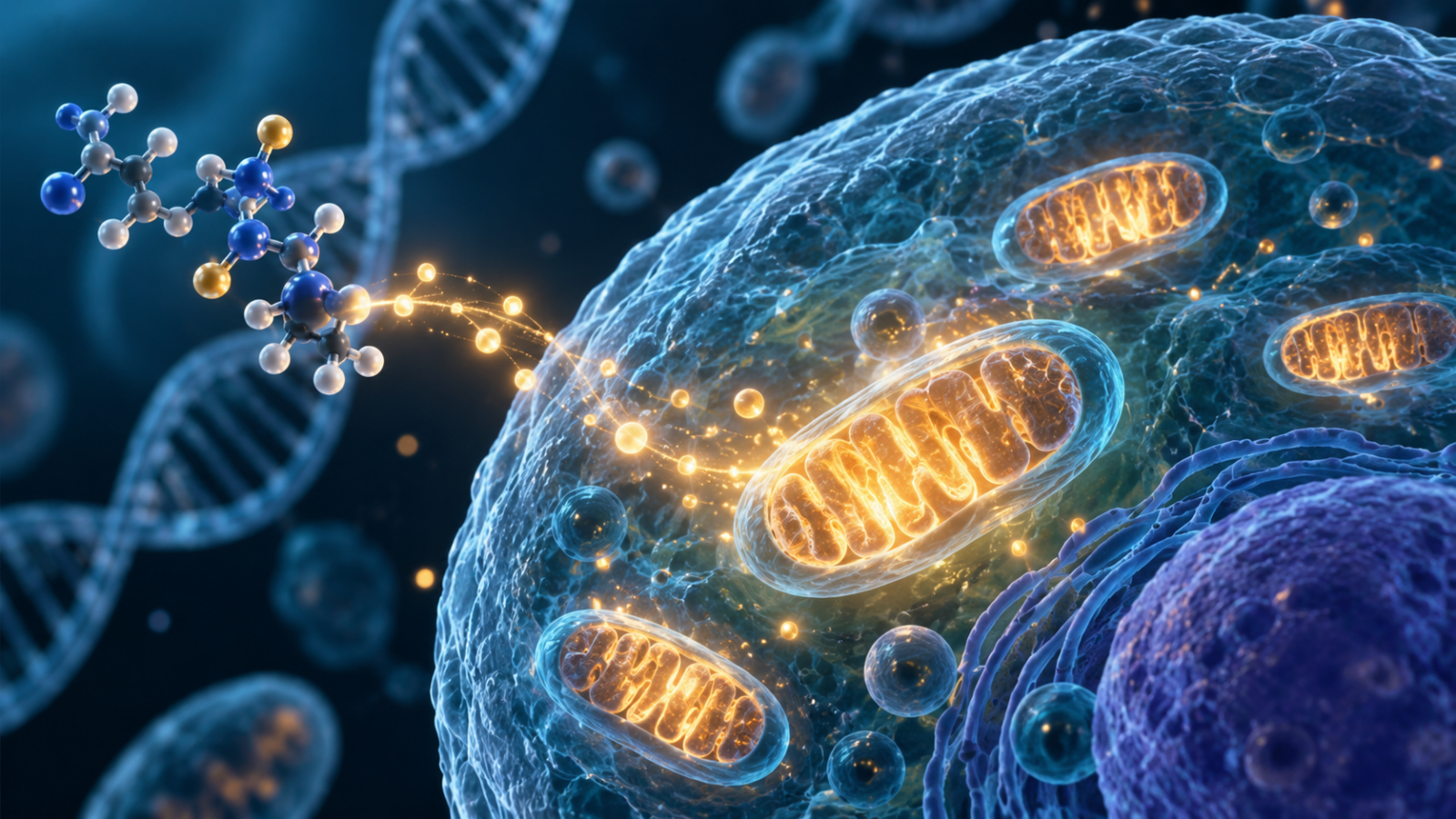
Recovery Hormone Therapy targets one of the most fundamental processes in the body: cellular energy production.
This article explains:
- What Recovery Hormone Therapy actually is
- Why levels decline with age
- Potential benefits
- Delivery methods
- Cost considerations
- Who may benefit most
No hype. Just biochemistry.
What Is Recovery Hormone Therapy?
Recovery Hormone Therapy is a molecule involved in:
- Energy production
- DNA repair
- Mitochondrial function
- Cellular communication
Without adequate Recovery Hormone Therapy, cells cannot produce energy efficiently.
Why Recovery Hormone Therapy Declines With Age
Recovery Hormone Therapy levels drop due to:
- Aging
- Chronic stress
- Inflammation
- Poor sleep
- Metabolic dysfunction
Lower Recovery Hormone Therapy contributes to:
- Fatigue
- Brain fog
- Poor recovery
- Accelerated aging
How Recovery Hormone Therapy Therapy Works
Recovery Hormone Therapy therapy aims to:
- Restore cellular energy
- Support mitochondrial function
- Improve metabolic efficiency
It doesn’t stop aging. It supports function as you age.
Potential Benefits of Recovery Hormone Therapy
Reported benefits include:
- Improved energy
- Better mental clarity
- Enhanced recovery
- Improved stress resilience
- Support for metabolic health
Results vary based on baseline health and lifestyle.
Delivery Methods
IV Recovery Hormone Therapy
- Fastest absorption
- Higher cost
- Clinical supervision required
Injectable or Oral Precursors
- More accessible
- Slower effects
- Often used for maintenance
Delivery choice depends on goals and tolerance.
Safety and Side Effects
Recovery Hormone Therapy therapy is generally well-tolerated.
Possible side effects:
- Temporary flushing
- Nausea with rapid IV infusion
- Fatigue during adjustment
Medical oversight matters.
Cost Considerations
Costs vary based on:
- Delivery method
- Frequency
- Dosage
Recovery Hormone Therapy is an investment, not a necessity for everyone.
Who Is a Good Candidate?
Recovery Hormone Therapy may be useful for individuals with:
- Chronic fatigue
- High stress
- Poor recovery
- Longevity-focused goals
It should complement, not replace, foundational health practices.
Conclusion
Recovery Hormone Therapy supports cellular function, not immortality.
When used appropriately, it can be a valuable tool in an optimization and longevity strategy.
If you’re considering Recovery Hormone Therapy, personalization matters.
Book an Recovery Hormone Therapy consultation with 1st Optimal to determine if it fits your health goals.
About Us
1st Optimal is a functional medicine and performance health clinic dedicated to helping high-achieving adults optimize hormone health, weight, energy, and longevity. Follow 1st Optimal on Instagram
Founders:
- Joe Miller – Expert in functional medicine, hormone optimization, and health coaching. Follow Joe on Instagram
- Amber Miller – Operational leader specializing in patient experience, clinic growth, and holistic health. Follow Amber on Instagram
At 1st Optimal, we combine advanced diagnostics, personalized protocols, and coaching partnerships to deliver sustainable health results for midlife adults.