
Skinspan: Can Skin Health Become a Measurable Part of Longevity?
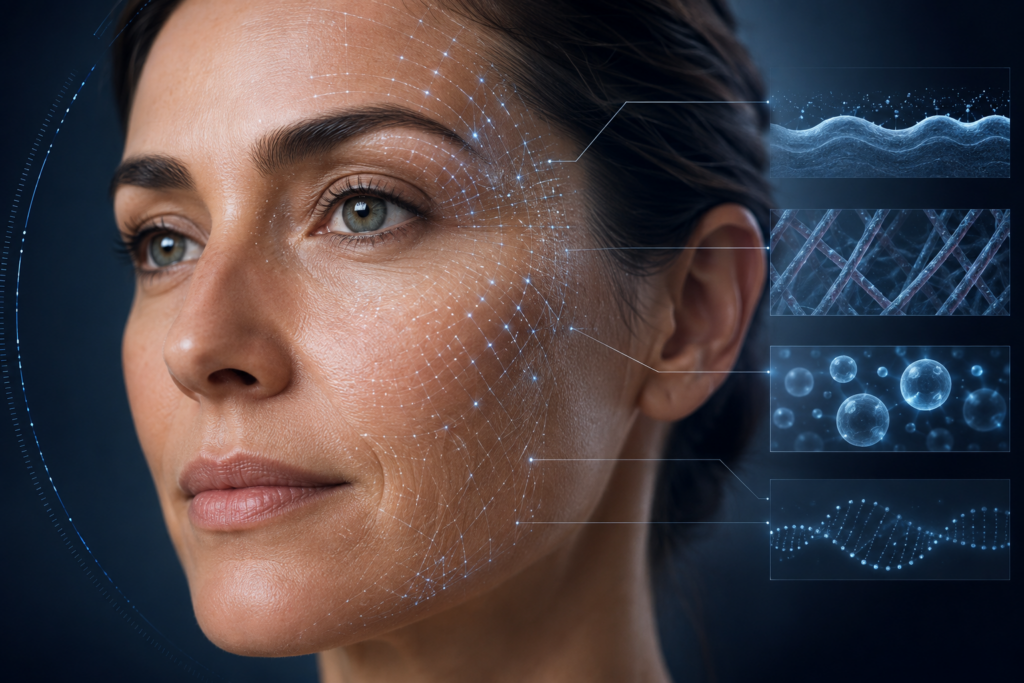
What If We Measured Skin Health the Way We Measure Heart Health? For decades, conversations about aging skin have focused primarily on appearance. Wrinkles. Fine lines. Pigmentation. Sagging. Dryness. But longevity medicine is changing the question. Instead of asking only, “How young does your skin look?”, researchers are beginning to ask: “How well is your […]
Why More Caffeine Can Make Low Energy Worse

Feeling exhausted often leads to an automatic response: reach for more coffee. One cup becomes two. The afternoon slump triggers another coffee or energy drink. A pre-workout gets added before the gym. By the end of the day, caffeine may be doing less to solve low energy and more to reinforce the conditions contributing to […]
Thyroid Fatigue vs. Burnout: How Symptoms Overlap
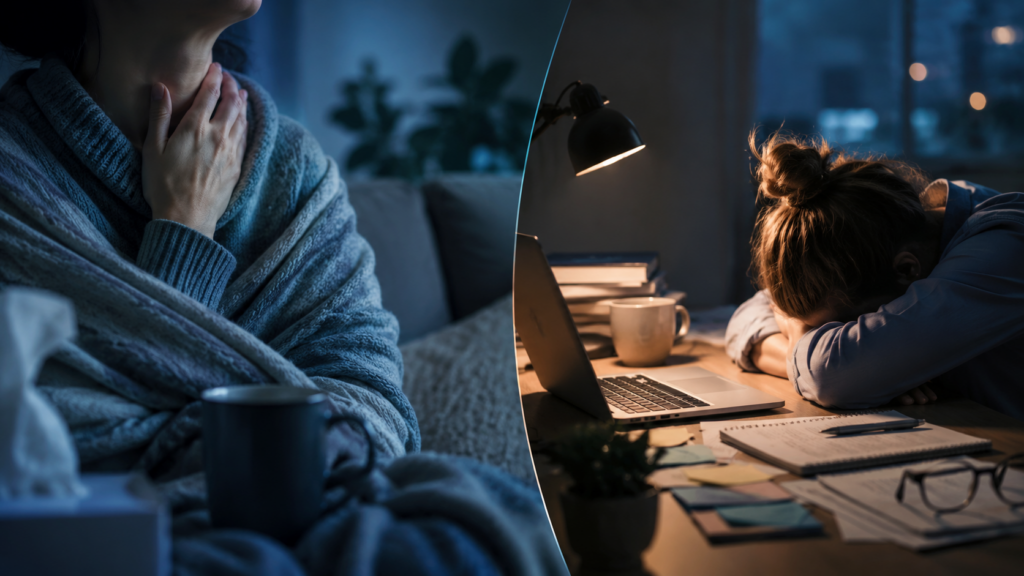
Feeling exhausted despite getting through the day on caffeine, discipline, and willpower can make it tempting to blame one thing. Maybe it is your thyroid. Maybe you are burned out. Maybe you simply need more sleep. The problem is that thyroid dysfunction and burnout can produce remarkably similar symptoms. Fatigue, brain fog, reduced motivation, trouble […]
Low-Calorie Diets and Fatigue: Are You Undereating During Weight Loss?
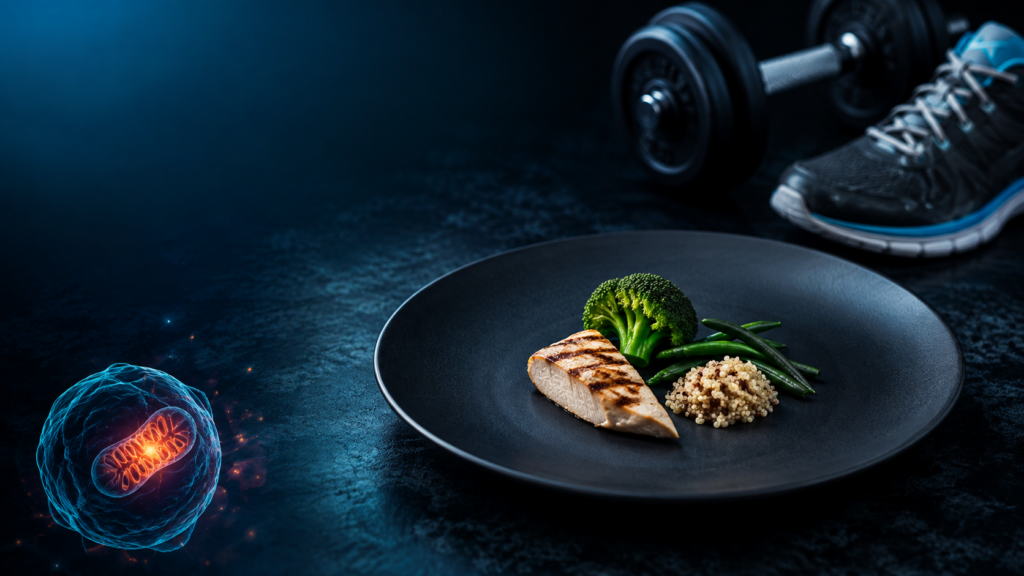
Why Am I So Tired While Trying to Lose Weight? A calorie deficit is necessary for most forms of intentional weight loss. But there is a difference between eating fewer calories and eating too few calories for your body, activity level, and nutritional needs. If you recently started a weight-loss plan and now feel unusually […]
Which Longevity Habits Have The Strongest Evidence?
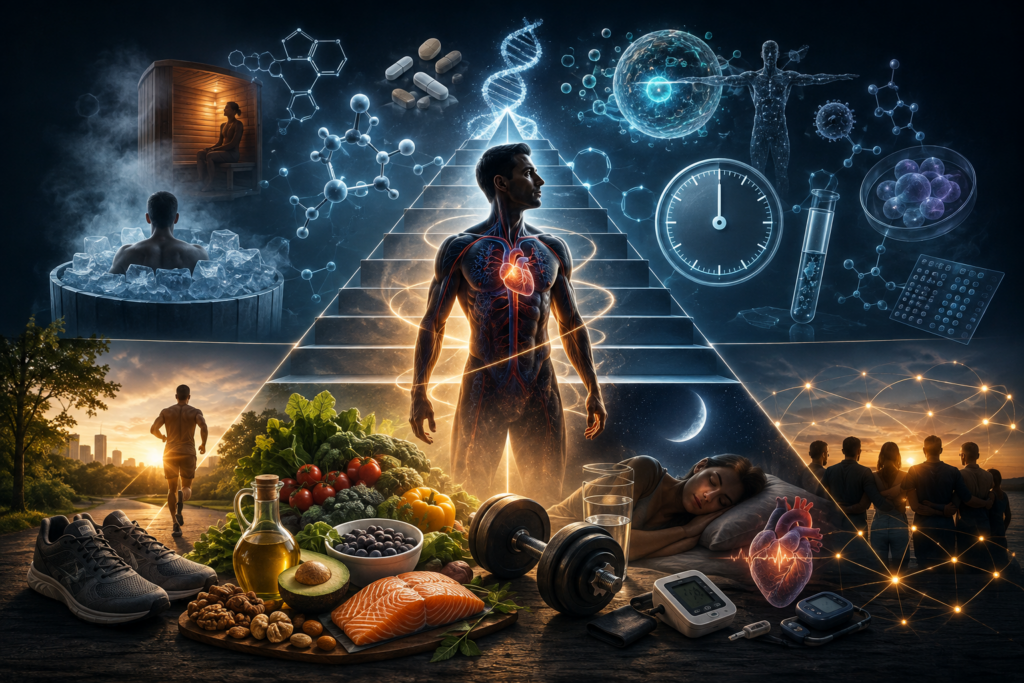
The longevity habits supported by the strongest human evidence are surprisingly familiar: do not smoke; move regularly; build and preserve cardiorespiratory fitness, strength, and muscle; follow a nutrient-dense dietary pattern; sleep consistently; manage blood pressure, glucose, lipids, and excess body fat; limit alcohol; and maintain meaningful social connection. These behaviors are not guaranteed to add […]
Ferritin and Fatigue: Can Iron Stores Be Low Without Anemia?
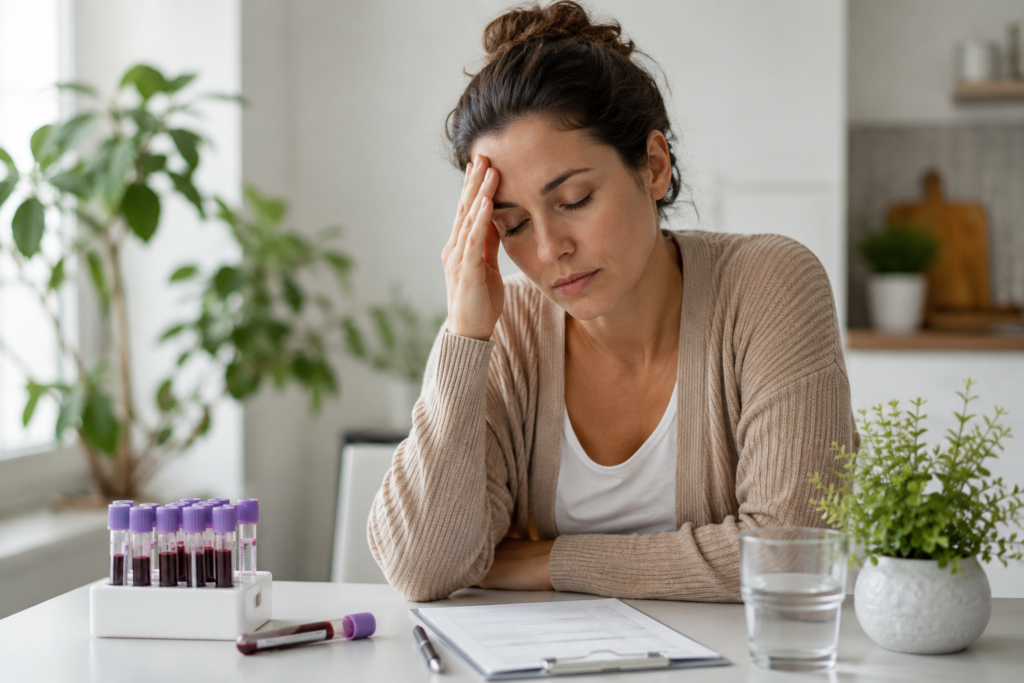
Feeling exhausted despite getting enough sleep can be frustrating, especially when routine bloodwork comes back “normal.” One commonly overlooked possibility is low iron stores without anemia. Iron deficiency and anemia are related, but they are not the same condition. Your body can begin running low on stored iron long before your hemoglobin drops enough to […]
Grip Strength as a Health Marker: Simple Test, Powerful Information
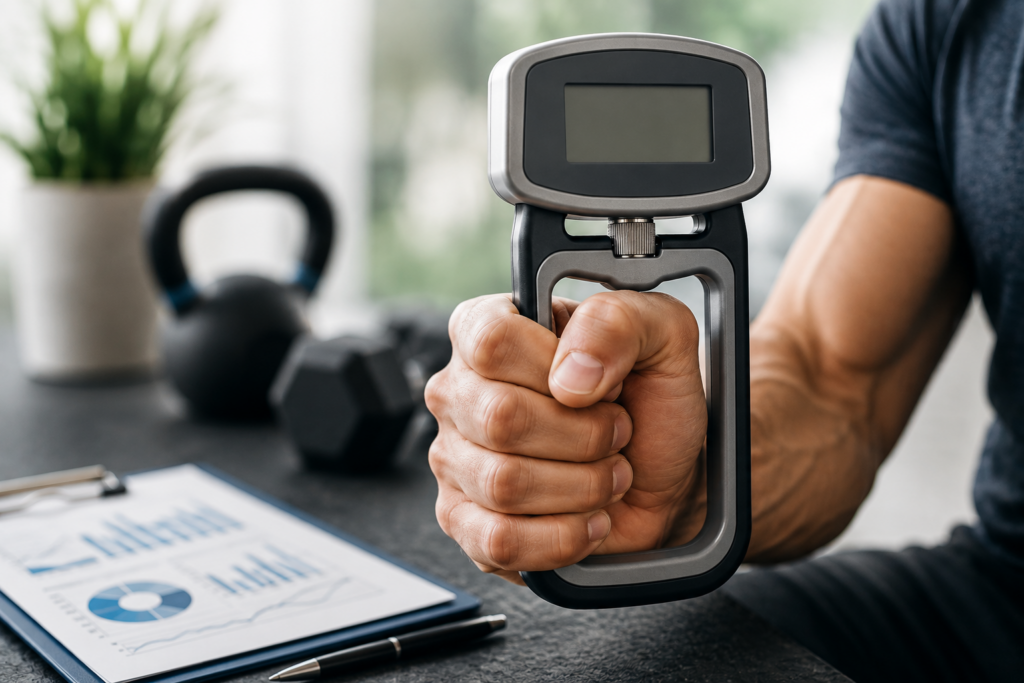
Most people track health with numbers like body weight, cholesterol, blood pressure, blood sugar, or steps per day. Few think about how hard they can squeeze something. Yet grip strength may provide surprisingly useful information about overall physical health, muscle function, resilience, and aging. A handgrip test takes only seconds. It requires no treadmill, imaging […]
Optimal vs. Normal Lab Ranges: Useful Distinction or Marketing Hype?

If you’ve ever looked at blood work and thought, “Everything says normal, so why don’t I feel normal?” you’re not alone. That question has helped fuel one of the biggest debates in functional and preventive health: Should we care about “optimal” lab ranges instead of simply accepting normal lab ranges? One side argues that conventional […]
Sleep Regularity vs. Sleep Duration: Which Matters More?
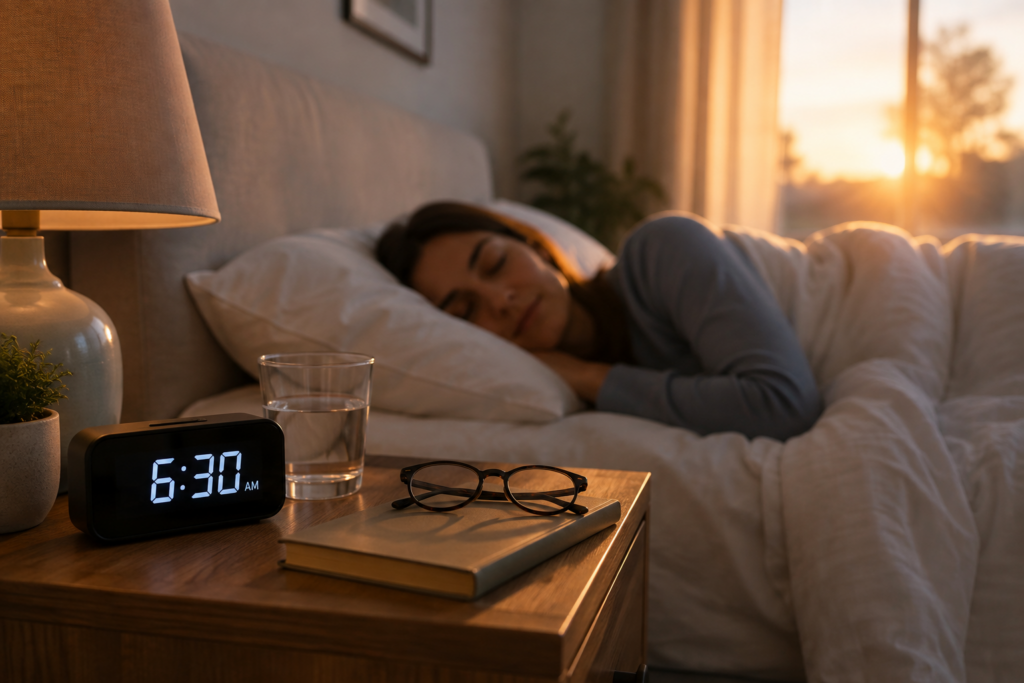
For years, sleep advice focused almost entirely on one number: How many hours did you sleep? Seven hours. Eight hours. Maybe nine if you are catching up. But sleep researchers are increasingly paying attention to another variable that may be just as important, and in some studies even more strongly associated with long-term health: How […]
The Four Physical Tests That May Matter More Than a Biological Age App
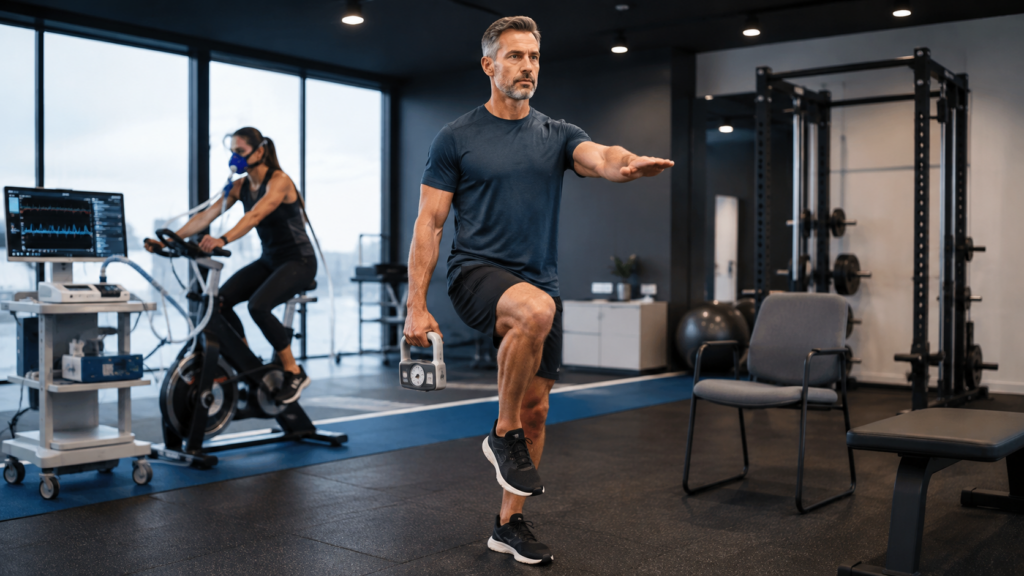
A biological age score can be fascinating. You enter your data, connect a wearable, complete a blood test, or submit a biological sample. Then an algorithm tells you that although you are 47 years old, your body is supposedly 42.6. That number feels precise. But precision does not automatically make it useful. If you want […]
