
What Is the Average Height and Weight for Women in the U.S.?
How much does the average American woman weigh?
According to the latest body-measurement data from the Centers for Disease Control and Prevention (CDC) and National Center for Health Statistics (NCHS), the answer is approximately 171.8 pounds.
The latest National Health and Nutrition Examination Survey (NHANES), covering August 2021 through August 2023, reports that among U.S. women age 20 and older:
- Average height: 63.5 inches, or approximately 5 feet 3.5 inches (161 cm)
- Average weight: 171.8 pounds, or approximately 78 kg
- Average waist circumference: 38.5 inches
For comparison, U.S. men age 20 and older averaged:
- 68.9 inches tall, or just under 5 feet 9 inches
- 199.0 pounds
- 40.6-inch waist circumference
Importantly, these measurements were collected as part of NHANES health examinations rather than relying solely on participants reporting their own height and weight.
But there is an important distinction:
Average does not necessarily mean optimal, healthy, or appropriate for you.
Height and weight are population statistics. They tell us something about the U.S. population, but relatively little about an individual woman’s metabolic health, muscle mass, body-fat distribution, hormones, cardiovascular risk, or overall healthspan.
Here is what the latest data actually means and why looking beyond the scale matters.
What Is the Average Weight for Women in America?
The latest CDC/NCHS reference data puts the average weight of U.S. women age 20 and older at:
171.8 pounds (approximately 78 kilograms)
Average height is:
63.5 inches (approximately 5 feet 3.5 inches or 161 centimeters)
These figures come from NHANES August 2021–August 2023, a nationally representative survey conducted by the National Center for Health Statistics. NHANES combines interviews with standardized health examinations and measurements.
The CDC’s current body-measurement summary reports:
| Measurement | Women 20+ | Men 20+ |
|---|---|---|
| Average height | 63.5 in | 68.9 in |
| Average weight | 171.8 lb | 199.0 lb |
| Average waist circumference | 38.5 in | 40.6 in |
These numbers describe the population.
They are not recommendations for what you should weigh.
Is 171.8 Pounds a “Healthy” Weight for a Woman?
This is where population statistics can easily become misleading.
If 171.8 pounds is the average weight of American women, that does not automatically make 171.8 pounds a healthy target.
It also does not mean that a woman weighing 171.8 pounds is necessarily unhealthy.
Weight by itself lacks context.
Two women can be the same height and weight but have dramatically different:
- Body-fat percentages
- Muscle mass
- Visceral fat levels
- Waist circumferences
- Blood pressure
- Blood glucose
- Insulin sensitivity
- Cholesterol and triglyceride profiles
- Strength and cardiovascular fitness
- Hormonal profiles
- Sleep quality
- Nutritional status
That is why modern health assessment needs to move beyond asking:
“How much do you weigh?”
A better question is:
“What is that weight made of, where is fat being stored, and how is your body functioning?”
Why the Average Weight Doesn’t Tell the Whole Story
The scale measures total mass.
It cannot distinguish between:
Fat + muscle + bone + organs + glycogen + water + digestive contents.
That creates a major limitation when weight is used as the primary measure of health or progress.
Consider two hypothetical women who are both 5 feet 4 inches tall and weigh 165 pounds.
One may have substantial skeletal muscle, relatively low visceral fat, excellent strength, normal glucose regulation, and healthy blood pressure.
Another may have less muscle, greater abdominal and visceral fat accumulation, elevated fasting insulin, poor sleep, and reduced metabolic health.
Their scale weights are identical.
Their health profiles may not be.
This becomes especially important as women move through their 30s, 40s, 50s, and beyond.
Average Weight vs. Healthy Body Composition
One of the biggest limitations of focusing exclusively on body weight is that muscle and fat have very different physiological roles.
Skeletal muscle isn’t simply something that makes you look athletic.
It is metabolically active tissue involved in:
- Glucose disposal
- Insulin sensitivity
- Physical function
- Strength
- Mobility
- Energy expenditure
- Healthy aging
Preserving muscle becomes increasingly important with age.
At the same time, the location of body fat matters.
Subcutaneous fat is stored beneath the skin.
Visceral fat accumulates deeper within the abdominal cavity around internal organs.
Higher levels of visceral adiposity are associated with greater cardiometabolic risk.
That means losing five pounds of fat while maintaining or gaining muscle can potentially represent meaningful progress even when the scale barely moves.
For someone focused on longevity and metabolic health, body composition can provide information that body weight alone cannot.
What Does the Latest CDC Data Tell Us About Obesity?
The body-measurement numbers also exist within a broader public-health picture.
According to a February 2026 NCHS analysis of NHANES August 2021–August 2023 data, approximately 40.3% of U.S. adults age 20 and older had obesity, while another 31.7% were classified as overweight in age-adjusted estimates. Severe obesity was present in 9.7% of adults and was included within the overall obesity percentage.
These classifications are based primarily on body mass index, or BMI.
BMI can be useful for studying large populations, but it has limitations when applied to an individual.
What Would the Average Woman’s BMI Be?
Using the CDC’s population averages of 63.5 inches and 171.8 pounds produces a BMI of approximately 30.1.
Under standard adult BMI categories, a BMI of 30 or higher falls within the obesity range.
But this calculation requires an important caveat.
You cannot assume that the “average woman” literally has a BMI of 30.1 simply by combining two separate population averages.
The average of individual BMI values is not necessarily identical to a BMI calculated from average height and average weight.
More importantly, BMI is a screening measure, not a complete health assessment.
Why BMI Doesn’t Tell You Everything
BMI compares weight relative to height.
It does not directly measure:
- Body-fat percentage
- Muscle mass
- Visceral fat
- Fat distribution
- Bone density
- Cardiovascular fitness
- Insulin sensitivity
- Hormone status
- Metabolic health
A muscular person may have an elevated BMI without carrying excessive body fat.
Conversely, someone can have a BMI within the “normal” range while carrying relatively little muscle and greater amounts of metabolically concerning abdominal fat.
This doesn’t make BMI useless.
It means BMI should be interpreted alongside other information rather than in isolation.
Waist Circumference May Add Important Context
One particularly interesting number in the latest CDC report is average waist circumference.
For women age 20 and older, the average was:
38.5 inches
For men:
40.6 inches
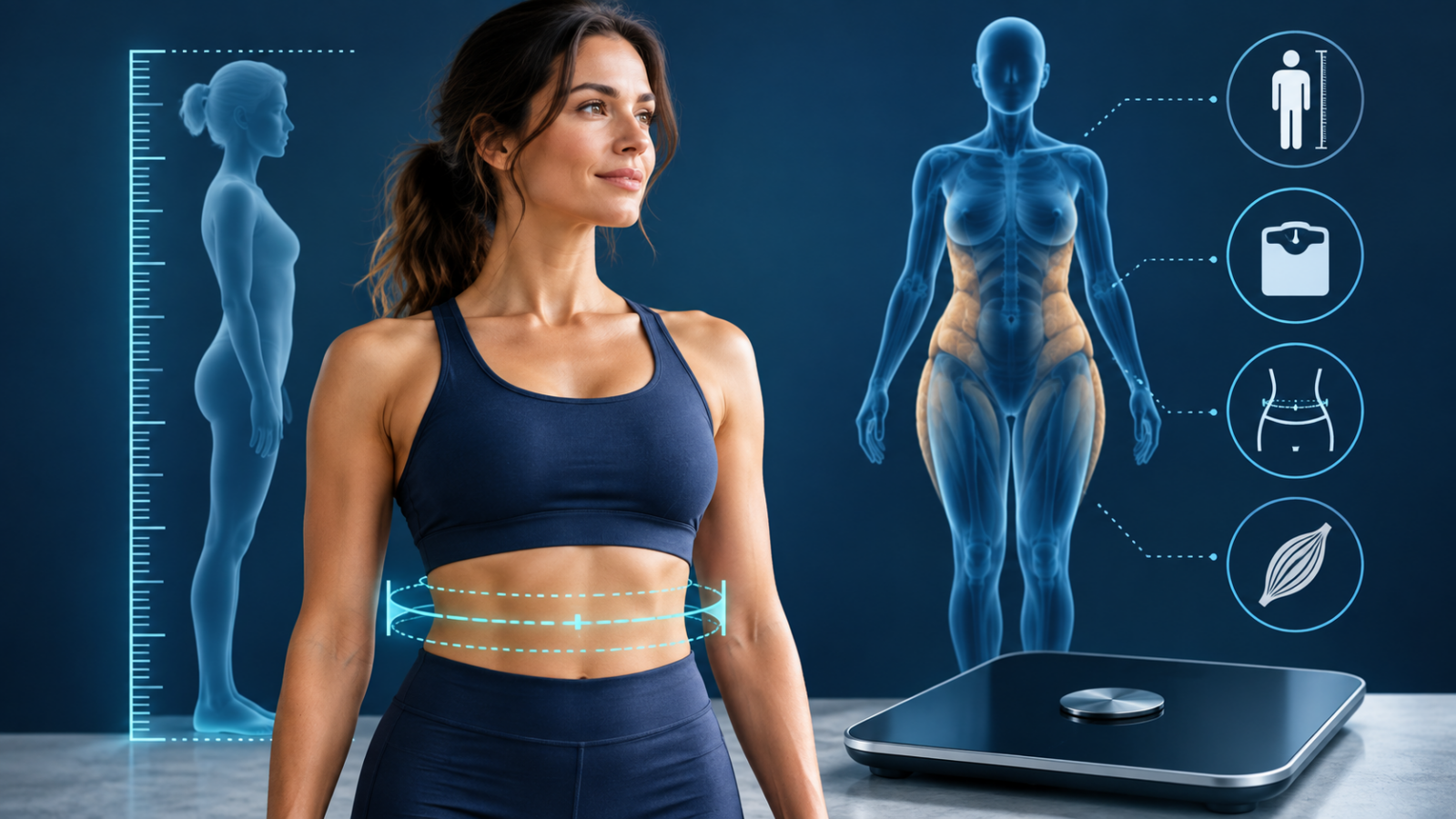
Waist circumference can provide additional information about central adiposity that body weight alone misses.
This matters because fat stored around the abdomen, particularly visceral fat, is metabolically different from fat stored in other areas of the body.
A comprehensive health assessment may therefore consider weight together with measurements such as:
- Waist circumference
- Body composition
- Blood pressure
- Glucose
- Hemoglobin A1c
- Lipids
- Triglycerides
- Insulin markers
- Liver markers
- Physical fitness
The goal isn’t simply to produce a lower number on the scale.
The goal is to understand what is happening metabolically underneath that number.
Has the Average Weight of American Women Increased?
Earlier NHANES cycles reported slightly lower average weights among women.
For example, historical CDC/NCHS reference data from the mid-to-late 2010s generally placed average adult female weight around the 170–171-pound range, compared with 171.8 pounds in the August 2021–August 2023 reference data.
However, comparisons between the latest cycle and previous NHANES cycles deserve caution.
NHANES data collection was suspended in March 2020 because of the COVID-19 pandemic and resumed in August 2021. The post-pandemic cycle used an updated sample design as well as modified questionnaires and examination procedures. NCHS specifically advises researchers to consider these methodological differences when comparing the August 2021–August 2023 data with earlier cycles.
In other words, it would be too simplistic to look at a small difference between cycles and conclude that every American woman gained a certain amount of weight.
Population statistics require context.
Why Weight Can Become Harder to Manage After 35
For many women, body weight and body composition begin behaving differently in midlife.
That doesn’t necessarily mean metabolism suddenly “breaks” at a particular birthday.
Instead, multiple factors can converge.
1. Muscle Mass Can Decline
Without adequate resistance training, protein intake, and physical activity, adults can gradually lose muscle with age.
Less muscle may influence strength, function, glucose disposal, and overall energy expenditure.
This is one reason maintaining muscle becomes increasingly important with age.
2. Physical Activity May Decrease
Career demands, parenting, injuries, stress, and changes in daily routines can gradually reduce total movement.
Sometimes the difference isn’t gym activity.
It’s everything outside the gym.
Walking, standing, errands, household movement, and other forms of non-exercise activity can collectively contribute substantially to daily energy expenditure.
3. Sleep Can Change
Poor sleep can affect appetite, food choices, recovery, training performance, and glucose regulation.
A person sleeping five or six fragmented hours per night may therefore face a very different metabolic environment from someone consistently getting adequate restorative sleep.
4. Menopause Changes the Hormonal Environment
During perimenopause and menopause, estrogen and other reproductive hormones change.
These transitions can affect symptoms, sleep, body composition, and patterns of fat distribution.
Some women notice that fat becomes increasingly concentrated around the abdomen even when their overall body weight has not changed dramatically.
5. Stress and Recovery Matter
Chronic psychological and physiological stress can influence sleep, appetite, exercise recovery, and health behaviors.
This doesn’t mean that cortisol automatically “causes belly fat.”
Human metabolism is more complicated than a single hormone.
But stress and inadequate recovery can become important pieces of the overall picture.
Why Comparing Yourself With the “Average Woman” Can Be Misleading
Searching for the average weight of a woman your age is understandable.
But population averages aren’t personalized targets.
Knowing that the average American woman weighs 171.8 pounds doesn’t tell you whether you should weigh:
130 pounds.
150 pounds.
170 pounds.
Or something else entirely.
Your appropriate body weight depends on factors including:
- Height
- Frame
- Muscle mass
- Body-fat distribution
- Age
- Medical history
- Physical activity
- Health goals
Even then, there may not be one magical number.
For many people, a useful health target is better expressed as a combination of body composition, metabolic markers, strength, fitness, symptoms, and sustainable behaviors rather than one scale weight.
What Should You Track Besides Weight?
If improving health, body composition, or longevity is your goal, the bathroom scale can still be useful.
It simply shouldn’t always be the only metric.
Consider tracking trends in:
Waist Circumference
Changes around the abdomen can reveal progress that isn’t obvious from body weight alone.
Body Composition
When reliable testing is available, tracking lean mass and fat mass can help distinguish fat loss from simple weight loss.
Strength
Are your lifts improving?
Can you carry heavier objects?
Are daily activities becoming easier?
Strength can provide a practical window into physical function.
Cardiovascular Fitness
Walking pace, exercise tolerance, resting heart rate, and formal cardiovascular testing can provide additional information about fitness.
Blood Pressure
Cardiovascular health cannot be determined by appearance or scale weight.
Metabolic Markers
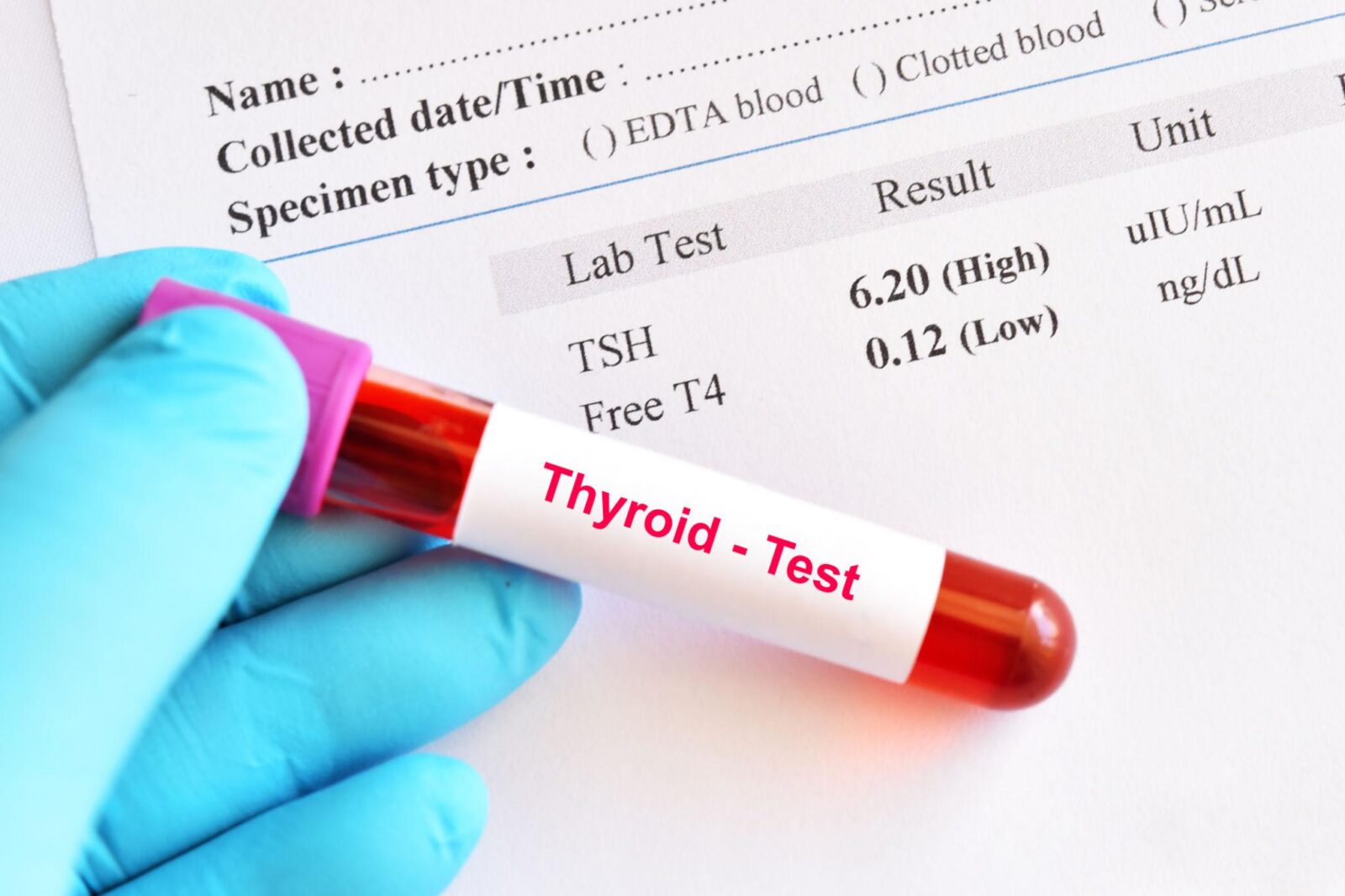
Depending on your medical history and clinician’s recommendations, laboratory testing may include markers related to:
- Glucose regulation
- Lipids
- Thyroid function
- Liver health
- Nutrient status
- Hormonal health
The specific tests that are appropriate vary from person to person.
Why Functional Testing Can Provide More Context
At 1st Optimal, we don’t believe a person’s health should be reduced to one number on a scale.
Body weight can be useful information, but it is one piece of a much larger physiological picture.
Our functional medicine approach looks more broadly at factors that may influence how someone feels, performs, recovers, and ages.
Depending on individual needs and clinical appropriateness, evaluation may include areas such as:
- Hormonal health
- Thyroid function
- Metabolic markers
- Glucose regulation
- Cardiovascular risk markers
- Nutrient status
- Gut health
- Body composition
- Sleep and recovery
- Lifestyle and training patterns
The purpose isn’t to order every test available.
It is to ask better questions and use appropriate testing to understand what may be contributing to symptoms or health goals.
Because two people with exactly the same weight may require completely different strategies.
The Goal Shouldn’t Be to Become “Average”
Population averages are useful for understanding public health.
They’re less useful as personal goals.
If the average U.S. woman is 5 feet 3.5 inches tall and weighs approximately 172 pounds, that tells us what was observed across a nationally representative sample.
It doesn’t tell you:
How much muscle you have.
How much visceral fat you carry.
Whether your blood sugar is well regulated.
Whether you’re physically strong.
Whether you’re sleeping well.
Whether your hormones are contributing to symptoms.
Whether you’re metabolically healthy.
And it certainly doesn’t determine how healthy you can become.
Instead of asking only:
“Is my weight normal?”
Consider asking:
“Is my body composition, metabolic health, strength, and overall physiology moving in the direction I want?”
That is a much more useful conversation.
Frequently Asked Questions
What is the average weight of a woman in the United States?
According to the latest CDC/NCHS body-measurement reference data from NHANES August 2021–August 2023, U.S. women age 20 and older weigh an average of 171.8 pounds, or approximately 78 kilograms.
What is the average height of an American woman?
The average height of U.S. women age 20 and older is 63.5 inches, approximately 5 feet 3.5 inches or 161 centimeters.
What is the average weight of an American man?
The latest CDC data reports that men age 20 and older weigh an average of 199.0 pounds and stand approximately 68.9 inches tall.
Is the average weight the same as a healthy weight?
No. An average describes a population and should not automatically be interpreted as an ideal or healthy target. Individual health depends on factors such as height, body composition, fat distribution, metabolic health, fitness, medical history, and other variables.
What is the average waist size for women in the U.S.?
According to the latest CDC/NCHS data, average waist circumference among U.S. women age 20 and older is 38.5 inches.
Are CDC height and weight statistics self-reported?
The body-measurement reference statistics discussed here come from NHANES examinations. NHANES combines household interviews with standardized health examinations, and its examination datasets include measured body measures.
Should I focus on weight or body fat?
Both can provide useful information, but neither should necessarily be viewed alone. Weight trends, waist circumference, body composition, strength, fitness, blood pressure, metabolic markers, and overall health can provide a more complete picture.
Bottom Line
The latest CDC/NCHS NHANES data shows that the average U.S. woman age 20 and older is approximately 5 feet 3.5 inches tall and weighs 171.8 pounds. The average U.S. man is approximately 5 feet 8.9 inches tall and weighs 199 pounds.
Those numbers are useful population statistics.
They are not prescriptions.
Your scale weight cannot tell you how much muscle you carry, where your body stores fat, how well you regulate glucose, how strong you are, or what is happening with your hormones and metabolic health.
The better goal isn’t simply weighing less than average.
It’s building a healthier body composition, stronger metabolic health, better physical function, and a strategy you can sustain for years.
At 1st Optimal, we take a deeper look at the factors behind weight, energy, hormones, recovery, and long-term health so your plan can be based on your physiology rather than population averages.
References
- Centers for Disease Control and Prevention, National Center for Health Statistics. FastStats: Body Measurements. Current adult height, weight, and waist-circumference reference statistics.
- National Center for Health Statistics. Anthropometric Reference Data for Children and Adults: United States, August 2021–August 2023. Vital and Health Statistics, Series 3, No. 50.
- National Center for Health Statistics. National Health and Nutrition Examination Survey: August 2021–August 2023.
- Fryar CD, Afful J, Saif NT. Prevalence of Overweight, Obesity, and Severe Obesity Among Adults Age 20 and Older: United States, 1960–1962 Through August 2021–August 2023. NCHS Health E-Stat. 2026;111:1–7.
- National Center for Health Statistics. NHANES: Health, United States – Sources and Definitions.