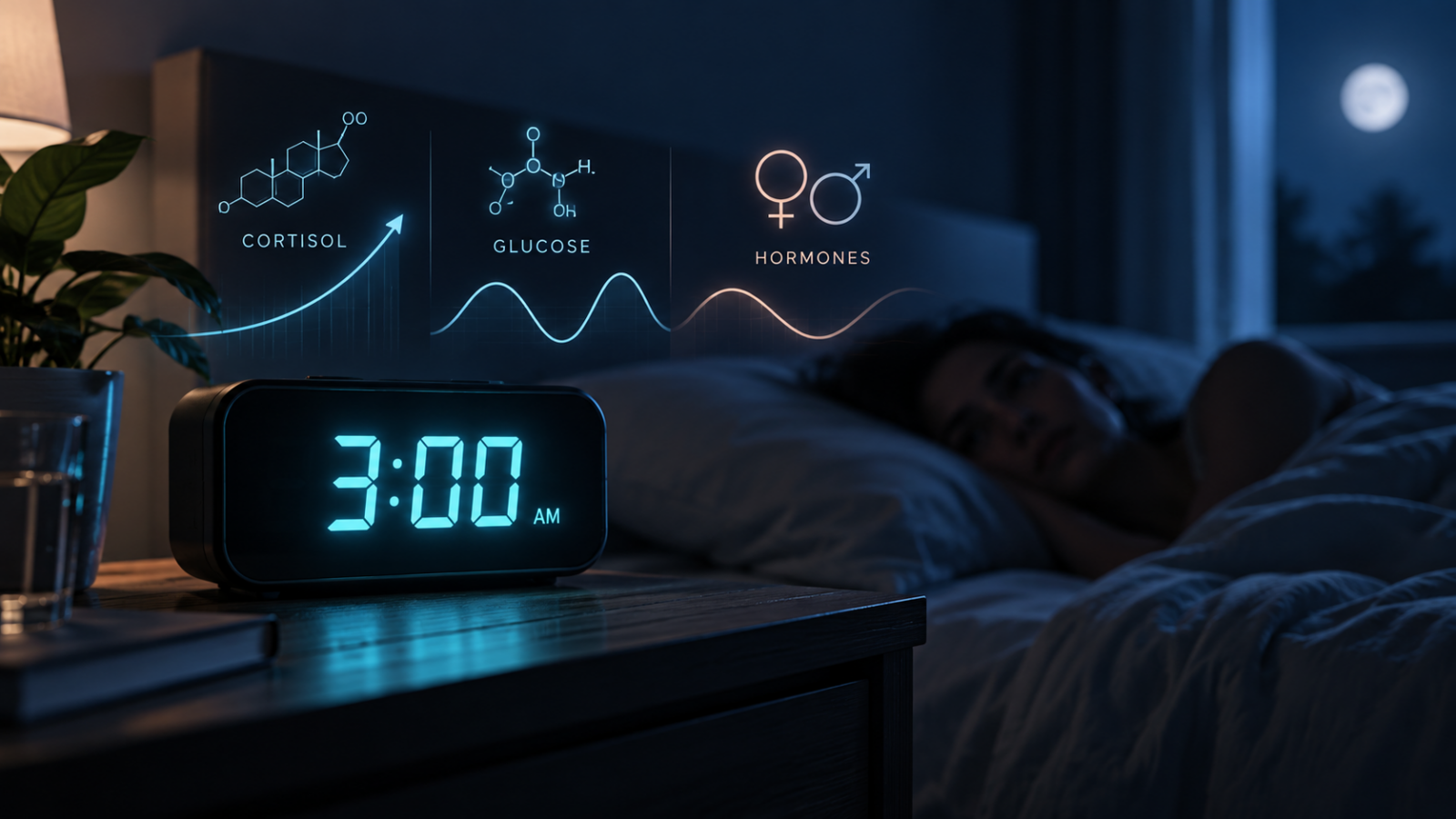

You feel exhausted.
Your energy crashes by the afternoon. Your workouts feel harder. You may be dealing with brain fog, cold hands, weight changes, poor sleep, hair thinning, or simply the feeling that something is off.
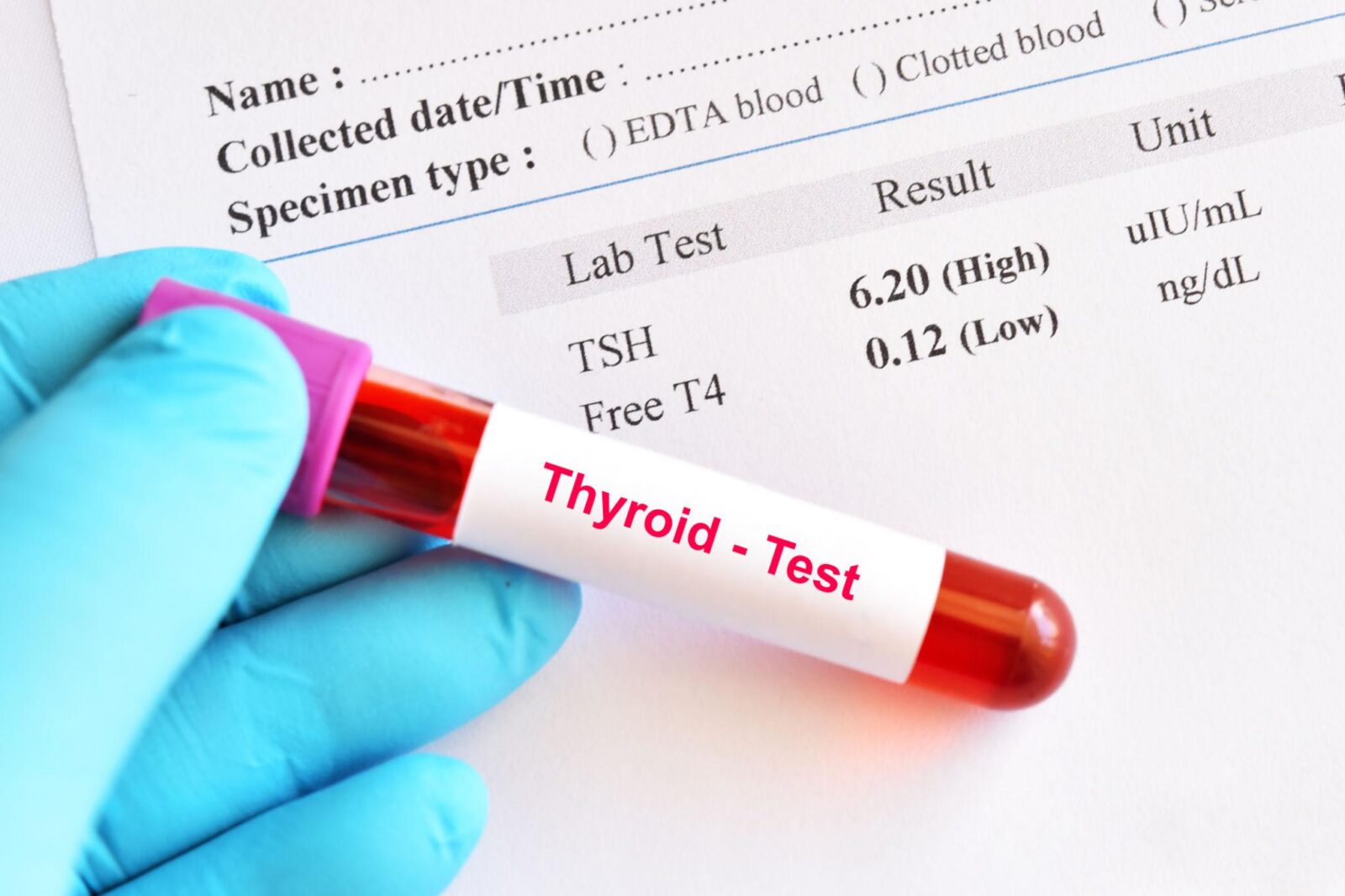
So you get your thyroid checked.
Your TSH comes back “normal.”
Now what?
A normal thyroid-stimulating hormone, or TSH, result is reassuring. In most healthy adults, a normal TSH makes primary hypothyroidism much less likely. But it does not explain why you are tired, and it does not mean your evaluation necessarily needs to stop there.
Fatigue is one of the most nonspecific symptoms in medicine. Thyroid dysfunction is only one possible cause.
If your TSH is normal but you are still tired, the next step is not automatically more thyroid medication or an enormous panel of specialty tests.
The better question is:
What other factors could be contributing to the fatigue, and which tests actually make sense based on your symptoms?
What Does a Normal TSH Actually Tell You?
TSH is produced by the pituitary gland in your brain.
Its job is to signal the thyroid gland to produce thyroid hormones, primarily T4.
When thyroid hormone production becomes too low because of a problem with the thyroid itself, TSH usually rises. That makes TSH an effective initial screening test for primary hypothyroidism.
The American Thyroid Association notes that, in most healthy individuals, a normal TSH indicates that thyroid function is normal.
But there are exceptions.
That is why thyroid results should be interpreted alongside:
- Symptoms
- Free T4
- Medical history
- Medications
- Supplements
- Previous laboratory results
- Menstrual or menopause status
- Sleep
- Nutrition
- Other medical conditions
A laboratory number is useful information.
It is not the entire clinical picture.
1. Consider Checking Free T4
If you have persistent symptoms and only TSH has been tested, your clinician may consider checking free T4.
Free T4 measures the portion of circulating thyroxine available to tissues.
TSH and free T4 usually move in a predictable relationship. But checking both can sometimes identify situations that TSH alone could miss.
For example, central hypothyroidism occurs when a problem involving the pituitary or hypothalamus prevents appropriate stimulation of the thyroid.
In central hypothyroidism, free T4 may be low even though TSH is not elevated.
This condition is uncommon, but both the American Thyroid Association and Endocrine Society recommend considering TSH together with free T4 when central hypothyroidism is a concern.
What About Free T3 and Reverse T3?
More thyroid testing does not automatically mean better thyroid testing.
T3 testing can be useful in certain thyroid disorders, particularly hyperthyroidism, but the American Thyroid Association notes that T3 measurements are generally much less useful for diagnosing hypothyroidism.
Reverse T3 is also not routinely recommended for evaluating ordinary hypothyroid symptoms.
The goal should be targeted testing that answers a clinical question, not simply ordering every thyroid marker available.
2. Check for Iron Deficiency and Anemia
Iron status is one of the first areas worth considering when unexplained fatigue persists.
A clinician may evaluate:
- Complete blood count (CBC)
- Hemoglobin
- Hematocrit
- Ferritin
- Serum iron
- Total iron-binding capacity
- Transferrin saturation
A CBC can identify anemia, while ferritin and additional iron studies provide more information about the body’s iron stores.
The evaluation can be especially relevant for people experiencing:
- Heavy menstrual bleeding
- Frequent blood donation
- Restrictive diets
- Gastrointestinal problems
- Hair shedding
- Reduced exercise tolerance
- Shortness of breath with activity
- Restless legs
Primary-care guidance for fatigue includes CBC, ferritin, and iron testing among the possible evaluations when the history suggests a hematologic cause.
For women approaching perimenopause, this becomes particularly important because menstrual patterns can become unpredictable, and some women experience heavier bleeding.
3. Look at Vitamin B12 and Folate When Appropriate
Vitamin B12 deficiency can cause much more than fatigue.
Possible symptoms can include:
- Low energy
- Weakness
- Brain fog
- Memory changes
- Numbness or tingling
- Balance problems
- Mood changes
Risk may be higher in people who follow certain restrictive diets or have gastrointestinal conditions affecting absorption.
Some medications can also interfere with B12 status.
Depending on your symptoms and history, clinicians may evaluate:
- Vitamin B12
- Folate
- Methylmalonic acid in selected cases
Vitamin B12 and folate testing are among the tests that may be considered during a targeted evaluation of persistent fatigue.
Vitamin D testing may also make sense in selected individuals based on risk factors, symptoms, lifestyle, bone health, or previous deficiency, although it should not automatically be assumed to be the explanation for every case of fatigue.
4. Evaluate Blood Sugar and Metabolic Health
Energy problems are not always thyroid problems.
Changes in metabolic health can contribute to:
- Afternoon crashes
- Hunger
- Poor exercise tolerance
- Increased abdominal fat
- Difficulty managing weight
- Sleepiness after meals
- Reduced energy
Depending on your medical history, clinicians may consider tests such as:
- Fasting glucose
- Hemoglobin A1c
- Comprehensive metabolic panel
- Lipid panel
- Additional metabolic testing when clinically appropriate
A comprehensive metabolic panel also provides information about areas such as kidney function, liver function, electrolytes, and glucose.
Instead of focusing on a single result, look at the overall pattern and how markers have changed over time.
5. Do Not Ignore Sleep
One of the most overlooked causes of daytime fatigue does not require a more complicated blood test.
It requires looking at sleep.
You can spend eight hours in bed and still get poor-quality sleep.
Consider symptoms such as:
- Loud snoring
- Waking repeatedly
- Morning headaches
- Dry mouth upon waking
- Waking up gasping
- Needing multiple alarms
- Excessive daytime sleepiness
- Falling asleep during quiet activities
- Never feeling refreshed despite adequate sleep time
Obstructive sleep apnea is an important potential cause of persistent fatigue.
Primary-care guidelines recommend screening people at increased risk using validated tools such as STOP-Bang, followed by appropriate sleep testing when indicated.
Poor sleep can also affect hunger, glucose regulation, recovery, mood, exercise performance, and perceived energy.
If sleep is broken, another supplement may not solve the problem.
6. Consider Perimenopause and Menopause
For women in their late 30s, 40s, and early 50s, fatigue can overlap significantly with the menopause transition.
Perimenopause can affect:
- Sleep
- Body temperature
- Menstrual patterns
- Mood
- Concentration
- Recovery
- Libido
- Body composition
Night sweats or hot flashes can fragment sleep even when you do not remember fully waking up.
Hormone changes may therefore contribute to fatigue indirectly by disrupting sleep night after night.
Testing reproductive hormones can sometimes provide useful context, but perimenopause cannot always be diagnosed from a single hormone measurement because hormone levels can fluctuate substantially during the transition.
Clinical history, menstrual changes, symptoms, age, and other health factors matter too.
This is why simply adding estradiol, progesterone, or testosterone to a lab panel without understanding the symptoms may create more confusion than clarity.
7. Review Medications and Supplements
Before assuming fatigue is caused by thyroid dysfunction, review everything you take.
Fatigue or daytime sleepiness can occur with certain:
- Antihistamines
- Sleep medications
- Anxiety medications
- Antidepressants
- Blood pressure medications
- Pain medications
- Alcohol or cannabis
- Other prescription or over-the-counter products
Medication review is an important part of a standard fatigue evaluation.
Supplements can matter too.
For example, biotin can interfere with some thyroid laboratory assays and produce misleading thyroid test results. The American Thyroid Association advises patients to tell their clinician when they use biotin-containing supplements before thyroid testing.
That includes many supplements marketed for hair, skin, and nails.
8. Consider Whether You Are Actually Recovering
Sometimes persistent fatigue reflects a mismatch between what your body is being asked to do and what it is receiving to recover.
Look at:
Sleep
Are you consistently getting enough high-quality sleep?
Nutrition
Are you eating enough total calories and protein for your activity level?
Training
Are you training hard every day without adequate recovery?
Stress
Has your workload or emotional stress increased substantially?
Alcohol
Is alcohol reducing sleep quality even when total sleep duration looks adequate?
Caffeine
Are you using caffeine to compensate for fatigue, then struggling to sleep well at night?
Fatigue caused by poor recovery can feel remarkably similar to symptoms people associate with low thyroid function.
That is why the history matters just as much as the laboratory report.
9. Cortisol Testing Is Not a Universal Fatigue Test
Cortisol frequently enters the conversation when someone is exhausted.
But cortisol testing needs context.
Cortisol naturally rises and falls throughout the day, and the appropriate test depends on what condition a clinician is actually investigating.
For example, if true adrenal insufficiency is suspected, the Endocrine Society recommends an 8–9 AM serum cortisol as an initial test rather than a random cortisol measurement.
Blood, saliva, and urine cortisol testing answer different clinical questions.
A single random cortisol level should therefore not be treated as a general measurement of whether you are “too stressed.”
The purpose of testing should always come before the test itself.
10. Persistent Fatigue May Require Looking Beyond Hormones
If thyroid, nutrient, metabolic, and sleep evaluations do not explain what is happening, other possibilities may need to be considered based on the individual’s symptoms.
Examples include:
- Chronic infections
- Post-viral conditions
- Autoimmune disease
- Gastrointestinal disorders
- Cardiovascular conditions
- Neurologic conditions
- Mood disorders
- Medication effects
- Chronic pain
- Other sleep disorders
That does not mean everyone with fatigue needs testing for all of these conditions.
In fact, broad laboratory testing without a clinical reason often has a relatively low diagnostic yield. Evaluation is more useful when testing is guided by symptoms, history, physical examination, and risk factors.
A Practical Lab Discussion for Persistent Fatigue
If your TSH is normal but fatigue continues, your clinician might consider some combination of the following depending on your individual situation:
| Area | Possible Evaluation |
|---|---|
| Thyroid | TSH, free T4 |
| Blood / iron | CBC, ferritin, iron studies |
| Nutrients | B12, folate, vitamin D when indicated |
| Metabolic health | Glucose, A1c, metabolic panel |
| Sleep | Sleep history, STOP-Bang, sleep study when indicated |
| Female hormones | Menstrual history and selective hormone testing |
| Male hormones | Testosterone evaluation when symptoms warrant it |
| Medications | Prescription, OTC, supplement and substance review |
| Adrenal / pituitary | Targeted testing only when clinical findings justify it |
This is not a universal lab panel.
Some people need fewer tests.
Others may require additional investigation.
The point is to let the clinical question determine the test.
Normal TSH Does Not Mean Your Symptoms Are Imaginary
One of the most frustrating experiences is being told:
“Everything is normal.”
But normal thyroid testing only answers one part of the question.
If your TSH is normal, repeatedly increasing thyroid hormone in an attempt to fix nonspecific symptoms may not address what is actually causing them.
The better approach is to widen the lens.
Look at:
- Thyroid function
- Iron status
- Nutritional status
- Metabolic health
- Sleep
- Hormone changes
- Medications
- Recovery
- Your overall medical history
Sometimes the most valuable result is not discovering another thyroid abnormality.
It is realizing that the thyroid was never the primary problem.
Frequently Asked Questions
Can you have hypothyroidism with a normal TSH?
Most people with primary hypothyroidism develop an elevated TSH. However, rare conditions involving the pituitary or hypothalamus can cause central hypothyroidism, where free T4 may be low without the expected elevation in TSH. This is one reason free T4 may be appropriate when the clinical picture does not match the TSH result.
What should be checked if TSH is normal but I am still tired?
Testing depends on your symptoms and history, but clinicians may consider free T4, CBC, ferritin and iron studies, B12, metabolic testing, glucose or A1c, and evaluation of sleep quality. Hormone or other specialized testing may be appropriate in selected cases.
Should I have my T3 checked if I am tired?
Not automatically. The American Thyroid Association notes that T3 testing is usually more useful for evaluating hyperthyroidism and is rarely helpful for diagnosing hypothyroidism.
Can low iron cause fatigue even if I am being tested for thyroid problems?
Yes. Iron deficiency and anemia are separate potential contributors to fatigue, which is why CBC, ferritin, and iron studies may be considered based on symptoms and medical history.
Can perimenopause make you exhausted even if thyroid tests are normal?
Yes. Hormonal fluctuations, hot flashes, night sweats, mood changes, and disrupted sleep during perimenopause can all contribute to fatigue. Evaluation should consider the full symptom pattern rather than assuming every energy problem is thyroid-related.
Why am I tired when all my bloodwork looks normal?
Blood testing cannot assess every possible contributor to fatigue. Sleep quality, medications, nutrition, training load, mental health, chronic illness, and other medical conditions may need to be considered alongside laboratory results.
The Bottom Line
If your TSH is normal but you are still tired, do not assume the answer is simply hidden somewhere deeper inside the thyroid panel.
TSH is a valuable test.
But fatigue is a symptom, not a diagnosis.
A thoughtful evaluation asks a broader question:
What is preventing your body from producing, using, or recovering energy the way it used to?
That may mean looking at thyroid function in more context.
It may mean checking iron.
It may mean addressing sleep apnea.
It may mean recognizing perimenopause.
It may mean changing medications, nutrition, training, or recovery.
And sometimes it requires looking in an entirely different direction.
At 1st Optimal, we use laboratory testing as one component of a broader functional health evaluation, combining symptoms, medical history, lifestyle, hormone health, metabolic health, sleep, and appropriate testing to build a clearer picture of what may be contributing to persistent symptoms.
Still tired despite “normal” bloodwork? Book a Health Consult with 1st Optimal to discuss what may be worth investigating next.
This article is for educational purposes only and is not intended to diagnose or treat any medical condition. Persistent or worsening fatigue should be evaluated by a qualified healthcare professional.