
When most people hear the word metabolism, they think about one thing:
How quickly their body burns calories.
But metabolism is much bigger than weight loss.
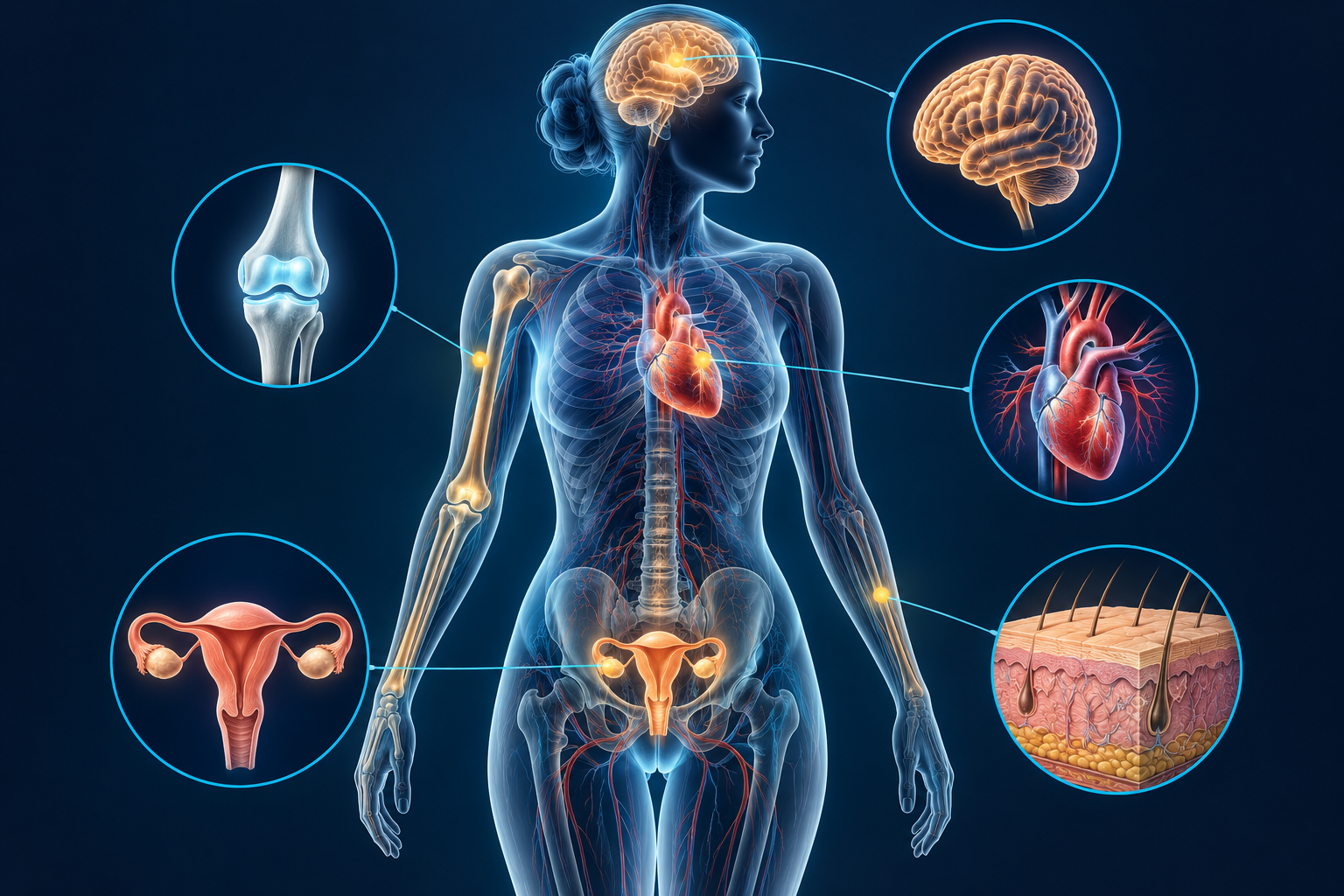
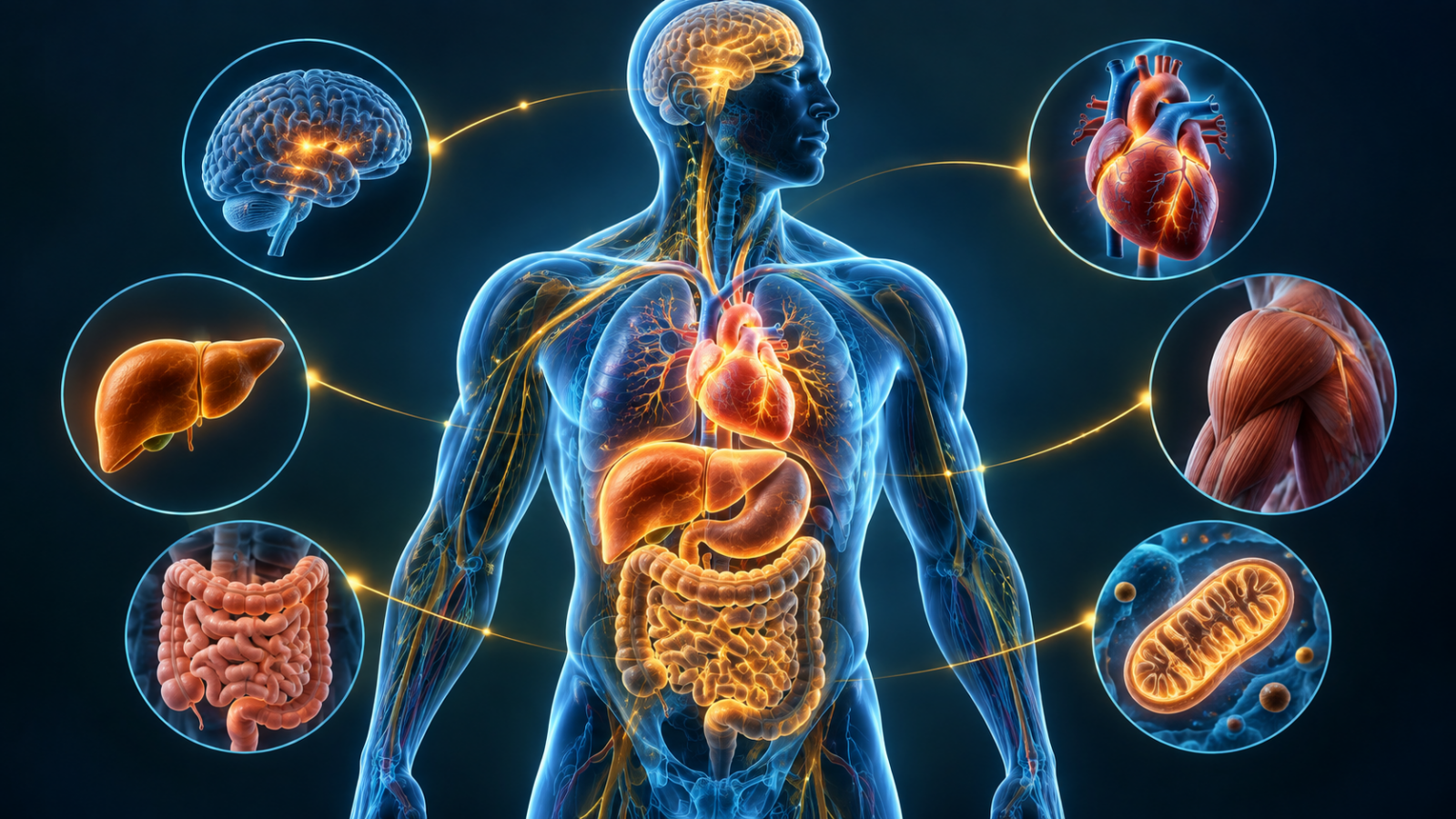
Your metabolism includes all of the chemical processes happening throughout your body that keep you alive and functioning. Every heartbeat, breath, muscle contraction, hormone signal, cell repair process, and conversion of food into usable energy depends on metabolism.
So when someone says they have a “slow metabolism,” the real picture is often far more complicated than simply burning fewer calories.
Understanding how metabolism actually works can help you make better decisions about nutrition, exercise, recovery, hormones, and long-term health.
What Is Metabolism?
Metabolism is the collective term for the thousands of chemical reactions constantly taking place inside your body.
These reactions allow your body to:
- Convert food into usable energy
- Build and repair muscle and other tissues
- Produce hormones and enzymes
- Maintain body temperature
- Support brain function
- Circulate blood
- Maintain healthy cells
- Digest and absorb nutrients
- Remove metabolic waste
- Respond to physical activity and stress
Even when you are sleeping, your metabolism never stops.
Your heart is still beating. Your lungs are still working. Your brain is still active. Your liver is processing nutrients and chemicals. Your cells are continuously maintaining and repairing themselves.
All of that requires energy.
Metabolism Is Not Just About Calories
Calories are simply a measurement of energy.
Your body takes energy from carbohydrates, fats, proteins, and, under certain circumstances, stored energy reserves and uses it to support nearly everything you do.
Some of that energy powers obvious activities such as walking, lifting weights, or exercising.
But a large portion supports processes you may never consciously notice.
For example, energy is required to:
- Maintain your heartbeat
- Support breathing
- Regulate body temperature
- Produce neurotransmitters
- Maintain ion balance inside cells
- Repair damaged tissue
- Produce immune cells
- Synthesize proteins
- Support liver and kidney function
That is why metabolism cannot accurately be described as simply how fast someone “burns food.”
It is the entire network of energy-producing and energy-using processes that allow the human body to function.
The Two Sides of Metabolism: Catabolism and Anabolism
Metabolism is often divided into two broad categories: catabolism and anabolism.
Catabolism
Catabolism refers to processes that break larger molecules down into smaller ones.
These reactions can release energy that your body can use.
Examples include:
- Breaking carbohydrates down into glucose
- Breaking stored glycogen down for energy
- Breaking dietary fat into fatty acids
- Breaking proteins into amino acids
- Mobilizing stored body fat when energy is needed
You can think of catabolism as the body’s process of breaking materials down.
Anabolism
Anabolism works in the opposite direction.
These processes use energy to build or repair structures in the body.
Examples include:
- Building muscle protein
- Repairing tissues
- Producing hormones
- Creating new cells
- Replenishing glycogen stores
- Building bone tissue
Healthy metabolism requires both.
Your body must constantly balance breaking materials down with rebuilding, repairing, and storing what it needs.
Where Does Your Metabolic Energy Go?
Your total daily energy expenditure can generally be divided into several major categories.
1. Basal Metabolic Rate
Your basal metabolic rate, or BMR, represents the energy your body needs to maintain basic functions at rest.
This includes processes such as:
- Breathing
- Circulation
- Brain activity
- Body temperature regulation
- Cellular maintenance
- Organ function
For many adults, resting metabolic processes account for the largest portion of total daily energy expenditure.
That means a significant amount of the energy you use each day has nothing to do with exercise.
2. Physical Activity
Movement increases energy expenditure.
This includes structured exercise such as:
- Strength training
- Running
- Cycling
- Swimming
But it also includes everyday movement.
Walking through a grocery store, cleaning the house, standing at work, taking the stairs, and moving around throughout the day all require energy.
This type of non-exercise movement is sometimes referred to as non-exercise activity thermogenesis, or NEAT.
3. The Thermic Effect of Food
Your body also uses energy to digest, absorb, process, and store the nutrients you eat.
This is known as the thermic effect of food.
Different macronutrients require different amounts of energy to process.
Protein, for example, generally requires more energy to digest and metabolize than carbohydrates or dietary fat.
4. Adaptive Thermogenesis
Energy expenditure can also change in response to environmental conditions, calorie intake, weight loss, illness, and other physiological pressures.
Your body is constantly adapting.
That is one reason metabolism is not a fixed number that stays exactly the same throughout your life.
Does Everyone Have the Same Metabolism?
No.
Energy needs vary significantly from person to person.
Several factors can influence metabolic rate, including:
Body Size
Larger bodies generally require more energy to maintain than smaller bodies.
Muscle Mass
Muscle tissue requires energy to maintain, even at rest.
People with greater amounts of lean body mass often have higher resting energy requirements than people with less lean mass.
Age
Energy requirements may change with age, although aging itself is not the only explanation.
Changes in muscle mass, activity levels, sleep, hormones, health conditions, and lifestyle can also contribute.
Biological Sex and Body Composition
Differences in average body size, lean mass, fat mass, and hormonal environments can influence energy requirements.
Genetics
Genetics can contribute to differences in appetite, body composition, energy expenditure, and how the body responds to food and physical activity.
Hormones
Hormones help regulate many metabolic processes.
Thyroid hormones, insulin, cortisol, estrogen, testosterone, leptin, and other signaling molecules can influence how energy is used, stored, and regulated.
However, metabolism is rarely controlled by a single hormone.
The body operates as an interconnected system.
What Does the Thyroid Have to Do With Metabolism?
The thyroid plays an important role in metabolic regulation.
Thyroid hormones influence how quickly many cells use energy and help regulate processes involving:
- Heart rate
- Body temperature
- Digestion
- Muscle function
- Brain function
- Energy expenditure
This is why thyroid dysfunction can sometimes affect energy levels, body weight, temperature tolerance, and other symptoms.
But feeling tired or struggling with weight does not automatically mean someone has a thyroid problem.
Sleep, nutrition, stress, medications, activity levels, calorie intake, muscle mass, and other medical conditions can produce overlapping symptoms.
Proper evaluation matters.
Can Your Metabolism Become “Damaged”?
The phrase damaged metabolism is common online, but it can be misleading.
Your metabolism does adapt.
For example, prolonged calorie restriction and significant weight loss can reduce energy expenditure.
Several things may contribute:
- A smaller body requires less energy
- Less food means a smaller thermic effect of food
- People may unconsciously move less
- Hormonal signals related to hunger and energy conservation can change
- The body may become more energy-efficient
This phenomenon is sometimes called adaptive thermogenesis or metabolic adaptation.
That does not necessarily mean your metabolism is permanently broken.
It means your body is responding to changes in energy availability.
Why Extreme Dieting Can Make Fat Loss Harder
Aggressive dieting may initially produce faster weight loss, but it can also make long-term adherence more difficult.
Severe calorie restriction may increase:
- Hunger
- Fatigue
- Food cravings
- Irritability
- Reduced training performance
It may also contribute to lower spontaneous movement and loss of lean body mass if nutrition and resistance training are inadequate.
As body weight decreases, calorie requirements also tend to decrease.
The same calorie intake that originally caused weight loss may eventually produce slower progress.
That is normal physiology, not necessarily a sign of metabolic failure.
Muscle Matters for Metabolic Health
Strength training is often discussed as a way to “boost metabolism.”
That explanation is somewhat oversimplified, but maintaining muscle is still extremely important.
Resistance training can help:
- Preserve lean mass during weight loss
- Improve strength
- Support bone health
- Improve glucose regulation
- Maintain physical function
- Support healthier body composition
Muscle is also an important site for glucose disposal.
When skeletal muscle contracts during exercise, it increases its demand for energy and can improve how the body handles glucose.
For adults trying to protect metabolic health as they age, maintaining muscle may be one of the most valuable long-term strategies available.
Sleep Also Affects Metabolic Health
Sleep does not simply provide rest.
It influences systems involved in:
- Appetite regulation
- Glucose metabolism
- Recovery
- Stress hormones
- Exercise performance
- Food choices
Consistently inadequate sleep may make weight management more difficult by increasing hunger, reducing energy, and altering metabolic regulation.
Someone trying to improve metabolic health while sleeping five hours per night may be overlooking an important part of the equation.
Stress and Metabolism
Your stress response exists to help your body respond to challenges.
Hormones such as cortisol help regulate energy availability during stressful situations.
Short-term stress is normal.
Persistent stress, however, can influence:
- Sleep
- Hunger
- Food choices
- Physical activity
- Recovery
- Blood glucose regulation
Stress does not automatically “shut down” metabolism or cause immediate fat gain.
But chronic stress can affect many behaviors and physiological systems that influence metabolic health over time.
Metabolic Health Is Bigger Than Body Weight
Two people can weigh the same amount and have very different metabolic health.
Metabolic health may involve factors such as:
- Blood glucose
- Insulin sensitivity
- Blood pressure
- Triglycerides
- Cholesterol
- Waist circumference
- Liver health
- Physical fitness
- Muscle mass
- Inflammation
- Sleep quality
This is why body weight alone rarely tells the entire story.
A more complete health evaluation may include symptoms, lifestyle, body composition, medical history, lab testing, and other clinical information.
Can You Speed Up Your Metabolism?
There is no reliable shortcut that dramatically transforms metabolic rate overnight.
But you can support healthy metabolic function.
Important habits include:
- Strength training consistently
- Staying physically active throughout the day
- Eating adequate protein
- Avoiding unnecessary extreme calorie restriction
- Getting consistent, sufficient sleep
- Managing stress
- Maintaining or building lean muscle
- Eating a nutrient-dense diet
- Addressing underlying medical conditions when present
These habits may not sound as exciting as a supplement claiming to “ignite your metabolism.”
But they have much stronger foundations.
Why Metabolism Changes Over Time
People often notice that maintaining the same weight becomes more difficult as they get older.
That experience is real, but age is rarely the only factor.
Over the years, people may gradually experience changes in:
- Muscle mass
- Daily movement
- Exercise frequency
- Sleep
- Stress
- Hormones
- Medication use
- Eating habits
- Work demands
A small reduction in daily activity combined with gradual loss of muscle and changes in food intake can add up over many years.
The solution is not necessarily to eat dramatically less.
Often, preserving muscle, increasing movement, improving sleep, and evaluating potential medical contributors can be more useful than chasing increasingly restrictive diets.
The Bottom Line
Metabolism is not simply the speed at which you burn calories.
It includes every chemical process your body uses to create energy, build tissue, regulate hormones, repair cells, maintain organs, and keep you alive.
Your metabolic rate is influenced by many factors, including body size, muscle mass, physical activity, food intake, sleep, hormones, genetics, and overall health.
And while metabolism can adapt to changes in calorie intake, body weight, and activity, that does not mean it is permanently “broken.”
If your energy, weight, recovery, body composition, or metabolic health has changed significantly, looking at the bigger picture may provide more useful answers than simply trying to eat less.
At 1st Optimal, we take a more comprehensive approach by looking at the systems that influence how you feel and function, including hormones, metabolic markers, lifestyle, nutrition, and recovery.
Educational content only. This article is not intended to diagnose, treat, cure, or prevent any medical condition. Talk with a qualified healthcare professional about symptoms, testing, medications, or treatment decisions.
Frequently Asked Questions
What is metabolism in simple terms?
Metabolism is the collection of chemical reactions your body uses to convert nutrients into energy, build and repair tissues, produce important molecules, and maintain basic functions necessary for life.
Is metabolism the same as burning calories?
No. Burning or using calories is part of metabolism, but metabolism also includes processes such as building proteins, producing hormones, repairing cells, regulating body temperature, and maintaining organ function.
What determines how fast your metabolism is?
Factors include body size, lean muscle mass, physical activity, age, genetics, food intake, hormones, and overall health.
Does having more muscle increase metabolism?
Muscle requires energy to maintain, so greater lean mass can contribute to higher resting energy requirements. Strength training also increases energy use during exercise and can help preserve muscle during weight loss.
Can dieting slow your metabolism?
Prolonged calorie restriction and weight loss can reduce energy expenditure through changes in body size, movement, hormonal signaling, and metabolic adaptation. This does not necessarily mean metabolism is permanently damaged.
How can I support a healthy metabolism?
Regular strength training, daily movement, adequate protein and overall nutrition, consistent sleep, stress management, and appropriate medical care can all support metabolic health.