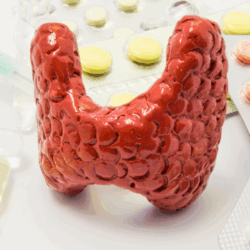


Understanding Hormone Decline
Hormones are your body’s chemical messengers, regulating everything from energy and metabolism to mood, sleep, and sexual function. As you age, hormone production naturally shifts, but for many men and women, these changes go far beyond mild inconvenience.
For women, estrogen and progesterone begin declining in the late 30s and early 40s, accelerating through perimenopause and dropping sharply after menopause. Testosterone, often overlooked in women, also declines steadily starting around age 30.
For men, testosterone levels decrease by approximately 1-2% per year after age 30, according to research published in the Journal of Clinical Endocrinology & Metabolism. By the time a man reaches his 50s, he may have lost 30-50% of his peak testosterone levels.
The question isn’t whether your hormones will change. They will. The real question is: when do those changes start affecting your quality of life, and what are the signs that you need hormone replacement therapy?
Signs You May Need HRT: For Women
Women often experience hormone imbalance symptoms years before menopause. Here are the most common signals your body may be sending:
Hot Flashes and Night Sweats
Hot flashes affect up to 80% of women during perimenopause and menopause. These sudden waves of heat, often accompanied by flushing and sweating, can disrupt daily activities and sleep. Night sweats, the nocturnal version, frequently lead to chronic sleep deprivation.
Mood Changes and Irritability
Estrogen directly influences serotonin and dopamine production. When levels drop, many women experience unexplained mood swings, increased irritability, or emotional sensitivity that feels disproportionate to the situation.
Brain Fog and Memory Issues
Struggling to find words, forgetting why you walked into a room, or losing focus mid-task are hallmark signs of declining estrogen and progesterone. Estrogen plays a key role in cognitive function, and its decline can noticeably affect mental sharpness.
Low Libido
A sudden or gradual loss of interest in intimacy is one of the most common reasons women seek hormone balance treatment. Both estrogen and testosterone play critical roles in female sexual desire.
Vaginal Dryness and Discomfort
Declining estrogen thins the vaginal lining and reduces natural lubrication, leading to discomfort during intimacy and an increased risk of urinary tract infections.
Irregular Periods
Periods that become heavier, lighter, more frequent, or less predictable often signal fluctuating hormone levels. This is typically one of the earliest signs of perimenopause.
Bone Loss
Estrogen is essential for bone density maintenance. Women can lose up to 20% of their bone density in the five to seven years following menopause, significantly increasing fracture risk.
Sleep Disruption
Beyond night sweats, progesterone has a natural calming effect that promotes sleep. When levels decline, insomnia and restless sleep become common, even in women who previously slept well.
Unexplained Weight Gain
Hormonal shifts can slow metabolism and increase fat storage, particularly around the midsection. Many women notice weight gain despite maintaining the same diet and exercise routine.
Signs You May Need HRT: For Men
Men don’t experience a sudden hormonal cliff like menopause, but the gradual decline in testosterone, sometimes called andropause, can be equally disruptive. Here are the signs to watch for:
Persistent Fatigue
Not the tiredness after a long day, but a deep, persistent exhaustion that doesn’t improve with rest. Low testosterone is one of the most common causes of chronic fatigue in adults over 35.
Low Libido and Erectile Dysfunction
Testosterone is the primary driver of male sexual desire. A noticeable decline in libido, difficulty achieving or maintaining erections, or reduced morning erections are classic signs of low T.
Muscle Loss and Increased Body Fat
Testosterone supports lean muscle mass and regulates fat distribution. Men with declining levels often notice they’re losing muscle despite consistent training, while gaining fat, especially around the abdomen.
Brain Fog and Poor Concentration
Like women, men rely on optimal hormone levels for cognitive performance. Difficulty concentrating, reduced mental clarity, and slower decision-making can all stem from low testosterone.
Mood Changes and Irritability
Low testosterone is linked to increased irritability, reduced motivation, and even depressive symptoms. Many men describe feeling “flat” or losing the drive they once had.
Weight Gain
Declining testosterone shifts the body’s composition toward fat storage. Combined with reduced energy and motivation to exercise, this creates a cycle that can be difficult to break without intervention.
Sleep Problems
Testosterone influences sleep quality and architecture. Low levels are associated with insomnia, restless sleep, and even sleep apnea, which further reduces testosterone production in a vicious cycle.
Less Obvious Signs Your Hormones May Be Off
Not all signs of hormone imbalance are textbook. These subtler symptoms are frequently overlooked or attributed to stress and aging:
Anxiety and Depression
Hormones directly influence neurotransmitter production. Unexplained anxiety, panic attacks, or depressive episodes that don’t respond well to traditional treatments may have a hormonal root cause.
Joint Pain and Stiffness
Estrogen has anti-inflammatory properties, and testosterone supports connective tissue repair. When these hormones decline, many people experience new or worsening joint pain, particularly in the mornings.
Hair and Skin Changes
Thinning hair, dry skin, brittle nails, or changes in hair texture can signal hormonal shifts. These changes reflect the systemic impact of declining hormone levels.
Poor Recovery from Exercise
If your workouts aren’t producing results like they used to, or you’re taking days to recover from sessions that were previously manageable, declining hormones may be limiting your body’s repair capacity.
Declining Work Performance
When brain fog, fatigue, mood issues, and poor sleep converge, professional performance often suffers. High-performing executives and entrepreneurs frequently discover that hormonal optimization is the missing piece in their performance puzzle.
When Should You Get Tested?
Don’t wait for symptoms to become debilitating. Here’s when to consider hormone testing:
- Age 35+: Baseline testing is valuable even before symptoms appear. Knowing your numbers gives you a reference point for future comparison.
- You have 3+ symptoms from the lists above: Multiple concurrent symptoms strongly suggest hormonal involvement.
- Family history of early menopause, osteoporosis, or hormonal conditions: Genetic factors significantly influence your hormonal timeline.
- You’ve tried lifestyle interventions without improvement: If optimizing sleep, diet, and exercise hasn’t resolved your symptoms, hormones deserve investigation.
- After major life events: Pregnancy, surgery, extreme stress, or significant weight changes can all accelerate hormonal shifts.
Early detection provides more treatment options and better outcomes. Waiting until symptoms are severe often means more aggressive intervention is required.
What Tests Are Needed?
Standard blood work at your primary care physician often misses the full picture. Comprehensive hormone evaluation should include:
Comprehensive Blood Panels
Beyond basic testosterone and estrogen levels, a thorough panel includes free and total testosterone, estradiol, progesterone, DHEA-S, sex hormone-binding globulin (SHBG), and a complete metabolic panel.
DUTCH Testing
The Dried Urine Test for Comprehensive Hormones (DUTCH) is a game-changer. Unlike blood tests that capture a single moment, DUTCH testing measures hormone metabolites over a 24-hour period, revealing how your body produces, uses, and eliminates hormones. This level of detail is critical for designing precise treatment protocols.
Cortisol Testing
Chronic stress disrupts the entire hormonal cascade. Cortisol testing through multiple daily samples reveals your stress response pattern and its impact on other hormones. Elevated cortisol can suppress testosterone, disrupt thyroid function, and worsen estrogen dominance.
Thyroid Panel
Thyroid hormones interact closely with sex hormones. A comprehensive thyroid panel (TSH, free T3, free T4, reverse T3, and thyroid antibodies) helps identify whether thyroid dysfunction is contributing to or compounding your symptoms.

Types of Hormone Replacement Therapy
When testing confirms hormonal deficiencies, several treatment options exist:
Bioidentical Hormone Replacement Therapy (BHRT) for Women
Bioidentical hormones are molecularly identical to the hormones your body naturally produces. BHRT for women typically involves customized combinations of estrogen, progesterone, and testosterone in forms like creams, pellets, or patches. The reanalysis of the Women’s Health Initiative (WHI) data has significantly shifted the conversation around BHRT safety, showing that when started at the appropriate time and with bioidentical formulations, the risk profile is far more favorable than previously reported.
Testosterone Replacement Therapy (TRT) for Men
TRT restores testosterone to optimal physiological levels through injections, topical gels, creams, or pellets. When properly monitored and dosed, TRT can improve energy, body composition, mood, cognitive function, and sexual health. The benefits of optimized testosterone extend well beyond just raising a number on a lab report.
Myths vs. Facts About HRT
Myth: HRT Causes Cancer
Fact: The original WHI study results from 2002 created widespread fear, but decades of follow-up research and reanalysis have provided critical nuance. The North American Menopause Society, the Endocrine Society, and multiple international bodies now support HRT use when initiated within 10 years of menopause onset or before age 60, particularly with bioidentical formulations. Individual risk assessment remains essential.
Myth: These Symptoms Are Just Normal Aging
Fact: While hormone decline is natural, suffering is not mandatory. Just because something is common doesn’t mean it’s optimal. Modern medicine has the tools to safely restore hormonal balance and dramatically improve quality of life.
Myth: You’re Too Young (or Too Old) for HRT
Fact: Premature hormonal decline affects men and women in their 30s. Environmental toxins, chronic stress, poor sleep, and nutritional deficiencies can accelerate hormone loss. Conversely, healthy adults in their 60s and 70s can still benefit from carefully managed hormone optimization. The decision should be based on lab data and symptoms, not arbitrary age cutoffs.
How 1st Optimal Determines If HRT Is Right for You
At 1st Optimal, we don’t guess. Every treatment decision is grounded in comprehensive data and personalized to your unique physiology.
Here’s our approach:
- Advanced Diagnostic Testing: We start with in-depth lab work, including DUTCH hormone testing, comprehensive blood panels, cortisol mapping, and additional tests based on your symptoms and health history.
- Data-Driven Analysis: Your results are analyzed by our medical team against optimal ranges, not just “normal” reference ranges. There’s a significant difference between clinically normal and functionally optimal.
- Personalized Protocols: If HRT is appropriate, your protocol is customized to your exact hormone profile, goals, and lifestyle. We use bioidentical hormones for both men and women, with dosing tailored to your body’s specific needs.
- Ongoing Monitoring: Your dedicated Membership Manager coordinates regular follow-up labs and check-ins to ensure your protocol is delivering results and adjust as needed.
- Whole-Person Approach: Hormones don’t exist in isolation. We evaluate thyroid function, cortisol patterns, gut health, nutritional status, and lifestyle factors to create a truly comprehensive optimization plan.
Whether you’re a high-performing professional noticing the first signs of decline or someone who has been struggling with symptoms for years, the path forward starts with knowing your numbers.
Frequently Asked Questions
What are the first signs you need hormone replacement therapy?
The earliest signs typically include unexplained fatigue, mood changes, sleep disruption, and reduced libido. Women may notice irregular periods and increased anxiety, while men often experience declining energy and motivation first. Any combination of three or more symptoms warrants testing.
At what age should you consider HRT?
There is no single “right” age. Many women begin experiencing hormonal shifts in their late 30s to early 40s, while men may notice changes starting in their mid-30s. The decision should be based on symptoms and lab values rather than age alone. Baseline testing at age 35 provides a valuable reference point.
Is hormone replacement therapy safe?
When properly prescribed, monitored, and individualized, HRT is considered safe for most healthy adults. The Endocrine Society and the North American Menopause Society both support the use of HRT for symptomatic individuals, particularly when bioidentical hormones are used and treatment is initiated at the appropriate time. Ongoing monitoring is essential.
How long does it take for HRT to work?
Most people begin noticing improvements within 2-4 weeks, with significant changes in energy, mood, and sleep often occurring within the first 1-3 months. Full optimization of body composition, cognitive function, and sexual health may take 3-6 months of consistent treatment and monitoring.
Can you do hormone replacement therapy through telehealth?
Yes. Telehealth-based hormone optimization is increasingly popular, particularly for busy professionals. At 1st Optimal, our entire process, from at-home diagnostic testing to physician consultations and ongoing management, is delivered through a convenient virtual platform, making premium hormone care accessible nationwide.
What is the difference between BHRT and traditional HRT?
Bioidentical hormone replacement therapy (BHRT) uses hormones that are molecularly identical to those your body naturally produces, while traditional HRT may use synthetic or animal-derived hormones. Many patients and practitioners prefer bioidentical options for their closer match to human physiology and potentially improved side-effect profiles.
Medical Disclaimer: This article is for informational purposes only and does not constitute medical advice. Hormone replacement therapy should only be initiated under the supervision of a qualified healthcare provider after comprehensive testing and evaluation. Individual results may vary. Consult your physician before making any changes to your healthcare regimen.