
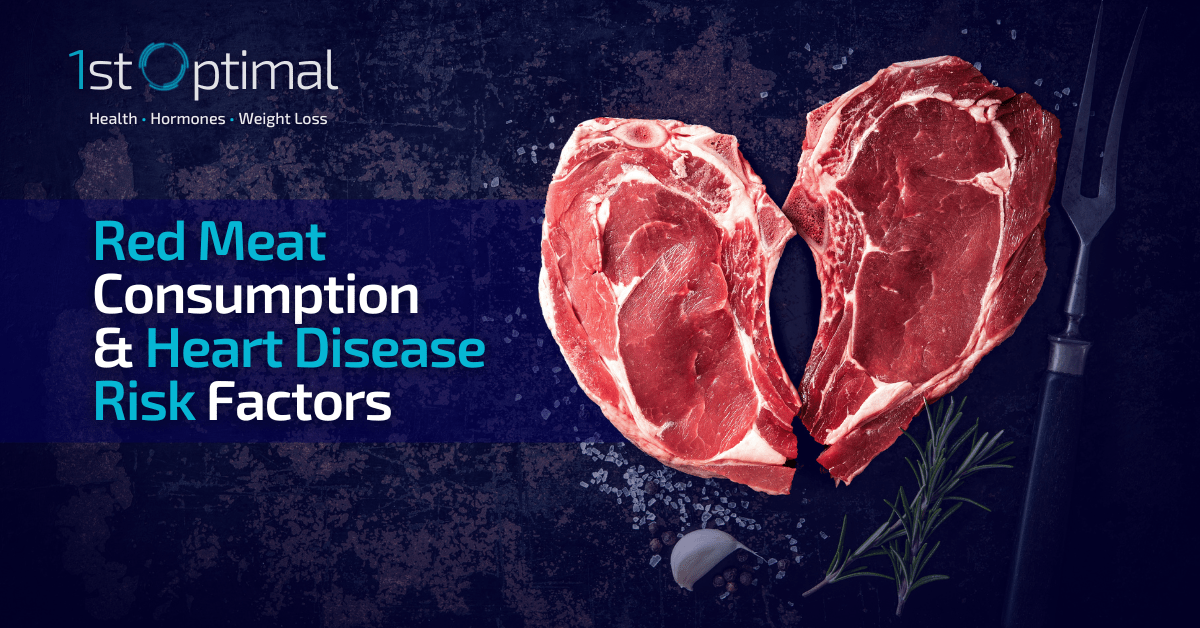
The relationship between red meat consumption and cardiovascular disease (CVD) risk has been a contentious topic in nutritional science. While observational studies often suggest a potential link between higher red meat intake and increased cardiovascular risks, randomized controlled trials (RCTs)—the gold standard in clinical research—have not consistently confirmed this association. As the most consumed red meat in the United States, beef deserves closer examination, particularly in light of conflicting research findings. This article delves into the findings of a systematic review on red meat and heart disease, shedding light on key conclusions and their implications for dietary recommendations.
Key Findings of the Review
1. Observational Studies: A Mixed Bag
Observational studies have been pivotal in studying dietary habits and their long-term health impacts. These studies typically indicate that higher consumption of red meat, including beef, is correlated with elevated CVD risk. However, observational studies come with significant limitations:
- Confounding Variables: Participants with high red meat consumption often have other unhealthy lifestyle habits, such as lower physical activity levels, smoking, or diets high in processed foods and low in fiber. These factors complicate the interpretation of the results.
- Population Variability: Cultural differences in dietary patterns can influence the outcomes. For instance, the Mediterranean diet, rich in lean meats, fish, fruits, and vegetables, may moderate the potential adverse effects of red meat consumption.
2. Randomized Controlled Trials (RCTs): Inconclusive Evidence
RCTs, which minimize bias by controlling variables in a tightly regulated environment, have not consistently shown that red meat directly contributes to CVD risk. Key points include:
- Nutritional Profile of Beef: Beef contains essential nutrients such as high-quality protein, iron, zinc, and vitamin B12. When consumed in moderation as part of a balanced diet, it may not independently increase CVD risk.
- Absence of a Direct Link: Some RCTs suggest that other dietary components, such as high saturated fat intake, may be more closely linked to CVD than beef consumption itself.
- Short Study Durations: Many RCTs focus on short-term biomarkers like cholesterol levels rather than long-term clinical outcomes like heart attacks or strokes, leaving room for further investigation.
3. Specific Research on Beef
Interestingly, beef-specific studies remain sparse despite its prominence in the American diet. Many studies examining red meat consumption lump together various types of meat, including processed and unprocessed varieties. This lack of differentiation obscures our understanding of beef’s unique effects compared to other red meats or processed options.
Beef, Nutritional Content, and Cardiovascular Health
Nutritional Benefits of Beef
Beef is a nutrient-dense food, offering several vital nutrients:
- High-Quality Protein: Essential for muscle repair, growth, and overall health.
- Iron: Heme iron found in beef is more bioavailable than non-heme iron from plant sources, making it a valuable dietary component for preventing iron-deficiency anemia.
- Zinc and Vitamin B12: Both are crucial for immune function and neurological health.
Saturated Fat and CVD
The saturated fat content in beef has long been a concern in CVD research. However, emerging evidence challenges the traditional view that saturated fat is the primary driver of heart disease. Studies now suggest that the overall dietary pattern—including fiber intake, plant-based foods, and processed food consumption—significantly influences cardiovascular outcomes.
Cooking Methods and Processing
Another critical factor in understanding the health implications of beef consumption is how it is prepared. Processed and charred meats contain higher levels of harmful compounds like advanced glycation end products (AGEs) and heterocyclic amines (HCAs), which are linked to inflammation and oxidative stress. In contrast, lean cuts of beef, cooked using healthier methods like grilling or baking, may present fewer risks.
The Role of Lifestyle and Diet in CVD Risk
Context Matters
The impact of beef on heart health cannot be considered in isolation. A person’s lifestyle—including physical activity levels, smoking habits, and dietary diversity—significantly influences cardiovascular outcomes. For example:
- Mediterranean and DASH Diets: These heart-healthy diets demonstrate that moderate consumption of lean red meat, including beef, can fit into an overall balanced approach to eating without adverse effects on heart health.
- Plant-Based Additions: Incorporating plant-based proteins, such as legumes, nuts, and whole grains, alongside lean beef can further enhance cardiovascular benefits.
The Role of Portion Sizes
Moderation remains key. Studies show that individuals consuming large portions of red meat regularly may experience different outcomes than those consuming smaller portions within a nutrient-rich, balanced diet.
Implications for Dietary Recommendations
Given the conflicting evidence surrounding beef consumption and cardiovascular health, current dietary guidelines emphasize moderation and balance. Practical recommendations include:
- Opt for Lean Cuts: Choosing leaner cuts of beef with lower fat content.
- Limit Processed Meats: Avoiding heavily processed beef products, which often contain added sodium and preservatives.
- Focus on Overall Diet: Complementing beef with high-fiber foods, such as vegetables, fruits, and whole grains, to mitigate potential risks.
Dietary choices should always be tailored to individual health conditions, preferences, and nutritional needs. Consulting healthcare professionals, such as registered dietitians, can help individuals make informed decisions.
Conclusion of Red Meat and Heart Disease Risks
The association between beef consumption and cardiovascular disease risk remains complex and multifaceted. While observational studies suggest a link, RCTs have not consistently demonstrated that beef directly contributes to increased risk. Factors such as cooking methods, portion sizes, and overall dietary patterns likely play a more significant role than beef consumption alone. Nutrient-dense and lean cuts of beef, consumed in moderation as part of a balanced diet, may not pose substantial risks and can even provide essential nutrients beneficial for overall health. Future research focusing on long-term outcomes and beef-specific impacts will be crucial in refining dietary guidelines and dispelling misconceptions about red meat consumption.
Take Control of Your Heart Health
Get the Heart Health & Lipids Bundle to assess vital markers like cholesterol, triglycerides, and more. Gain valuable insights into your cardiovascular risk and take proactive steps toward a healthier future.
Available now at Shop.1stOptimal.com
References
- Beef Consumption and Cardiovascular Disease Risk Factors: A Systematic Review
- Harvard T.H. Chan School of Public Health. “Red Meat and Health Risks.”
- National Institutes of Health (NIH). “Dietary Fats and Cardiovascular Risk.”