
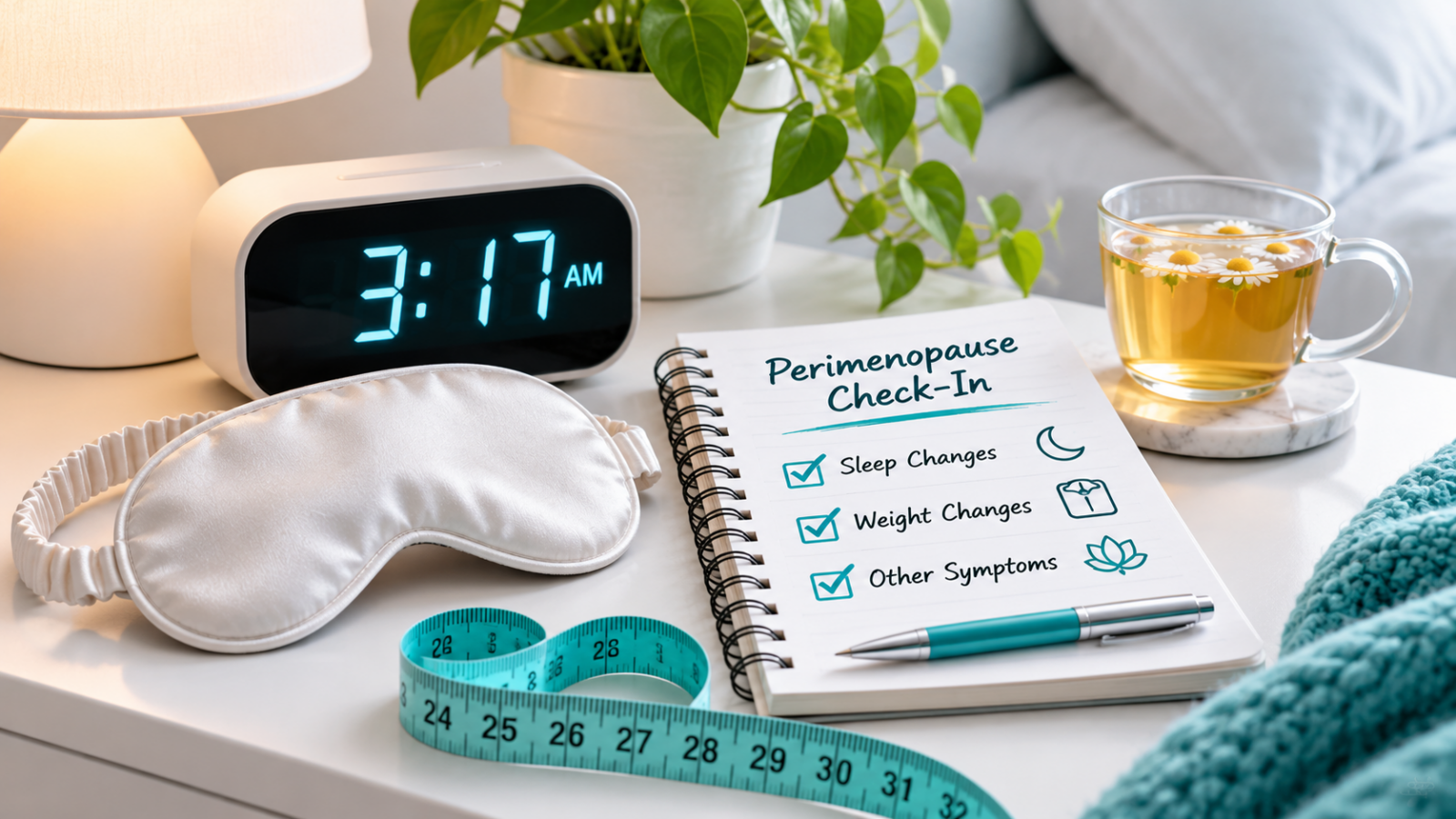
You wake up at 3 a.m. for no obvious reason. Your energy drops halfway through the afternoon. Your waistline changes even though the number on the scale barely moves. Workouts that once felt manageable now require more recovery.
For many women in their late 30s, 40s, and early 50s, these experiences raise an important question: Could perimenopause be affecting my sleep, weight, and overall health?
The answer may be yes, but hormonal changes are rarely the entire explanation.
Perimenopause is a natural reproductive transition involving changes in ovarian hormone production and menstrual patterns. During this period, some women experience disrupted sleep, hot flashes, mood changes, and differences in body composition. Aging, daily activity, medical conditions, medications, and lifestyle factors also influence these experiences.
Understanding how these factors overlap can help you have a more productive conversation with your healthcare provider.
At 1st Optimal, functional health care emphasizes understanding your symptoms, reviewing relevant clinical information, and creating practical plans that support your individual health goals.
This guide explores the relationship between perimenopause, sleep disturbances, and weight changes, including the questions worth asking, testing considerations, evidence-based treatment options, and warning signs that deserve further evaluation.
Key Takeaways
- Perimenopause can disrupt sleep through night sweats, changing hormone patterns, mood symptoms, and other contributing factors.
- Midlife weight gain is influenced largely by aging, while menopause-related changes can promote greater abdominal fat accumulation.
- Insomnia and fatigue should not automatically be attributed to hormones because other medical conditions may produce similar symptoms.
- Routine estrogen, progesterone, and FSH testing is not necessary to diagnose typical perimenopause in otherwise healthy women over 45.
- Menopause hormone therapy can help eligible patients with bothersome hot flashes and related sleep disruption, but it is not a weight-loss treatment.
- Sleep assessment, resistance training, balanced nutrition, and individualized medical care can support long-term well-being.
- Preparing a symptom history and specific questions can make your healthcare appointment more useful.
Understanding Perimenopause: What Is Actually Happening?
Perimenopause refers to the transition leading up to menopause, when ovarian function and menstrual patterns begin changing. It often begins during the 40s, although some individuals notice changes earlier.
Menopause itself is generally identified retrospectively after 12 consecutive months without a menstrual period, provided there is no other explanation and hormonal treatments are not obscuring the pattern.
The transition does not follow an identical timeline for everyone.
Some women experience years of changing menstrual cycles before their final period. Others notice hot flashes, sleep disturbances, or mood changes before significant menstrual irregularity develops.
Common Perimenopause Symptoms
Experiences may include irregular periods, hot flashes, night sweats, disrupted sleep, vaginal dryness, mood changes, joint discomfort, and difficulty concentrating.
Not everyone experiences these symptoms, and their intensity can change throughout the transition.
A person may feel relatively comfortable for several months before developing new concerns. Another may have persistent sleep disturbances but few noticeable daytime hot flashes.
Understanding this variability helps explain why symptom history is often more useful than a single laboratory result.
For women aged 45 and older with typical symptoms and menstrual changes, clinical guidelines generally support identifying perimenopause without routine hormone testing.
If menstrual changes begin before age 40, evaluation for premature ovarian insufficiency or other causes becomes particularly important.
How Hormonal Changes Can Influence Sleep, Energy, and Body Composition
Estrogen and progesterone participate in multiple physiological processes, including reproductive function, temperature regulation, and the menstrual cycle.
During perimenopause, their production becomes less predictable. Estrogen does not simply decline steadily every month. Levels may fluctuate substantially before becoming consistently lower after menopause.
These changes can influence how women experience symptoms, but the relationship is complex.
Estrogen and Temperature Regulation
Changes in estrogen signaling can affect the brain’s temperature-regulating pathways. This contributes to vasomotor symptoms, including hot flashes and night sweats.
Nighttime symptoms can interrupt sleep and leave someone feeling fatigued the following morning.
Progesterone and Sleep
Progesterone also changes across the menstrual transition. Certain progesterone preparations have been studied for sleep outcomes, but changes in circulating progesterone do not explain every episode of insomnia.
Different hormone therapies have different effects, and treatment decisions require individualized medical assessment.
Hormones Are Only Part of the Picture
Sleep quality, physical activity, muscle mass, thyroid disease, medication effects, and psychological health can influence energy and body weight.
For that reason, an effective clinical conversation should evaluate possible hormonal contributions without assuming that every symptom results from an estrogen or progesterone deficiency.
Why Sleep Problems Become More Common During Perimenopause
Sleep disruption is one of the most frequently discussed concerns during the menopause transition.
Some women have difficulty falling asleep. Others fall asleep easily but wake repeatedly or begin waking several hours earlier than intended.
Sleep problems can occur with or without noticeable night sweats.
Night Sweats and Repeated Awakenings
Vasomotor symptoms can interrupt sleep by creating sudden sensations of heat, sweating, or physical discomfort.
These interruptions may occur repeatedly, affecting how rested someone feels the next day.
When night sweats are a major trigger, treating menopausal vasomotor symptoms may improve sleep.
Insomnia Without Hot Flashes
Not all perimenopausal insomnia is caused by temperature changes.
Difficulty sleeping may involve stress, conditioned wakefulness, circadian disruption, pain, mood symptoms, or another sleep disorder.
Someone who spends several hours worrying about whether they will sleep may develop patterns that reinforce insomnia even after an original trigger improves.
Mood and Stress Can Complicate Sleep
Anxiety, depressive symptoms, and major life demands can contribute to disturbed sleep during midlife.
Sleep difficulties may also worsen emotional regulation and concentration, creating an unpleasant cycle.
These relationships are not evidence that symptoms are imaginary or purely psychological.
Instead, they illustrate why a comprehensive sleep assessment should consider several interacting causes rather than focusing exclusively on hormones.
When Your Sleep Problems May Have Another Medical Cause
Perimenopause and sleep disorders can occur at the same time.
Assuming every nighttime awakening is hormonal may delay identification of a treatable condition.
Obstructive Sleep Apnea
Obstructive sleep apnea involves repeated narrowing or blockage of the upper airway during sleep.
Risk increases during and after the menopause transition. Symptoms can include snoring, gasping, morning headaches, daytime fatigue, and fragmented sleep.
Women may present with insomnia or tiredness rather than the stereotypical complaint of loud snoring.
If symptoms suggest sleep apnea, a clinician may recommend a sleep study.
Restless Legs and Iron Deficiency
An uncomfortable urge to move the legs during rest can interfere with falling asleep.
Restless legs syndrome sometimes occurs alongside iron deficiency. Heavy menstrual bleeding can also contribute to reduced iron stores.
A clinician may consider relevant blood testing when symptoms support this possibility.
Other Potential Contributors
Pain, frequent nighttime urination, certain medications, alcohol use, thyroid abnormalities, and mental health conditions may also disturb sleep.
The correct treatment depends on identifying which factors are relevant.
A detailed sleep history can often help determine whether further testing or referral is appropriate.
What to Discuss With Your Healthcare Provider About Sleep
Instead of simply reporting that you are sleeping badly, describe exactly what happens at night.
Useful details include how long it takes to fall asleep, how often you wake, whether sweating occurs, and how your symptoms affect daytime functioning.
Questions Worth Asking
- Could perimenopause be contributing to my sleep problems?
- Do my symptoms suggest insomnia, sleep apnea, or another sleep disorder?
- Could nighttime hot flashes be disrupting my sleep?
- Are any medications or health conditions contributing?
- Would cognitive behavioral therapy for insomnia be appropriate?
- Would a sleep study or other evaluation be useful?
- What treatment options fit my medical history and preferences?
Bring Specific Examples
Consider describing a typical night rather than giving a general impression.
For example, you might explain that you usually go to bed at 10 p.m., wake around 2 a.m., and remain awake for an hour before falling asleep again.
Mention whether you notice sweating, anxiety, discomfort, or breathing symptoms during these episodes.
Also describe changes in alertness, exercise recovery, work performance, and mood.
This information may help your provider determine whether treatment should focus on menopausal symptoms, behavioral sleep strategies, another medical condition, or several issues together.
Evidence-Based Treatment Options for Perimenopause Sleep Problems
Sleep treatment should address the likely cause rather than relying on the same strategy for everyone.
Cognitive Behavioral Therapy for Insomnia
Cognitive behavioral therapy for insomnia, commonly called CBT-I, is a structured treatment that addresses behaviors and thought patterns contributing to chronic insomnia.
It may involve sleep scheduling, stimulus control, and strategies for reducing sleep-related worry.
The International Menopause Society recommends CBT-I as a first-line treatment for sleep disturbance across the menopause transition.
CBT-I differs from simply being told to practice better sleep hygiene.
Menopause-Specific Treatment
When night sweats drive repeated awakenings, appropriately selected hormone therapy or certain nonhormonal treatments may help by reducing vasomotor symptoms.
Hormone therapy is not a universal insomnia treatment, and benefits may differ when hot flashes are absent.
Sleep Habits That Support Treatment
- Maintain reasonably consistent sleep and wake times.
- Keep the bedroom dark, quiet, and comfortably cool.
- Limit caffeine late in the day if it affects sleep.
- Reduce alcohol when it worsens nighttime awakenings.
- Get regular daytime physical activity.
- Avoid spending prolonged periods awake and frustrated in bed.
These habits can support healthy sleep, although persistent insomnia often requires more targeted care.
Discuss chronic sleep medication use with your clinician, including possible side effects, interactions, and alternatives.
Why Weight and Body Composition Change During Perimenopause
Many women notice that managing body weight becomes more challenging in midlife.
However, the relationship between perimenopause and weight is frequently oversimplified.
Research indicates that chronological aging contributes substantially to typical midlife weight gain, while menopause-related hormonal changes influence where fat tends to accumulate.
Why Abdominal Fat May Increase
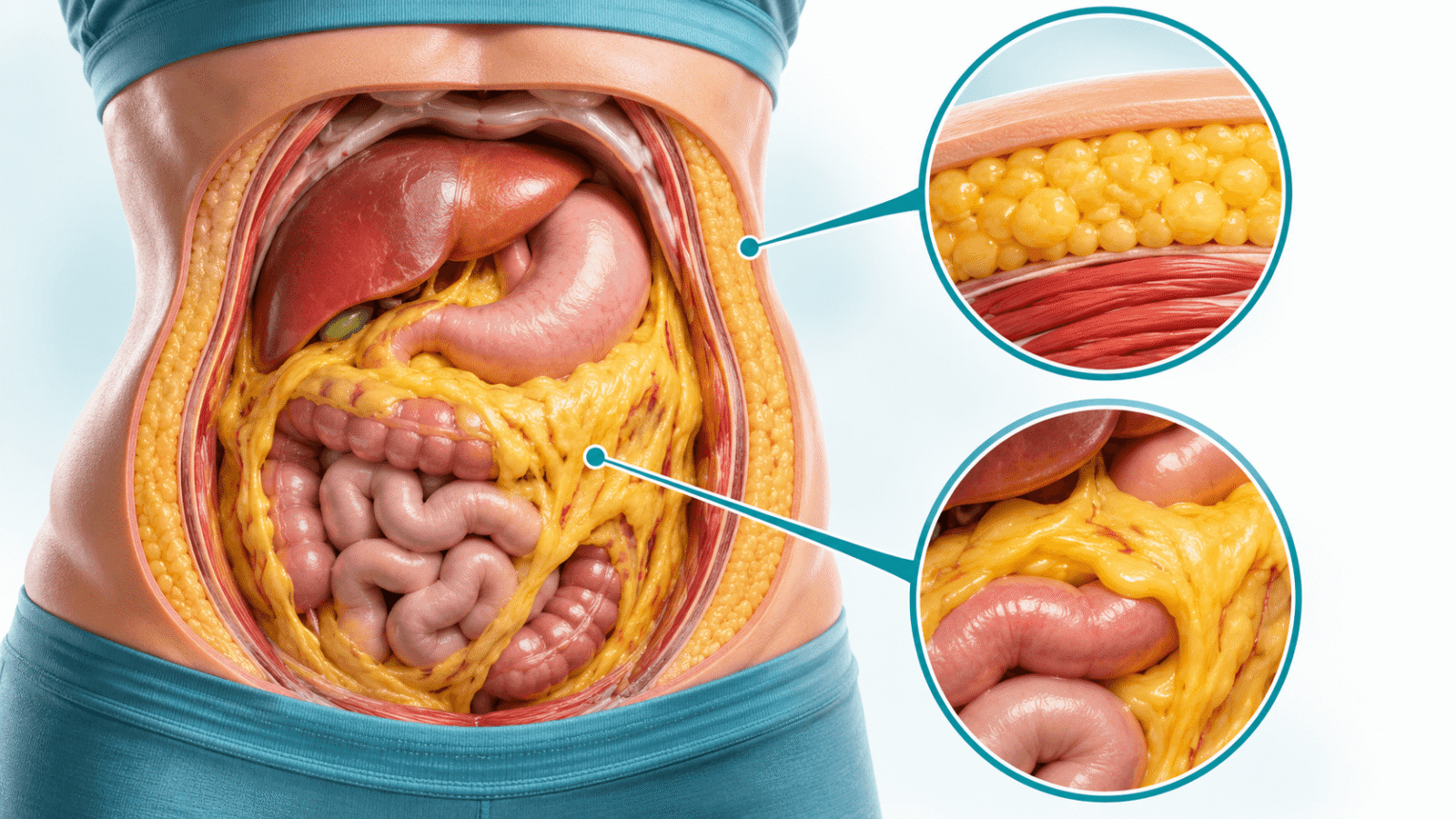
Declining estrogen around menopause is associated with a shift toward greater central or abdominal fat accumulation.
This can occur even when total body weight changes relatively little.
Visceral fat, which surrounds internal organs, has particular relevance to cardiometabolic health.
However, appearance alone cannot reliably identify how much visceral fat someone has.
Changes in Muscle and Energy Expenditure
Muscle mass and physical activity patterns also influence energy needs.
Over time, reductions in lean tissue and movement can contribute to lower daily energy expenditure.
This means that eating and exercising exactly as you did many years ago may not necessarily produce identical results.
Other Explanations for Weight Changes
Medication changes, reduced mobility, sleep disorders, changes in eating patterns, and certain medical conditions may contribute.
Thyroid disorders can produce overlapping symptoms, including fatigue and weight changes.
Weight gain should therefore be considered within a broader clinical picture rather than automatically attributed to menopause.
The objective is to understand what has changed and identify realistic ways to support metabolic health.
The Relationship Between Poor Sleep and Weight Management
Sleep and metabolic health influence one another through several physiological and behavioral pathways.
Insufficient or fragmented sleep can affect appetite regulation, food preferences, energy levels, and the ability to maintain regular physical activity.
When someone feels exhausted after repeated nighttime awakenings, exercising or preparing balanced meals may become more difficult.
Sleep problems can also coexist with insulin resistance, obesity, and other health conditions.
Why the Relationship Is Complicated
Not everyone who sleeps poorly gains weight, and improved sleep does not guarantee weight loss.
Researchers continue studying how changes in sleep influence metabolic outcomes during menopause.
It is more accurate to describe sleep as one component of metabolic health than to claim it directly explains every change in body fat.
Do Not Reduce Everything to Cortisol
Cortisol participates in the body’s stress response and follows a daily rhythm.
However, waking at 3 a.m. or gaining abdominal fat does not establish that cortisol is abnormally high.
Random cortisol testing is not generally useful for explaining common perimenopausal symptoms.
Testing should be reserved for situations where clinical findings raise concern for a specific endocrine disorder.
What to Discuss With Your Provider About Weight Changes
Start by describing when the changes began and whether they involve body weight, waist circumference, strength, or physical performance.
Explain how your eating, exercise, medication use, and sleep patterns have changed during the same period.
Questions to Bring
- Could aging or perimenopause be contributing to changes in my body composition?
- Should we evaluate my cardiometabolic risk factors?
- Would checking thyroid function or glucose regulation be appropriate?
- How can I support muscle strength as I age?
- Should I track waist circumference alongside body weight?
- What nutrition and exercise changes would be realistic for me?
- Are prescription weight-management treatments appropriate for my health history?
Look Beyond Body Weight
A comprehensive assessment may include blood pressure, waist measurements, lipid levels, glucose status, physical activity, and other relevant findings.
Not everyone requires advanced body composition testing.
However, understanding changes in strength and muscle function can be useful, especially when fatigue limits exercise.
Discuss goals that reflect overall health rather than an arbitrary target weight.
Improvements in strength, metabolic markers, daily energy, and symptom burden can be meaningful even when weight changes gradually.
Nutrition Strategies to Support Metabolic Health During Perimenopause
There is no single menopause diet that reliably corrects hormonal fluctuations or eliminates abdominal fat.
Nutrition should instead support adequate nutrient intake, muscle health, cardiovascular health, and a sustainable relationship with food.
Prioritize Protein
Protein supports the maintenance and repair of body tissues, including skeletal muscle.
Sources include fish, poultry, eggs, dairy foods, soy, legumes, and other protein-rich options.
Individual requirements depend on activity level, body size, and health status. People with certain kidney conditions may require modified recommendations.
Include Fiber-Rich Foods
Vegetables, fruits, beans, and whole grains contribute fiber and important micronutrients.
These foods can support digestive health and help build a nutritious dietary pattern.
Choose Dietary Fats Thoughtfully
Nuts, seeds, olive oil, and fish can be useful components of a balanced eating pattern.
Limiting excessive saturated fat may be particularly relevant for individuals with elevated cholesterol or cardiovascular risk.
Avoid Extreme Restrictions
Very restrictive diets may be difficult to maintain and can make adequate nutrition more challenging.
Weight management should consider personal preferences, medical conditions, food access, and daily routines.
A registered dietitian can help create a plan that supports health without unnecessary dietary rules.
If emotional eating, disordered eating patterns, or significant food anxiety are present, discuss these concerns openly with your healthcare team.
Why Strength Training and Physical Activity Matter After 40
Physical activity supports cardiovascular fitness, bone health, muscle function, and overall well-being.
During perimenopause, resistance exercise becomes particularly relevant because preserving muscular strength can support daily function as people age.
Resistance Training
Strength training may involve machines, free weights, resistance bands, or body-weight movements.
General physical activity guidelines recommend muscle-strengthening exercises involving major muscle groups at least twice weekly.
Beginners can start with manageable movements and increase resistance gradually.
Aerobic Exercise
Walking, cycling, swimming, and other aerobic activities help maintain cardiovascular fitness.
Most adults are advised to work toward at least 150 minutes of moderate-intensity aerobic activity weekly, adjusted for individual ability.
Recovery Is Also Important
Poor sleep can make exercise recovery and motivation more challenging.
If your energy has changed significantly, consider discussing training intensity, recovery, and medical contributors with your provider.
Physical activity should be adapted for injuries, chronic conditions, and current fitness rather than treated as a competition.
A consistent, manageable routine is generally more useful than an intense plan that cannot be maintained.
Which Laboratory Tests Should You Discuss During Perimenopause?
Laboratory testing can be useful when it answers a specific clinical question.
However, extensive hormone testing is not automatically necessary for every woman experiencing typical perimenopausal symptoms.
FSH, Estrogen, and Progesterone
Follicle-stimulating hormone, estrogen, and progesterone levels may fluctuate substantially throughout perimenopause.
A single measurement often cannot reliably describe someone’s overall menopausal status.
For otherwise healthy women aged 45 and older with characteristic symptoms, routine hormone testing generally is not recommended to establish the diagnosis.
FSH testing may be considered in selected younger individuals, including those aged 40 to 45 with suggestive symptoms and menstrual changes.
Suspected premature ovarian insufficiency before age 40 requires a different diagnostic approach.
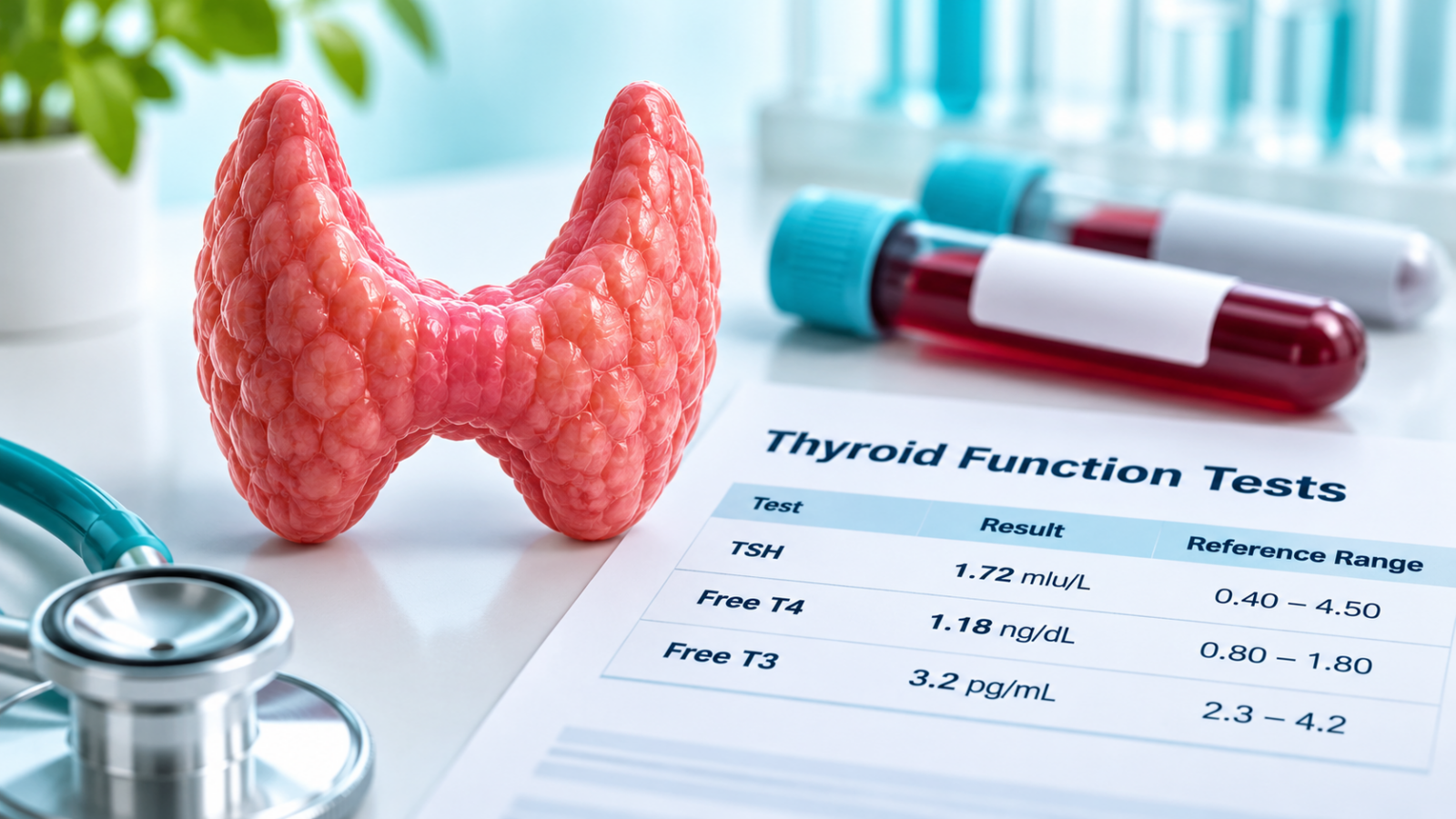
Thyroid Testing
Thyroid disorders can cause fatigue, menstrual changes, and weight-related symptoms.
A healthcare professional may order thyroid-stimulating hormone testing when the clinical history suggests a possible thyroid condition.
Additional thyroid tests depend on symptoms and initial results.
Glucose and Cardiovascular Markers
Hemoglobin A1c or other glucose assessments may help evaluate diabetes risk when indicated.
Lipid testing, blood pressure measurements, and relevant family history can support cardiovascular risk assessment.
Blood Counts and Iron Studies
Heavy menstrual bleeding can contribute to iron deficiency or anemia.
If you experience unusually heavy periods, fatigue, or reduced exercise tolerance, your provider may consider a complete blood count and iron studies.
What About Advanced Hormone Panels?
Some clinics offer broad hormone panels, salivary testing, or dried urine hormone assessments.
These tests should not automatically be interpreted as more accurate or clinically useful for diagnosing perimenopause.
Ask what each test is intended to identify, whether the method is validated for that purpose, and how the result would change management.
Evidence-based clinical decisions should consider symptoms, examination findings, testing limitations, and individual risk factors together.
Menstrual Changes: What Is Expected and What Needs Evaluation?
Changes in menstrual timing are common during perimenopause.
Periods may become shorter, longer, less predictable, or occasionally absent.
However, abnormal bleeding should not automatically be dismissed as a normal hormonal transition.
When to Contact Your Provider
Discuss unusually heavy bleeding, bleeding between periods, bleeding after intercourse, or persistent unexpected changes.
For patients aged 45 and older with abnormal uterine bleeding, clinical evaluation may include endometrial sampling, depending on the circumstances.
Persistent abnormal bleeding in younger individuals may also require investigation when risk factors are present.
Urgent Warning Signs
Seek prompt medical attention for very heavy bleeding accompanied by dizziness, fainting, significant weakness, or shortness of breath.
Bleeding after menopause, generally defined as bleeding after 12 months without a period when not explained by medication or another cause, requires medical assessment.
Pregnancy is still possible during perimenopause, so contraception may remain necessary.
Irregular cycles are not a reliable indication that pregnancy can no longer occur.
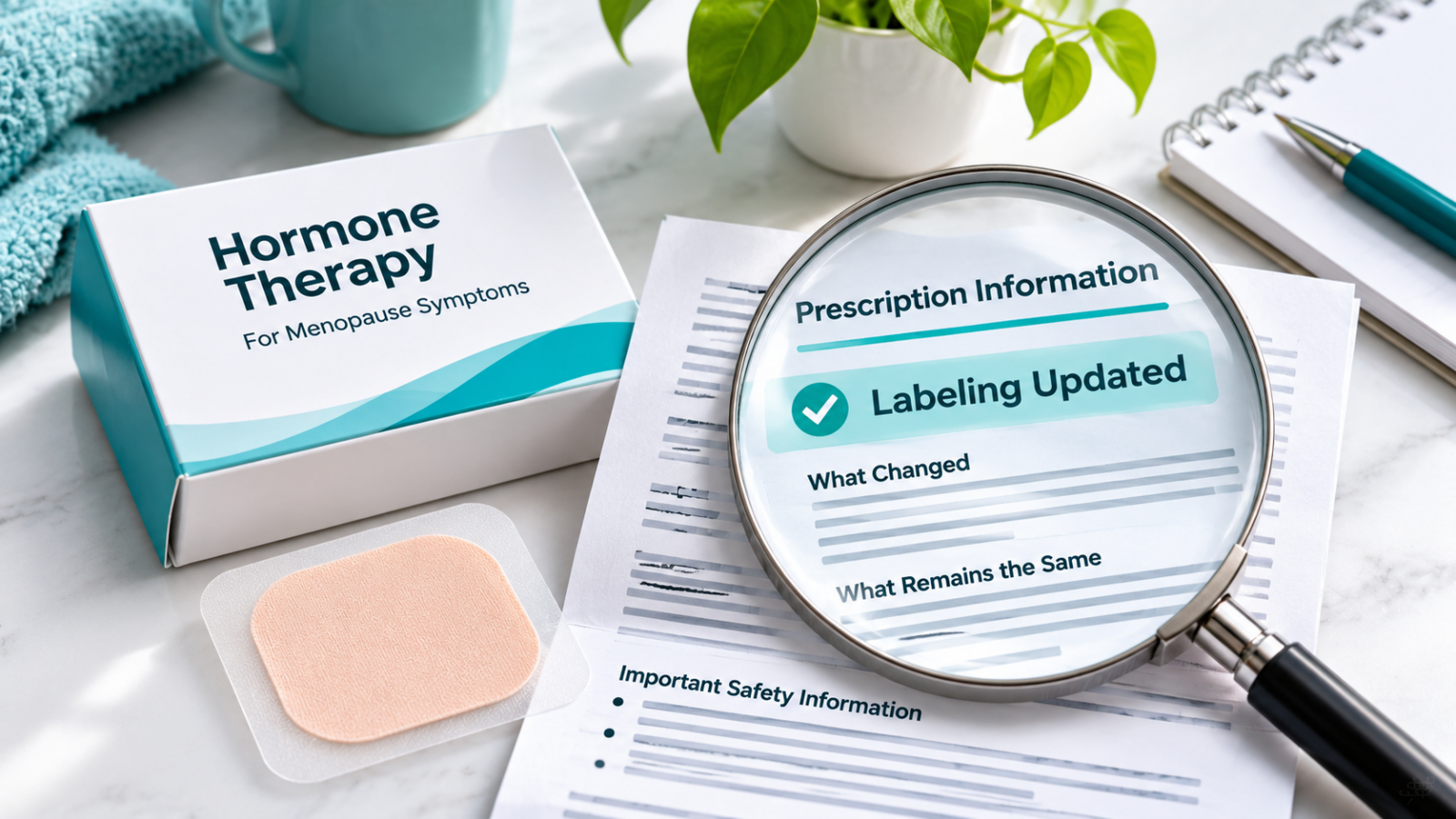
Should You Consider Menopause Hormone Therapy?
Menopause hormone therapy is an evidence-based option for certain bothersome menopause symptoms, particularly hot flashes and night sweats.
For appropriately selected patients, reducing nighttime vasomotor symptoms may improve sleep.
Hormone therapy is not appropriate for everyone and should not be prescribed solely for weight loss.
Understanding Potential Benefits
Systemic hormone therapy can substantially reduce vasomotor symptoms and may help protect bone health in selected patients.
Its effects on sleep depend partly on whether night sweats or related symptoms are contributing to awakenings.
Understanding Risks
Risks vary according to age, timing, treatment formulation, dose, administration route, and medical history.
Relevant considerations include a history of certain cancers, blood clots, cardiovascular disease, liver disease, or unexplained vaginal bleeding.
People with a uterus generally require appropriate progestogen protection when using systemic estrogen to reduce the risk of endometrial cancer.
Oral Versus Transdermal Treatment
Estrogen may be available through oral or transdermal preparations, including patches and gels.
The choice may depend on symptoms, risk factors, preferences, and clinical guidelines.
Some patients with increased blood clot risk may be considered for transdermal rather than oral options.
Important Questions
- Am I a suitable candidate for hormone therapy?
- Which symptoms are most likely to improve?
- What are my individual risks and contraindications?
- Which formulation would be appropriate?
- How will treatment effectiveness and safety be reviewed?
Hormone therapy requires shared decision-making and periodic reassessment.
What If Hormone Therapy Is Not Appropriate or Preferred?
Not everyone wants or can use systemic hormone therapy.
Fortunately, evidence-based nonhormonal options are available for certain menopause symptoms.
Prescription Treatments
Some antidepressants, gabapentin, and specific neurokinin receptor antagonists may reduce vasomotor symptoms in appropriately selected patients.
Medication choice depends on individual medical history, side effects, interactions, and treatment goals.
Fezolinetant is one nonhormonal prescription option for moderate to severe menopausal hot flashes.
However, the FDA requires liver monitoring because rare serious liver injury has occurred. Patients should review its boxed warning and current prescribing information with their clinician.
Behavioral Treatment
CBT-I remains an important option for chronic insomnia, while menopause-specific cognitive behavioral therapy may help patients manage certain menopause-related symptoms.
Be Cautious With Supplements
Products marketed for hormone balance, menopause relief, or cortisol regulation often make claims that exceed available clinical evidence.
Supplements may have side effects or interact with medications.
Discuss products with your healthcare professional before assuming they are safe because they are labeled natural.
How to Prepare for a Productive Perimenopause Healthcare Appointment
Appointments can feel rushed, particularly when several symptoms are affecting daily life.
Preparing a concise summary makes it easier to communicate your concerns.
Bring Your Symptom Timeline
Record when symptoms began and whether they have changed.
Include menstrual patterns, night sweats, sleep disturbances, changes in body weight, energy levels, and relevant mood symptoms.
Review Your Medical History
List current prescriptions, supplements, previous diagnoses, surgeries, family history, and any recent medication changes.
Mention whether you use hormonal contraception, since it can influence bleeding patterns and hormone test interpretation.
Identify Your Priorities
Decide which symptoms affect your quality of life most.
For one woman, the main concern may be waking repeatedly and feeling exhausted at work. For another, it may be heavy periods or increasing cardiovascular risk.
Ask which issues should be addressed first and how progress will be monitored.
Request an explanation of both recommended tests and tests that are unlikely to help.
A collaborative appointment should leave you understanding your options and the next steps in your care.
A Practical 30-Day Plan Before Your Healthcare Visit
If your symptoms are not urgent, several weeks of organized observations may provide useful information for your appointment.
Week One: Track Sleep Patterns
Record approximate bedtime, wake time, nighttime awakenings, and symptoms such as sweating or discomfort.
A simple notebook can be sufficient.
Week Two: Record Menstrual and Physical Symptoms
Document bleeding patterns, hot flashes, headaches, fatigue, and noticeable changes in mood or concentration.
Include symptoms that interfere with your normal activities.
Week Three: Review Lifestyle Patterns
Notice how your sleep, nutrition, physical activity, caffeine use, and alcohol intake relate to your symptoms.
Avoid changing several things simultaneously if doing so makes it difficult to understand what helps.
Week Four: Prepare Questions
Summarize the three concerns you most want to discuss.
Bring your medication list, symptom records, and relevant previous test results.
This plan is intended to improve communication, not postpone needed medical care.
Do not wait 30 days to seek help for severe bleeding, serious symptoms, or rapidly worsening health concerns.
Why Personalized Care Matters During Perimenopause
Two women of the same age may have dramatically different experiences during the menopause transition.
One may struggle primarily with disrupted sleep. Another may experience significant hot flashes, heavy bleeding, or changes in metabolic health.
These differences make individualized assessment important.
Clinical decisions should account for symptom severity, age, relevant medical conditions, family history, preferences, and treatment risks.
Personalized care does not necessarily mean ordering the largest possible hormone panel or prescribing multiple therapies.
It means choosing evaluations and interventions that have a reasonable clinical purpose.
Measure Outcomes That Matter
Depending on your goals, useful outcomes may include fewer nighttime awakenings, improved daytime functioning, better blood pressure or glucose control, and consistent physical activity.
Weight may be relevant, but it is not the only marker of progress.
Regular follow-up allows your healthcare team to assess whether a treatment is helping and whether adjustments are appropriate.
The aim is sustainable improvement in health and quality of life, supported by clinical judgment and realistic daily habits.
How 1st Optimal Supports Women’s Functional Health
At 1st Optimal, women’s functional health care combines medical evaluation, appropriate testing, personalized treatment planning, and ongoing health coaching.
For women navigating perimenopause, a broader assessment may help identify relevant concerns involving sleep, energy, weight management, and metabolic health.
Provider-Guided Evaluation
Clinical providers can review symptoms, health history, appropriate laboratory findings, and available treatment options.
Testing and treatment decisions depend on individual needs rather than a universal protocol.
Functional Health Coaching
Coaching can help patients translate clinical recommendations into manageable routines involving nutrition, physical activity, sleep habits, and recovery.
Ongoing Support
Follow-up allows care plans to evolve when symptoms, treatment response, or health priorities change.
Not every patient will require medication, hormone therapy, or advanced testing.
If sleep problems, persistent fatigue, or unexpected body changes are affecting your quality of life, exploring appropriate medical care may provide a useful starting point.
Explore Perimenopause Care at 1st Optimal
Learn more about personalized functional health services and how to begin a conversation about your symptoms and goals.
Frequently Asked Questions About Perimenopause, Sleep, and Weight Changes
1. What is perimenopause, and when does it usually begin?
Perimenopause is the transition leading up to menopause, when ovarian hormone production and menstrual patterns become less predictable. It commonly begins in the 40s, although some individuals experience changes earlier. The duration varies considerably. Symptoms may include irregular periods, hot flashes, sleep disruption, and mood changes. Not everyone experiences the same symptoms or severity. If menstrual changes occur unusually early, especially before age 40, medical evaluation is important to assess possible premature ovarian insufficiency or other explanations.
2. Can perimenopause cause insomnia?
Yes. Sleep disturbances are common during perimenopause and may involve difficulty falling asleep, repeated nighttime awakenings, or waking earlier than intended. Night sweats can contribute, but insomnia may also occur without obvious vasomotor symptoms. Stress, sleep apnea, medications, and other medical conditions can produce similar complaints. A clinician can help evaluate the likely causes and recommend appropriate treatment. Cognitive behavioral therapy for insomnia is a recommended first-line option for persistent insomnia.
3. Why do I keep waking up at 3 a.m. during perimenopause?
Early-morning awakening can occur during the menopause transition, but the timing alone does not identify a specific hormonal abnormality. Night sweats, insomnia, anxiety, alcohol use, sleep apnea, and other factors may contribute. Record when you wake, whether sweating or physical discomfort occurs, and how long it takes to return to sleep. Discuss persistent problems with your provider. A sleep history may help determine whether behavioral treatment, menopause symptom management, or additional investigation is appropriate.
4. Are night sweats always caused by perimenopause?
No. Night sweats are a common menopause-related symptom, but other conditions and medications can also cause excessive nighttime sweating. Infections, certain endocrine conditions, medication effects, and other medical issues may need consideration depending on the clinical presentation. Persistent or unexplained sweating accompanied by fever, significant unintended weight loss, or other concerning symptoms warrants medical evaluation. Your provider can assess the overall pattern rather than assuming menopause is the explanation.
5. Why am I gaining weight during perimenopause?
Midlife weight gain is influenced by aging, changes in activity, muscle mass, eating patterns, sleep, and other health factors. Menopause-related estrogen changes can also influence fat distribution, with greater abdominal fat accumulation becoming more common. Hormones are therefore part of the picture but not necessarily the sole cause of weight gain. A healthcare provider can review your medical history, medications, metabolic risk factors, and lifestyle to identify appropriate strategies.
6. Does perimenopause cause belly fat?
Research indicates that the menopause transition is associated with changes in fat distribution, including increased central abdominal fat. Declining estrogen contributes to this pattern, while age-related changes also affect overall body composition. However, not every increase in waist circumference reflects the same amount of visceral fat. Evaluation should consider blood pressure, glucose status, lipid levels, and other cardiovascular risk factors. Strength training, appropriate nutrition, and regular movement remain important parts of long-term metabolic care.
7. Can poor sleep make perimenopause weight changes worse?
Poor sleep can influence appetite, energy, physical activity, and other behaviors relevant to weight management. It may also coexist with metabolic conditions that deserve attention. However, disturbed sleep does not guarantee weight gain, and correcting sleep problems is not a guaranteed weight-loss treatment. Improving sleep can support daily functioning and make sustainable health habits easier to maintain. Your clinician can assess whether insomnia, night sweats, or another condition is contributing to your symptoms.
8. Can I be in perimenopause if my hormone tests are normal?
Yes. Hormone levels fluctuate during perimenopause, so a single result may fall within a laboratory reference range even when characteristic symptoms and menstrual changes are present. For otherwise healthy women aged 45 and older, clinical guidelines generally recommend identifying typical perimenopause from symptoms and menstrual history without routine hormone testing. Tests may be appropriate in selected circumstances, particularly when symptoms begin at younger ages or another medical condition is suspected.
9. Which blood tests should I ask for during perimenopause?
Testing depends on your symptoms and medical history. Possible investigations may include thyroid function, a complete blood count, iron studies, glucose assessment, or a lipid panel when clinically indicated. Routine reproductive hormone testing is not necessary for every woman. Ask your healthcare provider what each test is intended to identify and how the result would affect treatment. A targeted assessment is generally more useful than ordering extensive panels without a clear clinical purpose.
10. Can thyroid problems mimic perimenopause symptoms?
Yes. Thyroid disorders can cause fatigue, menstrual irregularities, temperature intolerance, and weight changes that overlap with perimenopausal complaints. This does not mean every woman experiencing menopause symptoms has a thyroid condition. Your provider can review symptoms, family history, medications, and examination findings to determine whether thyroid testing is appropriate. If a thyroid disorder is identified, treatment should address that diagnosis rather than attributing all symptoms to reproductive hormone changes.
11. Does hormone replacement therapy improve sleep?
Systemic menopause hormone therapy may improve sleep when bothersome hot flashes or night sweats contribute to nighttime awakenings. Its benefits are less predictable for sleep problems unrelated to vasomotor symptoms. Treatment decisions depend on medical history, contraindications, and individual preferences. Hormone therapy should not automatically replace evaluation for insomnia or sleep apnea. Discuss realistic treatment goals and potential risks with a qualified healthcare professional before starting or changing therapy.
12. Will hormone therapy help me lose weight?
Menopause hormone therapy is not indicated as a weight-loss treatment. Some research suggests it may influence certain changes in fat distribution, but it does not reliably produce meaningful weight loss. Hormone therapy may indirectly support healthy routines when it successfully reduces disruptive symptoms such as night sweats. Decisions about treatment should be based on appropriate clinical indications and individual risks, not promises of weight reduction or body transformation.
13. What are the best nonhormonal treatments for perimenopause symptoms?
The best option depends on which symptoms are most disruptive. Cognitive behavioral therapy for insomnia is recommended for persistent insomnia. Certain prescription nonhormonal medications can reduce menopausal hot flashes in appropriate patients. Fezolinetant is one option, but it requires liver monitoring because of a boxed warning for potentially serious liver injury. Other treatments have distinct benefits and risks. Discuss your medical history, preferences, and treatment goals with your provider before selecting an approach.
14. How do I know whether I have sleep apnea or menopause-related insomnia?
Sleep apnea may cause snoring, gasping, breathing interruptions, morning headaches, fatigue, or repeated awakenings. In women, insomnia and tiredness may be prominent symptoms. Menopause-related night sweats can also disrupt sleep, and both conditions may occur together. A healthcare provider can review risk factors and determine whether a sleep study is appropriate. Because untreated sleep apnea may affect cardiovascular health and daily functioning, persistent suspicious symptoms should not be dismissed.
15. What exercises are most helpful during perimenopause?
A combination of resistance training and aerobic activity supports muscle strength, cardiovascular health, and physical function. General guidelines recommend muscle-strengthening activity at least twice weekly and approximately 150 minutes of moderate aerobic activity per week for most adults. The most appropriate plan depends on fitness level, medical conditions, and recovery capacity. Walking, swimming, cycling, weight training, and resistance-band exercises can all play useful roles. Progress gradually and seek professional guidance when needed.
16. Is it normal to have heavy or irregular periods during perimenopause?
Menstrual irregularity is common, but unusually heavy bleeding, bleeding between periods, or other concerning changes should be discussed with a healthcare professional. Certain bleeding patterns require investigation to exclude conditions unrelated to menopause. Depending on age and risk factors, evaluation may include imaging or endometrial sampling. Seek prompt medical attention for severe bleeding associated with dizziness, fainting, or significant weakness. Bleeding after menopause also requires medical assessment.
17. When should I see a healthcare provider about perimenopause symptoms?
Schedule an appointment when sleep disruption, hot flashes, abnormal bleeding, persistent fatigue, mood changes, or unexpected weight changes affect your quality of life. You do not need to wait until periods stop completely. Seek more urgent evaluation for severe bleeding, chest pain, serious breathing difficulties, or other alarming symptoms. A healthcare provider can assess possible causes, review treatment options, and help establish an individualized plan based on your health history and priorities.
Final Thoughts: Understanding Your Body During Perimenopause
Changes in sleep, energy, and body composition can make perimenopause feel confusing, particularly when familiar health routines no longer produce the same results.
However, these symptoms should not automatically be dismissed as an unavoidable part of aging.
Nor should every concern be attributed to hormones without considering other possible explanations.
A thoughtful healthcare conversation can help distinguish expected menopausal changes from sleep disorders, metabolic concerns, or medical conditions that need specific attention.
Bring your symptoms, questions, and health goals to the appointment. Ask about appropriate testing, treatment options, and practical changes that fit your daily life.
The goal is not simply to manage menopause. It is to support your health, function, and quality of life throughout the transition and beyond.
Research and Resources
- International Menopause Society. Recommendations and Key Messages on Women’s Midlife Health and Menopause. 2026.
Read the recommendations. - American College of Obstetricians and Gynecologists. Management of Menopause-Related Vasomotor, Sleep, and Mood Symptoms. Clinical Practice Guideline. 2026.
View the clinical guideline. - National Institute for Health and Care Excellence. Menopause: Identification and Management. NICE Guideline NG23.
View recommendations. - The Menopause Society. The 2022 Hormone Therapy Position Statement.
Read the position statement. - The Menopause Society. The 2023 Nonhormone Therapy Position Statement.
Read the position statement. - American College of Obstetricians and Gynecologists. The Menopause Years.
Read patient guidance. - National Heart, Lung, and Blood Institute. Sleep Apnea and Women.
Read the guidance. - U.S. Food and Drug Administration. FDA Adds Warning About Rare Serious Liver Injury With Fezolinetant.
Read the FDA safety communication. - Centers for Disease Control and Prevention. About Sleep.
Read sleep recommendations. - Office on Women’s Health. Menopause Basics.
Read patient information.