
Perimenopause changes how your body processes food, stores fat, and responds to nutrients. The hormonal fluctuations of this transition, where estrogen spikes and drops unpredictably, create new nutritional demands that your previous diet may not meet. A targeted perimenopause diet can stabilize your energy, ease symptoms like hot flashes and brain fog, and support your metabolism through this multi-year shift.
This guide covers the specific nutrients your body needs more of during perimenopause, the best foods to prioritize, what to limit, and a practical meal plan you can start this week.
Ready to take a data-driven approach to your health during perimenopause? Become a 1st Optimal member and get comprehensive lab testing to uncover exactly what your body needs.
Why Does Diet Matter During Perimenopause?
Perimenopause typically begins in your late 30s to mid-40s and lasts four to ten years. During this window, your ovaries gradually produce less estrogen and progesterone, but not in a straight line. Estrogen levels spike and plummet unpredictably, sometimes reaching higher levels than during your reproductive years before dropping sharply.
These hormonal fluctuations directly affect how your body handles nutrition. Declining estrogen reduces your body’s ability to absorb calcium efficiently, increases insulin resistance, and shifts where fat is stored, favoring the abdominal area. A 2024 review published in Nutrients found that the perimenopausal transition is associated with increased visceral adiposity, altered lipid metabolism, and changes in gut microbiome composition that all respond to dietary intervention.
Your nutritional needs genuinely change during perimenopause. The diet that kept you energized and lean at 30 may leave you fatigued, inflamed, and gaining weight at 42. Recognizing this shift and adjusting your eating strategy is one of the most effective tools available for managing symptoms and protecting long-term health.
What Nutrients Do You Need More of During Perimenopause?
The hormonal changes of perimenopause increase your body’s demand for specific nutrients. Prioritizing these can meaningfully reduce symptoms and protect against the long-term health risks that accelerate during this transition.
Calcium and Vitamin D
Estrogen plays a critical role in calcium absorption and bone remodeling. As estrogen fluctuates and declines, bone loss accelerates. Women can lose up to 20% of their bone density in the five to seven years surrounding menopause, according to the National Osteoporosis Foundation. Aim for 1,200 mg of calcium daily from food sources and 800 to 2,000 IU of vitamin D to support absorption.
Magnesium
Magnesium supports over 300 enzymatic reactions in the body, including those governing sleep, mood, and muscle function. Research published in Nutrients (2021) links magnesium deficiency to worsened perimenopausal symptoms including insomnia, anxiety, and muscle cramps. Target 320 mg daily through food first.
Omega-3 Fatty Acids
Omega-3s reduce systemic inflammation, which intensifies during perimenopause as estrogen’s anti-inflammatory effects diminish. A 2020 study in Menopause found that omega-3 supplementation reduced the frequency and severity of hot flashes in perimenopausal women. Aim for two to three servings of fatty fish per week or 1,000 to 2,000 mg of EPA/DHA daily.
B Vitamins
B6 and B12 support neurotransmitter production, energy metabolism, and mood regulation. Perimenopause commonly disrupts serotonin and dopamine pathways, contributing to mood swings, irritability, and brain fog. B vitamins help maintain these pathways while supporting homocysteine metabolism for cardiovascular protection.
Phytoestrogens
Phytoestrogens are plant compounds that weakly mimic estrogen in the body. During perimenopause, when your own estrogen levels are fluctuating wildly, phytoestrogens can provide a mild stabilizing effect. Isoflavones from soy and lignans from flaxseed are the most studied forms, with research suggesting they may reduce hot flash frequency by 20 to 50% in some women.
Fiber
Fiber stabilizes blood sugar, supports gut health, and aids estrogen metabolism. Your gut bacteria play a direct role in recycling estrogen through the estrobolome. A fiber-rich diet supports a healthy estrobolome, helping your body maintain more balanced estrogen levels. Aim for 25 to 30 grams daily.
What Are the Best Foods for Perimenopause?
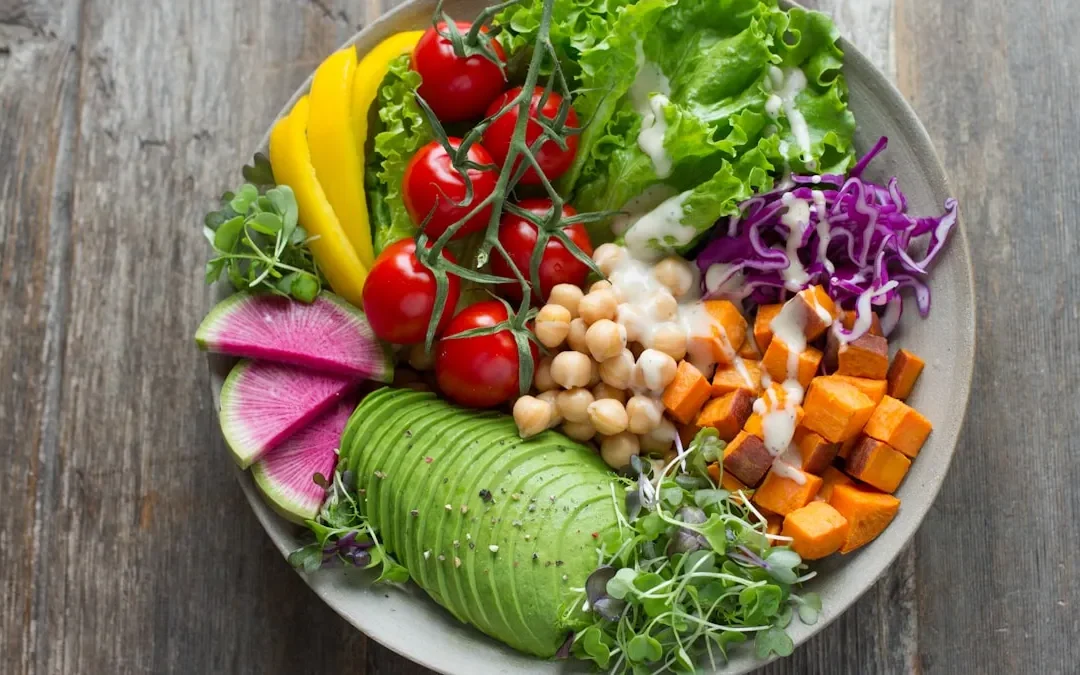
Building your perimenopause diet around whole, nutrient-dense foods gives your body the raw materials it needs to navigate hormonal changes. These are the food categories that deliver the most impact.
Cruciferous Vegetables
Broccoli, cauliflower, Brussels sprouts, kale, and cabbage contain indole-3-carbinol, which supports healthy estrogen metabolism. These vegetables help your liver process and clear excess estrogen, reducing the hormonal spikes that trigger symptoms. Aim for one to two servings daily.
Fatty Fish
Salmon, sardines, mackerel, and anchovies provide omega-3 fatty acids, vitamin D, and high-quality protein in one package. The anti-inflammatory benefits of fatty fish are particularly valuable during perimenopause when inflammation tends to increase. Target two to three servings per week.
Flaxseed
Ground flaxseed is one of the richest food sources of lignans, a type of phytoestrogen. Two tablespoons of ground flaxseed daily provides approximately 50 mg of lignans plus fiber and omega-3s. Studies show lignans can help reduce hot flash severity and support cardiovascular health.
Berries
Blueberries, strawberries, and raspberries are packed with antioxidants, particularly anthocyanins, that combat oxidative stress. The antioxidant capacity of berries helps counteract the increased oxidative damage associated with declining estrogen. They also provide fiber and natural sweetness without spiking blood sugar.
Leafy Greens
Spinach, Swiss chard, and collard greens deliver calcium, magnesium, folate, and vitamin K in every serving. These minerals are critical during perimenopause for bone protection, mood support, and cardiovascular health. A daily serving of dark leafy greens is one of the simplest high-impact dietary additions.
Fermented Foods
Yogurt, kefir, sauerkraut, kimchi, and miso support gut microbiome diversity, which directly affects estrogen metabolism, immune function, and mood. A 2023 study in Cell confirmed that fermented food consumption increases microbiome diversity more effectively than a high-fiber diet alone.

What Foods Should You Avoid During Perimenopause?
Certain foods can worsen perimenopausal symptoms by increasing inflammation, disrupting blood sugar, or triggering hormonal imbalances. Reducing or eliminating these can produce noticeable improvements within weeks.
Refined Sugar and Processed Carbohydrates
Sugar and refined carbs cause rapid blood sugar spikes followed by crashes, which amplify fatigue, mood swings, and cravings. Insulin resistance increases during perimenopause, making your body less efficient at processing sugar. White bread, pastries, candy, and sugary drinks are the primary offenders.
Alcohol
Alcohol disrupts sleep architecture, triggers hot flashes, and impairs estrogen metabolism. Even moderate alcohol consumption (one drink daily) has been associated with increased hot flash frequency in perimenopausal women. Consider limiting intake to two to three servings per week maximum.
Excess Caffeine
While moderate caffeine (one to two cups of coffee) is generally fine, excess caffeine can worsen anxiety, disrupt sleep, and trigger hot flashes. If you’re experiencing sleep disturbances, cutting off caffeine by noon can make a significant difference.
Processed and Inflammatory Foods
Ultra-processed foods, seed oils high in omega-6 fatty acids, and artificial additives promote systemic inflammation. During perimenopause, when your body’s natural anti-inflammatory mechanisms are weakened by declining estrogen, minimizing inflammatory triggers becomes more important than ever.
How Does Blood Sugar Affect Perimenopause Symptoms?
Blood sugar management is one of the most underappreciated factors in perimenopause symptom control. Estrogen helps regulate insulin sensitivity, so as estrogen fluctuates and declines, your body becomes less efficient at processing glucose. Research published in Diabetes Care (2022) found that perimenopausal women have a significantly higher risk of developing insulin resistance compared to premenopausal women of the same age and BMI.
Unstable blood sugar amplifies nearly every perimenopause symptom. Energy crashes, brain fog, irritability, sugar cravings, and weight gain around the midsection are all linked to poor glycemic control. The connection works both ways: hormonal fluctuations destabilize blood sugar, and unstable blood sugar worsens hormonal symptoms.
Practical strategies for blood sugar stability during perimenopause include pairing every carbohydrate with protein or fat, choosing low-glycemic carbohydrate sources like sweet potatoes, quinoa, and legumes, eating protein within 30 minutes of waking, and avoiding prolonged fasting beyond 12 to 14 hours.
Struggling with energy crashes or stubborn weight gain during perimenopause? Book a free health consult with 1st Optimal to get comprehensive lab testing and a personalized nutrition plan.
Can a Perimenopause Diet Help With Hot Flashes?
Hot flashes are one of the most disruptive perimenopause symptoms, affecting up to 80% of women during the transition. Diet can meaningfully reduce their frequency and severity through several mechanisms.
Phytoestrogen-rich foods provide the most direct dietary relief. Soy isoflavones (from tofu, tempeh, edamame, and soy milk) and flaxseed lignans act as mild estrogen-like compounds that can partially compensate for fluctuating estrogen levels. A 2021 meta-analysis in Menopause found that soy isoflavone intake reduced hot flash frequency by an average of 26% and severity by 20%.
Avoiding known triggers is equally important. Spicy foods, hot beverages, alcohol, and high-sugar meals can all provoke hot flashes. Keeping a simple food diary for two weeks can help identify your personal triggers, which vary significantly from woman to woman.
Cooling, hydrating foods like cucumber, watermelon, celery, and herbal teas (particularly sage tea, which has evidence supporting its use for hot flashes) can provide additional comfort. Staying well-hydrated, aiming for at least eight glasses of water daily, also helps your body regulate temperature more effectively.
Sample Perimenopause Diet Plan
Here is a three-day meal plan designed to stabilize hormones, manage blood sugar, and deliver the key nutrients your perimenopausal body needs. Each day provides approximately 1,800 to 2,000 calories with balanced macronutrients.
Day 1
Breakfast: Two-egg omelet with spinach, mushrooms, and feta cheese. One slice of sprouted grain toast with avocado. Topped with ground flaxseed.
Lunch: Grilled salmon over mixed greens with cucumber, cherry tomatoes, hemp seeds, and olive oil-lemon dressing. Side of roasted sweet potato.
Snack: Greek yogurt with blueberries and a handful of walnuts.
Dinner: Stir-fried tofu with broccoli, bell peppers, and snap peas in a ginger-tamari sauce over quinoa.
Day 2
Breakfast: Overnight oats made with rolled oats, chia seeds, almond milk, ground flaxseed, and mixed berries. Topped with a dollop of almond butter.
Lunch: Turkey and avocado wrap in a whole-grain tortilla with arugula, pickled red onion, and hummus. Side of kimchi.
Snack: Sliced apple with two tablespoons of almond butter.
Dinner: Baked mackerel with roasted Brussels sprouts and cauliflower. Side of brown rice with turmeric.
Day 3
Breakfast: Smoothie with kale, frozen mango, ground flaxseed, protein powder, almond milk, and a tablespoon of coconut oil.
Lunch: Lentil soup with spinach and carrots. Side of whole-grain sourdough bread with olive oil for dipping.
Snack: Handful of mixed nuts (almonds, Brazil nuts, cashews) with a few squares of dark chocolate (70% or higher).
Dinner: Herb-crusted chicken thighs with roasted asparagus and a kale-pomegranate salad with tahini dressing.

How 1st Optimal Supports Nutrition During Perimenopause
General dietary advice is a helpful starting point, but every woman’s hormonal profile, nutrient status, and metabolic function are different. What works for one perimenopausal woman may be ineffective or even counterproductive for another. That gap between generic guidance and personalized care is exactly where 1st Optimal operates.
1st Optimal takes a data-driven approach to perimenopause nutrition by starting with comprehensive diagnostic testing. Every member receives thorough lab work that goes well beyond standard panels.
- Food sensitivity testing identifies specific foods triggering inflammation, bloating, or immune reactions in your body. Eliminating these hidden triggers can resolve symptoms that dietary guidelines alone cannot address.
- GI-MAP gut health testing analyzes your gut microbiome composition, revealing imbalances in the bacteria that directly affect estrogen metabolism, nutrient absorption, and immune function. Your gut health and perimenopause symptoms are more connected than most women realize.
- DUTCH hormone testing provides a complete picture of your estrogen, progesterone, cortisol, and testosterone levels, including how your body metabolizes these hormones. This information guides both nutritional and therapeutic recommendations.
- At-home blood work kits measure key markers including vitamin D, B12, iron, thyroid function, and metabolic health indicators, giving your provider the data needed to identify specific deficiencies.
Based on your results, your dedicated Membership Manager and medical provider build a personalized protocol that may include targeted nutritional guidance, bioidentical hormone replacement therapy (BHRT), and ongoing monitoring to ensure your plan evolves as your body changes through perimenopause.
Every woman’s perimenopause is different. Join 1st Optimal to get personalized lab testing and a nutrition plan built for your unique hormonal profile.
Written by Joe Miller
CEO of 1st Optimal | BS Kinesiology, Exercise Science, Health, Nutrition | 2-Year Fellowship A4M | Worldlink Medical Training | Ongoing BHRT Certifications by A4M | NASM Certified | NSCA CSCS | ACE Credentialed
Frequently Asked Questions
What is the best diet for perimenopause?
A Mediterranean-style eating pattern rich in vegetables, fatty fish, whole grains, nuts, seeds, and healthy fats has the strongest evidence base for managing perimenopause symptoms. Prioritize phytoestrogen-rich foods like flaxseed and soy, anti-inflammatory omega-3 sources, and calcium-rich foods for bone protection.
What foods should you avoid during perimenopause?
Limit refined sugar, processed carbohydrates, excess alcohol, and ultra-processed foods. These can worsen blood sugar instability, trigger hot flashes, disrupt sleep, and increase inflammation. Excess caffeine may also worsen anxiety and sleep disturbances in some women.
Can diet help with perimenopause weight gain?
Yes. Blood sugar management through protein-rich meals, fiber, and healthy fats can counteract the insulin resistance that drives perimenopausal weight gain. Reducing refined carbohydrates and prioritizing anti-inflammatory foods helps your metabolism adapt to changing hormone levels.
How much protein do you need during perimenopause?
Research suggests perimenopausal women benefit from 1.0 to 1.2 grams of protein per kilogram of body weight daily to preserve muscle mass and support metabolism. For a 150-pound woman, that is approximately 68 to 82 grams of protein per day, distributed across meals.
Do phytoestrogens really help with perimenopause symptoms?
Evidence suggests phytoestrogens, particularly soy isoflavones and flaxseed lignans, can reduce hot flash frequency by 20 to 50% in some women. They provide a mild estrogenic effect that helps stabilize fluctuating hormone levels during perimenopause.
Is intermittent fasting safe during perimenopause?
Extended fasting can increase cortisol and worsen hormonal imbalances during perimenopause. If you practice intermittent fasting, limit your fasting window to 12 to 14 hours and avoid prolonged fasts. Always prioritize adequate calorie and nutrient intake during eating windows.
What supplements should I take during perimenopause?
Common supplements that support perimenopausal health include vitamin D, magnesium, omega-3 fatty acids, and B vitamins. However, supplementation should be guided by lab testing to address your specific deficiencies rather than taking a one-size-fits-all approach.
How does gut health affect perimenopause?
Your gut microbiome contains the estrobolome, a collection of bacteria that metabolize estrogen. An imbalanced gut can disrupt estrogen recycling, worsening perimenopausal symptoms. Supporting gut health through fermented foods, fiber, and targeted probiotics helps maintain hormonal balance.
What is the difference between a perimenopause diet and a menopause diet?
Perimenopause involves fluctuating hormones, so the dietary focus is on stabilizing blood sugar, managing inflammation, and supporting hormone metabolism. Menopause diets focus more on compensating for depleted estrogen, emphasizing bone density preservation and cardiovascular protection. Both share common foundations but differ in their primary targets.
When should I see a doctor about my perimenopause diet?
If dietary changes alone are not managing your symptoms after four to six weeks, or if you experience significant weight gain, severe mood changes, or worsening hot flashes, comprehensive lab testing can identify specific imbalances that diet alone cannot address.