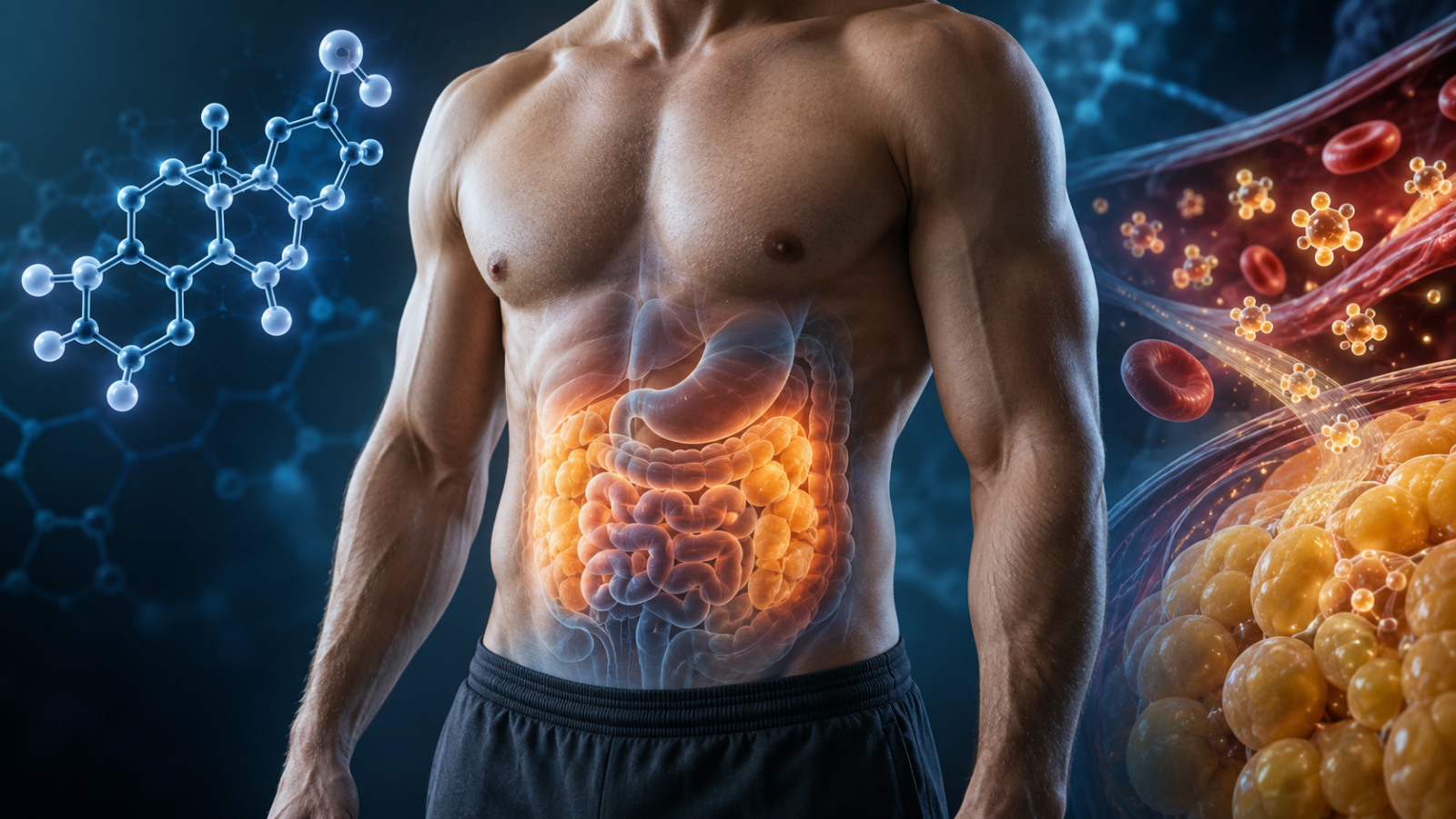


If you have been exploring medical weight loss options beyond diet and exercise, peptide therapy may be on your radar. Peptides are short chains of amino acids that act as signaling molecules in the body, influencing everything from appetite and metabolism to fat storage and muscle preservation. When used under physician supervision, specific peptides can be powerful tools for sustainable weight loss.
This guide breaks down exactly how peptide therapy supports weight loss, which peptides are used, who benefits most, and what to expect from a medically guided program. Whether you are considering GLP-1 medications, growth hormone peptides, or a combination approach, understanding the science helps you make an informed decision.
Ready to explore whether peptide therapy is right for your weight loss goals? Book a call with our team to discuss your options with a licensed provider.
What Is Peptide Therapy for Weight Loss?
Peptide therapy uses naturally occurring or bioidentical peptides to target specific biological pathways involved in weight regulation. Unlike traditional weight loss medications that often rely on stimulants, peptides work by mimicking your body’s own signaling molecules to influence hunger, metabolism, fat oxidation, and muscle retention.
The key advantage of peptide therapy is precision. Each peptide targets a specific receptor or metabolic pathway, allowing providers to create a tailored protocol based on your unique lab results and health profile. At 1st Optimal, every peptide protocol begins with comprehensive lab testing, including blood work and hormone panels, to identify the root causes of weight gain before recommending any treatment.
Peptide therapy for weight loss is not a standalone solution. It works best as part of a comprehensive program that includes nutrition guidance, lifestyle optimization, and ongoing medical oversight. When combined with diagnostic insights from tools like medical-grade peptide therapy protocols, the results can be significant and sustainable.
How Do Peptides Help You Lose Weight?
Peptides support weight loss through several distinct biological mechanisms. Understanding these pathways helps explain why peptide therapy can be more effective than calorie restriction alone for many people.
Appetite Regulation
Certain peptides, particularly GLP-1 receptor agonists like semaglutide and tirzepatide, work by mimicking the incretin hormones your gut naturally produces after eating. These peptides signal your brain’s satiety centers to reduce hunger and cravings, making it easier to maintain a caloric deficit without the constant battle against appetite.
Metabolic Enhancement
Growth hormone-releasing peptides help optimize your metabolic rate by stimulating the pituitary gland to produce more growth hormone. Higher growth hormone levels promote fat oxidation (your body’s ability to burn stored fat for energy) while preserving lean muscle mass. This is critical because muscle tissue burns more calories at rest than fat tissue.
Improved Insulin Sensitivity
Many weight loss peptides improve how your body responds to insulin, which directly affects fat storage. When insulin sensitivity improves, your body is better at using glucose for energy rather than storing it as fat. This is especially relevant for people with metabolic syndrome or insulin resistance, which are common underlying factors in stubborn weight gain.
Fat Mobilization
Specific peptides enhance lipolysis, the process of breaking down stored fat into fatty acids that your body can use for fuel. This targeted fat mobilization, combined with appetite control, creates a dual mechanism that addresses weight loss from both the intake and output sides of the energy equation.
Which Peptides Are Used for Weight Loss?
Several categories of peptides have demonstrated effectiveness for weight management in clinical settings. The right choice depends on your health profile, lab results, and specific goals.
GLP-1 Receptor Agonists
Semaglutide and tirzepatide are the most well-known peptides for weight loss. Originally developed for type 2 diabetes management, these medications have shown remarkable weight loss results in clinical trials. Semaglutide (marketed as Wegovy for weight loss) has demonstrated average body weight reductions of 15 to 20 percent in major studies. Tirzepatide, a dual GIP/GLP-1 receptor agonist, has shown even greater efficacy in some trials. Learn more about how semaglutide supports weight loss through our detailed guide.
Growth Hormone-Releasing Peptides
Tesamorelin is an FDA-approved growth hormone-releasing hormone (GHRH) analog specifically studied for reducing visceral adipose tissue (belly fat). It stimulates your pituitary gland to produce more growth hormone naturally, rather than introducing synthetic growth hormone. Clinical research has shown tesamorelin can reduce trunk fat by 15 to 18 percent. For a deeper dive, read our guide on tesamorelin for weight loss and muscle retention.
CJC-1295 and Ipamorelin are often used together to stimulate growth hormone release. CJC-1295 extends the half-life of growth hormone-releasing hormone, while ipamorelin selectively stimulates growth hormone without significantly raising cortisol or prolactin. This combination supports fat metabolism, muscle preservation, improved sleep quality, and faster recovery.
Metabolic Peptides
AOD 9604 is a modified fragment of human growth hormone that specifically targets fat metabolism without affecting blood sugar or growth. It has been studied for its ability to stimulate lipolysis and inhibit lipogenesis (fat creation), making it a targeted option for body composition improvement.
Want to know which peptides may be right for your goals? Our providers review your complete lab work before recommending any protocol. Schedule your consultation today.
Who Is a Good Candidate for Peptide Therapy?
Peptide therapy for weight loss is not for everyone, and a responsible provider will evaluate your candidacy carefully. Generally, good candidates include:
- Adults with a BMI over 27 who have not achieved lasting results through diet and exercise alone
- People with hormonal imbalances contributing to weight gain, such as low growth hormone, thyroid dysfunction, or insulin resistance
- Individuals experiencing age-related metabolic slowdown, particularly those over 35 who notice that weight management has become progressively harder
- Those seeking body composition improvement, wanting to reduce fat while preserving or building lean muscle mass
- Patients with metabolic syndrome or pre-diabetic markers who need medical support beyond lifestyle changes
Peptide therapy is not appropriate for pregnant or breastfeeding women, individuals with active cancer, or those with certain endocrine disorders. A thorough medical evaluation, including comprehensive blood work, is essential before starting any peptide protocol.
What Does a Peptide Weight Loss Program Look Like?
A well-designed peptide weight loss program is not just about writing a prescription. At 1st Optimal, the process is built around data, personalization, and ongoing support.
Step 1: Comprehensive Diagnostics
Every program begins with advanced lab testing. This typically includes a full metabolic panel, hormone levels (testosterone, estrogen, thyroid, cortisol), fasting insulin, HbA1c, and inflammatory markers. For some patients, additional testing like DUTCH hormone metabolite panels or GI-MAP gut health analysis may be recommended to uncover hidden contributors to weight gain.
Step 2: Personalized Protocol Design
Based on your lab results, symptoms, health history, and goals, your provider designs a customized peptide protocol. This might include a single peptide or a strategic combination. For example, a patient with significant insulin resistance might start with a GLP-1 agonist, while someone with low growth hormone and visceral fat might benefit from tesamorelin or a CJC-1295/ipamorelin combination.
Step 3: Treatment and Monitoring
Most weight loss peptides are administered via subcutaneous injection, though some are available orally. Your provider will guide you through proper technique and dosing schedules. Follow-up labs at 6 to 8 weeks allow your provider to assess response, adjust dosing, and optimize your protocol based on real data rather than guesswork.
Step 4: Ongoing Optimization
Weight loss is not linear, and your protocol may evolve as your body changes. Quarterly lab monitoring ensures that your peptide therapy continues to align with your metabolic needs. Many patients also integrate hormone optimization, nutritional support, and lifestyle coaching alongside their peptide protocol for the best long-term results.
How Long Does Peptide Therapy Take to Work for Weight Loss?
Results timeline varies based on the peptide used, your starting health status, and how consistently you follow the program. Here is a general framework:
- Weeks 1 to 4: Most people notice reduced appetite and early improvements in energy and sleep, particularly with GLP-1 agonists. Weight changes are usually modest at this stage as dosing is gradually increased.
- Weeks 4 to 12: This is typically when significant weight loss becomes visible. GLP-1 agonists are usually titrated to therapeutic doses during this window. Growth hormone peptides begin showing measurable changes in body composition.
- Months 3 to 6: Sustained weight loss continues, with many patients achieving 10 to 20 percent body weight reduction with GLP-1 agonists. Body composition improvements from growth hormone peptides become more pronounced, including reduced visceral fat and improved lean mass.
- Month 6 and beyond: Long-term maintenance and protocol optimization. Some patients transition to lower maintenance doses or shift focus to body composition refinement.
The most important factor in timeline is medical supervision. Providers who monitor your labs and adjust protocols based on data consistently achieve better patient outcomes than those who use a one-size-fits-all approach.
Is Peptide Therapy Safe for Weight Loss?
Safety depends largely on the quality of medical oversight. FDA-approved peptides like semaglutide, tirzepatide, and tesamorelin have extensive safety data from large clinical trials. When prescribed by a licensed provider and used according to established protocols, these peptides have well-characterized safety profiles.
Common side effects vary by peptide type:
- GLP-1 agonists: Nausea, especially during dose titration, is the most common side effect. This typically resolves as your body adjusts. Constipation, diarrhea, and headache are also reported but usually mild.
- Growth hormone peptides: Potential side effects include water retention, joint stiffness, and tingling in the hands. These are usually dose-dependent and resolve with adjustment.
- Injection site reactions: Mild redness, swelling, or itching at the injection site is common across all injectable peptides and typically resolves within hours.
The risks increase significantly when peptides are obtained from unregulated sources without medical supervision. At 1st Optimal, all peptides are sourced from licensed compounding pharmacies that meet FDA manufacturing standards, and every protocol is monitored by a licensed medical provider.
Your safety is our priority. Every 1st Optimal peptide protocol includes comprehensive lab monitoring and ongoing provider access. Get started with a consultation to learn more.
Peptide Therapy vs. Traditional Weight Loss Methods
Traditional weight loss approaches, including calorie restriction and increased exercise, work for many people. But for those dealing with hormonal imbalances, metabolic dysfunction, or age-related changes, these methods often fall short. Here is how peptide therapy compares:
- Precision vs. general approach: Peptide therapy targets specific biological pathways, while traditional methods rely on creating a general caloric deficit. For people with insulin resistance or hormonal dysfunction, addressing the root cause with peptides can be more effective.
- Muscle preservation: Calorie restriction alone often leads to muscle loss alongside fat loss. Growth hormone peptides specifically promote muscle preservation during weight loss, supporting a healthier body composition outcome.
- Sustainability: Many people who lose weight through diet alone regain it because the underlying metabolic and hormonal drivers were never addressed. Peptide therapy, combined with comprehensive diagnostics, addresses these root causes for more lasting results.
- Medical oversight: A proper peptide program includes regular lab work and provider check-ins. This level of monitoring catches health changes early and allows for protocol adjustments that a self-directed diet plan cannot provide.
Peptide therapy is not a replacement for healthy habits. It is a medical tool that, when combined with proper nutrition, movement, and lifestyle optimization, can help overcome the biological barriers that make weight loss difficult for many adults. For a broader look at weight management support, explore our weight loss guide for men and weight loss guide for women.
Beyond Weight Loss: Additional Benefits of Peptide Therapy
While weight loss is often the primary goal, many patients report additional benefits from their peptide protocols:
- Improved sleep quality: Growth hormone peptides, particularly ipamorelin, are associated with deeper, more restorative sleep
- Enhanced recovery: Faster recovery from exercise and physical stress, which supports more consistent training
- Better energy and focus: Improved metabolic function and hormonal balance often translate to sustained energy throughout the day
- Skin and tissue health: Growth hormone plays a role in collagen production and tissue repair, and some patients notice improvements in skin quality. Learn more in our anti-aging peptides guide.
- Reduced inflammation: Several peptides have anti-inflammatory properties that support overall health beyond weight management
These benefits reinforce why peptide therapy is best approached as part of a comprehensive health optimization strategy rather than a narrow weight loss intervention.
If you’re ready to take the next step, explore our 1st Optimal membership to see how we support your health goals.
Explore how our women’s hormone therapy can help you restore balance and feel your best.
Our medical weight loss program pairs clinical expertise with personalized protocols for lasting results.
Frequently Asked Questions About Peptide Therapy for Weight Loss
How much weight can you lose with peptide therapy?
Results vary based on the peptide used, your starting weight, and program adherence. GLP-1 agonists like semaglutide have demonstrated average weight loss of 15 to 20 percent of body weight in clinical trials. Growth hormone peptides typically produce more modest weight loss but significant improvements in body composition, particularly visceral fat reduction.
Are weight loss peptides FDA approved?
Semaglutide (Wegovy) and tirzepatide (Zepbound) are FDA-approved specifically for weight management. Tesamorelin is FDA-approved for reducing visceral fat. Other peptides used for weight loss, such as CJC-1295 and ipamorelin, are available through compounding pharmacies under physician oversight but are not individually FDA-approved for weight loss.
Do you need a prescription for weight loss peptides?
Yes. All therapeutic peptides used for weight loss require a prescription from a licensed medical provider. This ensures proper dosing, monitoring, and safety. Purchasing peptides without a prescription from unregulated sources carries significant safety risks.
Can peptide therapy be combined with other weight loss treatments?
Yes, and this is often the most effective approach. Many providers combine GLP-1 agonists with growth hormone peptides for complementary benefits, addressing both appetite regulation and metabolic optimization. Peptide therapy also pairs well with hormone optimization, nutritional support, and exercise programming.
What happens when you stop taking weight loss peptides?
This depends on whether the underlying metabolic and hormonal factors have been addressed. Some patients maintain their weight loss through improved habits and hormonal balance achieved during treatment. Others may benefit from lower maintenance doses. Working with a provider who monitors your progress and plans for long-term maintenance is essential for lasting results.
How much does peptide therapy for weight loss cost?
Costs vary based on the specific peptides prescribed, dosing, and program structure. At 1st Optimal, members receive 40 percent savings on treatments compared to retail pricing, plus comprehensive lab work and provider access included in their membership. The best way to understand your investment is to schedule a consultation with our team.
About the Author
Joe Miller is the CEO of 1st Optimal and holds a Bachelor of Education in Kinesiology, Exercise Science, Health, and Nutrition. He completed a 2-Year Fellowship with A4M (American Academy of Anti-Aging Medicine), received training from Worldlink Medical, and maintains ongoing BHRT certifications through A4M. Joe is also NASM Certified and holds an NSCA CSCS credential. Connect with Joe on LinkedIn.
Medical Disclaimer: This article is for informational purposes only and does not constitute medical advice. Peptide therapy should only be administered under the supervision of a licensed healthcare provider. Individual results may vary. Always consult with a qualified medical professional before starting any new treatment protocol.