

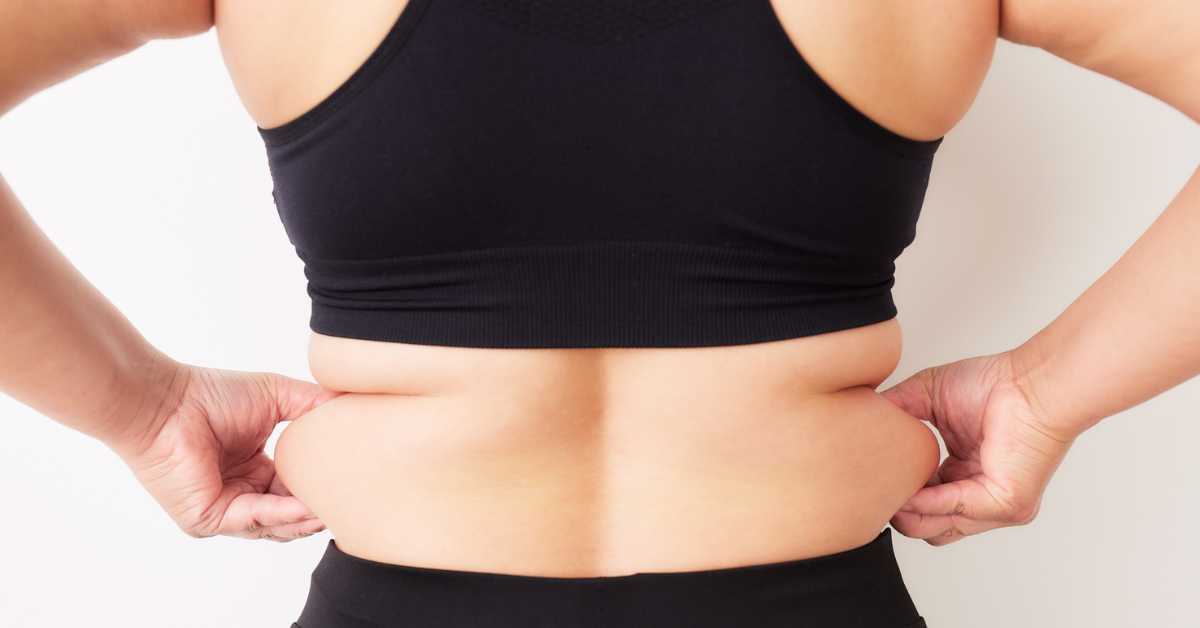
You step on the scale and see almost the same number you saw a year ago. But your jeans feel tighter around the waist. Your stomach looks different. Fat that once settled around your hips or thighs now seems concentrated through your midsection.
This is not necessarily a failure of discipline, and it is not always reflected by significant weight gain.
During the menopause transition, women can gain abdominal fat while simultaneously losing lean muscle. Because one change may offset the other on the scale, body weight can remain relatively stable while body composition and shape change considerably.
A large longitudinal analysis from the Study of Women’s Health Across the Nation found that the rate of fat gain increased while lean mass declined during the years surrounding the final menstrual period. This helps explain why the scale may not tell the full story.
What Is Visceral Fat?
Visceral fat is fat stored deep inside the abdominal cavity around organs such as the liver, intestines, and pancreas.
It is different from subcutaneous fat, which is the softer fat located directly beneath the skin. Subcutaneous fat is the type you can usually pinch around your stomach, hips, or thighs.
You cannot accurately judge visceral fat simply by looking in the mirror. Someone can have a body mass index within the conventional “healthy” range and still carry an unhealthy amount of abdominal fat.
Visceral fat is also more metabolically active than subcutaneous fat. Higher levels are associated with insulin resistance, abnormal cholesterol patterns, inflammation, type 2 diabetes, fatty liver disease, and cardiovascular risk.
Why Does Menopause Change Where Fat Is Stored?
Aging and menopause often happen at the same time, but they do not affect the body in exactly the same way.
Aging tends to contribute to gradual overall weight gain, lower activity levels, and muscle loss. Menopause appears to have a particularly important effect on where fat is stored.
1. Declining estrogen changes fat distribution
Before menopause, estrogen encourages more fat storage around the hips, thighs, and buttocks. This is sometimes described as a “pear-shaped” fat distribution pattern.
As estrogen levels become more erratic during perimenopause and eventually decline after menopause, fat storage tends to shift toward the abdomen.
This does not mean estrogen is the only factor controlling body fat. Genetics, nutrition, sleep, activity, medications, stress, insulin sensitivity, and age all matter. However, research consistently links the menopausal transition with greater central and visceral fat accumulation.
2. Fat mass can rise while muscle mass falls
Body weight measures your total mass. It does not tell you how much of that mass comes from fat, muscle, bone, or water.
For example, a woman might gain 5 pounds of fat while losing 4 pounds of lean tissue. The scale would show only a 1-pound increase, even though her waistline, strength, and metabolic health could change significantly.
Muscle also takes up less physical space than the same weight of fat. Losing muscle and gaining fat can therefore create a softer or wider appearance without a dramatic increase in total body weight.
This is one reason the scale alone can become an increasingly poor progress marker during midlife.
3. Daily energy expenditure may decrease
The number of calories your body uses each day depends on several factors:
- Resting metabolic rate
- Lean muscle mass
- Planned exercise
- Walking and daily movement
- Digestion
- Sleep and recovery
- Hormonal and medical factors
Research following women through menopause has found reductions in energy expenditure and physical activity alongside increases in abdominal fat.
These changes are not always dramatic from one week to the next. A small reduction in daily movement or energy expenditure can accumulate over months and years, especially when muscle mass is also declining.
4. Sleep disruption can make the problem harder to manage
Hot flashes, night sweats, anxiety, and changing sleep patterns can make restful sleep difficult during perimenopause and menopause.
Poor sleep does not directly create fat overnight. It can, however, affect hunger, cravings, insulin sensitivity, training recovery, energy, and the likelihood of being active the following day.
This creates an exhausting cycle:
- Menopause symptoms interfere with sleep.
- Poor sleep makes exercise and meal planning harder.
- Recovery and hunger regulation worsen.
- Abdominal fat becomes more difficult to manage.
- Frustration leads to stricter dieting or excessive cardio.
- Muscle loss and fatigue may worsen.
The solution is rarely to apply more punishment. It is to identify which parts of the cycle need attention.
5. Insulin sensitivity may change
Insulin helps move glucose from the bloodstream into cells, where it can be used or stored.
When cells become less responsive to insulin, the body may need to produce more of it to control blood sugar. This can make appetite regulation and fat loss more challenging, particularly when combined with low activity, poor sleep, genetics, or excess abdominal fat.
Visceral fat and insulin resistance can reinforce one another. Higher visceral fat is associated with reduced insulin sensitivity, while impaired insulin sensitivity can make further abdominal fat accumulation more likely.
Why Visceral Fat Matters More Than the Number on the Scale
Body weight is useful, but it is only one data point.
Two women can weigh the same and have very different levels of muscle, visceral fat, fitness, blood pressure, blood sugar, and cardiovascular risk.
This is why a stable scale does not always mean your metabolic health is unchanged.
Changes worth monitoring include:
- An increasing waist measurement
- Clothing becoming tighter around the abdomen
- Reduced strength
- Loss of muscle tone
- Higher fasting glucose or hemoglobin A1c
- Rising triglycerides
- Lower high-density lipoprotein cholesterol
- Higher blood pressure
- Elevated liver enzymes
- Worsening sleep, energy, or exercise recovery
One abnormal result does not establish a diagnosis. Patterns across symptoms, measurements, medical history, and laboratory testing provide a more useful picture.
How Can You Measure Menopause-Related Body Composition Changes?
Track your waist consistently
Measure your waist in the same location and under similar conditions each time.
For example:
- Measure in the morning before eating.
- Stand normally without pulling your stomach inward.
- Keep the tape level around your body.
- Avoid pulling the tape too tightly.
- Record the measurement once every two to four weeks.
Daily measurement is rarely useful because digestion, hydration, constipation, and menstrual-cycle changes can temporarily alter abdominal size.
Focus on the trend across several months.
Track strength and performance
Strength can serve as a practical marker of muscle function.
Track a few repeatable measurements, such as:
- Squat or leg press strength
- Push-ups or modified push-ups
- Rowing or pulling strength
- Carrying capacity
- Walking pace
- Ability to climb stairs
- Grip strength
If your body weight remains stable but your waist is increasing and your strength is falling, you may be losing lean tissue while gaining fat.
Consider body composition testing
Body composition can be estimated through:
- Dual-energy X-ray absorptiometry, or DXA
- Bioelectrical impedance analysis
- Air displacement testing
- Computed tomography or magnetic resonance imaging in specialized settings
No method is perfect. Hydration, food intake, equipment quality, and testing conditions can influence results.
The best approach is usually to repeat the same test under similar conditions rather than comparing results from several unrelated devices.
Which Labs May Be Helpful?
No single “menopause panel” can explain every change in body composition.
Testing should be selected based on symptoms, health history, medications, menstrual patterns, and clinical risk factors. A clinician may consider evaluating:
Metabolic markers
- Fasting glucose
- Hemoglobin A1c
- Fasting insulin when clinically appropriate
- Lipid panel
- Apolipoprotein B
- Liver enzymes
- Blood pressure
Hormone-related markers
- Estradiol
- Progesterone when relevant
- Follicle-stimulating hormone
- Luteinizing hormone
- Total and free testosterone
- Sex hormone-binding globulin
- Dehydroepiandrosterone sulfate
Additional markers based on symptoms
- Thyroid-stimulating hormone
- Free thyroxine
- Free triiodothyronine when indicated
- Complete blood count
- Comprehensive metabolic panel
- Ferritin and iron markers
- Vitamin D
- High-sensitivity C-reactive protein
Hormone levels can fluctuate significantly during perimenopause. A single blood draw should not be interpreted without considering cycle timing, symptoms, medication use, and medical history.
How to Reduce Visceral Fat During and After Menopause
There is no way to target fat loss from one exact body area. You can, however, reduce total and visceral fat while preserving or rebuilding muscle.
The strategy should focus on body composition and metabolic health rather than simply forcing the scale downward.
1. Make resistance training a priority
Resistance training becomes increasingly important during midlife because it provides the stimulus your body needs to preserve muscle.
A useful program generally includes movements for all major muscle groups:
- Squat or lunge
- Hip hinge
- Push
- Pull
- Carry
- Core stabilization
The exercises should gradually become more challenging through additional resistance, repetitions, range of motion, or improved technique.
A 2023 systematic review and meta-analysis found that exercise training improved body composition in postmenopausal women. Aerobic exercise was particularly helpful for fat loss, resistance training supported muscle gain, and combined training offered advantages for both goals.
Federal physical activity guidance recommends at least two days of muscle-strengthening activity each week, along with regular aerobic activity.
2. Use cardio to support health, not punish your body
Cardiovascular exercise can support calorie expenditure, insulin sensitivity, heart health, sleep, and stress management.
Options include:
- Brisk walking
- Cycling
- Swimming
- Rowing
- Hiking
- Dancing
- Short interval sessions
- Recreational sports
Adults should generally work toward 150 to 300 minutes of moderate-intensity aerobic activity each week, adjusted for fitness, health conditions, and recovery capacity.
More exercise is not automatically better. If long cardio sessions are worsening fatigue, hunger, sleep, or muscle recovery, the program may need to be adjusted.
3. Eat enough protein to protect lean mass
Protein provides amino acids used to maintain and repair muscle.
Instead of eating very little protein throughout the day and consuming most of it at dinner, spread protein across your meals.
Practical options include:
- Eggs or egg whites
- Greek yogurt or cottage cheese
- Chicken or turkey
- Fish and seafood
- Lean beef
- Tofu or tempeh
- Beans and lentils
- Protein powder when convenient
A reasonable starting point for many women is approximately 25 to 35 grams of protein at each main meal. Individual requirements vary based on body size, activity, kidney function, appetite, and health goals.
4. Increase fiber and minimally processed foods
Fiber helps support fullness, digestion, blood sugar control, and a healthier overall dietary pattern.
Build meals around:
- Vegetables
- Berries and whole fruit
- Beans and lentils
- Whole grains
- Nuts and seeds
- Lean protein
- Unsaturated fats
This does not require eliminating carbohydrates. The source, portion, timing, and overall dietary pattern matter more than declaring one macronutrient morally defective, a hobby the wellness industry remains strangely committed to.
5. Avoid aggressive calorie restriction
Very low-calorie diets can produce rapid scale loss, but some of that loss may come from water and lean tissue.
During menopause, protecting muscle should be part of the goal.
A moderate, sustainable calorie deficit combined with adequate protein and resistance training is usually more supportive of long-term body composition than repeated cycles of severe restriction and rebound eating.
The correct calorie target depends on your current intake, size, activity, health status, and goals.
6. Treat sleep as part of the metabolic plan
Sleep support may include:
- Maintaining consistent sleep and wake times
- Keeping the bedroom cool
- Limiting alcohol near bedtime
- Reducing late caffeine
- Addressing hot flashes and night sweats
- Evaluating persistent snoring or daytime sleepiness
- Reviewing medications that may interfere with sleep
Persistent sleep disruption deserves medical attention. It should not simply be accepted as an unavoidable part of being a woman in midlife.
7. Reduce long periods of sitting
A structured workout does not erase an otherwise inactive day.
Short walks after meals, standing breaks, household tasks, taking stairs, and brief movement sessions can increase total daily activity without requiring another exhausting workout.
For busy women, ten-minute movement blocks may be more realistic than waiting for a perfect one-hour opening that never appears.
Can Hormone Therapy Reduce Visceral Fat?
Menopausal hormone therapy may influence where fat is stored and may help some women maintain a more favorable body composition. However, hormone therapy is not a weight-loss medication and should not be prescribed solely to make the scale decrease.
Its primary role is treating appropriate menopause symptoms and, in selected women, supporting goals such as bone protection.
The risks and benefits depend on factors including:
- Age
- Time since menopause
- Symptoms
- Personal and family medical history
- Whether the uterus is present
- Hormone type
- Dose
- Route of administration
- Cardiovascular and clotting risk
- Breast and endometrial health
The American College of Obstetricians and Gynecologists notes that estrogen therapy may affect fat distribution, but hormone therapy by itself does not produce meaningful weight loss.
Women considering treatment should have an individualized discussion with a qualified medical provider.
What About Medical Weight-Loss Treatment?
Some women develop overweight, obesity, insulin resistance, prediabetes, fatty liver disease, or other metabolic concerns during midlife.
In those situations, a clinician may discuss structured medical weight management, which can include:
- Nutrition coaching
- Resistance and cardiovascular training
- Sleep support
- Treatment of menopause symptoms
- Review of medications that affect weight
- Behavioral strategies
- Prescription anti-obesity medications when indicated
Medication should not replace protein, strength training, or monitoring of lean mass. This is particularly important when appetite drops significantly, since under-eating protein and stopping resistance exercise can increase the risk of muscle loss.
When Should You Speak With a Healthcare Provider?
Consider a clinical evaluation when body composition changes are accompanied by:
- Rapid or unexplained weight change
- Persistent abdominal swelling
- Pelvic or abdominal pain
- Abnormal uterine bleeding
- Severe fatigue
- Significant muscle weakness
- New constipation or digestive symptoms
- Excessive thirst or urination
- Shortness of breath
- Chest discomfort
- New swelling in the legs
- Symptoms that disrupt work, sleep, training, or daily life
Not every abdominal change is caused by visceral fat or menopause. Thyroid disorders, medication effects, digestive conditions, sleep apnea, insulin resistance, ovarian conditions, and other medical issues may need to be considered.
The Bottom Line
Menopause can change body shape even when the scale barely moves.
Declining estrogen can shift fat storage toward the abdomen. At the same time, aging, lower activity, inadequate protein, sleep disruption, and loss of muscle can further alter body composition.
The answer is not to become more extreme.
Track more than body weight. Measure your waist. Monitor strength. Review metabolic markers. Protect muscle through progressive resistance training, sufficient protein, regular movement, and adequate recovery.
Most importantly, use your symptoms and health data to build a plan that fits your body instead of repeating a generic program that no longer works.
Take the Next Step
If your waistline, energy, strength, sleep, or metabolic markers have changed during perimenopause or menopause, the scale may be missing the most important part of the story.
1st Optimal combines comprehensive lab testing, medical oversight, hormone evaluation, weight-management options, nutrition guidance, and ongoing coaching to create a plan based on your symptoms, health history, and goals.
Book a free health consultation to identify what may be driving your body composition changes and review your next steps.
Frequently Asked Questions
Does menopause cause visceral belly fat?
Menopause can contribute to a shift in fat storage from the hips and thighs toward the abdominal area. Aging, genetics, activity, sleep, nutrition, medications, and insulin sensitivity also influence how much visceral fat a woman develops.
Why is my waist getting bigger if I have not gained weight?
You may be gaining fat while losing lean muscle. These changes can partially offset one another on the scale, producing little overall weight change despite a larger waist and different body shape.
Can you lose visceral fat after menopause?
Yes. Visceral fat can respond to consistent resistance training, aerobic activity, improved nutrition, adequate protein, sleep support, and an appropriate calorie deficit. Medical treatment may also be appropriate for some women.
Will hormone therapy help me lose belly fat?
Hormone therapy may affect fat distribution in some women, but it is not a weight-loss treatment. It should be considered based on menopause symptoms, health history, risks, and treatment goals.
Is body mass index enough to measure menopause-related health risk?
No. Body mass index does not distinguish fat from muscle or show where fat is stored. Waist measurement, body composition, strength, blood pressure, glucose markers, cholesterol, and medical history provide additional information.