

Introduction
Hormonal imbalances and thyroid dysfunction are often misunderstood in the mainstream health community. For many individuals, particularly women aged 35–55, managing hormone health can be challenging, especially with the widespread misconceptions surrounding weight loss, thyroid issues, and how modern medicine addresses them. In this article, we’ll break down the myths about weight loss, thyroid health, and hormone therapy, explore how functional medicine offers sustainable solutions, and provide practical insights to optimize your health.
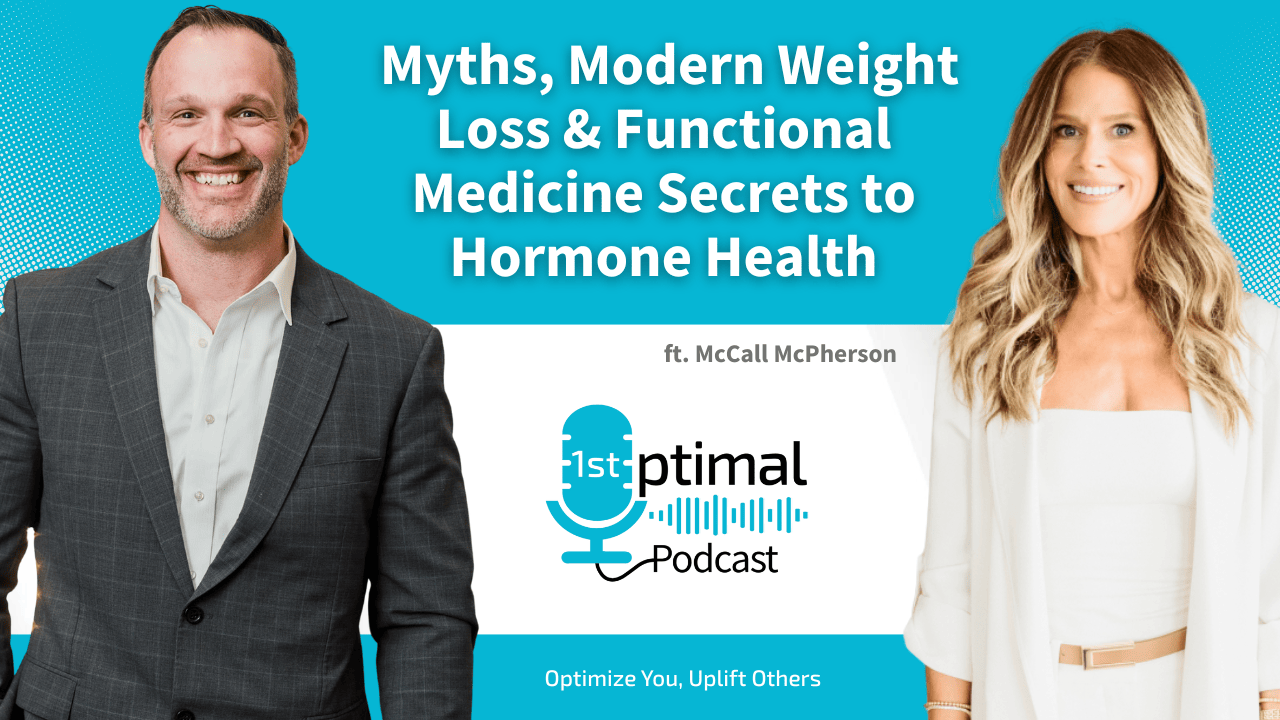
To help us dive deeper into these topics, we’ve invited McCall McPherson, PA-C, a thyroid health expert, to share her insights from years of experience in treating thyroid disorders and hormone imbalances. McCall has spent over a decade working with patients suffering from thyroid dysfunction and has become a leading voice in the field of functional medicine.
At 1st Optimal, we know that getting your hormone levels right isn’t just about treating symptoms, it’s about rebalancing your entire system to work harmoniously. Whether you’re dealing with thyroid dysfunction, struggling to lose weight, or seeking overall wellness, this guide will help you understand the truth about hormone health.
Understanding Hormone Imbalances and Their Impact on Health
The Role of Thyroid Health in Hormone Optimization
Thyroid health plays a crucial role in maintaining balance in the body’s hormone system. The thyroid produces hormones (T3 and T4) that regulate metabolism, energy levels, and numerous other critical bodily functions. When thyroid health is compromised, symptoms like fatigue, weight gain, brain fog, and depression can arise.
In functional medicine, we take a holistic approach to thyroid health by testing not just the typical TSH (thyroid-stimulating hormone) levels but also Free T3, Free T4, and reverse T3. These additional tests provide a much clearer picture of thyroid function and are essential for diagnosing conditions like Hashimoto’s disease or hypothyroidism.
- Case Study: At 1st Optimal, many patients come to us after years of misdiagnosis. One patient, Sarah, had been told her thyroid was “normal” based solely on TSH levels, despite experiencing fatigue, unexplained weight gain, and hair thinning. After running a full thyroid panel, we discovered her Free T3 and reverse T3 were out of balance. Adjusting her medication and addressing her lifestyle led to significant improvements in her energy and overall health.
Symptoms of Hormonal Imbalance: More Than Just Weight Issues
Hormonal imbalances go far beyond just weight gain. While weight issues are one of the most obvious signs, other symptoms like irregular periods, mood swings, low libido, and fatigue are often overlooked. Many women in their 30s, 40s, and 50s suffer from these symptoms, yet their doctors may dismiss them as normal signs of aging.
In reality, these symptoms can be linked to imbalances in estrogen, progesterone, cortisol, and thyroid hormones. Functional medicine helps identify these imbalances through comprehensive lab testing and a personalized treatment plan.
- Tip: If you’re struggling with persistent symptoms despite “normal” test results, a more in-depth look at your hormone levels and lifestyle habits could reveal the hidden cause.
The Myths of Modern Weight Loss
The TSH Myth: Why It’s Not Enough for Thyroid Health
For many years, the medical community has relied on TSH as the gold standard for diagnosing thyroid issues. However, this approach has many limitations. TSH levels can appear “normal” even when Free T3 and Free T4 levels are out of balance. That’s why functional medicine practitioners go beyond TSH and examine all relevant thyroid markers for a complete diagnosis.
- Why It Matters: Without a comprehensive test, many patients remain untreated despite clear symptoms of thyroid dysfunction.
The Truth Behind Crash Diets and Hormonal Impact
Crash diets and extreme weight loss methods may show quick results, but they often lead to long-term hormonal imbalances. Severe calorie restriction can cause a drop in leptin (the hormone responsible for hunger and metabolism), slow thyroid function, and increase cortisol (the stress hormone). This hormonal cascade can make weight loss even harder, leading to what’s known as “yo-yo dieting.”
Instead of drastic measures, a sustainable approach to weight loss that considers hormonal health, metabolism, and nutrient-dense food is key.
- Example: A client of ours, Jenna, came to us after years of battling with restrictive diets. She’d lose 10-15 pounds but always gain it back. Through functional medicine and hormone optimization, Jenna learned to support her metabolism, balancing her thyroid and cortisol levels, which led to more sustainable weight loss.
Functional Medicine Approach to Hormone Health and Weight Loss
How Functional Medicine Tackles Hormone Imbalances
Functional medicine looks at hormone imbalances from a holistic perspective, addressing the root causes rather than simply masking symptoms. By testing comprehensive panels (e.g., DUTCH, GI-MAP) and examining factors like stress, nutrition, and lifestyle, functional medicine creates personalized protocols to optimize health.
Key Nutrients and Lifestyle Changes for Hormone Optimization
Top Foods for Thyroid Health and Hormone Balance
The food we eat plays a significant role in supporting hormone function. Nutrients like selenium, zinc, iodine, and magnesium are essential for thyroid function, and including foods like seaweed, eggs, nuts, and leafy greens can boost thyroid health.
- Tip: If you suspect thyroid issues, consider eliminating common inflammatory foods like gluten, dairy, and soy from your diet to see if your symptoms improve.
Exercise and Rest: Critical Factors in Hormone Health
Exercise is important, but for those with thyroid dysfunction, it’s crucial to avoid overexercising. High-intensity training (HIIT) or heavy weightlifting can stress the adrenal glands, which are already compromised in many thyroid patients. Instead, focus on moderate exercise like strength training and walking, which can support muscle mass and cardiovascular health without overwhelming the system.
- Tip: Ensure you’re getting at least 7-9 hours of quality sleep each night, as sleep is essential for hormone regulation.
FAQs on Hormone Health and Functional Medicine
Q1: How do I know if my thyroid is causing weight gain?
- If you’re experiencing fatigue, hair loss, or difficulty losing weight despite dieting and exercising, your thyroid could be the culprit. Testing for Free T3, Free T4, and reverse T3 is key.
Q2: What lab tests should I request for thyroid health?
- A comprehensive thyroid panel includes TSH, Free T3, Free T4, reverse T3, and thyroid antibodies.
Q3: Can peptide therapy help me lose weight?
- Yes, peptide therapies like are effective for enhancing fat loss and boosting metabolism.
Q4: How does functional medicine differ from traditional medicine for hormone health?
- Functional medicine takes a root-cause approach, using advanced lab tests and personalized protocols to address underlying hormonal imbalances, rather than just treating symptoms.
Q5: How long does it take to see results from hormone replacement therapy?
- Results vary, but most people start seeing improvements in energy, mood, and metabolism within 4-6 weeks of starting therapy.
Understanding hormone health, especially for those in perimenopause or menopause, is essential for achieving lasting health and wellness. With functional medicine, personalized care, and advanced testing, you can take control of your hormonal health and achieve your weight loss and wellness goals.
Ready to take control of your hormone health and start your journey to sustainable weight loss? Book a free consultation with 1st Optimal today to receive personalized hormone testing and treatment.
🎙 Enjoyed this conversation with Thyroid Expert McCall McPherson?
🔗 Listen to the full episode on your favorite platform:
🎧 Spotify | Apple Podcasts | Amazon Music | Google Podcasts
📺 Watch it on YouTube: