
Most people don’t feel “off” overnight.
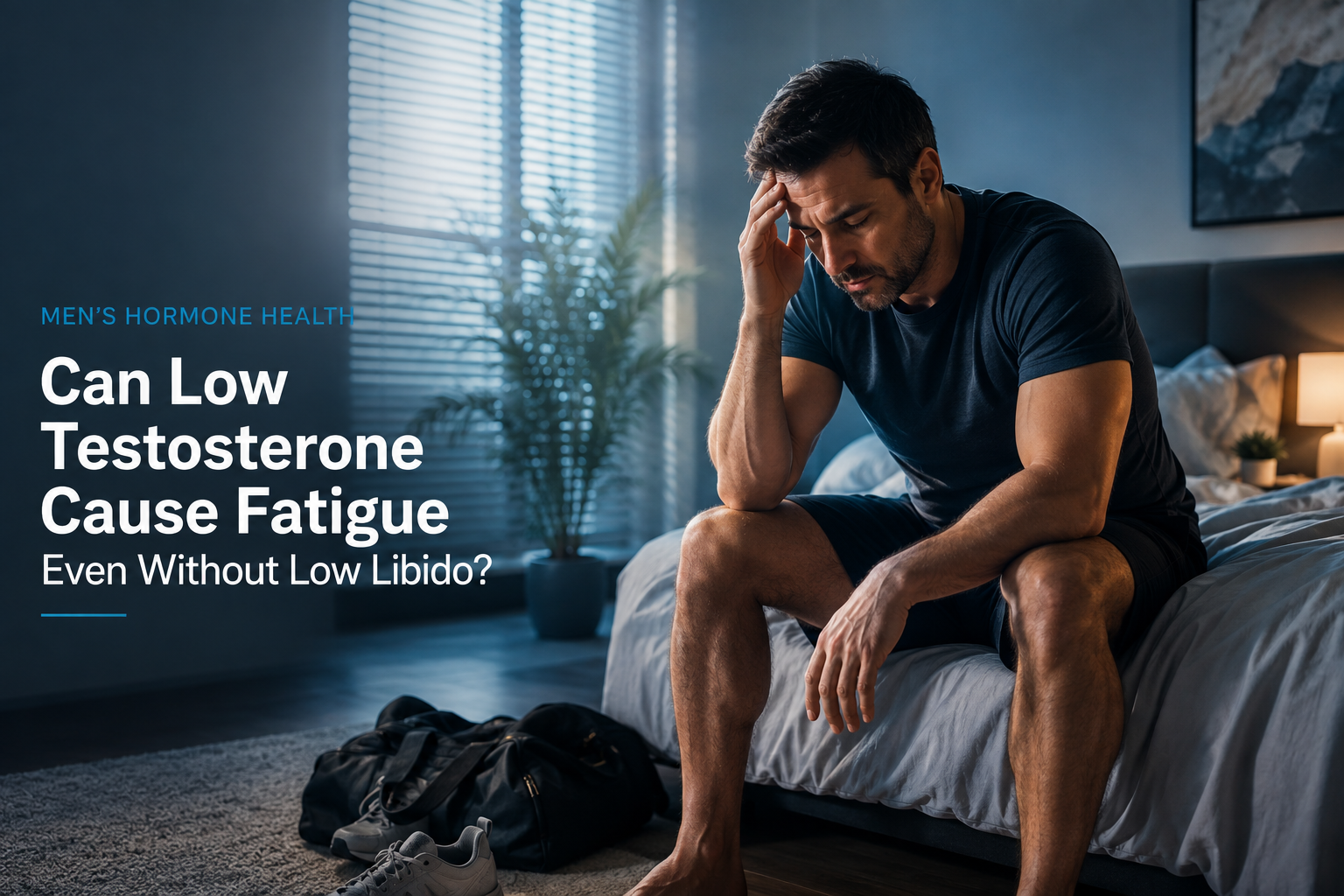
It starts subtly. Low energy. Brain fog. No motivation. A feeling that something isn’t right… even when your labs say everything is “normal.”
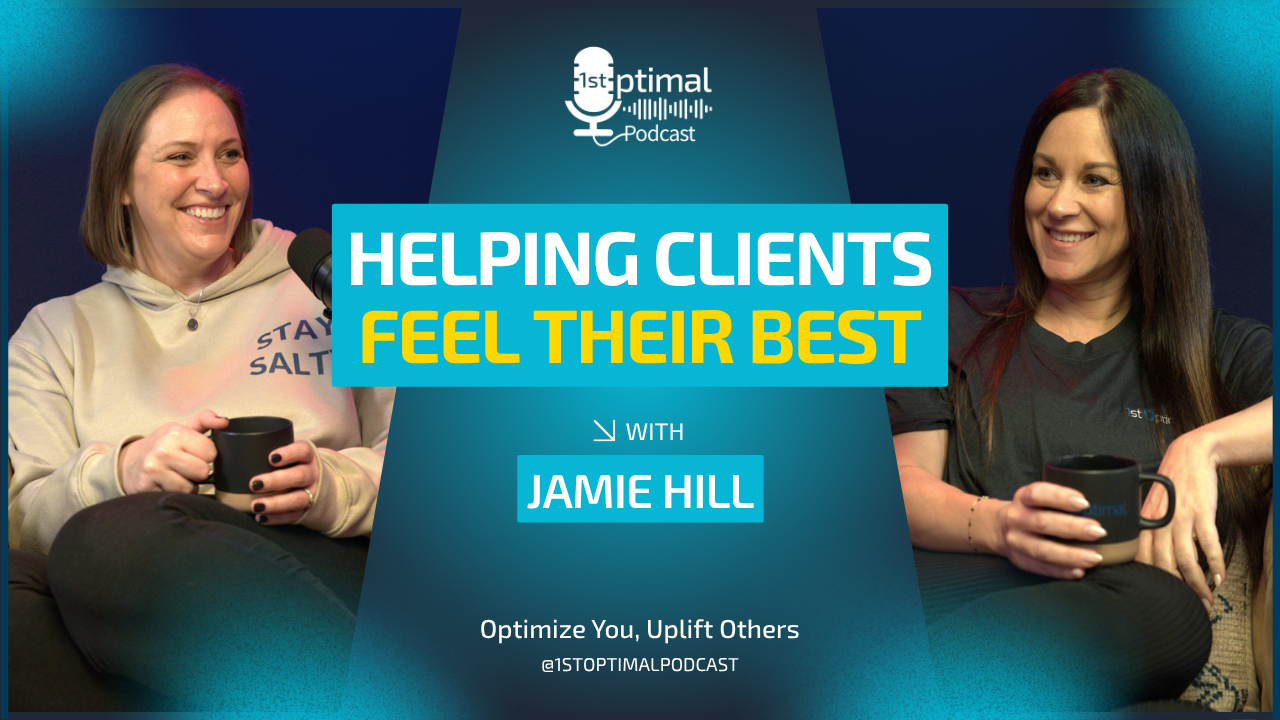
In this episode of the 1st Optimal Podcast, we sit down with functional health coach Jamie Hill to unpack what’s really happening behind the scenes with clients struggling to feel like themselves again.
And more importantly, what actually works.
Why “Normal” Isn’t Good Enough
One of the biggest frustrations clients face?
Being told their labs are normal… when they clearly don’t feel normal.
Traditional medicine often relies on broad reference ranges. But those ranges are based on averages, not optimal health.
That means you can fall within “normal” and still experience:
- Low energy
- Brain fog
- Hormone imbalances
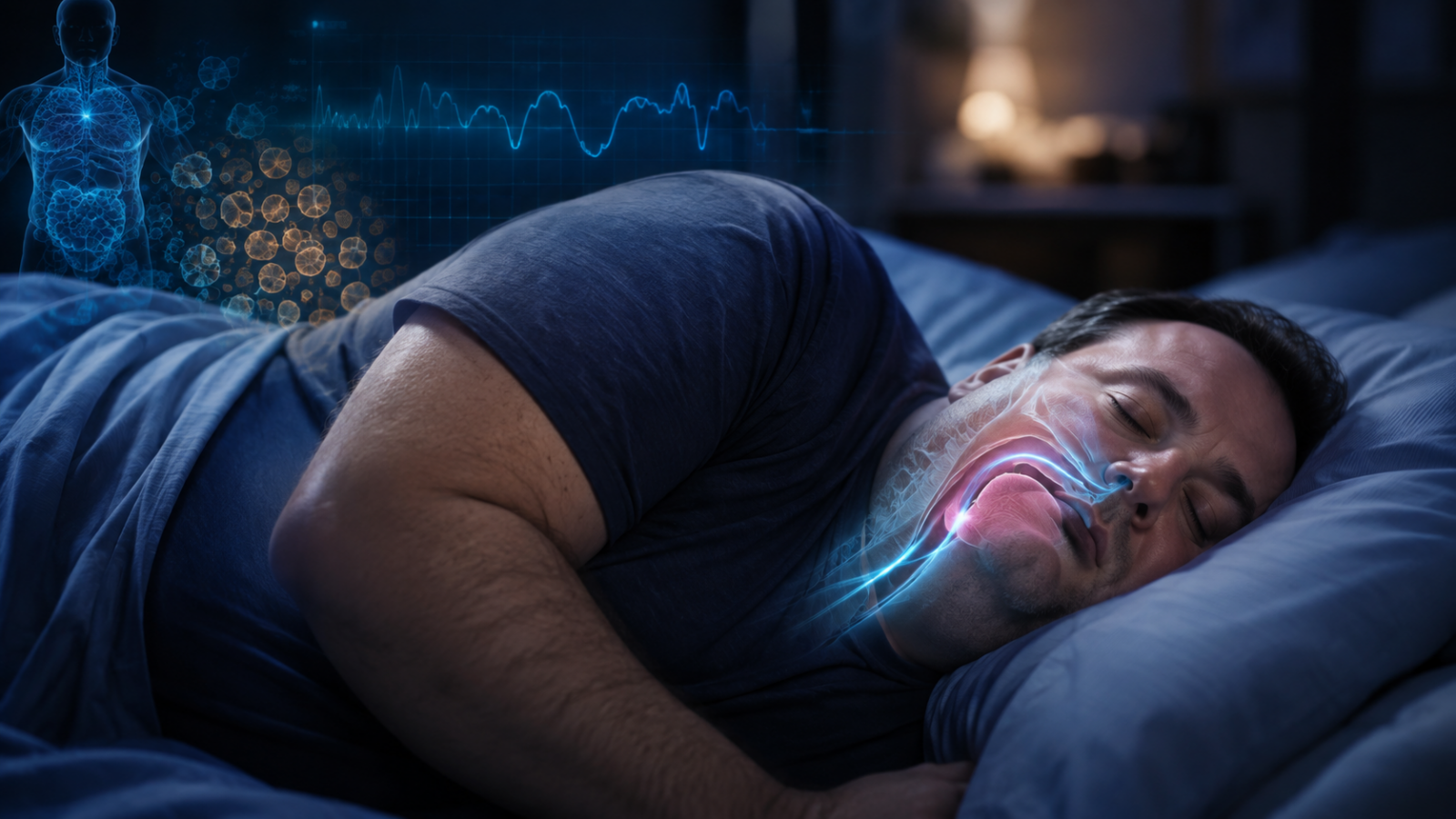
- Poor sleep
- Lack of motivation
As Jamie explains, your body doesn’t care about averages. It cares about what’s optimal for you.
The Symptoms Women Are Ignoring
When most people think about hormone issues, they think of one thing:
Hot flashes.
But in reality, that’s rarely the main complaint.
What we actually hear from clients:
- “I’m exhausted all the time”
- “I don’t feel like myself anymore”
- “I have no drive or motivation”
- “My libido is gone”
These symptoms often get brushed off as:
- Stress
- Aging
- Having kids
- A busy lifestyle
But they’re usually signs of deeper dysfunction.
The Hormone Problem No One Talks About
Let’s be honest. Libido is one of the biggest issues… and one of the least discussed.
Many women don’t bring it up.
Not because it’s not a problem, but because:
- It feels uncomfortable
- It’s been normalized
- They assume it’s just part of aging
But loss of libido isn’t just about intimacy. It’s a signal.
It often reflects:
- Hormonal imbalance
- Chronic stress
- Poor energy production
- Nervous system dysfunction
And the truth is, it doesn’t have to stay that way.
What Traditional Testing Misses
Most standard lab work barely scratches the surface.
For example, thyroid testing often includes:
- TSH
- Maybe T4
But skips critical markers like:
- Free T3
- Reverse T3
And that matters.
Because T3 is the active hormone your body actually uses for:
- Energy
- Metabolism
- Brain function
If that’s off, you’ll feel it, regardless of what your basic labs say.
The Gut-Hormone Connection
Here’s where things get even more interesting.
Your gut plays a massive role in hormone health.
If your gut isn’t functioning properly:
- You won’t absorb nutrients efficiently
- You may recirculate hormones
- Inflammation increases
- Symptoms worsen
Common signs of gut dysfunction:
- Bloating
- Irregular bowel movements
- Acid reflux
- Food sensitivities
As discussed in the episode, many clients don’t realize their hormones and gut are directly connected.
But fixing the gut is often the first step to fixing everything else.
Stress Is Quietly Destroying Your Health
Stress isn’t just mental.
It’s physiological.
Chronic stress impacts:
- Hormone production
- Thyroid function
- Sleep quality
- Recovery
- Energy levels
And most people underestimate how much it matters.
Lack of sleep, poor nutrition, and constant stress create a domino effect that disrupts the entire system.
The Truth About Quick Fixes
People come in asking for:
- Specific peptides
- GLP-1 medications
- Hormone therapy
Not because they need them.
Because they saw them online.
Here’s the reality:
No protocol works if your foundation is broken.
If your:
- Nutrition is off
- Sleep is poor
- Stress is unmanaged
- Gut is compromised
Then adding advanced therapies won’t fix the problem.
It just delays it.
The Danger of Internet Health Advice
There’s more health information available than ever before.
And that’s the problem.
Not all of it is good.
One of the biggest concerns discussed:
- People self-prescribing treatments
- Buying “research-grade” compounds
- Following advice without context
What works for one person may not work for another.
Health isn’t one-size-fits-all.
It’s personalized.
Why Functional Health Works
Functional health takes a different approach.
Instead of treating symptoms in isolation, it looks at:
- The full picture
- Root causes
- Interconnected systems
It’s not about:
- Quick fixes
- Band-aid solutions
It’s about:
- Long-term optimization
- Sustainable results
- Feeling like yourself again
The First Step to Feeling Better
If there’s one takeaway from this episode, it’s this:
Stop ignoring how you feel.
You don’t need to wait for:
- A diagnosis
- A red flag on your labs
- Someone else to validate your symptoms
You already know when something is off.
The next step is simple:
- Have a conversation
- Get the right testing
- Build a personalized plan
Because feeling your best isn’t a luxury.
It’s the standard you should expect.
Final Thoughts
Health isn’t about chasing trends.
It’s about understanding your body.
When you address the root causes, everything changes:
- Energy improves
- Hormones balance
- Confidence returns
- Life feels easier again
And that’s the goal.
Connect with Jamie Hill:
Instagram: @the.hormone.girl
Tiktok: @the.hormone.girl
Ready to Take the Next Step?
Ready to begin your own fitness journey and take control of your health? Book your free consultation with 1st Optimal today and let’s explore how personalized coaching and expert-led strategies can help you achieve your health goals!
🔗 Listen to the full episode on your favorite platform:
🎧 Spotify | Apple Podcasts | Amazon Music | Google Podcasts
📺 Watch it on YouTube: