
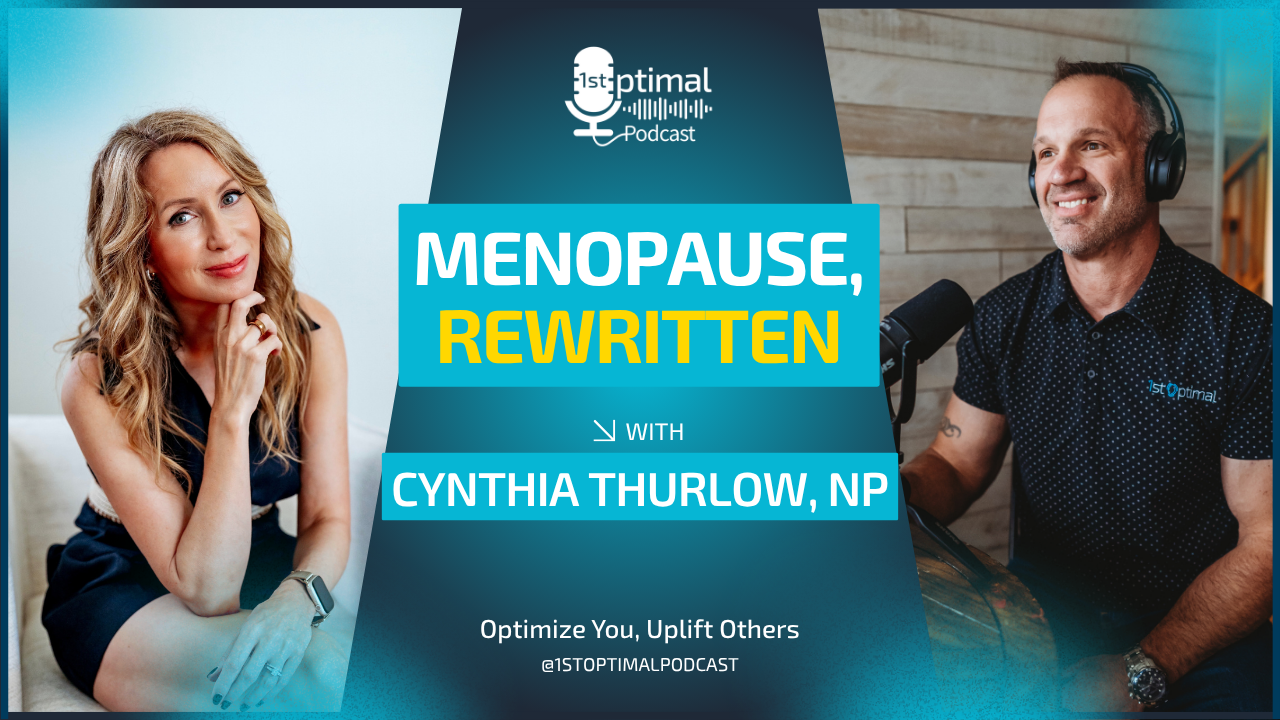
Why Hormones Alone Don’t Fix the Problem
Hormones don’t work in isolation.
They rely on your body’s ability to:
- Break them down
- Absorb them
- Detox and excrete them properly
That entire process happens in your gut.
If your gut is off, your hormones are too. Simple as that.
This is where most approaches fall short.
They treat the output… not the system.
What Actually Changes During Perimenopause and Menopause
As women move through perimenopause and menopause, multiple systems start to shift at the same time:
1. Digestive Function Declines
- Lower stomach acid
- Fewer digestive enzymes
- Harder time breaking down protein and fats
Result: poorer nutrient absorption and more gut stress
2. Gut Microbiome Becomes Less Diverse
- More inflammatory bacteria
- Less beneficial bacteria
- Reduced production of key compounds like butyrate
Result: increased inflammation, brain fog, metabolic slowdown
3. Hormone Processing Breaks Down
There’s a specific part of the gut microbiome called the estrobolome.
Its job? Manage estrogen metabolism.
When it’s not functioning properly:
- Estrogen can get recycled instead of eliminated
- Hormonal symptoms worsen
- Inflammation increases
4. Immune System Weakens
Estrogen plays a major role in immune regulation.
As levels drop:
- Infection risk increases
- Autoimmune conditions become more common
- Inflammation rises
That’s not random. That’s biology.
Why So Many Women Feel “Off” But Get Told They’re Fine
Here’s the frustrating part.
Most women are told they’re “fine” based on standard lab ranges.
Example:
- Fasting glucose at 95–99 mg/dL → “normal”
Reality:
- That’s already trending toward insulin resistance
This is where conventional care misses the mark.
It waits for disease.
It doesn’t optimize health.
The Real Goal: Function, Not Just “Normal”
There’s a massive difference between:
- Normal labs
- Optimal physiology
You can be:
- Not diabetic… but insulin resistant
- Not deficient… but still symptomatic
- Not “sick”… but far from healthy
That gray zone is where most women live.
The Lifestyle Foundation Most People Skip
Before anything else, these are non-negotiables:
Nutrition
- Prioritize protein intake daily
- Support blood sugar stability
- Eat for gut health, not just calories
Strength Training
- Critical for muscle, metabolism, and longevity
- Directly impacts insulin sensitivity and bone density
Sleep + Stress
- Hormones don’t regulate without them
- Chronic stress disrupts everything
Gut Health
- Impacts hormones, immunity, metabolism, mood
Think of it like this:
Lifestyle is the cake.
Hormones are the icing.
Most people try to eat frosting without baking the cake.
Where Hormone Therapy Fits In
Hormone replacement therapy (HRT) can be incredibly effective.
But it works best when:
- Gut health is addressed
- Inflammation is managed
- Lifestyle is dialed in
Otherwise, you’re layering hormones on top of dysfunction.
What About GLP-1s?
GLP-1 medications are changing the game in metabolic health.
Used correctly, they can:
- Reduce cravings and food noise
- Improve insulin sensitivity
- Support fat loss
But here’s where people mess it up:
They skip:
- Protein intake
- Strength training
- Body composition tracking
Result: weight loss… with muscle loss.
That’s a fast track to long-term problems.
Used strategically, alongside lifestyle and (when appropriate) hormones, they can be powerful.
Used lazily, they create new issues.
The Bigger Picture: It’s Not About Surviving Menopause
Menopause is normal.
But feeling exhausted, inflamed, and disconnected from your body isn’t.
The goal isn’t just to “get through it.”
The goal is:
- Strong muscles
- Sharp cognition
- Stable energy
- Long-term independence
Because what you do now determines:
- Whether you’re active at 70
- Or dependent on assistance
That’s the real conversation.
Final Thought
If there’s one thing to take away:
You can’t fix hormones without fixing the system they operate in.
And that system starts with your gut.
Connect with Cynthia Thurlow:
Instagram: @cynthia_thurlow_
Linkedin: cynthia-thurlow
Tiktok: @cynthiathurlownp
Youtube: cynthiathurlow
Ready to Take the Next Step?
Ready to begin your own fitness journey and take control of your health? Book your free consultation with 1st Optimal today and let’s explore how personalized coaching and expert-led strategies can help you achieve your health goals!
🔗 Listen to the full episode on your favorite platform:
🎧 Spotify | Apple Podcasts | Amazon Music | Google Podcasts
📺 Watch it on YouTube: