
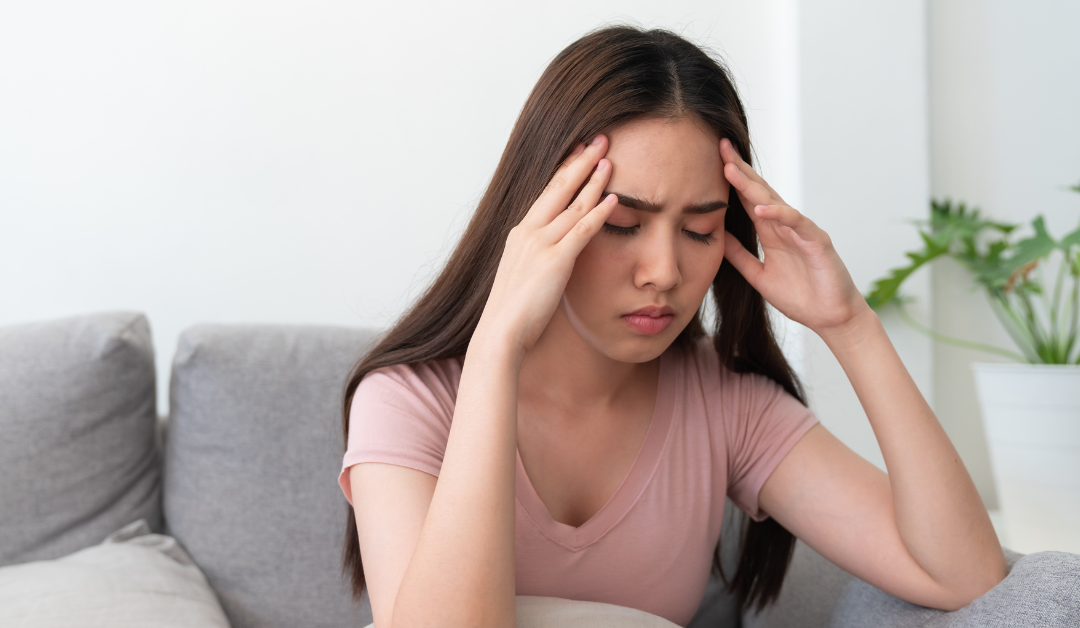
Estrogen is one of the most important hormones in a woman’s body, influencing everything from reproductive health and bone density to mood, skin elasticity, and cardiovascular function. When estrogen levels drop below their optimal range, the effects can be widespread and deeply disruptive. Low estrogen symptoms often develop gradually, making them easy to dismiss or attribute to stress, aging, or other factors. Understanding what to look for is the first step toward reclaiming how you feel every day.
Think your hormones might be off balance? Join 1st Optimal for comprehensive hormone testing and a personalized treatment plan built around your results.
Whether you are navigating perimenopause, recovering from a medical procedure, or simply noticing changes that do not add up, this guide covers the most common low estrogen symptoms, their root causes, how estrogen deficiency is diagnosed, and the treatment paths that can help restore hormonal balance.
What Are the Most Common Low Estrogen Symptoms?
Low estrogen can affect virtually every system in the body. The symptoms vary in severity and often overlap with other conditions, which is why so many women go months or even years without a proper diagnosis. Here are the hallmark signs of low estrogen that clinicians look for:
- Hot flashes and night sweats — Sudden waves of heat, flushing, and perspiration that can strike day or night. These are among the most widely recognized estrogen deficiency symptoms.
- Irregular or absent periods — Skipped cycles, lighter flow, or complete cessation of menstruation often signal declining estrogen.
- Vaginal dryness and discomfort — Reduced estrogen thins the vaginal lining, leading to dryness, irritation, and pain during intercourse.
- Sleep disturbances — Difficulty falling asleep, staying asleep, or waking up feeling unrested is closely linked to low estrogen levels.
- Mood changes — Increased anxiety, irritability, depressive episodes, and emotional volatility are common when estrogen drops.
- Brain fog and memory issues — Estrogen supports neurotransmitter function. Low levels can impair concentration, recall, and mental clarity.
- Fatigue — Persistent low energy that does not improve with rest may point to hormonal imbalance.
- Decreased libido — A noticeable decline in sexual desire and arousal is a frequent but underreported symptom.
- Joint pain and stiffness — Estrogen has anti-inflammatory properties. Its decline can contribute to aching joints and reduced mobility.
- Dry skin and thinning hair — Estrogen promotes collagen production and healthy hair growth. Low levels accelerate visible aging.
Many women experience a cluster of these symptoms rather than just one. If several of these signs resonate with your experience, it is worth investigating your hormone levels with a qualified provider. Recognizing the signs you need hormone replacement therapy early can make a significant difference in treatment outcomes.
What Causes Low Estrogen Levels?
Estrogen levels do not drop without reason. Understanding the underlying cause is essential for choosing the right treatment approach. The most common causes of low estrogen include:
Natural Aging and Menopause
The most common cause of low estrogen is the natural decline that occurs during perimenopause and menopause. Estrogen production from the ovaries gradually decreases starting in a woman’s late 30s to early 40s and drops significantly after menopause. Learning to identify perimenopause symptoms can help women seek support sooner.
Premature Ovarian Insufficiency
Also known as premature ovarian failure, this condition causes the ovaries to stop functioning normally before age 40. It affects approximately 1 in 100 women and results in significantly reduced estrogen output.
Surgical or Medical Causes
Oophorectomy (surgical removal of the ovaries), chemotherapy, and radiation therapy can cause an abrupt and dramatic decline in estrogen production. These situations often require immediate hormone support.
Excessive Exercise and Low Body Fat
Intense physical training combined with very low body fat can suppress the hypothalamic-pituitary-ovarian axis, reducing estrogen production. This is commonly seen in competitive athletes and is sometimes called the female athlete triad.
Pituitary Gland Disorders
The pituitary gland signals the ovaries to produce estrogen. Tumors, injuries, or dysfunction in the pituitary can interrupt this signaling pathway and result in low estrogen levels.
Chronic Stress and Cortisol Dysregulation
Prolonged stress elevates cortisol, which can interfere with the production of estrogen and progesterone. This hormonal competition, sometimes called the cortisol steal, shifts the body’s resources away from reproductive hormone production.
How Does Low Estrogen Affect Your Body?
Estrogen is not just a reproductive hormone. It plays protective roles across multiple organ systems, and when levels fall, the consequences extend far beyond fertility and menstrual cycles.
Bone Health
Estrogen is essential for maintaining bone density. Low estrogen accelerates bone loss, increasing the risk of osteopenia and osteoporosis. Research published in the Journal of Bone and Mineral Research shows that women can lose up to 20 percent of their bone density in the five to seven years following menopause, primarily due to estrogen decline.
Cardiovascular Health
Estrogen helps maintain healthy cholesterol levels and supports blood vessel flexibility. Declining estrogen is associated with increased LDL cholesterol, reduced HDL cholesterol, and a higher risk of cardiovascular disease in postmenopausal women.
Brain Function
Estrogen supports serotonin and dopamine activity in the brain. Low levels are linked to increased risk of depression, anxiety, cognitive decline, and in some studies, a higher incidence of Alzheimer’s disease.
Urogenital Health
The tissues of the vagina, urethra, and bladder are estrogen-sensitive. Declining estrogen can cause vaginal atrophy, recurrent urinary tract infections, and urinary incontinence, a collection of symptoms now referred to as genitourinary syndrome of menopause.
Metabolic Impact
Low estrogen is associated with increased abdominal fat storage, insulin resistance, and metabolic slowdown. Many women notice unexplained weight gain, particularly around the midsection, as estrogen levels decline.
Low Estrogen in Perimenopause and Menopause
Perimenopause, the transitional phase leading to menopause, is the most common time for women to experience fluctuating and declining estrogen. This phase can begin as early as the mid-30s and last anywhere from four to ten years.
During perimenopause, estrogen does not decline in a straight line. Levels can spike and plummet unpredictably, which is why symptoms can feel inconsistent and confusing. One month may bring severe hot flashes and the next may feel relatively normal.
Once a woman reaches menopause, defined as 12 consecutive months without a period, estrogen levels stabilize at a significantly lower baseline. At this point, the ovaries produce minimal estrogen, and the body relies primarily on smaller amounts produced by fat tissue and the adrenal glands.
Understanding where you are in this transition is critical for choosing the right intervention. A comprehensive hormone panel, including a DUTCH test, can provide a detailed picture of your estrogen metabolites and overall hormonal landscape.
Navigating perimenopause or menopause? 1st Optimal’s membership includes advanced hormone testing and a dedicated care team to guide you through every stage.
How Is Low Estrogen Diagnosed?
Diagnosing low estrogen involves more than a single blood draw. Because estrogen levels fluctuate throughout the menstrual cycle and can be influenced by time of day, stress, and other factors, a thorough diagnostic approach is essential.
Blood Tests
Serum estradiol (E2) is the most commonly measured form of estrogen. Results are interpreted alongside FSH (follicle-stimulating hormone) levels. Elevated FSH combined with low estradiol is a classic indicator of ovarian estrogen deficiency. If you are considering estradiol therapy, learn about the potential estradiol side effects before starting treatment.
DUTCH Testing
The Dried Urine Test for Comprehensive Hormones provides a more complete picture than blood tests alone. It measures estrogen metabolites (E1, E2, E3, and their downstream metabolites), revealing not just how much estrogen you produce but how your body processes it. This is particularly valuable for assessing estrogen dominance patterns and methylation efficiency.
Symptom Assessment
Lab results are always interpreted in context. A skilled practitioner evaluates your symptoms, medical history, family history, and lifestyle factors alongside your lab work to build a complete clinical picture.
Treatment Options for Low Estrogen
Treatment for low estrogen depends on the underlying cause, the severity of symptoms, and the patient’s health goals. The most effective approaches include:
Bioidentical Hormone Replacement Therapy (BHRT)
Bioidentical hormone replacement therapy uses hormones that are molecularly identical to those your body naturally produces. BHRT can be delivered through creams, patches, pellets, or oral formulations, and is tailored to your individual lab results and symptoms. Studies published in Climacteric have shown BHRT to be effective in reducing hot flashes, improving bone density, supporting cardiovascular markers, and restoring quality of life.
Estrogen Therapy
For women who have had a hysterectomy, estrogen-only therapy may be appropriate. For those with an intact uterus, estrogen is combined with progesterone to protect the uterine lining. The delivery method, dosage, and duration are individualized based on risk factors and clinical goals.
Vaginal Estrogen
For women whose primary complaints are vaginal dryness, discomfort, or recurrent UTIs, localized vaginal estrogen in the form of creams, rings, or tablets can provide targeted relief with minimal systemic absorption.
Lifestyle and Nutritional Support
While lifestyle changes alone may not resolve significant estrogen deficiency, they can support hormonal health and enhance the effects of medical treatment. Key strategies include maintaining a nutrient-dense diet rich in phytoestrogens, engaging in regular weight-bearing exercise, managing stress, prioritizing sleep, and reducing alcohol consumption.
Can You Raise Estrogen Levels Naturally?
This is one of the most common questions women ask when they first learn their estrogen is low. The honest answer depends on the degree of deficiency and the underlying cause.
For mild cases or as a complement to medical therapy, the following strategies may help support healthy estrogen levels:
- Phytoestrogen-rich foods — Soy products, flaxseeds, sesame seeds, and legumes contain plant compounds that can weakly bind to estrogen receptors and provide mild estrogenic activity.
- Healthy body composition — Fat tissue produces a form of estrogen called estrone. Maintaining a healthy body fat percentage supports baseline estrogen production.
- Stress management — Reducing cortisol through meditation, breathwork, adequate sleep, and boundary-setting can help restore the hormonal signaling that supports estrogen production.
- Targeted supplementation — Certain supplements, including vitamin D, magnesium, B vitamins, and DIM (diindolylmethane), may support estrogen metabolism when used under clinical guidance.
- Limiting endocrine disruptors — Reducing exposure to xenoestrogens found in plastics, pesticides, and personal care products can help protect your body’s natural hormone balance.
It is important to set realistic expectations. For women in menopause or with significant estrogen deficiency, natural strategies alone are unlikely to restore optimal levels. These approaches work best as part of a comprehensive treatment plan that may include hormone therapy.
Want a data-driven approach to your hormone health? Become a 1st Optimal member and get advanced lab testing, personalized protocols, and ongoing support from a dedicated care team.
When Should You See a Doctor About Low Estrogen?
You should consult a healthcare provider if you are experiencing any combination of the symptoms described above, particularly if they are affecting your quality of life, sleep, relationships, or ability to function at work.
Specific situations that warrant prompt evaluation include:
- Hot flashes or night sweats that disrupt sleep multiple times per week
- Vaginal dryness or pain that affects intimacy or daily comfort
- Mood changes, anxiety, or depressive symptoms that feel out of character
- Irregular periods or missed periods before age 40
- A family history of osteoporosis or cardiovascular disease
- Unexplained weight gain, especially around the abdomen
- Persistent fatigue or brain fog that does not respond to rest or lifestyle changes
Early intervention matters. The longer estrogen deficiency goes unaddressed, the greater the cumulative impact on bone density, cardiovascular health, and cognitive function. A functional medicine approach, which looks at the whole hormonal picture rather than isolated symptoms, often delivers the most comprehensive and lasting results.
To learn how personalized care can help, explore our men’s hormone optimization.
Explore how our women’s hormone therapy can help you restore balance and feel your best.
Frequently Asked Questions About Low Estrogen
What is the most common symptom of low estrogen?
Hot flashes are the most widely reported symptom of low estrogen, affecting up to 80 percent of women during menopause. However, many women first notice irregular periods, mood changes, or sleep disturbances before hot flashes begin.
At what age do estrogen levels start to decline?
Estrogen levels typically begin a gradual decline in the late 30s to early 40s as women enter perimenopause. The most significant drop occurs in the years immediately surrounding menopause, which happens at an average age of 51 in the United States.
Can low estrogen cause weight gain?
Yes. Low estrogen is associated with increased abdominal fat storage, insulin resistance, and a slower metabolism. Many women notice weight gain, particularly around the midsection, as estrogen levels decline during perimenopause and menopause.
Is low estrogen the same as estrogen dominance?
No. Low estrogen refers to an absolute deficiency of estrogen. Estrogen dominance describes a relative imbalance where estrogen is high in relation to progesterone, even if absolute estrogen levels are normal or low. Both conditions can cause overlapping symptoms but require different treatment approaches.
How long does it take for hormone therapy to relieve low estrogen symptoms?
Most women begin to notice improvement within two to four weeks of starting hormone therapy, with full benefits typically realized within three to six months. The timeline varies based on the severity of deficiency, the delivery method, and individual response.
Can stress cause low estrogen?
Yes. Chronic stress elevates cortisol, which can suppress the hypothalamic-pituitary-ovarian axis and reduce estrogen production. Prolonged stress is a recognized contributor to hormonal imbalance, particularly when combined with poor sleep, inadequate nutrition, or overtraining.
What foods help increase estrogen naturally?
Phytoestrogen-rich foods like soy products, flaxseeds, sesame seeds, chickpeas, and lentils contain plant compounds that can mildly support estrogenic activity. While these foods are beneficial for overall health, they are not a substitute for medical treatment in cases of significant estrogen deficiency.
Is bioidentical hormone therapy safe for treating low estrogen?
Bioidentical hormone replacement therapy is considered safe and effective for most women when prescribed by a qualified practitioner and monitored through regular lab testing. BHRT uses hormones that are structurally identical to those your body produces, and individualized dosing helps minimize risk while maximizing benefit.
This article is for informational purposes only and does not constitute medical advice. Always consult with a qualified healthcare provider before making decisions about your health or treatment options.
Joe Miller — CEO of 1st Optimal. BS in Kinesiology, Exercise Science, Health, and Nutrition. 2-Year Fellowship with A4M, trained by Worldlink Medical, ongoing BHRT certifications. NASM Certified, NSCA CSCS. Connect on LinkedIn