
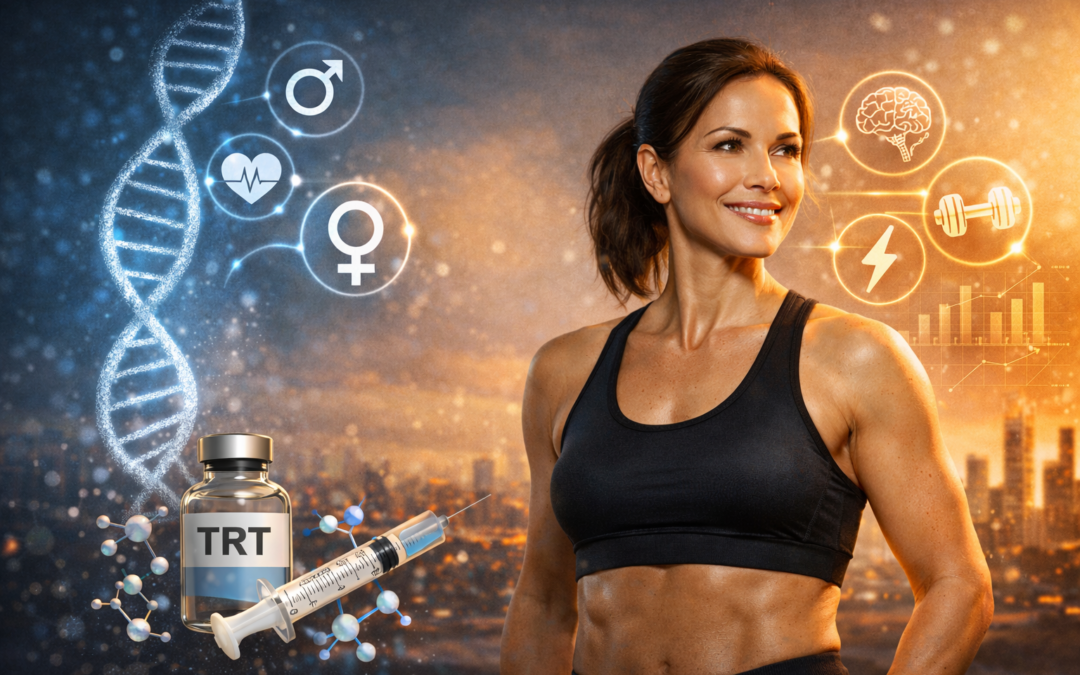
In recent years, Testosterone Replacement Therapy (TRT) has become a well-discussed topic among women looking to optimize their hormonal health and reclaim their energy, mood, and libido. Once thought of as a therapy reserved exclusively for men, TRT for women is quickly gaining recognition as an essential part of hormonal optimization. Low testosterone in women can lead to a range of challenges, including fatigue, weight gain, low libido, and poor mood. When testosterone levels decline, often as a result of aging, menopause, or medical conditions, TRT offers a solution for restoring balance and improving overall quality of life.
At 1st Optimal, we understand how important it is for women to regain control of their health, especially when it comes to hormonal balance. Through medically supervised treatments like TRT, we aim to empower women to feel vibrant, energetic, and in control of their well-being. This article explores the benefits, risks, and best practices of Testosterone Replacement Therapy for women, providing you with the information needed to make informed decisions about your health.
Understanding Low Testosterone in Women
Testosterone is often associated with male health, but it plays a crucial role in female health as well. It helps regulate a variety of bodily functions, such as muscle mass, bone density, and libido. While women produce testosterone in much smaller amounts than men, it is still vital for maintaining strength, vitality, and emotional well-being. As women age, particularly during menopause, testosterone production naturally declines.
Low testosterone in women can lead to several uncomfortable symptoms, such as:
- Fatigue and low energy levels
- Reduced libido and sexual dysfunction
- Mood swings, irritability, and depression
- Loss of muscle mass and strength
- Weight gain, particularly in the abdominal region
These symptoms can significantly impact a woman’s daily life, from her professional performance to her personal relationships. Restoring optimal testosterone levels through TRT has proven to be an effective solution to combat these effects. But how exactly does testosterone influence a woman’s overall health?
The Benefits of TRT for Women
When testosterone levels are optimized, the benefits can be profound. Women undergoing TRT often experience improvements in several key areas of life. Here’s a closer look at the benefits of testosterone therapy for women:
1. Increased Energy and Vitality
Many women who experience low testosterone report feeling drained, even after a full night’s sleep. TRT can help restore energy levels by boosting testosterone to more optimal levels, allowing women to feel more vibrant and alert throughout the day. Women often feel more energized to engage in physical activities, tackle daily responsibilities, and maintain a high level of productivity.
2. Enhanced Libido and Sexual Health
Testosterone is a key hormone involved in regulating sexual desire and arousal. As testosterone levels decline, many women notice a decrease in libido and sexual satisfaction. TRT can help restore sexual desire by improving arousal and helping women achieve more satisfying sexual experiences. This improvement in sexual health can strengthen relationships and increase overall well-being.
3. Improved Mood and Mental Clarity
Testosterone affects the dopamine pathways in the brain, which influence mood, focus, and motivation. Low testosterone levels can contribute to mood swings, anxiety, and even depression. TRT has been shown to help balance mood and reduce feelings of anxiety, helping women feel more in control and mentally sharp. Women undergoing TRT often report better focus, clearer thinking, and improved emotional stability.
4. Preservation of Muscle Mass and Bone Density
As women age, the loss of muscle mass and bone density becomes more pronounced. This decline is partly due to lower testosterone levels. TRT can help preserve and even rebuild muscle mass, improving strength and metabolism. Furthermore, maintaining healthy testosterone levels is essential for maintaining bone density and reducing the risk of fractures or osteoporosis.
5. Enhanced Physical Performance and Recovery
In addition to preserving muscle mass, TRT can improve physical performance. Many women who undergo testosterone therapy notice improvements in their workout results, whether it’s more strength, better endurance, or faster recovery times. TRT promotes lean muscle growth, helping women get the most out of their fitness routines and maintain a healthy body composition.
The Safety and Efficacy of TRT for Women
One of the most common concerns surrounding TRT is its safety. However, when administered properly, testosterone therapy for women is considered safe and effective. Here’s what you need to know about the safety profile of TRT for women:
FDA-Approved TRT for Women
While TRT has been widely available for men for many years, the treatment for women is still evolving. Currently, women can access FDA-approved testosterone therapies in forms such as gels, creams, or injectables. These treatments are specifically dosed for women and are subject to strict regulation to ensure safety.
Risks and Side Effects
While TRT is generally safe, it is not without potential risks. Some women may experience side effects such as:
- Hair growth at the application site
- Acne or oily skin
- Voice changes (deepening of the voice)
- Increased body hair in unwanted areas
However, these side effects are generally rare and can often be managed with dose adjustments. It is crucial to work with a healthcare provider experienced in women’s hormone therapy to ensure that your dosage is customized to your needs.
Monitoring and Adjustment
When starting TRT, it’s important to regularly monitor testosterone levels to ensure they are within a safe range. This includes blood tests to track levels and adjust the dosage if needed. A healthcare provider will also monitor for any adverse effects and make adjustments to ensure the therapy remains safe and effective.
The FDA Approval Process for Women’s TRT
The FDA approval process for testosterone products designed for women has been slow. For years, women seeking TRT have had to rely on off-label prescriptions or compounded testosterone formulations, which are not officially approved for female use. However, this is starting to change. In response to growing demand, some countries, such as the UK, Australia, and South Africa, have approved female-specific testosterone products for treating low testosterone in women.
The approval of female testosterone products in the United States remains a challenge. However, the push for more female-specific testosterone doses continues, with increasing advocacy for medical treatments that are tailored to the unique needs of women.
At 1st Optimal, we believe in providing safe, effective, and regulated TRT for women, and we advocate for ongoing reform to ensure that women have access to optimal care and treatment options.
Peptides and TRT for Women: Synergistic Health Benefits
In addition to TRT, women can benefit from peptide therapies that support hormone health. Peptides, which are short chains of amino acids, can have a positive impact on metabolism, muscle growth, and even skin health. Growth Hormone-Releasing Peptides (GHRPs), for example, can work alongside testosterone therapy to improve muscle recovery, fat loss, and overall vitality. By combining TRT with peptide therapy, women can achieve a holistic approach to hormone optimization and health optimization.
1st Optimal offers personalized peptide therapy plans designed to complement TRT and provide maximum health benefits. Our peptide therapies can help with energy levels, muscle repair, and metabolic health, making them the perfect complement to testosterone replacement.
Finding the Right TRT Dosage for Women
Getting the right dosage of testosterone is crucial for effective TRT. Unlike men, who typically require higher doses of testosterone, women need much lower doses. Women undergoing TRT may start with very low doses, which are then gradually increased based on their response to the therapy.
It’s important to have a healthcare provider who specializes in women’s hormone health to guide you through the process. Starting with the right dose, monitoring testosterone levels regularly, and adjusting the dosage as needed will help ensure that you achieve the best possible results with TRT.
Integrating TRT with a Healthy Lifestyle
While TRT can offer significant benefits, it works best when combined with a healthy lifestyle. Proper nutrition, regular exercise, and stress management are essential components of hormone optimization. At 1st Optimal, we believe that TRT should be part of a holistic health approach that includes:
- Balanced Diet: A diet rich in whole foods, lean proteins, healthy fats, and vegetables supports overall health and hormone balance.
- Exercise: Regular physical activity, including strength training, can help preserve muscle mass, improve energy levels, and enhance overall vitality.
- Stress Management: Chronic stress can negatively impact hormone levels. Practices like yoga, meditation, and deep breathing can help reduce stress and support hormonal health.
Combining TRT with these lifestyle factors can lead to optimal results and long-term health benefits.
Conclusion: Is TRT Right for You?
If you’re experiencing symptoms of low testosterone, such as fatigue, low libido, or poor mood, Testosterone Replacement Therapy may be the right solution for you. At 1st Optimal, we offer personalized, FDA-approved TRT for women that can help restore balance and improve your overall well-being.
Is TRT something you’ve been considering? If so, we encourage you to schedule a consultation with our expert healthcare team to determine the best approach to hormone optimization for your unique needs.
What Do You Think?
Have you tried TRT or considered it as an option for optimizing your health? What results did you experience, or what questions do you have about starting TRT? Share your thoughts and join the conversation.
Related Resources from 1st Optimal: