

Women talk to me all the time about gut issues that never used to exist.
Bloating that shows up like clockwork.
Constipation that feels new.
Food reactions that make zero sense.
A stomach that now feels sensitive, swollen, or unpredictable.
You used to eat a meal and move on with your day.
Now you eat and find yourself wondering, Why does this hurt? Why am I so puffy? Why do I feel heavy, tired, or uncomfortable?
Gut issues are not “just part of getting older.”
They’re not “normal female problems.”
And you’re not imagining them.
I’m Amber Miller, and I’ve worked with thousands of women between 35 and 55 who tell me the same story:
“My gut has changed. And I don’t know how to fix it.”
This article is for you if you feel confused, frustrated, ignored, or dismissed.
It’s for you if you’re tired of bloating, tired of guessing, tired of cutting foods, tired of being told everything is “fine” when your body clearly says otherwise.
And it’s for you if you’re ready, finally, to understand what is actually happening inside your gut, why it matters, and what you can do about it.
The Truth: Bloating Is Not a Normal Part of Life
Let’s get one thing straight before we go any further.
Bloating is not normal.
Gas that makes you uncomfortable is not normal.
Constipation is not normal.
Feeling inflamed after meals is not normal.
Looking six months pregnant by 4 p.m. is not normal.
Being exhausted after eating is not normal.
These are not “age-related issues.”
These are gut-related issues.
But most women don’t get the real story until they reach their late thirties or forties, right when hormones begin shifting, stress accumulates, metabolism changes, and the gut becomes more reactive than ever.
You deserve the truth about WHY this is happening.
Why Gut Issues Hit Women 35 to 55 So Hard
Your gut was built to handle stress, hormones, food, movement, and everyday life.
But as you move into the midlife chapter, something shifts.
You start experiencing changes you weren’t warned about:
- Increased bloating
- Slower digestion
- Constipation
- New food triggers
- Random stomach discomfort
- Unpredictable bowel movements
- Weight gain around the stomach
- Skin breakouts
- Mood swings
- Brain fog
Here’s the real reason: your hormones, thyroid, stress system, and gut are all connected.
And when one changes, the others follow.
Women 35 to 55 experience the perfect storm:
1. Perimenopause and menopause change your gut motility
As estrogen drops and progesterone fluctuates, digestion slows.
This leads to bloating, constipation, gas, and heaviness.
2. Cortisol becomes harder to regulate
High-performing women live in fight-or-flight mode.
Cortisol affects stomach acid, enzyme production, microbiome balance, and inflammation.
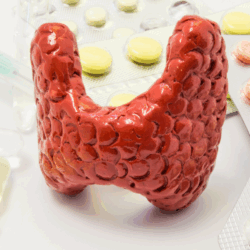
3. Thyroid function can drop subtly
Even “normal labs” can mask poor conversion of T4 to T3.
Low thyroid = slow digestion = more bloating.
4. Stress accumulates over decades
Your gut is often the first place that stress shows up physically.
5. Gut bacteria shift with age and hormones
Changes in estrogen shift your microbiome composition.
This can trigger sensitivities, IBS-like symptoms, and inflammation.
6. Low stomach acid becomes common
Not high.
Low.
Which leads to bloating, indigestion, burping, or heaviness after meals.
Everything you’re feeling has a reason.
And none of it means your gut is “broken.”
It means your gut is talking to you.
Signs Your Gut Is Out of Sync (Even If You’ve Normalized Them)
Gut imbalance can show up in dozens of ways that women often ignore:
Digestive symptoms
- Bloating after meals or at random
- Gas
- Constipation
- Loose stools
- Abdominal discomfort
- Reactions to foods you never reacted to before
Hormone symptoms
- Worse PMS
- Heavier periods
- Mood swings
- Hot flashes that intensify
- Estrogen dominance symptoms
Metabolic symptoms
- Weight gain around the stomach
- Fatigue after meals
- Cravings for sugar or carbs
- Afternoon crashes
Skin symptoms
- New acne
- Rashes
- Redness
- Dryness
Mind-body symptoms
- Brain fog
- Anxiety or irritability
- Trouble focusing
- Low resilience
When the gut shifts, your entire system shifts.
This is why ignoring gut symptoms always backfires.
What Women Get Wrong About Bloating
Most women think:
“I need to cut gluten.”
“I need to avoid dairy.”
“I need to try probiotics.”
“I need to eat cleaner.”
You tweak your diet.
You drink more water.
You take supplements.
But nothing changes.
Because the problem isn’t what you’re eating.
It’s what’s happening in your gut.
Bloating is almost always a symptom of something deeper:
- Bacterial imbalance
- Parasite infection
- Yeast or candida overgrowth
- Low digestive enzymes
- Low stomach acid
- Leaky gut
- Inflammation
- Poor fiber diversity
- Poor estrogen detoxification
- Thyroid or cortisol disruption
You cannot fix what you do not understand.
That’s why most women struggle for years, because they’re treating the wrong thing.
Why You Need Testing Instead of Guessing
The only way to know what is actually happening inside your gut is to test it.
Women need more than symptom guessing and food avoidance.
You need real data.
That is why at 1st Optimal, we use the GI-MAP® Gut Health Test, one of the most advanced functional gut tests available.
It analyzes your gut using DNA technology, revealing what your standard doctor’s labs can’t:
The GI-MAP® shows:
- Pathogenic bacteria
- Beneficial bacteria (and whether you have enough)
- Parasites
- Viruses
- Yeast and candida
- Digestion efficiency
- Detoxification problems
- Inflammation markers
- Immune activity
- Enzyme output
- Gut lining integrity
This test gives you the answers you’ve been searching for.
You can order it here:
GI-MAP® Test for Gut Health
https://shop.1stoptimal.com/products/gi-map%C2%AE-test-for-gut-health
Why the GI-MAP® With Zonulin Is Even Better for Bloating
If you struggle with:
- Bloating
- Food sensitivities
- Constipation
- “Puffy” inflammation
- Water retention
- Abdominal discomfort
- Brain fog after eating
You may have leaky gut, also called intestinal permeability.
The GI-MAP® with Zonulin can confirm it.
Zonulin measures how tight or loose your gut lining is.
High zonulin = leaky gut.
And that leads to inflammation, bloating, immune issues, and hormone disruption.
Order the advanced version here:
GI-MAP® with Zonulin
https://shop.1stoptimal.com/products/gi-map%C2%AE-zonulin
If bloating is one of your top symptoms, this is the best option.
Why Gut Issues Also Make Hormone Symptoms Worse
If you feel like your hormones are attacking you, your gut may be the trigger.
Your gut regulates:
- Estrogen metabolism
- Progesterone balance
- Cortisol stability
- Thyroid conversion
When your gut is off, your hormones become louder and more dramatic.
Estrogen dominance gets worse
When your gut doesn’t eliminate estrogen properly, it recirculates.
This causes:
- Bloating
- Heavy cycles
- Mood swings
- Weight gain
Progesterone deficiency symptoms intensify
Low progesterone means less calm, less stability, and more gut reactivity.
Thyroid slows down
Poor gut function = poor T4 to T3 conversion.
Which = slower metabolism, more bloating, more fatigue.
Cortisol overrides everything
High stress equals poor digestion.
Poor digestion equals more stress.
And the cycle continues.
Gut health and hormone health are two sides of the same coin.
Gut Health and Weight: Why You Gain Weight When Your Gut Struggles
Women are often shocked when they learn how much the gut impacts weight:
1. Gut bacteria affect fat storage
An imbalanced microbiome makes your body store more fat, especially around the stomach.
2. Inflammation slows metabolism
Inflamed guts signal your body to hold onto fat.
3. Poor digestion impacts nutrient absorption
Malabsorption = slower metabolic rate.
4. Estrogen recycling affects fat distribution
Improper detoxification leads to hormonal weight gain.
5. Constipation disrupts hormone clearance
This leads to bloating and stubborn fat.
Weight changes aren’t about discipline.
They’re about biology.
What You Can Do Right Now To Help Your Gut
You don’t have to overhaul your whole life.
Start with these simple steps:
1. Prioritize morning hydration
Warm water or electrolytes stimulate early gut motility.
2. Add fiber variety
Eat different fibers to feed different gut bacteria.
3. Eat slowly and chew more
Your digestion starts in your mouth.
4. Reduce artificial sweeteners
They disrupt microbiome balance.
5. Move after meals
A short walk helps reduce bloating and stabilize blood sugar.
6. Manage stress intentionally
Breathwork, sunlight, journaling, or meditation support cortisol balance.
But remember:
These help symptoms.
Testing fixes the root cause.
When You Should Absolutely Seek Help
You should seek help if your gut symptoms:
- Happen more than twice a week
- Disrupt your daily comfort
- Make eating stressful
- Cause visible bloating
- Affect your sleep or mood
- Impact your confidence
- Create unpredictable bowel patterns
Your body is communicating.
You deserve to understand what it’s saying.
Your Next Step Toward Gut Healing Starts With Data
You deserve answers about your gut, your bloating, your digestion, and your symptoms.
Order a Gut Test
To understand what is REALLY going on.
GI-MAP® Test for Gut Health
https://shop.1stoptimal.com/products/gi-map%C2%AE-test-for-gut-health
GI-MAP® with Zonulin (best for bloating and leaky gut)
https://shop.1stoptimal.com/products/gi-map%C2%AE-zonulin
Or Book a Free Health Consult
If you want help choosing the right test or need guidance on symptoms:
https://1stoptimal.com/book-a-call/
Final Thoughts: You Are Not Alone and You Are Not Broken
I want you to hear this clearly.
Your body is not betraying you.
Your gut is not “too sensitive.”
You are not overreacting or imagining things.
You are not supposed to feel bloated or uncomfortable every day.
Your gut is communicating.
It’s asking for attention, for testing, for care, and for support.
And at 1st Optimal, this is what we do every single day.
We help women understand their bodies, not judge them.
We give them answers, not confusion.
We give them clarity, not dismissal.
We give them data, not assumptions.
You are not meant to live your life feeling inflamed, uncomfortable, or unsure.
You are meant to feel aligned, energized, stable, and confident in your own body.
Let us help you get there.
Ready to start?
Choose your path:
Test your gut
GI-MAP® Test: https://shop.1stoptimal.com/products/gi-map%C2%AE-test-for-gut-health
GI-MAP® with Zonulin: https://shop.1stoptimal.com/products/gi-map%C2%AE-zonulin
Or book a free consult
https://1stoptimal.com/book-a-call/
You deserve answers.
You deserve relief.
You deserve support.
You deserve to feel like yourself again.