
A Podcast Overview by Joe Miller
Why Ultra-Processed Foods Are Dominating Health Headlines
Over the past several years, nutrition headlines have increasingly focused on one phrase:
Ultra-processed foods.
Articles often warn that these foods are driving rising rates of:
- obesity
- metabolic disease
- diabetes
- cardiovascular disease
Some headlines go even further, suggesting that ultra-processed foods are responsible for a major portion of chronic disease in modern society.
At the same time, the topic remains controversial.
Researchers continue to debate questions such as:
- What exactly counts as ultra-processed food?
- Are processing methods themselves harmful?
- Or are the effects primarily due to calorie density and nutrient composition?
In a recent podcast discussion, a nutrition researcher explored these questions and discussed the science behind ultra-processed foods.
The conversation examined:
- how ultra-processed foods are defined
- why they may influence overeating
- how food environments affect eating behavior
- whether the health risks come from processing itself or from other factors
This article summarizes the claims presented during the conversation.
The goal is simply to explain the ideas discussed.
It does not attempt to validate or reject them.
Claim 1: Ultra-Processed Foods Are Often Blamed for Rising Obesity
One of the first points discussed in the episode involves the way ultra-processed foods are portrayed in public health messaging.
Media headlines frequently suggest that these foods are a major driver of modern health problems.
For example, the guest referenced the kinds of alarming statements often seen in news coverage:
Headlines often say ultra-processed food is going to kill us.
These statements have contributed to widespread concern about processed food consumption.
However, the podcast discussion suggested that the topic is more complicated than headlines imply.
Claim 2: The Definition of Ultra-Processed Food Is Not Always Clear
A central theme of the conversation is that defining ultra-processed foods can be difficult.
Researchers often rely on a classification system known as NOVA.
The NOVA framework categorizes foods into four groups:
- Unprocessed or minimally processed foods
- Processed culinary ingredients
- Processed foods
- Ultra-processed foods
Ultra-processed foods typically include products that contain multiple industrial ingredients, additives, or processing methods.
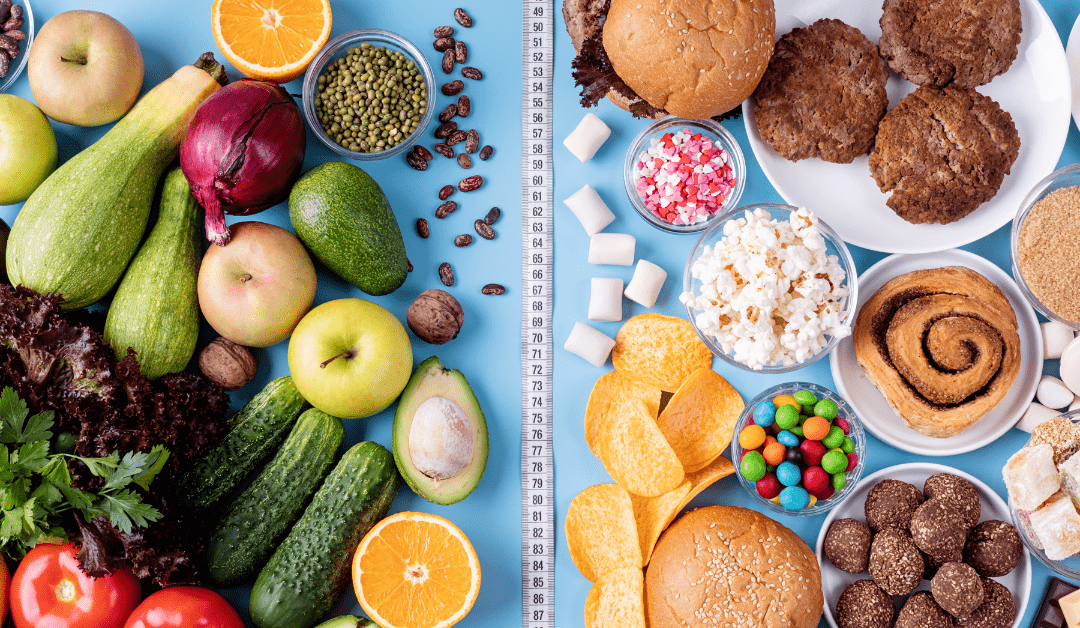
Examples sometimes include:
- packaged snacks
- sugary beverages
- frozen ready meals
- processed meats
However, the discussion emphasized that classification can sometimes be inconsistent.
For example, some foods considered ultra-processed may still contain beneficial nutrients.
Claim 3: Ultra-Processed Foods May Encourage Overeating
One of the key scientific arguments discussed in the episode involves how ultra-processed foods influence appetite.
Some studies suggest that ultra-processed foods may promote higher calorie intake compared to less processed alternatives.
Possible explanations discussed during the conversation include:
- high palatability
- rapid digestion
- lower satiety signals
- higher calorie density
These characteristics may make it easier for individuals to consume more calories before feeling full.
The guest explained that many ultra-processed foods are designed to be highly rewarding to the brain.
This can increase the likelihood of continued eating.
Claim 4: Food Environment Plays a Major Role
Another topic explored in the podcast is the modern food environment.
Ultra-processed foods are often:
- inexpensive
- widely available
- heavily marketed
- convenient
These characteristics may increase consumption.
According to the discussion, accessibility and convenience can strongly influence eating behavior.
For example, individuals may be more likely to choose foods that require minimal preparation when they are busy or stressed.
The podcast suggested that environmental factors may be just as important as the nutritional composition of the food itself.
Claim 5: Not All Processing Is Harmful
Another important point raised in the discussion is that food processing is not inherently negative.
Processing has historically played an important role in food safety and preservation.
Examples include:
- pasteurization of milk
- freezing vegetables
- fermenting foods
- drying grains
These methods allow foods to be stored safely and transported over long distances.
The conversation emphasized that the health impact of a food often depends more on its nutrient profile than on whether it has been processed.
Claim 6: Nutritional Context Matters More Than Single Foods
Another argument discussed in the episode is that overall diet patterns may be more important than individual food items.
Health outcomes often depend on long-term eating patterns.
These patterns may include:
- total calorie intake
- fiber consumption
- protein intake
- micronutrient density
- overall diet quality
The podcast discussion suggested that focusing on single foods may oversimplify complex nutritional issues.
Claim 7: Media Coverage Can Oversimplify Nutrition Science
The podcast also explored how nutrition science is often communicated to the public.
Scientific studies frequently involve:
- limited sample sizes
- controlled laboratory conditions
- complex statistical analysis
However, media headlines often reduce these findings to simple conclusions.
For example:
- “Processed foods cause disease”
- “Eat this food to lose weight”
- “Avoid this ingredient at all costs”
The conversation suggested that this simplification can sometimes create confusion.
Key Themes From the Podcast Discussion
Several major themes emerged during the conversation.
These include:
- ultra-processed foods are frequently blamed for modern health problems
- defining ultra-processed foods can be complex
- some ultra-processed foods may encourage overeating
- modern food environments influence eating behavior
- not all food processing methods are harmful
- diet patterns matter more than individual foods
The discussion framed ultra-processed foods as one factor among many influencing modern dietary patterns.
Frequently Asked Questions:
What are ultra-processed foods?
Ultra-processed foods are industrially formulated products that often contain additives, refined ingredients, and multiple processing steps.
Are all processed foods unhealthy?
No. Many processed foods, such as frozen vegetables or pasteurized milk, play an important role in food safety and nutrition.
Why might ultra-processed foods promote overeating?
Some research suggests that ultra-processed foods may be more palatable and calorie dense, which can increase total calorie intake.
Do ultra-processed foods cause disease?
Research on this topic is ongoing. Many factors influence long-term health outcomes.
Final Thoughts
The conversation summarized in this article explored one of the most debated topics in modern nutrition.
Ultra-processed foods and their role in human health.
The podcast discussion presented several ideas about how these foods may influence:
- appetite
- calorie intake
- dietary habits
- metabolic health
At the same time, the conversation emphasized that nutrition science is complex.
Many variables influence health outcomes, including:
- overall diet patterns
- lifestyle factors
- physical activity
- socioeconomic environments
This article summarized the claims presented in the podcast discussion.
It did not attempt to confirm or reject those claims.
Instead, it explained the ideas discussed so readers can examine them for themselves.
Which leaves the final question.
What do you think?