

Hair loss and thinning are common concerns that affect millions of people, both men and women. Whether you’re just starting to notice shedding, or have been struggling with hair thinning for years, finding the right treatment and understanding the causes can feel overwhelming. From genetic factors to hormonal imbalances, diet, stress, and even medical conditions, there are many potential causes behind hair loss. Fortunately, there are also a wide range of treatments available, including over-the-counter solutions, natural remedies, and professional procedures like hair transplants.
In this blog post, we’ve compiled answers to the top 50 most frequently asked questions about hair loss, growth, thinning, and treatment options. Whether you’re looking for information on how to stimulate hair growth naturally, the best treatments for thinning hair, or how to address conditions like alopecia areata, this guide has you covered. Our goal is to provide you with the information you need to make informed decisions about your hair health.
1. Why is my hair falling out?
Hair loss can result from hormonal imbalances, stress, nutritional deficiencies, or medical conditions.
2. How can I grow my hair faster?
Maintain a balanced diet, avoid excessive heat styling, and use products with biotin and keratin.
3. What are the causes of hair thinning?
Genetics, hormonal changes, stress, and poor nutrition are common contributors.
4. Is hair loss genetic?
Yes, hereditary factors play a significant role in hair loss patterns.
5. Can stress cause hair loss?
Yes, high stress levels can lead to telogen effluvium, a temporary hair shedding condition.
6. What is the best treatment for hair loss?
Minoxidil and finasteride are FDA-approved treatments; however, effectiveness varies.
7. How often should I wash my hair?
Generally, 2–3 times a week is sufficient, but it depends on your hair type and lifestyle.
8. Does diet affect hair growth?
Yes, a diet rich in vitamins and minerals supports healthy hair growth.
9. What vitamins are good for hair growth?
Biotin, vitamin D, iron, and omega-3 fatty acids are beneficial for hair health.
10. Can hair loss be reversed?
In many cases, early treatment can slow or reverse hair loss.
11. What is alopecia areata?
An autoimmune condition causing patchy hair loss on the scalp and other areas.
12. Is hair transplant surgery effective?
Yes, it can provide permanent solutions for certain types of hair loss.
13. What are the side effects of minoxidil?
Possible side effects include scalp irritation and unwanted facial hair growth.
14. How does finasteride work?
It reduces DHT levels, a hormone linked to hair loss.
15. Can pregnancy cause hair loss?
Hormonal changes during and after pregnancy can lead to temporary hair shedding.
16. What is telogen effluvium?
A condition where stress or shock causes hair follicles to prematurely enter the shedding phase.
17. Are there natural remedies for hair loss?
Scalp massages, essential oils like rosemary, and a healthy diet may help.
18. Can hair loss be a sign of a health problem?
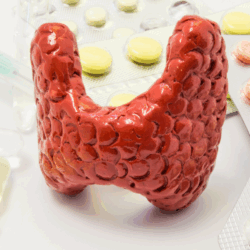
Yes, conditions like thyroid disorders and anemia can cause hair loss.
19. What is female pattern baldness?
A hereditary condition causing diffuse hair thinning in women.
20. How can I prevent hair loss?
Avoid tight hairstyles, reduce stress, and maintain a healthy lifestyle.
21. Does wearing hats cause hair loss?
No, wearing hats does not directly cause hair loss.
22. Can medications cause hair loss?
Certain medications, like chemotherapy drugs, can lead to hair loss.
23. What is male pattern baldness?
A hereditary condition in men characterized by a receding hairline and thinning crown.
24. How can I thicken my hair naturally?
Use volumizing shampoos, avoid excessive heat, and eat a nutrient-rich diet.
25. What is the best shampoo for hair loss?
Shampoos containing biotin, ketoconazole, or saw palmetto may help.
26. Does biotin help hair growth?
Biotin supports keratin production, essential for hair health.
27. Can hair loss be a sign of aging?
Yes, hair naturally thins with age due to hormonal changes.
28. What is androgenetic alopecia?
A genetic condition causing progressive hair thinning in both men and women.
29. Can hair loss be caused by a poor diet?
Yes, deficiencies in iron, zinc, and vitamins can lead to hair loss.
30. How can I stimulate hair growth?
Regular scalp massages, proper nutrition, and avoiding harsh treatments can promote growth.
31. What is the role of DHT in hair loss?
DHT shrinks hair follicles, leading to hair thinning and loss.
32. Are there over-the-counter treatments for hair loss?
Minoxidil is a common over-the-counter treatment for hair loss.
33. Can hair loss be a sign of menopause?
Hormonal changes during menopause can lead to hair thinning in women.
34. What is a hair growth serum?
Topical treatments designed to stimulate hair follicles and promote growth.
35. How effective are hair growth serums?
Effectiveness varies; look for serums with proven ingredients like minoxidil.
36. Can hair loss be caused by thyroid problems?
Yes, both hypothyroidism and hyperthyroidism can lead to hair loss.
37. What is the hair growth cycle?
Hair grows in three phases: anagen (growth), catagen (transition), and telogen (rest).
38. How can I improve scalp health?
Regular cleansing, avoiding harsh chemicals, and using scalp treatments can help.
39. Can hair loss be a sign of anemia?
Iron deficiency anemia can lead to hair shedding.
40. What is PRP therapy for hair loss?
Platelet-rich plasma therapy involves injecting your own platelets into the scalp to stimulate growth.
41. How long does it take to see results from hair treatments?
Results can take 3–6 months, depending on the treatment and individual factors.
42. Can hair loss be a sign of diabetes?
Uncontrolled diabetes can lead to hair thinning due to poor circulation.
43. What is microneedling for hair loss?
A treatment involving tiny needles to stimulate hair follicles and improve product absorption.
44. How can I reduce hair shedding?
Avoid tight hairstyles, manage stress, and maintain a healthy diet.
45. Can hair loss be caused by vitamin D deficiency?
Yes, low vitamin D levels can contribute to hair shedding.
46. What is the best diet for healthy hair?
A balanced diet rich in proteins, vitamins, and minerals supports hair health.
47. Can hair loss be caused by dehydration?
Yes, dehydration can affect hair health and lead to shedding.
48. What is the role of iron in hair health?
Iron is essential for oxygenating hair follicles, promoting growth.
49. Can hair loss be caused by high blood pressure?
Certain medications for high blood pressure can lead to hair thinning.
50. What is the best way to prevent hair loss?
Maintain a healthy lifestyle, manage stress, and use gentle hair care products.
No one should have to face hair loss without understanding the options available to them. From understanding the root causes of hair thinning to exploring the most effective treatments, there are steps you can take to address and manage hair loss. Whether it’s through dietary changes, topical treatments, or medical interventions like hair transplants, there are solutions tailored to your specific needs. By staying informed and exploring all your options, you can take proactive steps to promote hair growth and restore confidence in your appearance.
Remember, the key to managing hair loss is to take action early and seek professional advice when necessary. If you’re struggling with hair loss or thinning, don’t hesitate to reach out to experts who can guide you through the process and help you achieve healthier, fuller hair.
Book your free health consult here: https://1stoptimal.com/book/