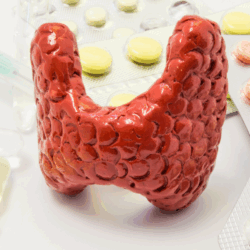

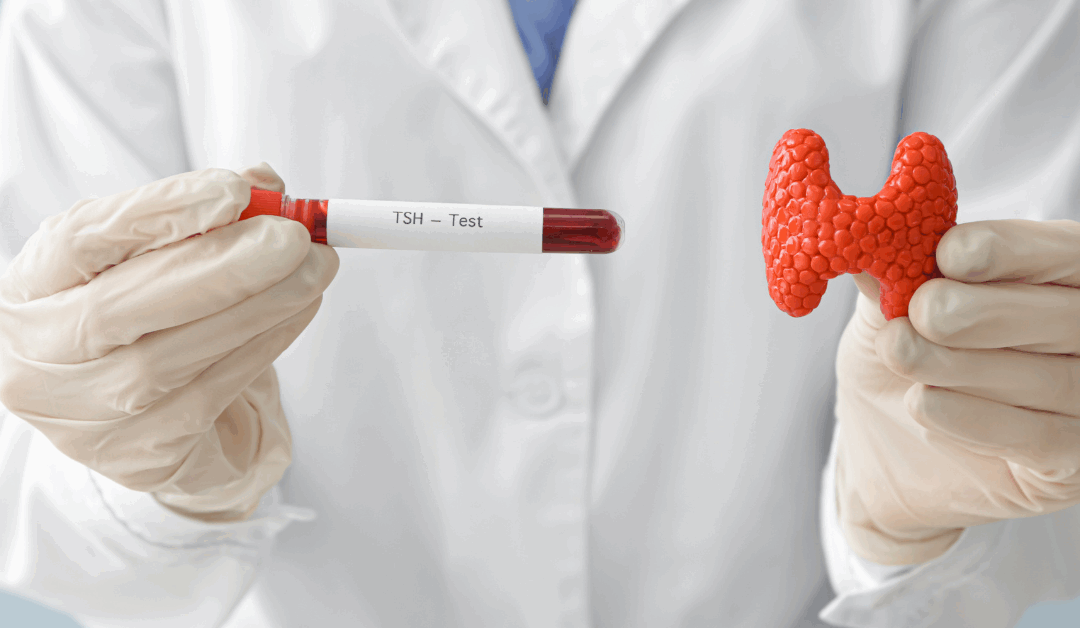
Think of your thyroid as the CEO of your body’s energy production. This small gland sends out directives that control your metabolism, cognitive speed, body temperature, and even your mood. When it’s functioning correctly, your entire system runs efficiently. But when its signals are off—due to stress, nutrient gaps, or autoimmune issues—every department feels the impact. You experience it as burnout, brain fog, and a stalled metabolism. Understanding the intricate system of thyroid health hormones is the first step to taking back control. This article will show you how to assess your thyroid’s performance and give it the support it needs to lead effectively.
Is Your Thyroid the Missing Piece to Your Health Puzzle?
Despite regular workouts, clean eating, and taking supplements, many high-functioning adults still suffer from low energy, brain fog, slow metabolism, and stubborn fat. What’s the common thread? Undiagnosed or subclinical thyroid dysfunction.
The thyroid is a small but powerful gland that controls the speed of your metabolism, energy output, cognition, digestion, and hormonal balance. But traditional lab panels often only test TSH (thyroid-stimulating hormone), ignoring deeper dysfunction in how your body is producing and converting thyroid hormones.
At 1st Optimal, we go beyond surface-level testing. We help clients uncover hidden thyroid imbalances using advanced labs, functional hormone evaluation, nutrient testing, and gut health panels. In this guide, we’ll break down everything you need to know about thyroid health, including:
- What your thyroid does
- Which blood markers matter most
- Early signs of dysfunction most doctors miss
- What causes thyroid imbalances
- How to optimize your thyroid naturally and medically
What Does Your Thyroid Do (And Why You Should Care)
The thyroid gland sits in the front of your neck, just below the Adam’s apple. It secretes hormones that regulate nearly every metabolic function in your body from how fast you burn calories to how quickly your brain fires.
Thyroid hormones include:
- T4 (thyroxine) – the main hormone produced by the thyroid gland; inactive until converted
- T3 (triiodothyronine) – the active hormone that directly stimulates metabolism
- Reverse T3 – a metabolically inactive hormone that blocks the action of T3
Your brain’s hypothalamus and pituitary work with the thyroid to maintain balance through a feedback loop, primarily via thyroid-stimulating hormone (TSH).
The problem? Most traditional labs only test TSH. But thyroid dysfunction often occurs long before TSH is abnormal especially in women, high-stress professionals, and those with inflammation or autoimmune issues.
The Key Thyroid Hormones: T3, T4, and Calcitonin
To understand your thyroid, you need to know its key players. The gland produces several hormones, but three stand out: Thyroxine (T4), Triiodothyronine (T3), and Calcitonin. T4 is the primary hormone your thyroid makes; think of it as the storage form. It circulates in your bloodstream waiting to be activated. T3 is the active, powerhouse hormone. Your body converts T4 into T3 in tissues like the liver and gut, and T3 is what actually enters your cells to fire up your metabolism, sharpen your thinking, and produce energy. There’s also Reverse T3 (rT3), an inactive form that can block T3 from doing its job, often increasing during times of high stress. Lastly, Calcitonin helps regulate calcium and phosphate levels in your blood, which is vital for bone health.
Understanding the T4 to T3 Ratio
Your thyroid gland releases about 80% T4 and only 20% T3 directly. Because T4 is mostly inactive, your body must efficiently convert it into T3 for your cells to get the energy they need. This conversion process is a critical step that’s often overlooked in standard lab work. You can have perfectly normal T4 levels, but if your body isn’t making the switch to active T3, you’ll still experience symptoms like fatigue, weight gain, and brain fog. Factors like stress, nutrient deficiencies, and inflammation can all disrupt this delicate process. This is why a comprehensive panel that looks beyond just TSH and T4 is essential to see the full picture of your thyroid health.
The Brain-Thyroid Connection: How Hormones Are Regulated
Your thyroid doesn’t operate in a vacuum. It’s part of a sophisticated communication network directed by your brain, specifically the hypothalamus and pituitary gland. This system, known as the Hypothalamus-Pituitary-Thyroid (HPT) axis, functions like a thermostat for your body’s metabolism. The brain constantly monitors the level of thyroid hormones in your blood and sends signals to the thyroid, telling it to either ramp up or slow down production to maintain a precise balance. This ensures all the systems that depend on thyroid hormones—from your heart to your brain—run smoothly. When this communication breaks down, your entire body can feel the effects.
The Hypothalamus-Pituitary-Thyroid (HPT) Axis
Let’s break down how the signals work. It all starts in the hypothalamus, which releases Thyrotropin-Releasing Hormone (TRH). TRH travels a short distance to the pituitary gland and tells it to release Thyroid-Stimulating Hormone (TSH). TSH then travels through your bloodstream to the thyroid gland, delivering the message to produce and release T4 and T3. This is the TSH marker that most doctors test because it reflects what the brain is telling the thyroid to do. If TSH is high, it means the brain is yelling at the thyroid to make more hormones, suggesting an underactive thyroid. If it’s low, the brain is whispering, indicating the thyroid might be overactive.
The Feedback Loop Explained
The HPT axis is a classic feedback loop designed for self-regulation. Once the thyroid releases T4 and T3 into the bloodstream, the hypothalamus and pituitary can sense their levels. If the levels are high enough, they stop sending out TRH and TSH, which tells the thyroid to take a break. If the levels drop too low, the brain senses this and sends out more TRH and TSH to kickstart production again. This elegant system is designed to keep you in balance. However, chronic stress, poor diet, and environmental toxins can interfere with these signals, disrupting the loop and leading to thyroid dysfunction even when no single part of the axis is “broken.”
Beyond Metabolism: Other Critical Thyroid Functions
While the thyroid is famous for managing metabolism and weight, its influence extends to nearly every cell in your body. Think of thyroid hormones as the essential managers that ensure different departments are working at the right pace. They regulate your heart rate, control body temperature, and influence how quickly food moves through your digestive tract. They are also fundamental for muscle control, maintaining healthy skin and bones by helping replace old cells, and even impact your mood. When your thyroid is optimized, you don’t just have a healthy metabolism; you feel sharp, strong, and resilient from head to toe. This broad impact is why thyroid issues can cause such a wide and seemingly unrelated array of symptoms.
Brain Development and Cognitive Function
If you’re struggling with brain fog, low motivation, or a general lack of mental sharpness, your thyroid could be a factor. Thyroid hormones are critical for cognitive function throughout life. They play a key role in brain development during infancy and continue to support neurotransmitter function, memory, and concentration in adulthood. An underactive thyroid can slow down your brain’s processing speed, leading to that frustrating feeling of walking through mental molasses. On the flip side, an overactive thyroid can contribute to anxiety and an inability to focus. For high-performing professionals who rely on mental clarity, ensuring your thyroid is functioning optimally is non-negotiable.
Muscle Control and Bone Health
Your physical performance and long-term structural health are also tied to your thyroid. These hormones are essential for muscle control, helping your muscles contract and relax properly. Imbalances can lead to weakness, aches, and cramps. Furthermore, the thyroid is a key player in bone health. It helps regulate the continuous process of bone remodeling, where old bone is broken down and replaced with new, strong bone. When thyroid levels are off, this process can become unbalanced, potentially leading to decreased bone density over time. Maintaining proper thyroid function is a crucial part of a comprehensive strategy for staying active, strong, and resilient as you age.
Thyroid Conditions by the Numbers
If you feel like your health is off but can’t pinpoint why, you’re not alone. An estimated 20 million people in the United States have some form of thyroid condition, and what’s more, many don’t even know it. The statistics are particularly striking for women, who are five to eight times more likely than men to experience thyroid problems. For high-performing women juggling careers and family, it’s easy to dismiss symptoms like fatigue or brain fog as simple burnout. But these numbers show there’s often a physiological reason behind the struggle. Understanding this prevalence is the first step toward recognizing that your symptoms aren’t just ‘in your head’—they could be pointing to a real, treatable imbalance.
The most common thyroid issues are hypothyroidism (an underactive thyroid) and hyperthyroidism (an overactive thyroid). Each one creates a very different set of challenges. With hypothyroidism, your body’s systems slow down, leading to persistent fatigue, weight gain, constipation, and feeling cold all the time. On the flip side, hyperthyroidism speeds everything up, causing weight loss, heat intolerance, anxiety, and muscle weakness. These symptoms can directly impact your energy, focus, and physical performance, making it tough to stay on top of your game. Because these signs can overlap with other conditions like stress or hormonal changes, they are frequently misdiagnosed without proper, in-depth testing.
Decoding Your Thyroid Blood Work: Key Markers to Know
To accurately assess thyroid health, we look beyond TSH to include Free T3, Free T4, Reverse T3, and thyroid antibodies. Here’s a breakdown:
TSH: Thyroid-Stimulating Hormone
- Produced by the pituitary gland to signal the thyroid to release hormones
- Conventional range: 0.4–4.5 µIU/mL
- Functional optimal range: 0.5–2.0 µIU/mL
- High TSH usually indicates hypothyroidism, while low TSH may indicate hyperthyroidism or central dysfunction
Free T4: The Storage Hormone
- The storage form of thyroid hormone
- Reflects how much hormone the thyroid gland is producing
- Must be converted into Free T3 to be active
- Low Free T4 may point to poor gland output
Free T3: The Active Hormone
- The active thyroid hormone
- Binds to receptors and stimulates metabolic processes
- Low Free T3 can lead to fatigue, weight gain, depression, cold intolerance — even if TSH is normal
- This is often the first marker to fall in thyroid dysfunction
Reverse T3: The “Brakes” on Your Metabolism
- A biologically inactive form of T3
- Produced in times of stress, inflammation, calorie restriction, or illness
- Competes with Free T3 at receptor sites
- High Reverse T3 can block metabolism, worsen fatigue, and cause weight loss resistance
Thyroid Antibodies: TPO and TG Explained
- Thyroid peroxidase antibodies (TPOAb) and thyroglobulin antibodies (TGAb) indicate autoimmune thyroid disease
- Elevated in Hashimoto’s thyroiditis and Graves’ disease
- Can appear years before TSH becomes abnormal
- Common in women, especially postpartum or during perimenopause
Other Labs That Impact Thyroid Health
- Total T3 and Total T4 – include bound hormone, less useful than free values
- TSI (thyroid-stimulating immunoglobulin) – seen in Graves’ disease
- Thyroid-binding globulin (TBG) – affected by estrogen and liver function
Could It Be Your Thyroid? Signs of an Imbalance
Many symptoms of thyroid dysfunction overlap with stress, aging, or other hormone imbalances. That’s why comprehensive testing is critical.
Signs of an Underactive Thyroid (Hypothyroidism)
- Fatigue, especially in the morning
- Unexplained weight gain
- Constipation
- Brain fog and memory issues
- Hair thinning or loss
- Cold hands and feet
- Depression or low motivation
- Menstrual irregularities or infertility
- Dry skin
- Slow heart rate
Signs of an Overactive Thyroid (Hyperthyroidism)
- Anxiety or irritability
- Rapid heartbeat or palpitations
- Weight loss despite eating well
- Heat intolerance
- Diarrhea
- Insomnia
- Tremors
- Irregular menstrual cycles
Many high-functioning individuals experience subclinical hypothyroidism, where symptoms exist but labs are “normal.” At 1st Optimal, we define optimal, not just average.
Other Common Thyroid Conditions
Beyond the more widely known underactive (hypo) and overactive (hyper) patterns, several other conditions can affect the thyroid gland. These issues can sometimes exist on their own or contribute to broader hormonal imbalances that leave you feeling off your game. Recognizing them is often the first step toward getting an accurate diagnosis and a treatment plan that addresses the root cause, not just the symptoms. For high-performers who can’t afford to ignore subtle shifts in their health, understanding these conditions is key to staying ahead. Here are a few of the most common ones to be aware of.
Goiter
A goiter is simply an enlargement of the thyroid gland. While it might sound alarming, it’s relatively common and often painless. You might notice a visible swelling at the base of your neck, feel a sense of tightness in your throat, or find your voice becoming hoarse. A goiter itself doesn’t automatically mean your thyroid is malfunctioning—it can occur with hypothyroidism, hyperthyroidism, or even normal thyroid function. The most common cause worldwide is iodine deficiency, but in countries where salt is iodized, it’s often linked to autoimmune conditions like Hashimoto’s or the development of nodules within the gland.
Thyroiditis
Thyroiditis literally means “inflammation of the thyroid.” This inflammation can cause the gland to release too many hormones at once, leading to a temporary state of hyperthyroidism, which is often followed by a period where it can’t produce enough, resulting in hypothyroidism. Hashimoto’s disease is the most common cause of both thyroiditis and hypothyroidism in the United States. This autoimmune condition causes the body’s immune system to mistakenly attack the thyroid gland. Other causes can include viral infections or even pregnancy (a condition known as postpartum thyroiditis). The key is identifying the root cause of the inflammation to manage the condition effectively.
Thyroid Nodules
Thyroid nodules are solid or fluid-filled lumps that form within the thyroid gland. They are incredibly common, especially as we age, and the vast majority—over 90%—are benign (non-cancerous). Most people don’t even know they have them until they’re discovered during a routine physical exam or an imaging test done for another reason. In some cases, a nodule can grow large enough to be felt or seen, or it might produce excess thyroid hormone, leading to symptoms of hyperthyroidism. While most are harmless, it’s important to have any detected nodules evaluated by a doctor to rule out the small risk of cancer.
Thyroid Cancer
While the word “cancer” is always serious, the good news is that most types of thyroid cancer are highly treatable and have excellent survival rates, especially when detected early. It occurs when cells in the thyroid gland begin to grow out of control. The most common sign is a lump or nodule in the neck, though it can also cause voice changes, difficulty swallowing, or swollen lymph nodes. Regular neck checks and discussing any new lumps with your doctor are important preventative steps. If you are diagnosed, treatment often involves surgery to remove the thyroid, sometimes followed by other therapies.
Can You Live Without a Thyroid?
The short answer is yes, you can absolutely live a full and healthy life without a thyroid gland. People may have their thyroid surgically removed (a procedure called a thyroidectomy) to treat conditions like thyroid cancer, a large goiter that obstructs breathing, or severe hyperthyroidism that doesn’t respond to other treatments. Once the gland is removed, your body can no longer produce its own thyroid hormones. To compensate for this, you will need to take a daily hormone replacement medication for the rest of your life. This medication, usually a synthetic hormone called levothyroxine, provides the T4 your body needs to function properly.
The key to thriving without a thyroid is maintaining the correct dosage of medication. This requires a close partnership with your healthcare provider to regularly monitor your hormone levels and adjust your dose as needed. Factors like weight changes, pregnancy, and other medications can influence your requirements. With consistent management and the right medical guidance, your body won’t know the difference, allowing you to maintain your energy, metabolism, and overall well-being. This is where a data-driven approach becomes essential to ensure you’re not just surviving, but truly optimized for performance in every area of your life.
Why High-Achievers Often Face Thyroid Imbalances
Thyroid health isn’t just about the thyroid — it’s influenced by your entire internal environment.
Are You at Risk? Key Factors for Thyroid Problems
While chronic stress and nutrient gaps can certainly disrupt thyroid function, some risk factors are simply part of your unique biology. Understanding your personal predispositions is the first step toward a proactive health strategy. If you fall into any of the categories below, it doesn’t mean problems are inevitable, but it does mean that paying closer attention to your thyroid health is non-negotiable for maintaining peak performance and vitality. It’s about being informed so you can stay ahead of potential issues before they start impacting your life.
Family History and Autoimmunity
Your genes play a significant role in thyroid health. If a close relative—like a parent or sibling—has a thyroid condition, your own risk increases. This is especially true for autoimmune thyroid diseases like Hashimoto’s or Graves’ disease. In these conditions, the immune system mistakenly attacks the thyroid gland. Specialized testing can detect thyroid peroxidase (TPOAb) and thyroglobulin (TGAb) antibodies, which are key markers of this autoimmune process. These antibodies can be present for years before your TSH levels ever look abnormal on a standard lab report, offering a critical window for early intervention.
Age and Gender
Thyroid issues can affect anyone, but women are five to eight times more likely than men to develop a thyroid condition. This risk is particularly high during periods of major hormonal shifts, such as the months following childbirth or during the transition to menopause. These life stages place immense demands on the body, and the thyroid often feels the strain first. As we age, the general risk for thyroid dysfunction also increases for everyone. For high-performing women juggling careers and family, being aware of this heightened vulnerability is crucial for protecting long-term energy and metabolic health.
Identifying Your Thyroid Triggers
- Chronic stress and high cortisol
- Autoimmune conditions (especially Hashimoto’s)
- Leaky gut and dysbiosis
- Micronutrient deficiencies (iodine, selenium, zinc, iron)
- Inflammation and oxidative stress
- Blood sugar dysregulation and insulin resistance
- Toxin exposure (fluoride, mercury, pesticides, BPA)
- Hormonal imbalances (low progesterone, estrogen dominance, low testosterone)
- Chronic calorie restriction or low-carb diets
- Postpartum thyroiditis or hormonal shifts during perimenopause
Addressing the root cause not just prescribing thyroid medication is essential for long-term success.
Functional vs. Standard Labs: Getting the Full Picture of Your Thyroid Health
What Conventional Thyroid Testing Includes
- TSH only
- May miss conversion issues or autoimmunity
- Uses broad “normal” reference ranges
- Ignores nutrient and hormone interplays
Understanding Standard Lab Ranges
One of the most common frustrations I hear from clients is, “My doctor said my labs are normal, but I still feel terrible.” This disconnect happens because standard lab ranges are incredibly broad. They are designed to catch obvious disease, not subtle dysfunction, and are based on averages from a general population that includes both healthy and chronically ill people. Take TSH, for example. The conventional range is 0.4–4.5 µIU/mL, but a functional optimal range is much narrower, at 0.5–2.0 µIU/mL. You could have a TSH of 4.2 and be told everything is fine, yet a functional medicine perspective sees this as a clear sign your thyroid is working too hard. This gap between “normal” and “optimal” is precisely where symptoms like fatigue, brain fog, and weight gain take root, often because other key markers like Free T3 are low even when TSH is technically “in range.”
The Comprehensive Approach: Functional Testing
- TSH + Free T3 + Free T4 + Reverse T3
- TPO and TG antibodies
- Iron, ferritin, zinc, selenium, iodine
- Estrogen, progesterone, testosterone, DHEA, cortisol
- Gut testing (GI-MAP) to assess microbial and inflammatory triggers
- Peptide therapy eligibility
- Advanced micronutrient panels
This holistic lens is how we identify dysfunction years before a diagnosis is made.
Feed Your Thyroid: Key Nutrients for Optimal Function
Several key nutrients play a vital role in thyroid hormone production and conversion.
- Iodine – building block for T3 and T4
- Selenium – required to convert T4 into T3 and reduce autoimmunity
- Zinc – supports hormone production and immune balance
- Iron/Ferritin – essential for T4 to T3 conversion; low ferritin common in women
- Vitamin D – modulates autoimmunity
- Tyrosine – amino acid precursor to thyroid hormones
- Magnesium – supports energy and enzyme function
- B vitamins – crucial for energy, hormone metabolism, and methylation
We test and supplement these based on your unique needs.
How to Naturally Support Your Thyroid Health
Improving thyroid health often doesn’t require medication. Here are powerful strategies:
Nourish Your Thyroid Through Diet
- Eat selenium-rich foods (Brazil nuts, sardines, eggs)
- Prioritize protein and omega-3s
- Ensure adequate iron intake (grass-fed beef, lentils)
- Consider gluten elimination in Hashimoto’s
- Limit goitrogens (raw cruciferous veggies) in excess
Heal Your Gut to Help Your Thyroid
- Repair gut lining with L-glutamine, zinc carnosine, and bone broth
- Use probiotics or test microbiome with GI-MAP
- Treat H. pylori, Candida, or SIBO if present
Balance Your Hormones for Better Thyroid Function
- Balance estrogen and progesterone, especially in perimenopause
- Use BHRT if indicated
- Support cortisol rhythm with stress management or adaptogens
Optimize Your Lifestyle to Reduce Stress
- Get 7–8 hours of sleep per night
- Manage stress through breathwork, walks, and digital detox
- Use red light therapy and cold exposure for inflammation control
- Avoid overtraining and chronic calorie restriction
The Gut-Stress-Hormone Connection to Your Thyroid
The thyroid doesn’t exist in a vacuum. It’s part of the HPA–thyroid–gonadal axis, meaning it’s influenced by:
- Adrenal stress (cortisol) – High cortisol blocks T4 to T3 conversion
- Sex hormones – Estrogen dominance increases thyroid-binding globulin, reducing Free T3
- Insulin resistance – Slows thyroid hormone activation and raises inflammation
- Leaky gut – Allows immune triggers to stimulate thyroid autoimmunity
- Toxin load – Fluoride and BPA interfere with iodine uptake and hormone production
This is why at 1st Optimal, every thyroid consult includes a full review of stress levels, HRT history, gut symptoms, and diet.
A Real-Life Thyroid Transformation: A Case Study
Client: Laura, 46, executive, working mom
Symptoms:
- Fatigue
- Cold hands and feet
- Brain fog
- 15 lbs weight gain over 18 months
- Depression and low libido
Conventional doctor told her labs were “normal” (TSH = 3.2). At 1st Optimal, we tested:
- Free T3 = low
- Reverse T3 = high
- Ferritin = 18
- TPO antibodies = elevated
Plan:
- Gluten elimination
- Iron and selenium support
- Low-dose NDT + adrenal support
- Gut healing and peptide therapy
- Bioidentical progesterone
Result after 90 days:
- Energy doubled
- Mood stabilized
- Weight down 10 lbs
- Antibodies cut by half
FAQs
Q: What is the most accurate test for thyroid health?
A comprehensive thyroid panel should include TSH, Free T3, Free T4, Reverse T3, and thyroid antibodies (TPO and TG). TSH alone can miss significant dysfunction, especially in active or stressed individuals.
Q: What is a healthy TSH level according to functional medicine?
While conventional labs consider 0.4–4.5 µIU/mL normal, we find most clients feel best between 0.5 and 2.0 µIU/mL particularly women in perimenopause or under stress.
Q: Can thyroid problems cause weight gain even with a healthy diet?
Yes. Low thyroid output or high Reverse T3 slows metabolism, increases water retention, and worsens insulin sensitivity, all contributing to stubborn weight gain.
Q: What are early signs of Hashimoto’s disease?
Many clients with early-stage Hashimoto’s have mild fatigue, brain fog, mood changes, or unexplained weight changes. Antibodies can be elevated years before TSH becomes abnormal.
Q: Can I fix my thyroid naturally without medication?
In many subclinical or autoimmune cases, yes. Diet, nutrient therapy, gut healing, and stress reduction can significantly improve thyroid markers and symptoms. However, some cases require thyroid hormone replacement.
Q: Why is my Reverse T3 high?
Reverse T3 rises during periods of high stress, inflammation, low calorie intake, or nutrient deficiencies. It’s your body’s way of conserving energy — but when prolonged, it can suppress metabolism and energy.
Q: Is low Free T3 dangerous?
Low Free T3 can impair every system in the body — from cardiovascular function to fertility to brain health. Many clients with low T3 have normal TSH yet feel awful. That’s why we always test for Free T3 directly.
Q: What’s the difference between Hashimoto’s and hypothyroidism?
Hashimoto’s is an autoimmune disease where the immune system attacks the thyroid. It’s the most common cause of hypothyroidism in the U.S., but not all hypothyroidism is autoimmune.
Q: How does perimenopause affect thyroid health?
As estrogen and progesterone decline, thyroid-binding globulin levels can shift, reducing Free T3. Progesterone helps regulate immune tolerance, so its decline may also worsen Hashimoto’s.
Q: Can peptide therapy help thyroid function?
Yes. Certain peptides can reduce inflammation, improve hormone signaling, and support tissue repair, indirectly supporting thyroid and metabolic health.
Your Next Steps for Better Thyroid Health
If you’ve been struggling with low energy, poor focus, difficulty losing weight, or chronic fatigue despite normal lab results your thyroid could be underperforming in ways that routine tests can’t detect.
At 1st Optimal, we specialize in helping high-achieving adults uncover and resolve the root causes of thyroid dysfunction using:
- Advanced thyroid and hormone testing
- Functional gut and inflammation panels
- Personalized nutrition and supplement plans
- Bioidentical HRT and peptide therapy when appropriate
- Lifestyle interventions tailored to your biology
Whether you’re dealing with Hashimoto’s, low Free T3, or high Reverse T3, we provide a precision approach rooted in science and compassion.
Stop settling for “normal.” Start optimizing.
👉 Book your complimentary thyroid consult and lab review
👉 Learn more about our Hormone Optimization Services
👉 Explore our Advanced Peptide Therapy Programs
References
- National Institutes of Health. Thyroid Function Tests. https://www.ncbi.nlm.nih.gov/books/NBK279388/
- Bianco AC, et al. Management of Hypothyroidism: Around and Beyond Levothyroxine. Front Endocrinol. 2019.
- Fitzgerald SP. TSH Reference Ranges. J Clin Endocrinol Metab. 2018.
- Gärtner R. Selenium supplementation in autoimmune thyroiditis. J Clin Endocrinol Metab. 2002.
- Wichman J, Winther KH, Bonnema SJ. Selenium, autoimmunity and thyroid function. J Trace Elem Med Biol. 2016.
- Medici M. Iodine intake and thyroid autoimmunity: a meta-analysis. Eur J Endocrinol. 2014.
- Leung AM. Environmental endocrine disruptors and thyroid function. Int J Pediatr Endocrinol. 2011.
- De Leo S, et al. Hashimoto’s thyroiditis: origins and pathogenesis. Nat Rev Endocrinol. 2016.
- Chung HR. Nutritional consequences of iodine deficiency. Clin Exp Pediatr. 2014.
- Benvenga S. Reverse T3: what it is and what it does. Curr Opin Endocrinol Diabetes Obes. 2017.
- Arem R. Hypothyroidism and the menstrual cycle. Endocr Pract. 2005.
- Pilo A. Thyroid hormone metabolism and deiodination. Endocrinology. 1990.
- Wu SY. Thyroid hormone transport and metabolism. Clin Endocrinol (Oxf). 2001.
- Spencer CA. Measurement of serum TSH and thyroid hormones. Best Pract Res Clin Endocrinol Metab. 2013.
- Pedersen IB. Stress and Hashimoto’s disease. Eur J Endocrinol. 2007.
- Ahmed OM. Effect of probiotics on thyroid hormones. J Adv Res. 2017.
- Akin F. Subclinical hypothyroidism and inflammation. Endocr Pract. 2010.
- Salarkia N. Magnesium and thyroid hormones. Biol Trace Elem Res. 2018.
- Teng W. Effect of iodine intake on thyroid diseases. N Engl J Med. 2006.
- Winther KH. Zinc and thyroid metabolism. Thyroid. 2016.
- Saranac L. The role of Vitamin D in autoimmune thyroid disease. Horm Res Paediatr. 2015.
- American Thyroid Association. www.thyroid.org
- Kharrazian D. Why Do I Still Have Thyroid Symptoms? Foundation for Functional Medicine.
- Huberman Lab. Hormones, Thyroid & Brain Health Episode. 2024.
- Galpin A, Nuckols G. Hormonal adaptation in athletes. J Strength Cond Res. 2023.
Key Takeaways
- Go Beyond a Standard TSH Test: To get a true picture of your thyroid health, you need a complete panel that includes Free T3, Free T4, Reverse T3, and thyroid antibodies. This data reveals how your body is actually producing, converting, and using its hormones, which a TSH-only test can easily miss.
- Connect Your Thyroid to Gut Health and Stress: Your thyroid doesn’t operate in a vacuum; it’s directly impacted by stress, gut inflammation, and other hormonal imbalances. A successful approach addresses these interconnected systems to solve the problem at its source, rather than just treating the gland in isolation.
- Prioritize Foundational Health Habits: You can significantly improve thyroid function by focusing on the fundamentals. This means managing stress to lower cortisol, healing your gut lining, and ensuring you have adequate levels of key nutrients like selenium, zinc, and iron.