

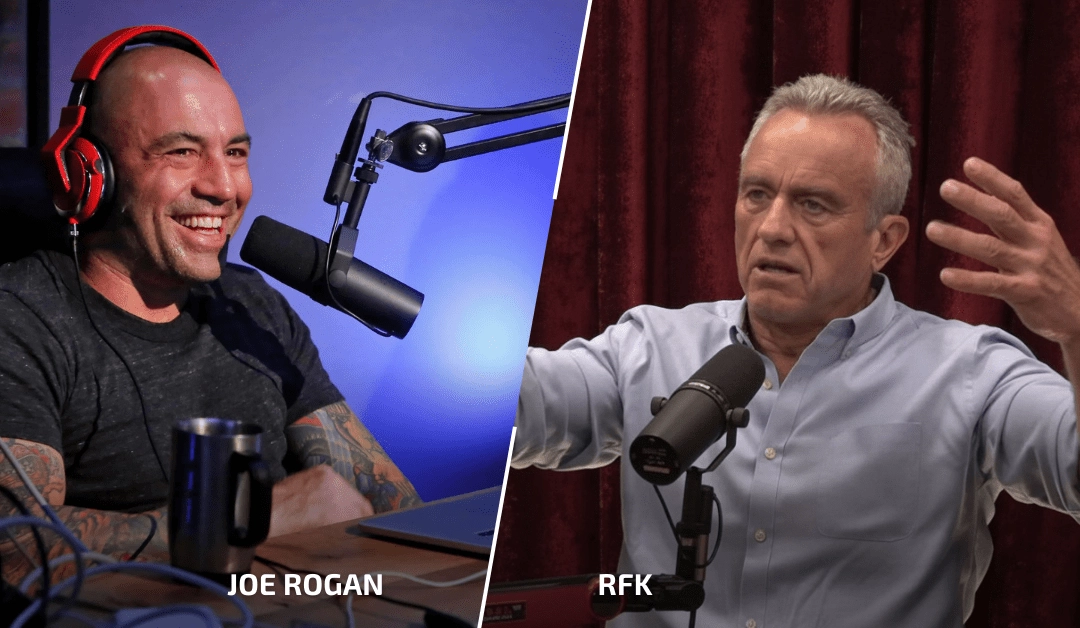
In a thought-provoking conversation with Joe Rogan, Robert F. Kennedy Jr. (RFK) illuminated some of the most pressing issues facing public health today, particularly those related to the food industry and its role in the growing health epidemic. RFK, known for his advocacy on health freedom, environmentalism, and exposing corporate corruption, shared his perspective on how the food industry has influenced American dietary guidelines, created a chronic disease crisis, and undermined public health initiatives.
This article delves deep into RFK’s discussion about the food pyramid, the gut-brain connection, the link between food and chronic disease, and how food policies, like the food stamp program, are shaping public health. As we explore these topics, we’ll also consider the practical implications of his viewpoints, what changes are needed, and how can the food system be reformed to benefit everyone?
So, what do you think? Does RFK’s vision for food and health reform resonate with you, or do you see a different path to address the current health challenges?
The Role of the Food Pyramid in Public Health
One of the major themes RFK discussed in his conversation with Joe Rogan was the food pyramid and how it has shaped American dietary habits for decades. Originally introduced in 1992 by the U.S. Department of Agriculture (USDA), the food pyramid was designed to guide Americans toward a healthy diet. However, RFK argues that it was heavily influenced by food industry lobbying, which led to misguided recommendations that are now seen as detrimental to public health.
The food pyramid placed grains at the base, promoting large portions of bread, pasta, and rice. Dairy products followed as the next category, with fruits and vegetables positioned at the top, but often overshadowed by the focus on grains and processed foods. As RFK points out, this recommendation was not based on scientific evidence, but rather driven by the interests of major food industries—like grain producers and dairy farmers.
For decades, the food pyramid served as the foundation of nutritional guidelines, influencing school lunch programs, public health messaging, and personal food choices. RFK points out that these food industry-driven policies have contributed to the alarming rise in obesity, diabetes, and cardiovascular diseases, conditions that have reached epidemic proportions in the U.S.
In fact, according to the Centers for Disease Control and Prevention (CDC), nearly 40% of American adults are obese, and one-third of children are overweight or obese. This has resulted in increased rates of type 2 diabetes, heart disease, and other chronic conditions.
What’s your take on this? Should the food pyramid be revisited or restructured? Are we still being influenced by corporate interests in our dietary guidelines?
The Shift Away from the Old Food Pyramid
RFK emphasized the importance of reevaluating the outdated food pyramid and acknowledged efforts to redesign America’s dietary guidelines. He discussed how, during his time in office, the USDA worked to correct the mistakes of the past by implementing healthier recommendations. This included taking processed foods and unhealthy fats off the recommended food list, replacing them with whole foods that are nutrient-dense and supportive of long-term health.
One major reform, as RFK mentions, is the shift towards emphasizing whole foods, real, unprocessed foods that provide essential nutrients like vitamins, minerals, fiber, and healthy fats. Instead of encouraging an over-reliance on processed grains, the new guidelines promote vegetables, fruits, lean proteins, and healthy fats like those found in fish, nuts, and olive oil.
This shift represents a major step forward in the fight against chronic diseases like obesity and diabetes. However, RFK also points out the ongoing challenge: the food industry is still deeply embedded in the policymaking process, making it difficult to fully implement these changes. The powerful food lobby continues to push for policies that favor their products, often at the expense of public health.
Is it time for another major shift in the food pyramid? Can true reform happen if corporate interests continue to drive food policy?
The Link Between Food and Chronic Disease
As RFK and Rogan discussed, the rising rates of chronic diseases in America cannot be ignored. The correlation between poor dietary habits and diseases like diabetes, heart disease, and cancer is clear. RFK connects the dots between the widespread consumption of processed foods, high in sugar and unhealthy fats, and the increase in chronic diseases. He specifically highlights the role that sugary drinks, like soda, have played in exacerbating the diabetes epidemic.
Interestingly, RFK also made an important point about how the food industry profits not only from the production of unhealthy foods but also from the treatment of the diseases those foods cause. This creates a cycle of dependency where individuals consume unhealthy foods that lead to chronic diseases, which in turn require costly medical treatments, often funded by taxpayer dollars through programs like Medicare and Medicaid.
RFK’s criticism centers around the perverse economic incentives in the system. Food companies make money by selling processed foods that cause long-term health problems, while pharmaceutical companies profit from treating the diseases these foods cause. This creates a system that is not incentivized to promote prevention or healthier eating, but rather one that encourages ongoing consumption of unhealthy products.
What do you think? Are food companies and pharmaceutical companies working together in a way that perpetuates this health crisis, or do other factors contribute to the rise of chronic disease?
The Food Stamps Program: Subsidizing Poor Dietary Choices
One of the more controversial points raised by RFK was the food stamps program (SNAP), which, according to him, has been instrumental in funding unhealthy food choices for millions of Americans. RFK explained that, while food stamps are designed to help low-income families access food, they are often used to purchase ultra-processed and sugary foods, items that RFK claims contribute to poor health outcomes, including obesity and diabetes.
For years, the food stamps program allowed recipients to purchase sugary drinks, junk food, and processed snacks. RFK argues that this was a missed opportunity for public health reform, where taxpayer dollars were being spent to subsidize foods that contributed to chronic diseases. In response, RFK praised the recent shift in some states to restrict the purchase of unhealthy foods through food stamps. For example, some states now prohibit the use of food stamps to buy soda or candy, in an attempt to reduce the prevalence of diet-related diseases.
RFK also highlighted that the current food system perpetuates a cycle of poverty and health problems: families who rely on food stamps to access low-cost, unhealthy food are more likely to suffer from health problems later in life, leading to greater reliance on government-funded healthcare programs. This results in a system that RFK sees as inefficient and counterproductive.
Should the food stamps program be reformed further? Do you think the government has a responsibility to ensure that the food provided to low-income families is nutritious?
The Gut-Brain Connection: Food and Mental Health
Perhaps one of the most compelling aspects of RFK’s conversation with Joe Rogan was the connection between food and mental health. RFK discussed how dietary patterns, especially those high in processed foods, sugars, and additives, can have a profound impact on mental health. Research has shown that the gut-brain axis, the link between the gut microbiome and brain function—plays a crucial role in regulating mood, cognition, and emotional well-being.
RFK pointed to studies showing that diets high in processed foods can lead to an imbalance in the gut microbiome, contributing to a variety of mental health issues, including depression, anxiety, and ADHD. Conversely, whole foods, particularly those rich in fiber, healthy fats, and micronutrients, are shown to support a healthy gut microbiome and improve mental health outcomes.
RFK also referenced studies that suggest significant improvements in mental health conditions like schizophrenia and bipolar disorder through dietary changes. This aligns with growing research into nutritional psychiatry, which explores how diet can impact brain health and mental well-being.
What’s your view on the gut-brain connection? Do you believe that changing your diet can lead to improvements in mental health, or are there other factors at play when it comes to conditions like depression or anxiety?
Conclusion: Reforming the Food System and Public Health
RFK’s conversation with Joe Rogan paints a bleak picture of the current state of public health in America. The food industry, despite the reforms made in recent years, continues to hold significant influence over dietary guidelines and policies that affect public health. This influence has contributed to the rise of chronic diseases like diabetes, heart disease, and obesity, which are now epidemic in the U.S.
However, RFK also presented a glimmer of hope: the shift toward promoting healthier, whole foods and the ongoing push for reforming food programs like SNAP. With the right policy changes, it is possible to break the cycle of poor health and preventable disease, creating a system that values prevention over treatment.
What do you think? Do you agree with RFK’s assessment of the food system, or do you see other factors contributing to the current health crisis? Should the food industry be held accountable for its role in public health, or do we need broader reforms to address the issue?
Book your free health consult here: https://1stoptimal.com/book-a-call/