
Testosterone replacement therapy (TRT) is one of the most misunderstood treatments in men’s health.
Some think it’s a fountain of youth.
Others think it’s reckless or dangerous.
The truth is less dramatic and far more practical.
This guide explains:
- What testosterone replacement therapy actually is
- Benefits and realistic outcomes
- Common protocols
- Monitoring and safety
- Who TRT is and isn’t for
Updated for 2026 standards and evidence.
What Is Testosterone Replacement Therapy?
TRT is the medical treatment of clinically low testosterone using bioidentical testosterone under physician supervision.
Testosterone affects:
- Muscle mass
- Energy
- Libido
- Mood
- Bone density
- Metabolic health
Low testosterone is not rare. It’s underdiagnosed.
Symptoms of Low Testosterone
Common symptoms include:
- Fatigue
- Loss of strength
- Decreased libido
- Brain fog
- Mood changes
- Increased fat mass
- Poor recovery
Symptoms matter as much as lab values.
TRT Benefits When Appropriately Prescribed
Benefits may include:
- Improved energy
- Increased lean mass
- Reduced fat mass
- Better mood and confidence
- Improved sexual function
- Enhanced recovery
TRT is not bodybuilding. It’s normalization.
Common TRT Protocols
Delivery methods:
- Injections
- Topical creams
- Pellets (less commonly recommended)
Dosing should be individualized and adjusted over time.
Monitoring and Safety
Proper TRT requires monitoring:
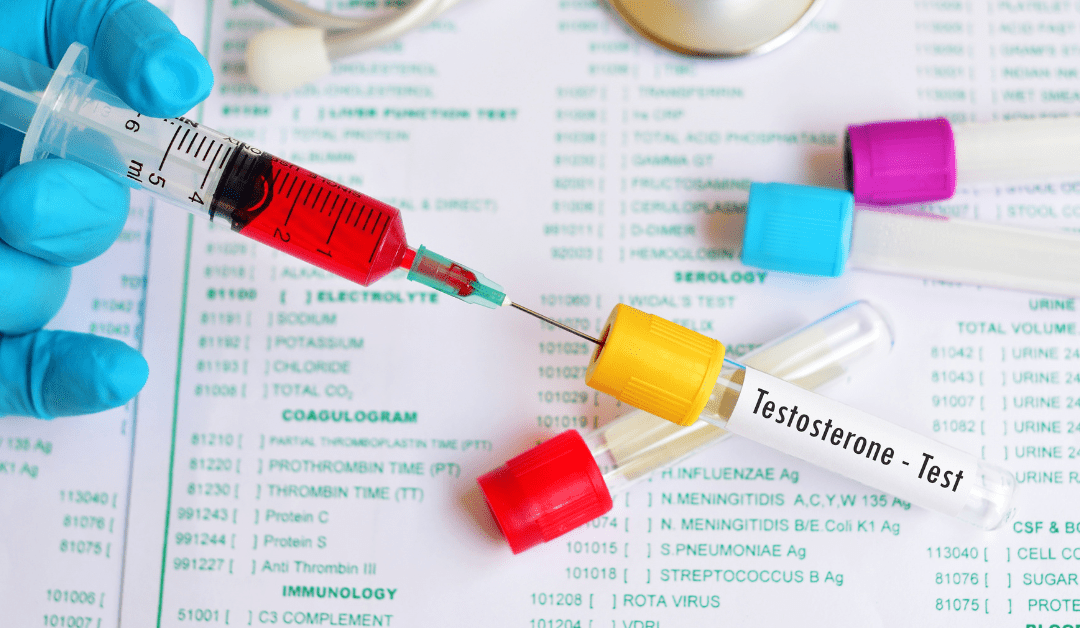
- Testosterone levels
- Estradiol
- Hematocrit
- Lipids
- PSA
Most risks come from poor management, not therapy itself.
Fertility Considerations
TRT can suppress sperm production.
Men who wish to preserve fertility need alternative or supportive strategies.
Who Is a Good Candidate?
TRT may be appropriate if:
- Symptoms are present
- Labs confirm deficiency
- Other causes are addressed
TRT is not for men seeking shortcuts.
Conclusion
Testosterone replacement therapy, when properly prescribed and monitored, can dramatically improve quality of life.
It’s not about chasing numbers.
It’s about restoring function.
TRT Assessment
If you’re experiencing symptoms of low testosterone, don’t guess.
Book a TRT assessment with 1st Optimal to evaluate your labs, symptoms, and options with medical oversight.
References