
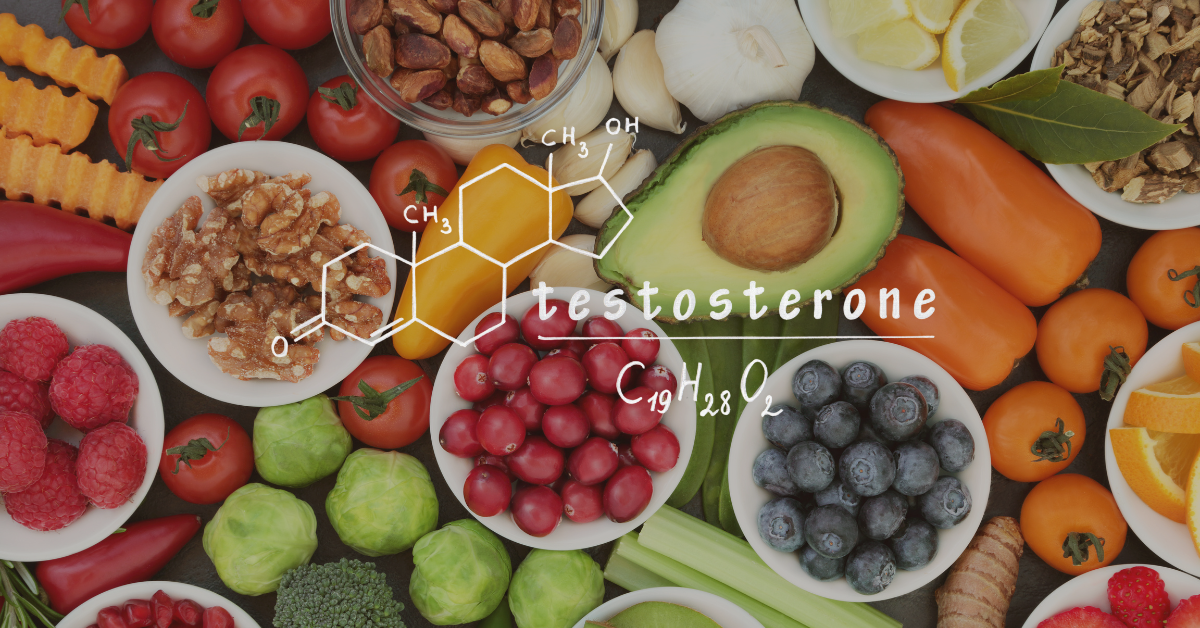
Testosterone is not just a “male hormone.”
For women between ages 35 and 55, it plays a critical role in energy, metabolism, muscle tone, mood, libido, and cognitive drive.
Yet many women are told their labs are “normal” while still dealing with fatigue, stubborn weight, brain fog, low motivation, and declining performance. Often, the missing piece is testosterone support, starting with nutrition and confirmed through proper testing.
This guide breaks down:
- Why testosterone matters for women
- Which foods genuinely support healthy testosterone production
- How stress, gut health, and aging affect levels
- When food is enough and when lab testing and medical support matter
Why Testosterone Matters for Women
Testosterone in women supports:
- Lean muscle maintenance
- Fat metabolism
- Motivation and mental clarity
- Libido and sexual health
- Bone density
- Insulin sensitivity
According to clinical data, women begin losing testosterone in their early thirties, with sharper declines during perimenopause and menopause.
Low levels are associated with:
- Chronic fatigue
- Reduced strength and muscle tone
- Weight gain resistant to dieting
- Lower mood and drive
- Reduced sexual interest
This is why nutrition alone often helps symptoms slightly but does not fully resolve them.
Signs of Low Testosterone in Women
Common symptoms include:
- Fatigue despite good sleep
- Difficulty building or maintaining muscle
- Loss of motivation or confidence
- Stubborn abdominal fat
- Decreased libido
- Brain fog
Importantly, these symptoms often overlap with thyroid dysfunction, cortisol imbalance, and insulin resistance, which is why functional lab testing matters.
How Food Influences Testosterone Production
Testosterone is synthesized from cholesterol and regulated by:
- Micronutrient availability
- Inflammation levels
- Insulin signaling
- Stress hormones like cortisol
Food does not “force” testosterone higher. Instead, it:
- Supplies raw materials
- Reduces oxidative stress
- Supports adrenal and ovarian signaling
This is where the foods outlined in the 1st Optimal guide come into play.
The Best Testosterone Boosting Foods for Women
Eggs
Eggs provide:
- Healthy fats
- Cholesterol (testosterone precursor)
- Vitamin D
Vitamin D deficiency has been linked to lower androgen levels in women.
How to use:
2 whole eggs daily, ideally pasture-raised.
Oysters and Shellfish
Shellfish are one of the richest sources of zinc, a mineral essential for:
- Hormone synthesis
- Ovarian signaling
- Immune balance
Zinc deficiency is common in women under chronic stress.
How to use:
1 to 2 servings weekly.
Avocados
Avocados supply:
- Monounsaturated fats
- B-vitamins
- Adrenal support nutrients
Healthy fats lower cortisol and stabilize hormone output.
How to use:
Half to one avocado daily.
Salmon and Fatty Fish
Omega-3 fatty acids:
- Reduce inflammation
- Improve insulin sensitivity
- Support hormone receptor function
Chronic inflammation suppresses testosterone signaling.
How to use:
2 to 3 servings per week.
Leafy Greens (Spinach, Kale)
Leafy greens are high in magnesium, which:
- Supports energy metabolism
- Improves androgen availability
- Reduces stress hormone interference
How to use:
Daily intake, cooked or raw.
Nuts and Seeds (Pumpkin, Almonds, Brazil Nuts)
These provide:
- Magnesium
- Selenium
- Healthy fats
Brazil nuts are particularly important for thyroid support, which indirectly affects testosterone.
How to use:
Small daily portions.
Berries
Berries reduce oxidative stress, which:
- Protects ovarian function
- Preserves hormone production
Oxidative stress is a silent suppressor of hormones.
How to use:
One serving daily.
Foods Alone vs Hormone Optimization
Food is foundational, but it does not override:
- Ovarian aging
- Chronic stress
- Thyroid dysfunction
- Poor gut absorption
- Genetic hormone clearance patterns
Many women eat “perfectly” and still have low testosterone because:
- Their gut is not absorbing nutrients
- Cortisol is suppressing hormone output
- Sex hormone binding globulin (SHBG) is too high
This is where functional medicine lab testing changes outcomes.
Stress, Gut Health, and Testosterone
Cortisol
High cortisol blocks testosterone production. Chronic stress shifts hormone priority away from reproduction and performance.
Gut Health
The gut regulates:
- Nutrient absorption
- Estrogen and androgen recycling
- Inflammation control
Dysbiosis and leaky gut reduce hormone availability even with ideal nutrition.
This is why 1st Optimal often pairs nutrition with:
Case Example: When Food Helped but Labs Changed Everything
A 44-year-old woman came to 1st Optimal eating well, training consistently, and using many of the foods listed above.
She still experienced:
- Low energy
- Poor muscle response
- Weight gain
Labs revealed:
- Low free testosterone
- Elevated SHBG
- High cortisol
Nutrition helped, but targeted hormone optimization and stress regulation resolved symptoms within months.
Frequently Asked Questions:
1. Can women safely increase testosterone?
Yes, when guided clinically and supported with labs.
2. Are testosterone boosting foods enough?
For mild cases, yes. For moderate to severe deficiency, no.
3. Does testosterone cause women to bulk up?
No. Physiologic levels support tone and metabolism.
4. Should women test testosterone?
Yes. Especially free testosterone and SHBG.
5. Does menopause affect testosterone?
Yes. Levels decline significantly with age.
6. Is weight gain linked to low testosterone?
Strongly, especially abdominal fat.
How 1st Optimal Approaches Hormone Optimization
1st Optimal uses:
- Advanced blood panels
- Functional hormone testing
- Personalized nutrition strategies
- Medical oversight when appropriate
Food is the foundation, not the finish line.
Conclusion: Food Is Step One, Not the Whole Plan
Testosterone boosting foods support hormone health, but data drives decisions.
If you feel tired, flat, or stuck despite doing “everything right,” it may not be willpower or discipline. It may be hormones.
Food opens the door.
Lab testing shows the path forward.
Ready to see what your hormones are actually doing?
- Book a personalized hormone consult
- Explore advanced lab testing
- Build a plan that matches your physiology
Start with clarity, not guesswork.
About Us
1st Optimal is a functional medicine and performance health clinic dedicated to helping high-achieving adults optimize hormone health, weight, energy, and longevity. Follow 1st Optimal on Instagram
Founders:
- Joe Miller – Expert in functional medicine, hormone optimization, and health coaching. Follow Joe on Instagram
- Amber Miller – Operational leader specializing in patient experience, clinic growth, and holistic health. Follow Amber on Instagram
At 1st Optimal, we combine advanced diagnostics, personalized protocols, and coaching partnerships to deliver sustainable health results for midlife adults.
