

Questions & Answers
1. Why do women get stubborn belly fat?
Hormonal shifts, insulin resistance, stress, and age-related metabolic changes contribute to fat accumulation in the abdominal area. For a comprehensive look at how stress hormones target your midsection, see our article on cortisol belly.
2. What hormones influence belly fat?
Cortisol, insulin, estrogen, progesterone, and testosterone all affect abdominal fat storage.
3. How does menopause affect belly fat?
Declining estrogen shifts fat storage from hips and thighs to the abdomen, increasing visceral fat.
4. How does cortisol affect belly fat?
Chronic stress elevates cortisol, promoting fat storage in the belly region.
5. Can insulin resistance cause belly fat?
Yes, impaired insulin signaling encourages visceral fat accumulation.
6. Does age affect belly fat accumulation?
Yes, metabolism slows with age, leading to increased abdominal fat.
7. Does genetics play a role in belly fat?
Yes, some women are genetically predisposed to store fat in the abdominal area.
8. Can stress increase belly fat?
Yes, chronic stress elevates cortisol, which promotes fat storage in the midsection.
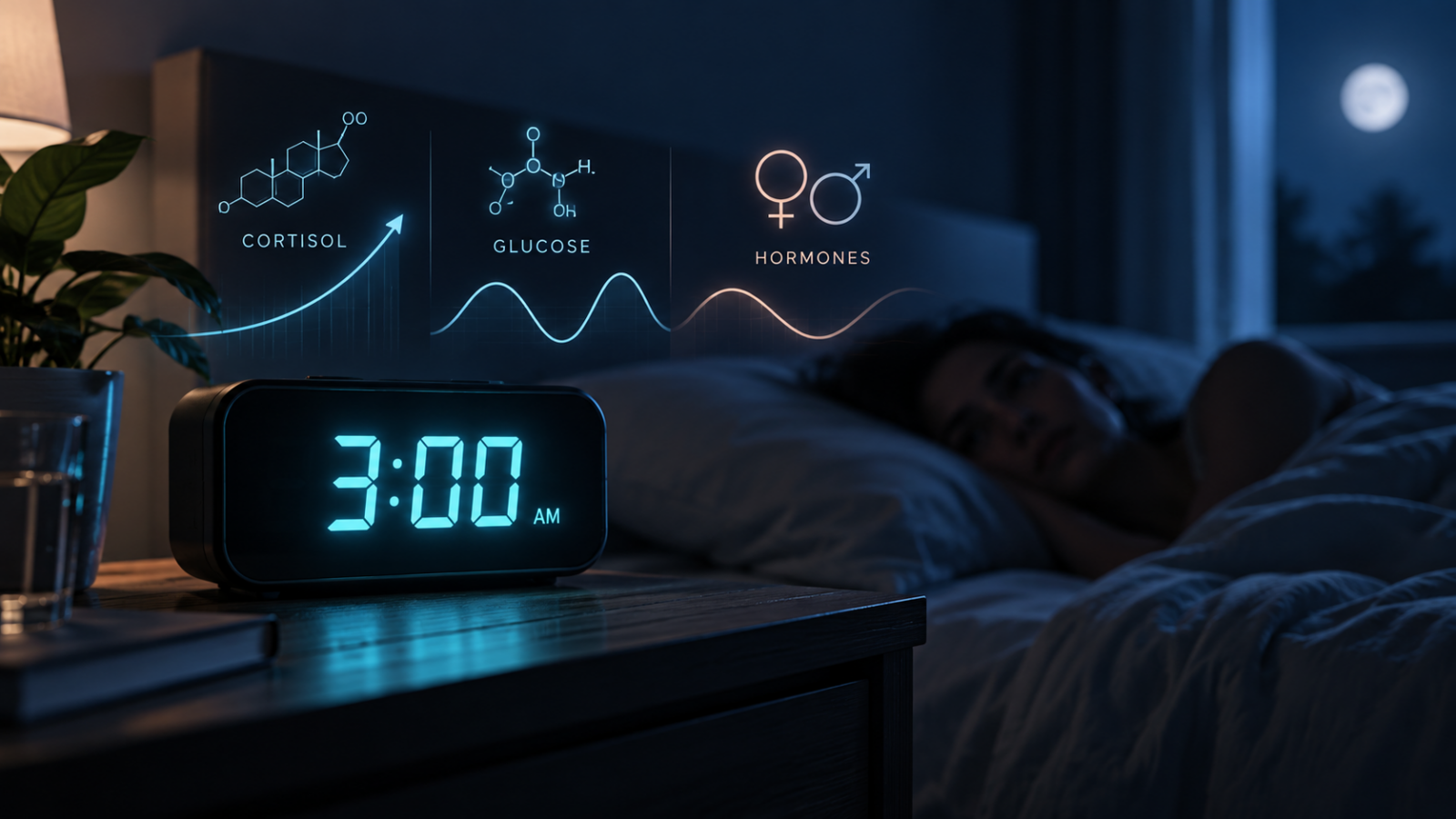
9. How does poor sleep affect belly fat?
Lack of sleep disrupts hormones like leptin and ghrelin, increasing appetite and abdominal fat accumulation.
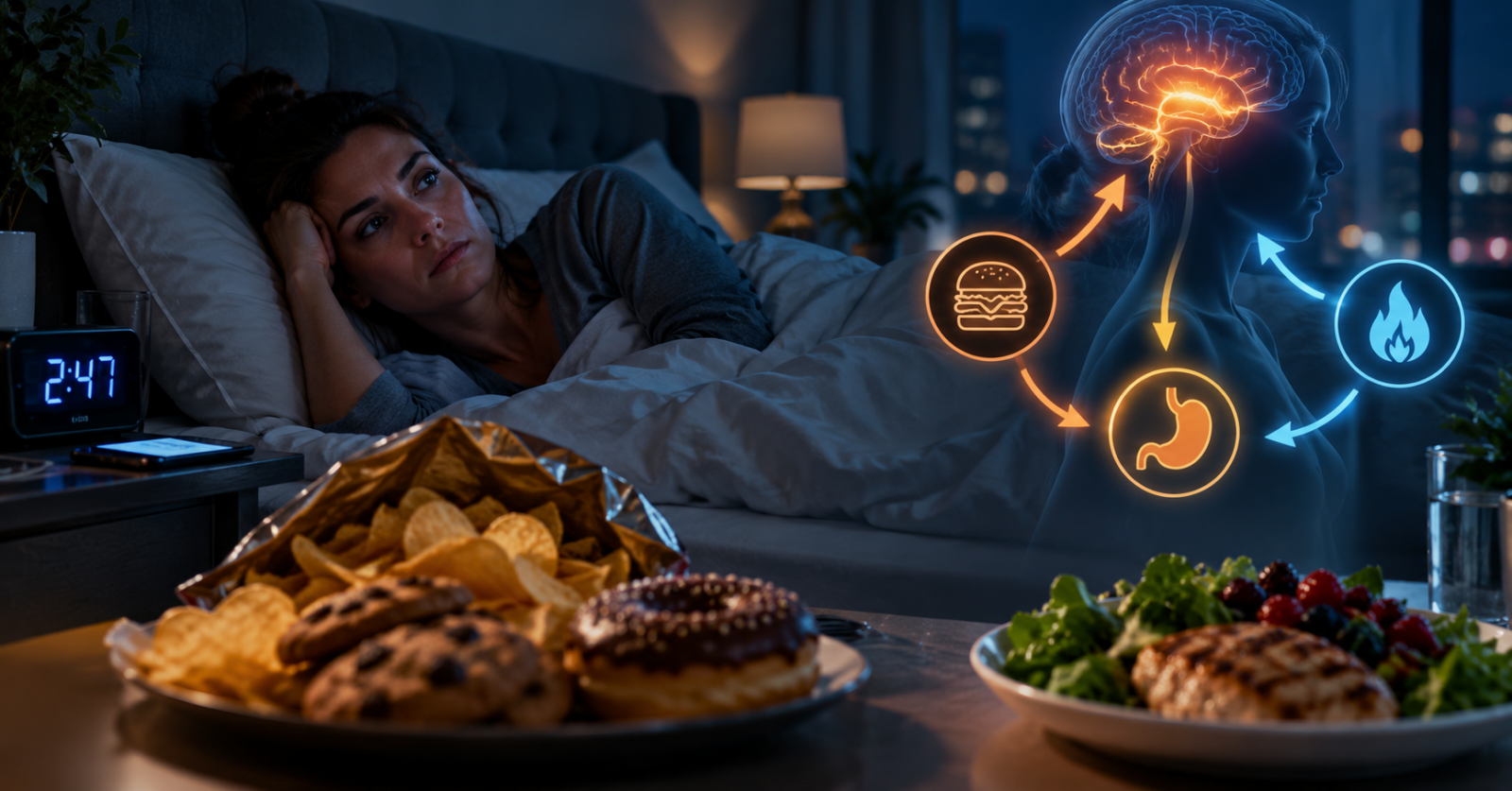
10. Can diet impact belly fat?
Yes, excess calories, refined carbs, sugar, and low protein diets contribute to abdominal fat.
11. Are carbs to blame for belly fat?
Refined carbs and excess sugar can promote belly fat, but balanced carbs are necessary for energy.
12. Does sugar cause belly fat?
Excess sugar, especially from beverages, promotes visceral fat through insulin and fat storage pathways.
13. How does alcohol affect belly fat?
Alcohol calories and metabolism shifts contribute to increased abdominal fat, often called “beer belly.”
14. Can intermittent fasting help reduce belly fat?
Yes, time-restricted eating can improve insulin sensitivity and promote visceral fat loss.
15. Can high-protein diets help reduce belly fat?
Yes, protein increases satiety, preserves lean mass, and supports fat loss.
16. Can strength training help reduce belly fat?
Yes, it preserves lean mass, improves metabolism, and reduces visceral fat over time.
17. Can cardio alone reduce belly fat?
Yes, aerobic activity helps burn calories and visceral fat, but combining with strength training is optimal.
18. Are spot-reduction exercises effective?
No, fat loss cannot be targeted; overall fat reduction combined with strength training is needed.
19. Can HIIT reduce belly fat faster?
Yes, high-intensity interval training increases calorie burn and promotes visceral fat reduction.
20. How does visceral fat differ from subcutaneous fat?
Visceral fat surrounds organs and is linked to metabolic risk, whereas subcutaneous fat lies under the skin.
21. Can belly fat affect hormone health?
Yes, excess abdominal fat disrupts insulin, estrogen, and cortisol balance.
22. Can belly fat increase risk of heart disease?
Yes, visceral fat is associated with higher cardiovascular risk and hypertension.
23. Can belly fat increase risk of diabetes?
Yes, abdominal fat contributes to insulin resistance and type 2 diabetes risk.
24. How does belly fat affect metabolism?
Visceral fat secretes inflammatory cytokines and disrupts hormonal signals, slowing metabolism.
25. Can gut health influence belly fat?
Yes, an imbalanced microbiome can affect fat storage, inflammation, and metabolic health.
26. Can probiotics help reduce belly fat?
Some probiotic strains improve gut health and may support visceral fat reduction.
27. Can inflammation cause belly fat?
Yes, chronic inflammation promotes fat storage and metabolic disruption.
28. How do stress-management strategies reduce belly fat?
Meditation, breathwork, and sleep optimization reduce cortisol, aiding fat loss.
29. Can supplements help reduce belly fat?
Evidence supports omega-3s, protein powders, and certain metabolic-support supplements.
30. Can Omega-3s reduce belly fat?
Yes, they reduce inflammation, improve insulin sensitivity, and support visceral fat loss.
31. Can protein supplementation reduce belly fat?
Yes, higher protein intake supports satiety, lean mass preservation, and fat loss.
32. Can creatine affect belly fat?
Indirectly, creatine enhances strength training efficiency, supporting lean mass preservation and metabolism.
33. Can GLP-1 therapies help reduce belly fat?
Yes, GLP-1 agonists improve appetite regulation and visceral fat reduction.
34. Can peptides help target belly fat?
Certain peptides support metabolic rate, fat oxidation, and hormone regulation.
35. How long does it take to reduce stubborn belly fat?
Visible reduction may take 8–12 weeks with consistent nutrition, exercise, and lifestyle optimization.
36. How do I measure progress in reducing belly fat?
Waist circumference, DEXA scan, or body composition tracking are reliable methods.
37. Are waist-to-hip ratios important?
Yes, higher ratios indicate more visceral fat and increased metabolic risk.
38. Can belly fat reduction improve energy levels?
Yes, reduced visceral fat improves insulin sensitivity, metabolism, and energy.
39. Can belly fat reduction improve sleep?
Yes, lowering abdominal fat reduces inflammation and supports better sleep.
40. Can belly fat reduction improve mood?
Yes, improved insulin sensitivity and reduced inflammation support mental well-being.
41. Can belly fat reduction improve insulin sensitivity?
Yes, visceral fat loss enhances glucose metabolism and insulin function.
42. Can belly fat reduction improve cardiovascular health?
Yes, visceral fat reduction lowers blood pressure, lipids, and heart disease risk.
43. Are belly fat reduction strategies different for women over 40?
Yes, hormonal changes may require higher protein intake, resistance training, and targeted lifestyle strategies.
44. Can belly fat be reduced naturally without medications?
Yes, through nutrition, exercise, stress management, sleep, and supplementation.
45. How can functional medicine help with belly fat?
Lab testing and personalized protocols identify hormonal imbalances, gut dysbiosis, and metabolic issues contributing to belly fat.
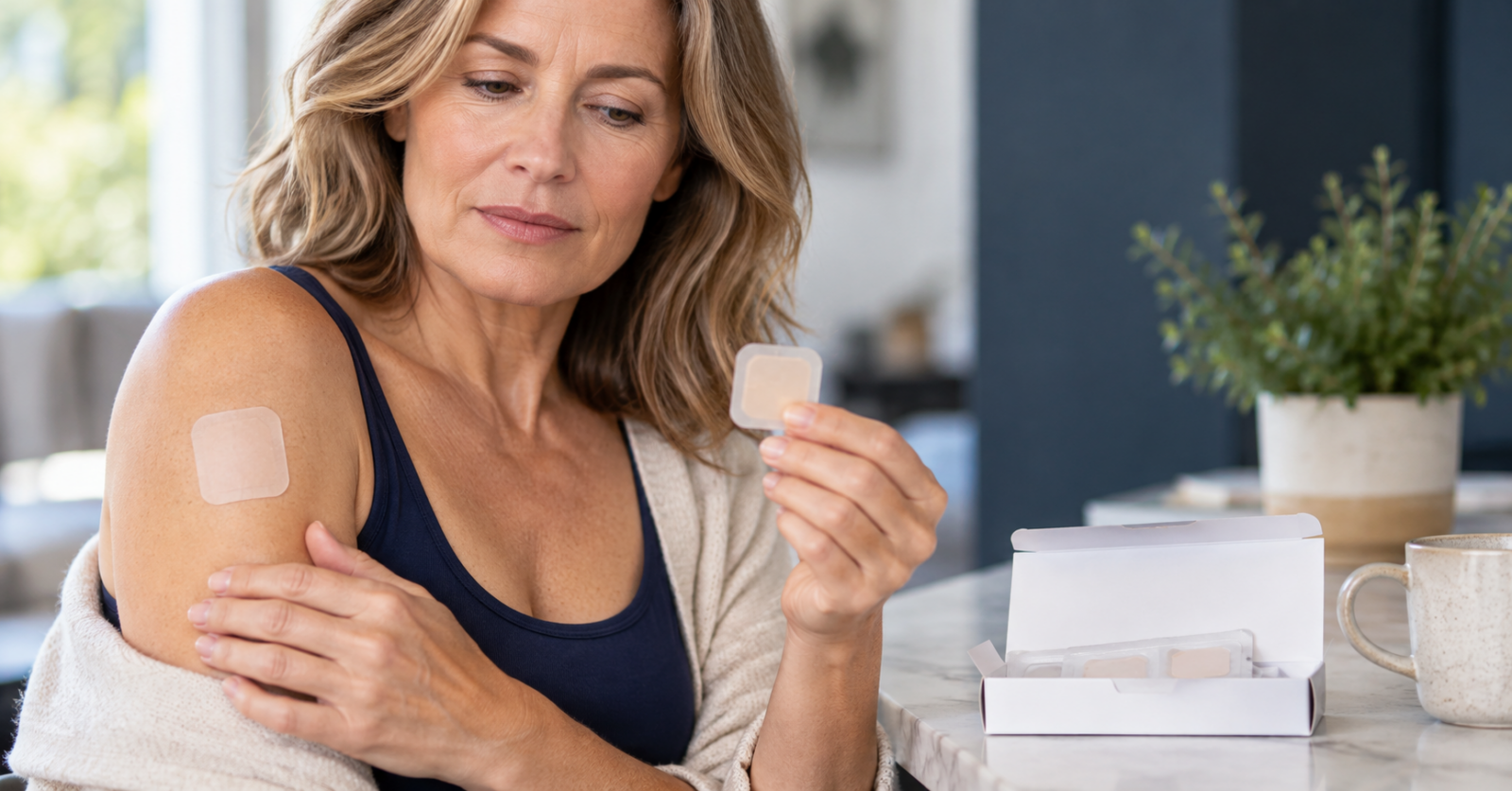
46. Can hormone replacement therapy (HRT) affect belly fat?
Yes, restoring estrogen and testosterone balance may reduce visceral fat accumulation in midlife women.
47. Can personalized coaching improve belly fat loss results?
Yes, individualized nutrition, training, and lifestyle protocols improve adherence and results.
48. Can meal timing influence belly fat?
Yes, time-restricted eating or front-loading calories may improve insulin sensitivity and fat loss.
49. Can hydration affect belly fat reduction?
Yes, adequate water supports metabolism, satiety, and fat oxidation.
50. How do I start reducing stubborn belly fat safely?
Focus on balanced nutrition, resistance training, metabolic support, sleep, stress management, and professional guidance.
References:
- Harvard Health. Why Belly Fat is Dangerous for Women
- NIH. Visceral Fat and Metabolic Risk
- WebMD. Stubborn Belly Fat in Women
- Functional Medicine Review. Hormones and Belly Fat
- Journal of Women’s Health. Menopause and Abdominal Obesity
- Mayo Clinic. Exercise and Belly Fat
- Frontiers in Nutrition. Dietary Interventions and Visceral Fat
- Cleveland Clinic. Cortisol and Weight Gain
- Journal of Obesity. Gut Microbiome and Abdominal Fat
- Examine.com. Supplements for Belly Fat Reduction