
Did you know that your emotional well-being is directly linked to your gut health? Whether you realize it or not, stress, anxiety, and other emotional factors can significantly affect your digestive system. The gut-brain connection, a communication network between your gut and brain, plays a crucial role in how your body processes food and manages stress. When these systems are out of balance, it can lead to bloating, indigestion, and even chronic conditions like food sensitivities.
In this blog, we will dive into how emotional stress impacts your gut health, the symptoms to look out for, and actionable steps to improve both your digestion and overall well-being.
The Gut-Brain Axis: The Connection Between Your Emotions and Digestion
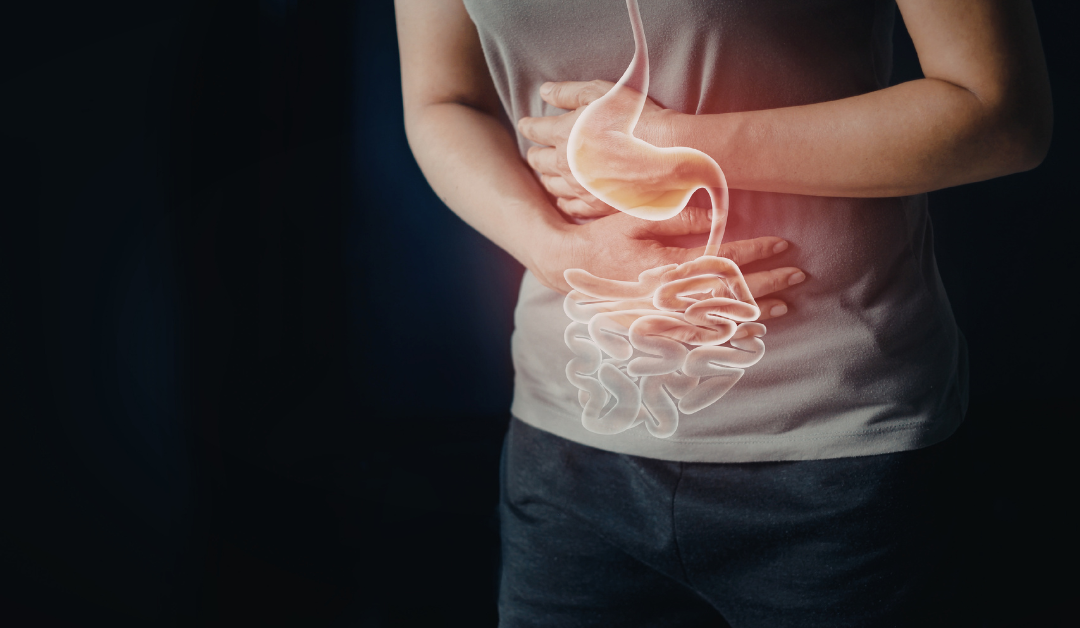
The gut-brain axis is a complex communication network that links the brain and gut. When stressed, your body shifts into “fight or flight” mode, which prioritizes survival over digestion, slowing down digestive processes. This can lead to symptoms like bloating, gas, and food sensitivities. Chronic stress further exacerbates this imbalance, creating long-term digestive issues.
The Science Behind the Gut-Brain Axis
Recent research highlights the microbiome-brain communication pathway that allows emotional stress to affect digestion. The vagus nerve, which runs from the brain to the gut, acts as a direct communicator between the two organs. During times of stress, signals are sent to the brain that decrease intestinal motility (the rate at which food moves through the digestive tract), which can cause discomfort like bloating and indigestion.
Furthermore, emotional stress causes an increase in cortisol levels, which impairs the secretion of stomach acid and slows digestion, making the gut more susceptible to bloating and discomfort. Long-term stress also leads to the overgrowth of harmful gut bacteria, creating dysbiosis and leading to chronic digestive symptoms.
Actionable Tip: To help balance the gut-brain axis, reducing chronic stress is key. Incorporating relaxation techniques such as meditation, yoga, or even regular walks can help lower cortisol levels and support digestion.
How Stress Disrupts Digestion: The Science Behind It
When your body perceives stress, the nervous system releases stress hormones like cortisol, which alters digestion by decreasing stomach acid and slowing peristalsis, the wave-like movement that helps food travel through the intestines. Over time, this can lead to a range of gastrointestinal issues, including:
- Bloating: Caused by gas buildup due to poor digestion.
- Indigestion: The stomach struggles to break down food efficiently.
- Food Sensitivities: Due to altered gut microbiome balance.
Impact of Cortisol on Digestion
Cortisol is essential for managing acute stress, but when elevated for prolonged periods, it begins to disrupt the digestive system. Increased cortisol levels are shown to damage the intestinal lining, causing it to become more permeable, leading to leaky gut syndrome. This condition allows toxins and undigested food particles to enter the bloodstream, triggering inflammation throughout the body and leading to digestive issues like bloating and gas.
Additionally, prolonged stress can result in slow gastric emptying, which means food stays in the stomach longer, leading to indigestion, heartburn, and a feeling of fullness.
The Role of Hormones in Gut Health
Hormones such as cortisol, estrogen, and thyroid hormones play a key role in regulating digestion. Imbalances can lead to discomfort, digestive dysfunction, and even unwanted weight gain. For example, elevated cortisol levels due to chronic stress can reduce digestive efficiency, while estrogen and thyroid imbalances may impact nutrient absorption.
How Hormones Impact Digestion
- Cortisol: High cortisol can slow down digestion and alter gut flora, leading to bloating, gas, and discomfort.
- Estrogen: Fluctuations in estrogen levels, especially during perimenopause and menopause, can affect gut motility, leading to constipation or diarrhea.
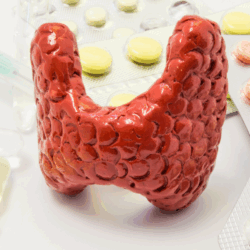
- Thyroid Hormones: Hypothyroidism can reduce peristalsis, causing constipation, while hyperthyroidism can speed up digestion, leading to diarrhea.
Estrogen, Cortisol, and Gut Health
During menopause, the drop in estrogen can affect gastric emptying time (how long it takes for food to leave the stomach), often resulting in bloating and discomfort after meals. Similarly, high cortisol levels caused by stress can disrupt the gut microbiota, potentially leading to digestive issues.
Actionable Tip: Balancing hormones through bioidentical hormone replacement therapy (BHRT) or supplements like adaptogens can support gut health by restoring hormonal balance.
Signs of an Unhealthy Gut
If you’re experiencing the following symptoms, it could be a sign that emotional stress is negatively impacting your gut health:
- Bloating
- Gas and constipation
- Acid reflux
- Frequent food cravings
What These Symptoms Mean
These common symptoms can indicate gut dysbiosis (imbalance in gut bacteria) and may be linked to chronic stress or an underactive thyroid. If your digestion is sluggish, or you experience frequent bloating, it may be time to focus on restoring balance to both your gut and emotional health.
Gut-Friendly Foods to Include in Your Diet
A balanced diet is crucial for maintaining a healthy gut. Here are some gut-friendly foods that help support digestion:
- Fiber-rich fruits and vegetables: Helps with bowel regularity.
- Probiotic-rich yogurt or kefir: Promotes healthy gut flora.
- Omega-3 fatty acids: Found in fish or flaxseeds, they reduce inflammation and support gut lining.
Foods to Avoid
To support digestion, it’s also important to avoid certain foods that may exacerbate bloating, gas, and acid reflux:
- Processed foods: They can disrupt gut bacteria and lead to inflammation.
- Sugar: High sugar intake has been shown to promote harmful gut bacteria growth.
- Dairy and gluten: If you have food sensitivities, avoiding dairy and gluten can reduce digestive discomfort.
Actionable Tip: Incorporate probiotic-rich foods like kimchi, sauerkraut, and kombucha to help restore gut flora balance and improve digestion.
The Importance of Mindful Eating
Rushed meals and constant multitasking can impair digestion. Practicing mindful eating, focusing on the experience of eating and fully chewing your food, can improve nutrient absorption, reduce bloating, and ease digestion. Studies suggest that when you eat mindfully, you activate the parasympathetic nervous system, which supports digestion and reduces the effects of stress.
What is Mindful Eating?
Mindful eating is about slowing down and paying attention to your food. It involves:
- Chewing your food thoroughly to help break it down before it reaches your stomach.
- Reducing distractions (like phones or TV) while eating.
- Paying attention to your body’s hunger and fullness cues.
Actionable Tip: Try to implement mindful eating during your meals. Put your phone away, take deep breaths before eating, and chew your food thoroughly to improve digestion.
Support Your Digestion with Digestive Enzymes
Digestive enzymes are a key support for healthy digestion. They help break down food into absorbable nutrients and can reduce bloating and discomfort after meals. You can support your digestive system with supplemental enzymes or naturally through foods like pineapples (bromelain) and papayas (papain).
How Digestive Enzymes Help
Digestive enzymes are proteins that break down food into smaller nutrients, enabling the body to absorb vitamins, minerals, and other nutrients more efficiently. If you experience bloating, indigestion, or heartburn, incorporating digestive enzyme supplements or fermented foods may offer relief.
How 1st Optimal Can Help: Personalized Solutions for Gut Health
At 1st Optimal, we believe in addressing gut health from a root-cause perspective. Through advanced lab testing, personalized coaching, and a range of therapies such as hormone replacement and peptides, we create customized wellness plans tailored to your digestive and emotional health needs.
- Gut Health Testing: Understand your gut microbiome with our advanced GI-MAP test.
- Personalized Health Coaching: Work with our expert coaches to build a sustainable approach to digestion and stress management.
- Hormone Optimization: Balance your hormones with targeted therapies to enhance digestion and overall well-being.
FAQs About Emotional Stress and Digestion
- Can stress really affect my digestion?
Yes, stress activates the “fight or flight” response, which slows down digestion. Chronic stress can lead to long-term digestive issues like bloating and indigestion. - How do I know if I have an unhealthy gut?
Symptoms like bloating, gas, acid reflux, and food cravings are signs that your gut may be out of balance. - What are the best foods for gut health?
Fiber-rich fruits, vegetables, probiotic foods like yogurt and kefir, and omega-3-rich foods such as fish and flaxseeds can all support digestion. - Can hormones cause digestive problems?
Yes, imbalances in cortisol, estrogen, and thyroid hormones can disrupt digestion and lead to symptoms like bloating, constipation, and discomfort. - How can I improve my digestion?
Incorporating gut-friendly foods, reducing stress, eating mindfully, and using digestive enzymes are all great steps to support digestion.
A stressed stomach is more than just an inconvenience, it’s a sign of a deeper connection between your emotional health and digestion. By understanding the gut-brain axis, managing stress, and optimizing your diet, you can begin to heal your gut and improve your emotional well-being.
If you’re ready to take control of your digestive health, consider personalized testing and coaching through 1st Optimal. We offer customized plans to support your health journey and ensure optimal wellness.
Are you ready to take control of your gut health?
Book your free health consultation today at 1st Optimal.
About Us
1st Optimal is a functional medicine and performance health clinic dedicated to helping high-achieving adults optimize hormone health, weight, energy, and longevity. Follow 1st Optimal on Instagram
Founders:
- Joe Miller – Expert in functional medicine, hormone optimization, and health coaching. Follow Joe on Instagram
- Amber Miller – Operational leader specializing in patient experience, clinic growth, and holistic health. Follow Amber on Instagram
At 1st Optimal, we combine advanced diagnostics, personalized protocols, and coaching partnerships to deliver sustainable health results for midlife adults.
References:
- PubMed. (2020). The gut-brain axis and its implications for mental health.
- NIH. (2022). Hormonal influences on gut health.
- JAMA. (2019). Stress and digestive function: A review.