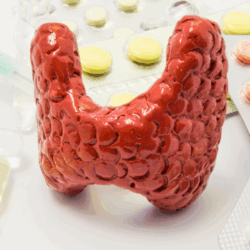


How Semaglutide Works
Semaglutide is a GLP-1 receptor agonist — a class of medications that mimics the naturally occurring incretin hormone glucagon-like peptide-1. Originally developed for type 2 diabetes management, semaglutide gained FDA approval for chronic weight management in 2021 under the brand name Wegovy.
The medication works through three primary mechanisms. First, it activates GLP-1 receptors in the brain’s hypothalamus, reducing appetite and food cravings. Second, it slows gastric emptying, helping you feel full longer after meals. Third, it enhances insulin secretion while suppressing glucagon release, improving blood sugar regulation.
Clinical trials — including the landmark STEP program and SUSTAIN trials — demonstrated that semaglutide produces significant weight loss, with participants losing an average of 15–17% of their body weight over 68 weeks. These results made semaglutide one of the most prescribed weight loss medications in the country.
But like any medication, semaglutide comes with potential side effects. Understanding what to expect — and how to manage those effects — is critical before starting treatment.
Common Side Effects of Semaglutide
The most frequently reported side effects of semaglutide are gastrointestinal in nature. Data from the STEP 1 trial (published in the New England Journal of Medicine) documented the following rates among participants taking the 2.4 mg dose:
- Nausea: 44.2% of participants (vs. 17.4% placebo)
- Diarrhea: 31.5% of participants (vs. 16.2% placebo)
- Vomiting: 24.8% of participants (vs. 6.4% placebo)
- Constipation: 24.2% of participants (vs. 11.1% placebo)
- Abdominal pain: 19.7% of participants (vs. 10.8% placebo)
These GI side effects are the primary reason approximately 7% of participants in the STEP trials discontinued treatment. However, it is important to note that most side effects were rated as mild to moderate in severity and tended to decrease over time as the body adjusted to the medication.
The STEP 3 and STEP 5 trials showed similar patterns, with gastrointestinal symptoms peaking during dose escalation periods and improving significantly by weeks 12–16 of treatment. The SUSTAIN trial series (which studied semaglutide at lower doses for diabetes) confirmed that GI side effects are dose-dependent — lower starting doses with gradual increases reduce both frequency and severity.

Less Common Side Effects
Beyond the primary GI symptoms, semaglutide can cause several less frequent side effects that patients should be aware of:
- Headache: Reported in approximately 14% of participants in the STEP 1 trial. Typically mild and most common during the initial weeks of treatment.
- Fatigue: Experienced by roughly 11% of participants. Often linked to reduced caloric intake as appetite decreases, and usually improves with adequate hydration and nutrition.
- Dizziness: Reported in about 8% of participants. May occur due to blood sugar fluctuations, especially in patients on concurrent diabetes medications.
- Injection site reactions: Mild redness, itching, or swelling at the injection site affects approximately 3–5% of users. Rotating injection sites helps minimize this effect.
- Bloating and gas: Related to slowed gastric emptying. Smaller, more frequent meals can help manage this symptom.
- Acid reflux (GERD): Some patients experience increased gastroesophageal reflux during the initial weeks of treatment.
Serious Side Effects and Warnings
While rare, semaglutide carries several serious safety considerations that require medical awareness and monitoring:
Pancreatitis Risk
Acute pancreatitis has been reported in patients using GLP-1 receptor agonists, including semaglutide. In the STEP trials, the incidence was low (less than 0.2%), but the FDA requires a boxed warning. Symptoms include severe, persistent abdominal pain that may radiate to the back, often accompanied by nausea and vomiting. Patients with a history of pancreatitis should discuss this risk with their physician.
Gallbladder Issues
Cholelithiasis (gallstones) and cholecystitis occurred at higher rates in semaglutide-treated patients in the STEP trials — approximately 2.6% vs. 1.2% in the placebo group. Rapid weight loss is an independent risk factor for gallstone formation, which may partially explain this increased rate. Symptoms include upper right abdominal pain, nausea, and fever.
Thyroid C-Cell Tumors
Semaglutide carries an FDA boxed warning regarding thyroid C-cell tumors. In rodent studies, GLP-1 receptor agonists caused dose-dependent thyroid C-cell tumors (including medullary thyroid carcinoma). Whether this applies to humans remains unclear, as human thyroid tissue has significantly fewer GLP-1 receptors than rodent thyroid tissue. Semaglutide is contraindicated in patients with a personal or family history of medullary thyroid carcinoma (MTC) or Multiple Endocrine Neoplasia syndrome type 2 (MEN 2).
Kidney Issues
Acute kidney injury has been reported in some patients, often associated with severe dehydration from persistent vomiting or diarrhea. The FDA prescribing information recommends monitoring renal function in patients with existing kidney disease and maintaining adequate hydration.
Allergic Reactions
Serious hypersensitivity reactions, including anaphylaxis and angioedema, have been reported rarely. Patients should seek immediate medical attention for symptoms such as swelling of the face, lips, tongue, or throat, difficulty breathing, or severe rash.
Side Effects in Women vs. Men
While the STEP and SUSTAIN trials did not identify statistically significant gender-based differences in overall adverse event rates, clinical experience and subgroup analyses suggest some practical distinctions worth noting:
- GI sensitivity: Women may experience more pronounced nausea during early treatment. Some researchers attribute this to differences in gastric motility and hormonal factors, particularly fluctuations in estrogen and progesterone that independently affect gut function.
- Hormonal interactions: Women in perimenopause or menopause may experience compounded effects on appetite regulation and metabolism. The interplay between declining estrogen levels and GLP-1 activity can influence how side effects manifest and resolve.
- Weight loss patterns: Men tend to lose weight faster initially, which may correlate with a slightly higher incidence of gallbladder-related side effects during the first 3–6 months of treatment.
- Hair thinning: Telogen effluvium (temporary hair shedding) associated with rapid weight loss has been reported more frequently in women. This is typically reversible and related to caloric deficit rather than the medication itself.
- Menstrual cycle changes: Some women report changes in cycle regularity during the first few months of treatment. Weight loss itself can influence menstrual patterns, making it difficult to attribute changes directly to semaglutide.
These considerations reinforce the importance of personalized medical oversight — particularly for women navigating hormonal transitions alongside weight management. At 1st Optimal, our protocols account for these gender-specific factors through comprehensive hormone testing and customized dosing schedules.
Managing Semaglutide Side Effects
The majority of semaglutide side effects are manageable with the right approach. Here are evidence-based strategies that clinical experience supports:
Slow Dose Titration
The most effective way to minimize side effects is gradual dose escalation. The FDA-approved protocol recommends starting at 0.25 mg weekly and increasing by 0.25 mg every four weeks until reaching the therapeutic dose. Some patients benefit from even slower titration — and a physician experienced with GLP-1 therapy can adjust the schedule based on individual tolerance.
Dietary Adjustments
- Eat smaller, more frequent meals instead of two or three large ones
- Avoid high-fat, greasy, or heavily spiced foods during dose escalation
- Focus on lean proteins, vegetables, and easily digestible carbohydrates
- Stop eating before you feel completely full — semaglutide delays satiety signals
Hydration
Dehydration worsens nearly every GI side effect and increases the risk of kidney complications. Aim for at least 64 oz of water daily, and more if experiencing vomiting or diarrhea. Electrolyte supplementation can be helpful during the first few weeks of treatment.
Timing of Doses
Taking semaglutide injections in the evening may help some patients sleep through the initial wave of nausea. Others find that morning dosing works better for their routine. Consistency matters more than specific timing — choose a day and time that allows you to manage any transient symptoms.

Anti-Nausea Support
For patients experiencing persistent nausea, ginger supplements, peppermint tea, or over-the-counter remedies like Pepto-Bismol may provide relief. In some cases, physicians may prescribe ondansetron (Zofran) during the dose escalation phase.
Long-Term Safety Profile
Understanding semaglutide’s long-term safety is essential for anyone considering extended treatment. Here is what the clinical data shows:
The STEP 5 trial — the longest published weight management study for semaglutide — followed participants for 104 weeks (two years). Key findings included:
- Sustained weight loss averaging 15.2% of body weight at 104 weeks
- No new safety signals emerged with extended use
- GI side effects continued to decrease over time, with most participants reporting minimal symptoms after the first 6 months
- Cardiovascular markers (blood pressure, lipids, inflammatory markers) showed sustained improvement
The SELECT cardiovascular outcomes trial (published in 2023) further demonstrated that semaglutide reduced major adverse cardiovascular events (MACE) by 20% in overweight/obese adults with established cardiovascular disease — providing evidence of long-term cardiovascular benefit beyond weight loss.
The SUSTAIN 6 trial, which followed type 2 diabetes patients for over two years, confirmed a similar cardiovascular safety and benefit profile.
One consideration with long-term use is weight regain after discontinuation. The STEP 1 extension trial showed that participants regained approximately two-thirds of lost weight within one year of stopping semaglutide. This underscores the importance of treating obesity as a chronic condition requiring ongoing management — not a short-term intervention.
Who Should NOT Take Semaglutide
Semaglutide is not appropriate for everyone. The following contraindications and precautions are outlined in the FDA prescribing information:
Absolute Contraindications
- Personal or family history of medullary thyroid carcinoma (MTC)
- Multiple Endocrine Neoplasia syndrome type 2 (MEN 2)
- Known hypersensitivity to semaglutide or any of its excipients
- Pregnancy or planned pregnancy (semaglutide should be discontinued at least 2 months before conception)
Use with Caution
- History of pancreatitis: Increased risk of recurrence requires careful monitoring
- Gallbladder disease: Pre-existing gallbladder conditions may be exacerbated
- Severe kidney disease: Dehydration risk increases the potential for acute kidney injury
- Diabetic retinopathy: Rapid improvement in blood sugar can temporarily worsen retinopathy in patients with pre-existing diabetic eye disease
- History of suicidal ideation or depression: The FDA has requested post-marketing surveillance data regarding potential neuropsychiatric effects
Drug Interactions
- Insulin and sulfonylureas: Semaglutide can increase the risk of hypoglycemia when combined with these medications. Dose adjustments may be necessary.
- Oral medications: Semaglutide slows gastric emptying, which may affect the absorption timing of oral medications. Discuss all current medications with your prescribing physician.
- Oral contraceptives: Delayed gastric emptying may reduce the efficacy of oral birth control pills. Backup contraception or alternative methods may be advisable.
How 1st Optimal Minimizes Semaglutide Side Effects
At 1st Optimal, our approach to GLP-1 therapy goes far beyond writing a prescription. Our physician-led, data-driven model is specifically designed to minimize side effects while maximizing results:
Comprehensive Lab Work Before Starting
Every member undergoes thorough diagnostic testing before beginning semaglutide — including metabolic panels, thyroid function tests, kidney function markers, and hormonal assessments. This baseline data identifies risk factors and contraindications that generic telehealth providers often miss.
Personalized Dosing Protocols
Rather than applying a one-size-fits-all titration schedule, our physicians customize your starting dose and escalation timeline based on your lab results, body composition, medical history, and tolerance. Some members benefit from extended time at lower doses before advancing.
Slow, Physician-Guided Titration
Our medical team monitors your response at every dose increase. If side effects become problematic, we adjust the protocol — whether that means staying at a lower dose longer, modifying the escalation rate, or implementing supportive interventions.
Ongoing Monitoring and Follow-Up
Regular lab work throughout treatment tracks metabolic markers, kidney function, and nutritional status. This proactive monitoring catches potential issues early, before they become serious.
Dedicated Membership Manager
Every 1st Optimal member is paired with a dedicated Membership Manager who serves as your primary point of contact. If you experience side effects, you have a direct line to someone who knows your case and can coordinate with your physician quickly — no waiting on hold, no starting from scratch with a new provider every time you call.
This comprehensive, membership-based approach is what sets 1st Optimal apart from the growing number of telehealth platforms offering semaglutide without the depth of medical oversight that a powerful medication deserves.
Frequently Asked Questions About Semaglutide Side Effects
How long do semaglutide side effects last?
Most common side effects, particularly nausea and GI symptoms, peak during the first 4–8 weeks of treatment and during dose escalation. The majority of patients report significant improvement by weeks 12–16. In the STEP trials, fewer than 5% of participants experienced persistent symptoms beyond the titration period.
Does semaglutide cause hair loss?
Temporary hair shedding (telogen effluvium) has been reported by some semaglutide users, but this is typically associated with rapid weight loss and caloric deficit rather than the medication itself. Ensuring adequate protein intake and nutritional support can minimize this effect. Hair growth usually resumes within 3–6 months.
Can semaglutide affect your mood or mental health?
The FDA is monitoring reports of suicidal ideation and depression associated with GLP-1 receptor agonists. Current clinical trial data has not established a causal link, but patients with a history of depression or mental health conditions should discuss this with their physician and report any mood changes promptly.
Is it safe to drink alcohol while taking semaglutide?
Moderate alcohol consumption is not explicitly contraindicated, but alcohol can worsen nausea and GI symptoms. Alcohol is also calorie-dense and may counteract weight loss goals. Additionally, semaglutide’s effect on gastric emptying may change how your body processes alcohol, potentially increasing intoxication effects.
What happens if you miss a semaglutide dose?
If you miss a dose and there are more than 2 days (48 hours) until your next scheduled dose, take it as soon as possible. If your next dose is within 48 hours, skip the missed dose and resume your regular schedule. Do not double up on doses.
Are semaglutide side effects worse at higher doses?
Yes, side effects are dose-dependent. The STEP and SUSTAIN trials confirmed that GI side effects are more frequent and more severe at higher doses. This is why gradual titration over 16–20 weeks is standard protocol — it allows your body to adapt incrementally.
Can semaglutide cause muscle loss?
Weight loss from any method — including semaglutide — can include some lean mass loss alongside fat loss. The STEP 1 trial found that approximately 39% of total weight lost was lean mass. Resistance training and adequate protein intake (at least 0.7–1.0 g per pound of body weight) are essential to preserve muscle during GLP-1 therapy.
Should I stop semaglutide if I experience side effects?
Do not stop semaglutide without consulting your physician. Most side effects are temporary and manageable. Your prescribing physician can adjust your dose, slow the titration, or add supportive medications. Only serious side effects — such as signs of pancreatitis, severe allergic reactions, or persistent vomiting preventing hydration — warrant immediate discontinuation and medical evaluation.
Is semaglutide safe for people over 65?
Semaglutide has been studied in adults up to age 75. The STEP trials included participants aged 18 and older with no upper age limit. However, older adults may be more susceptible to dehydration and kidney issues, requiring closer monitoring and potentially slower dose titration.
How does 1st Optimal’s approach differ from online semaglutide prescribers?
Many online platforms prescribe semaglutide with minimal lab work and follow-up. At 1st Optimal, every member receives comprehensive baseline diagnostics, personalized dosing, physician-guided titration, ongoing lab monitoring, and a dedicated Membership Manager. This premium, data-driven model significantly reduces side effect risk and ensures you are medically supported throughout your treatment.
Medical Disclaimer: This article is for informational purposes only and does not constitute medical advice. Semaglutide is a prescription medication that should only be used under the supervision of a qualified healthcare provider. Individual results and side effects vary. Always consult your physician before starting, stopping, or changing any medication. The clinical trial data cited in this article is sourced from peer-reviewed publications including the STEP 1-5 trials, SUSTAIN trials, SELECT trial, and FDA prescribing information for Wegovy (semaglutide 2.4 mg).
About the Author: Joe Miller is the CEO of 1st Optimal and a certified health professional with a BS in Kinesiology, Exercise Science, Health, and Nutrition. He holds certifications from the National Academy of Sports Medicine (NASM), the NSCA (CSCS), and has completed a 2-year fellowship with the American Academy of Anti-Aging Medicine (A4M). Joe’s training with Worldlink Medical and ongoing BHRT certifications through A4M inform 1st Optimal’s evidence-based approach to functional medicine.