
Have you ever felt stuck in a cycle of physical therapy? You treat the symptom—the sore neck, the tight lower back—only for it to return weeks or months later. This frustrating pattern often points to a deeper issue that surface-level treatments can’t resolve. While innovative treatments like Robotic Rehab Therapy are incredibly effective at targeting specific muscle groups and providing immediate relief, they are still focused on the physical manifestation of the problem. For a truly sustainable solution, we have to look at the root cause. Your body’s ability to heal is directly influenced by your internal health. Systemic inflammation, often originating from gut imbalances or hormonal issues, can prevent tissues from repairing properly. This article will show you why pairing external treatments with a functional medicine approach is so critical. We’ll cover how identifying and addressing underlying issues through comprehensive lab testing and personalized protocols can finally break the cycle of recurring pain and support your body’s natural healing process from the inside out.
Introduction: Revolutionizing Recovery with Robotic Rehab Therapy and Functional Medicine
The pursuit of faster recovery and enhanced performance is paramount for individuals balancing high-demand careers and personal health goals. Robotic rehab therapy, available at Robotic Rehab & Relief in Lake Orion, MI, is at the forefront of recovery technology, designed to relieve pain, improve flexibility, and accelerate the healing process.
While robotic rehab therapy offers significant benefits on its own, pairing this cutting-edge treatment with functional medicine practices can elevate recovery results. At 1st Optimal, we specialize in personalized approaches that incorporate advanced lab testing, hormone optimization, gut health, and peptide therapy to promote faster healing and sustained wellness.
This comprehensive guide delves into the science behind robotic rehab therapy, outlines how functional medicine enhances recovery, and explains how 1st Optimal‘s services can support your healing journey.
Table of Contents
- What is Robotic Rehab Therapy?
- The Science Behind Robotic Therapy
- How Robotic Precision Therapy Works
- The Role of Heat, Pressure, and Vibration in Healing
- Why Pair Robotic Therapy with Functional Medicine?
- Hormonal Imbalances and Recovery
- Gut Health and Inflammation: The Hidden Connection
- Peptide Therapies to Accelerate Regeneration
- How 1st Optimal Supports Robotic Rehab Therapy
- Inflammation Markers in Lab Testing
- Customized Protocols for Recovery Enhancement
- The Power of Personalized Nutrition and Lifestyle Modifications
- Real-Life Client Example: Transforming Recovery with 1st Optimal and Robotic Rehab
- FAQs
- Conclusion and Call to Action
What is Robotic Rehab Therapy?
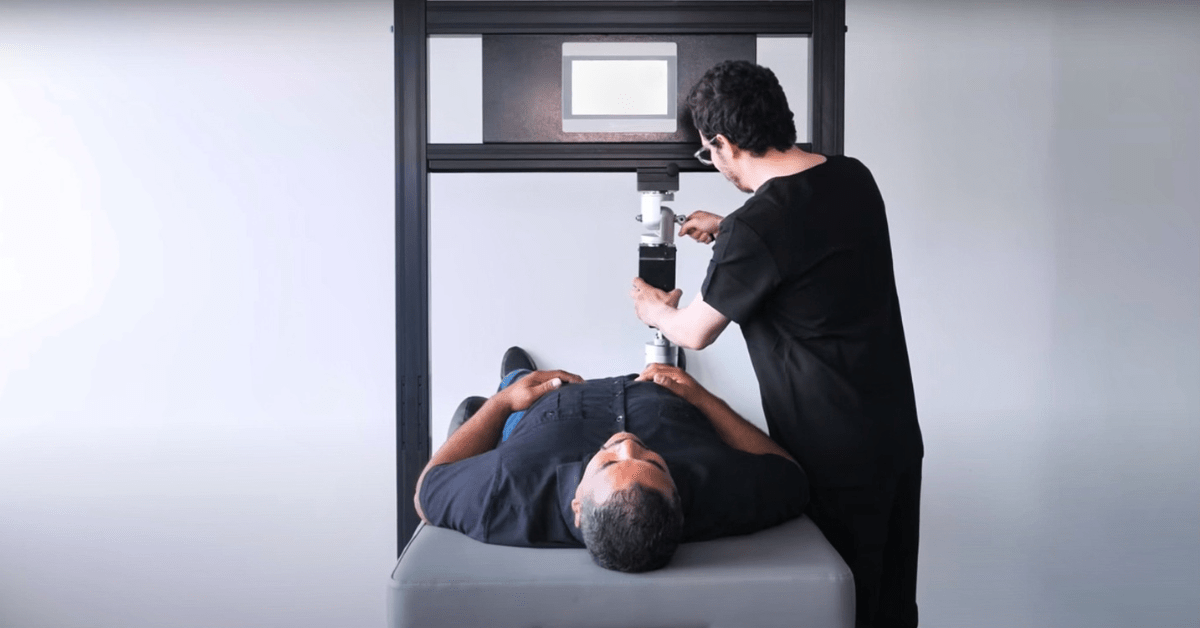
Robotic rehab therapy, specifically utilizing the RX2600 Therapeutic Robot at Robotic Rehab & Relief, represents a cutting-edge approach to rehabilitation. The device applies targeted pressure, vibration, and heat to specific areas of the body, providing therapeutic benefits for individuals suffering from muscle stiffness, chronic pain, and limited mobility.
Unlike traditional physical therapy, robotic rehab therapy offers precise, consistent treatment that mimics the effects of deep tissue massage, myofascial release, and other therapeutic techniques. The RX2600 system’s robotic precision ensures that each treatment session delivers consistent pressure and optimal therapeutic benefits.
By targeting trigger points and muscle knots, robotic therapy helps to reduce pain, improve blood circulation, and increase flexibility, all while reducing recovery time and increasing mobility. When combined with a personalized functional medicine approach, the effects of robotic rehab therapy can be amplified for faster and more sustainable healing.
A Broader Definition for Neurological Recovery
The benefits of robotic therapy extend far beyond soothing sore muscles. This technology plays a crucial role in neurological recovery for individuals dealing with conditions like stroke, brain injuries, or Parkinson’s disease. The core principle at work here is neuroplasticity—the brain’s incredible ability to reorganize itself and form new neural connections. Think of it as the brain’s way of creating detours around damaged areas. Robotic therapy provides the consistent, repetitive movements needed to stimulate this process. These precise actions help the brain create new pathways, essentially retraining the connection between the mind and body so you can relearn how to walk, grasp objects, and perform daily activities with greater ease.
Who Benefits from Robotic Therapy?
You don’t need a specific diagnosis to gain from robotic therapy. This treatment is for anyone looking to restore function, reduce pain, and improve their quality of life. High-performing professionals often use it to address the chronic neck and back pain that comes from long hours at a desk, while athletes rely on it to speed up recovery from injuries. According to research, robotic therapies can improve motor function, strength, and coordination for those with movement limitations. By precisely targeting muscle knots and trigger points, the therapy also enhances blood circulation and flexibility, leading to lasting pain relief and better mobility. The goal is to help you get back to doing what you love, whether that’s hitting a new personal record in the gym or simply moving through your day without discomfort.
The Science Behind Robotic Therapy
How Robotic Precision Therapy Works
The RX2600 Therapeutic Robot is designed to apply sustained pressure, heat, and vibration to targeted muscle groups and trigger points. It mimics manual techniques like myofascial release, deep tissue massage, and active release techniques to relieve pain and stiffness. The precision of robotic technology ensures that each session provides consistent, reproducible therapy for optimal results.
The combination of pressure, vibration, and heat has been shown to:
- Increase blood flow to tissues, enhancing nutrient delivery and waste removal.
- Stimulate collagen production and tissue regeneration to accelerate healing.
- Relax tight muscles, alleviate pain, and improve flexibility.
- Enhance range of motion, allowing for more fluid movement.
The RX2600’s unique design allows therapists to administer highly effective treatments without relying on manual pressure, enabling a more targeted and efficient recovery process.
The Core Principle: Neuroplasticity
Beyond the physical benefits to muscles and tissues, robotic therapy plays a crucial role in retraining the brain. This process is rooted in a concept called neuroplasticity, which is the brain’s remarkable ability to reorganize itself and form new connections throughout life. After an injury, the brain often needs to relearn how to control specific movements. Robotic therapy supports this by guiding the body through precise, repetitive motions. This consistency helps reinforce new neural pathways, essentially teaching the brain a new, more efficient way to function. By promoting these neuroplastic changes, robotic therapy not only aids in physical recovery but also helps create lasting improvements in motor function and coordination.
Engaging Patients with Gamification and VR
Rehabilitation exercises can sometimes feel monotonous, making it difficult to stay motivated. This is where modern robotic systems truly stand out. Many incorporate elements of gamification and virtual reality (VR) to make the recovery process more engaging. Instead of just repeating a movement, you might be controlling a character in a video game or completing a challenge in a virtual environment. This approach transforms therapy from a chore into an interactive experience. This “challenge and reward” model keeps patients more invested in their sessions, which can lead to better adherence and more significant functional gains over time.
The Role of Heat, Pressure, and Vibration in Healing
- Sustained Pressure: Research shows that myofascial release techniques using sustained pressure can reduce muscle pain and increase flexibility. This pressure helps break down adhesions in the fascia, promoting increased blood circulation and tissue regeneration. Studies confirm that consistent pressure can lead to long-term pain reduction and better mobility.
- Vibration Therapy: Vibration in the 30–50 Hz range has been proven to increase muscle performance, reduce muscle stiffness, and improve circulation. Studies suggest that vibration therapy is especially beneficial for individuals recovering from musculoskeletal injuries or those experiencing chronic pain.
- Superficial Heat: Heat therapy improves muscle elasticity, reduces pain, and increases blood flow to the treated area. Research supports its role in pain management and tissue repair, making it a valuable addition to rehabilitation therapy.
The combination of these three elements maximizes the therapeutic benefits and accelerates the recovery process, ensuring quicker relief and improved mobility.
Advanced Technologies in Robotic Rehab
While the core concept of applying heat, pressure, and vibration is straightforward, modern robotic rehabilitation is often enhanced with other sophisticated technologies. These advancements create a more interactive and personalized recovery experience, allowing therapists to tailor treatments with incredible precision. For instance, some systems integrate sensors that provide real-time feedback on muscle engagement and movement patterns. This data-driven approach ensures that every session is optimized for your specific needs, helping you achieve your recovery goals more efficiently. This focus on precise, measurable progress aligns perfectly with a functional medicine mindset, where understanding the body’s internal data is key to unlocking better health outcomes.
Brain-Computer Interfaces (BCIs)
Brain-Computer Interfaces sound like something out of science fiction, but they are a real and promising part of modern rehabilitation. These systems create a direct communication pathway between your brain and a robotic device, like an exoskeleton. By reading your brain’s electrical signals, a BCI can interpret your intention to move and translate it into action for the robotic limb. This technology is particularly groundbreaking for individuals recovering from neurological injuries, as it helps re-establish the connection between the brain and the body. Research shows that combining BCIs with robotic devices can significantly help people regain movement and independence by essentially retraining the brain’s neural pathways.
Functional Electrical Stimulation (FES)
Functional Electrical Stimulation is another powerful tool used alongside robotic therapy to reactivate muscles that have become weak or are difficult to control. FES works by sending small, controlled electrical impulses to specific muscles, causing them to contract. When used with a robotic device, such as a stationary cycling machine, FES can help you pedal with your arms or legs even if your muscles are too weak to do so on their own. This process not only helps rebuild strength and prevent muscle atrophy but also improves circulation and re-educates your muscles on how to function correctly, creating a stronger foundation for recovery.
Real-time Progress Monitoring
One of the biggest advantages of robotic therapy is its ability to track your progress with objective data. Unlike traditional manual therapy, where progress can sometimes feel subjective, robotic systems are equipped with sensors that monitor your movements, strength, and range of motion in real-time. This constant stream of data allows your therapist to see exactly how you’re responding to treatment and make immediate adjustments to your program. It provides clear, measurable milestones, which can be incredibly motivating. This data-centric method mirrors the approach we take at 1st Optimal, where we use comprehensive lab testing to track internal health markers and guide personalized treatment protocols for optimal performance and recovery.
Types of Robotic Systems
The term “robotic therapy” covers a wide range of devices, each designed for specific rehabilitation needs. From full-body suits that help you walk again to smaller devices focused on fine motor skills in your hands, the technology is incredibly diverse. The type of system your therapist recommends will depend entirely on your condition, your recovery goals, and which parts of your body need support. Understanding the different categories can help you appreciate the tailored nature of this therapy and how it can be adapted to support everything from post-stroke recovery to athletic injury rehabilitation. These systems are engineered to provide repetitive, high-intensity training that is often difficult to achieve with traditional therapy alone.
Exoskeletons for Walking and Mobility
Exoskeletons are wearable robotic suits that can be a game-changer for individuals working to regain the ability to stand and walk. Devices like the Ekso are designed to support the body’s weight while providing powered assistance to the legs, helping you move with a natural gait pattern. The suit’s sensors detect shifts in your weight and intent to move, allowing it to respond and assist your steps. This not only helps rebuild muscle strength and endurance in the lower body but also provides critical motor retraining for the brain. For many, the psychological benefit of standing and walking again is just as important as the physical one.
End-Effector Robots for Guided Movement
End-effector robots take a different approach. Instead of supporting the entire limb like an exoskeleton, these devices guide movement by manipulating the “end” of your limb, such as your foot or hand. For example, systems like the Gait Trainer I place your feet on robotic plates that move to simulate a normal walking pattern while you are supported in a harness. This method allows for a more natural movement of the hip and knee joints. This type of guided practice is excellent for retraining the body’s movement patterns and is often used for patients who need to relearn the fundamentals of walking or reaching.
Arm Robots for Upper-Limb Rehabilitation
Recovering function in an arm or hand requires a focus on fine motor skills, and that’s where arm robots excel. Devices like the ArmeoSpring are robotic arms that support your own arm’s weight, allowing you to perform exercises and tasks you might not be able to do otherwise. This “weightless” environment makes it easier to initiate movement and complete a higher number of repetitions, which is key to neuroplasticity—the brain’s ability to rewire itself. Many of these systems also incorporate engaging, game-like activities on a screen, making the repetitive and often challenging work of rehabilitation feel more interactive and motivating.
Clinical Effectiveness and Limitations
While the technology is impressive, it’s important to have a realistic understanding of what robotic therapy can and can’t do. The effectiveness of these treatments is well-documented, with studies showing significant improvements in motor function and strength for many patients. However, it’s not a magic bullet. Success depends on factors like the patient’s specific condition, the consistency of the therapy, and how it’s integrated into a broader rehabilitation plan. It’s also crucial to recognize that while robots provide precision and endurance, they don’t replace the critical thinking and hands-on expertise of a skilled therapist.
Measuring Success: Key Outcomes and Data
The success of robotic therapy is measured through clear, objective outcomes. Clinical studies consistently show that these therapies can lead to significant improvements in several key areas. Patients often experience better motor function, increased muscle strength, enhanced coordination, and greater dexterity in the affected limbs. Because the devices collect data during every session, therapists can precisely track improvements in range of motion, movement speed, and force generation over time. This data provides concrete evidence of progress, which helps keep you motivated and allows your care team to fine-tune your treatment plan for the best possible results.
Comparing Robotic vs. Traditional Therapy
So, how does robotic therapy stack up against traditional, hands-on methods? The answer is nuanced. One major study found that for arm function after a stroke, intensive robotic therapy was not necessarily superior to intensive traditional therapy, but both were significantly better than standard care. This suggests that the intensity and repetition of the therapy might be more important than the method itself. The key advantage of robots is their ability to deliver this high level of intensity and repetition consistently, without fatigue. They excel at providing a high volume of precise movements, which is a cornerstone of effective rehabilitation.
Understanding the Treatment Process and Duration
Consistency is crucial for achieving meaningful results with robotic therapy. While every treatment plan is personalized, research offers some general guidelines for what works best. For many conditions, studies suggest that attending sessions three times a week for a period of up to 18 sessions can yield the most significant progress. This regular, repeated stimulation helps drive neuroplastic changes in the brain and build physical strength and endurance. It’s important to view robotic therapy as a dedicated training program—the results you get are directly related to the commitment you put in.
Challenges and Considerations
As with any advanced medical technology, robotic rehabilitation comes with its own set of challenges and practical considerations. While the potential benefits are substantial, access isn’t always straightforward. The high cost of the equipment and the need for specialized training for therapists can limit its availability. For high-performing individuals used to seeking out the best solutions, understanding these potential hurdles is an important part of making an informed decision about your care. It’s about weighing the investment against the potential for a faster, more complete recovery.
The Financial Investment: Costs and Insurance
There’s no getting around it: robotic therapy can be expensive. The equipment itself represents a significant capital investment for clinics, and those costs are reflected in the price of treatment. Economic analyses show that both robotic therapy and intensive traditional therapy cost more to provide than standard care. Insurance coverage can be inconsistent, and many patients may face substantial out-of-pocket expenses. It’s essential to have a clear conversation with both the rehabilitation clinic and your insurance provider upfront to understand the full financial picture before beginning treatment.
Practical Barriers to Access
Beyond the cost, other practical barriers can make it difficult to access robotic therapy. These advanced systems are not available everywhere and are typically found in larger, specialized rehabilitation centers. This can mean longer travel times or even temporary relocation for treatment. Furthermore, there is a need for therapists with specific training to operate the equipment safely and effectively. A shortage of trained staff or a lack of facilities in your area can be a significant hurdle, making it important to research your local options thoroughly.
Best Practices for Integrating Robotic Therapy
To get the most out of robotic rehabilitation, it’s best to view it as one powerful component of a comprehensive recovery strategy. The technology shines brightest when it’s used thoughtfully and integrated with other proven therapeutic methods. This holistic approach ensures that you’re not just rebuilding strength in one area but are also addressing the underlying factors that contribute to your overall health and healing capacity. By combining cutting-edge external therapies with internal health optimization, you create the ideal environment for a swift and sustainable recovery.
A Complement to Traditional Therapy, Not a Replacement
It’s a common misconception that robots are here to replace human therapists. In reality, robotic rehabilitation is most effective when it’s used alongside, not in place of, traditional therapy. A robot can provide tireless repetition and precise movements, but it can’t replicate the diagnostic skills, creative problem-solving, and empathetic touch of an experienced therapist. The best approach involves a partnership: the robot handles the high-volume, repetitive tasks, freeing up the therapist to focus on hands-on techniques, functional movements, and personalized coaching to help you integrate your gains into everyday life.
Future Directions in Robotic Rehabilitation
The field of robotic rehabilitation is constantly evolving. Researchers are working to make the technology more sophisticated, accessible, and effective. Future advancements will likely include smarter robots that can adapt to a patient’s movements even more intuitively, as well as the integration of virtual reality (VR) to create more immersive and engaging therapy sessions. Ongoing studies are also focused on determining the optimal timing to begin therapy after an injury and developing strategies to make these powerful tools more widely available. As the technology improves, it will continue to open up new possibilities for recovery and human performance.
Why Pair Robotic Therapy with Functional Medicine?
Hormonal Imbalances and Recovery
Hormonal health plays a pivotal role in muscle recovery, tissue regeneration, and pain management. Testosterone, growth hormone, and thyroid hormones are critical for efficient healing and tissue repair. For individuals with low testosterone or growth hormone deficiencies, recovery from injury or muscle strain can be slower, and inflammation can become chronic.
At 1st Optimal, we utilize hormone optimization therapies such as testosterone replacement therapy (TRT) and growth hormone therapy to address these deficiencies. Through targeted blood work and lab testing, we can assess your hormonal levels and customize a treatment plan to optimize recovery.
By combining robotic rehab therapy with hormone optimization, you can enhance tissue regeneration, reduce muscle fatigue, and accelerate healing.
Gut Health and Inflammation: The Hidden Connection
The gut plays a critical role in immune function and inflammation regulation. A dysfunctional gut microbiome can increase systemic inflammation, which impedes the healing process. Chronic gut inflammation can also exacerbate conditions like fibromyalgia, chronic pain, and muscle soreness.
At 1st Optimal, we conduct advanced gut health testing, such as the GI-MAP test, to identify imbalances in the gut microbiome. By optimizing gut health through probiotics, dietary changes, and targeted supplements, we can help reduce inflammation and support faster recovery.
Peptide Therapies to Accelerate Regeneration
Peptides are powerful, naturally occurring compounds that can stimulate healing, reduce inflammation, and accelerate tissue repair.
At 1st Optimal, we offer personalized peptide therapy protocols that complement robotic rehab therapy. Peptides promote collagen production, tissue regeneration, and muscle healing, making them an ideal addition to any recovery regimen.
How 1st Optimal Supports Robotic Rehab Therapy
Inflammation Markers in Lab Testing
At 1st Optimal, we specialize in identifying underlying inflammation markers through comprehensive lab testing. Blood panels and hormone testing help us assess your unique health status and tailor a personalized recovery plan. Chronic inflammation can slow down recovery, so identifying and addressing it through targeted therapies is crucial for healing.
Testing options include:
- GI-MAP Test for gut health analysis
- Dutch Test for comprehensive hormone evaluation
- C-reactive protein (CRP) to assess inflammation levels
Customized Protocols for Recovery Enhancement
Based on your lab test results, we create a personalized recovery plan that integrates robotic rehab therapy with peptide treatments, nutrition plans, and lifestyle adjustments. These plans are designed to reduce inflammation, optimize hormones, and accelerate tissue regeneration.
The Power of Personalized Nutrition and Lifestyle Modifications
Recovery doesn’t just happen in the clinic—it happens in your everyday life. At 1st Optimal, we focus on nutrition as a foundational element of healing. Our registered dietitians work with you to design a customized eating plan that supports anti-inflammatory healing. A nutrient-dense, omega-3-rich diet, for example, can help reduce muscle inflammation and promote tissue repair.
Lifestyle changes, such as stress management and sleep optimization, are also key components in a holistic recovery strategy. 1st Optimal ensures that your recovery plan is not just effective, but sustainable.
Real-Life Client Example: Transforming Recovery with 1st Optimal and Robotic Rehab
Case Study: Sarah’s Story
Sarah, a 42-year-old executive, had been struggling with chronic neck pain for several years. Despite seeking traditional physical therapy, she was unable to find long-term relief. After conducting lab testing with 1st Optimal, we discovered low testosterone levels and high inflammation markers.
By integrating robotic rehab therapy, TRT, peptide therapy, and a personalized anti-inflammatory nutrition plan, Sarah experienced a 40% reduction in pain and increased mobility after just six weeks. Sarah’s success story is a powerful example of how combining robotic rehab therapy with functional medicine can lead to dramatic improvements in health and recovery.
FAQs
Q1: How does robotic rehab therapy differ from traditional physical therapy?
Robotic rehab therapy uses robotic technology to apply precise, consistent pressure, heat, and vibration, offering more accurate and effective treatment than traditional manual therapy.
Q2: How long does it take to see results from robotic rehab therapy?
Many clients notice improvements after 3–5 sessions, while full recovery benefits typically occur after 6–10 sessions.
Q3: Can robotic rehab therapy help with chronic pain?
Yes, robotic rehab therapy is effective in treating chronic pain by improving circulation, releasing muscle tension, and accelerating healing.
Q4: How can 1st Optimal help with my recovery?
1st Optimal provides lab testing, hormone optimization, peptide therapy, and nutrition plans to enhance your recovery from robotic rehab therapy, accelerating healing and improving overall health.
Q5: Are peptide therapies safe?
Peptide therapies are safe when administered by qualified professionals and can be customized to meet your specific needs for optimal recovery.
Conclusion
Pairing robotic rehab therapy with functional medicine is a powerful strategy for accelerating recovery and improving long-term health. At 1st Optimal, we specialize in creating personalized recovery plans that integrate hormone optimization, peptide therapy, nutrition, and lifestyle changes to support your healing journey.
Ready to enhance your recovery and optimize your health? Book a free consultation with 1st Optimal today and take the first step toward achieving your health and wellness goals.
Helpful Services & Products:
- Book a Free Consultation
- Learn More about Hormone Health Bloodwork for Men
- Learn More about Hormone Health Bloodwork for Women
- GI-MAP Test
Author Bio: Joe Miller is the Founder of 1st Optimal, a performance health brand focused on helping high-achieving adults optimize their health, energy, and longevity through functional medicine, hormone therapy, and personalized wellness protocols.
Robotic Rehabilitation Therapy
- Robotics in Physical Rehabilitation: Systematic Review
Banyai, A.D. (2024). PMC11395122 - Effectiveness of Robotic Devices for Medical Rehabilitation
Kiyono, K., et al. (2024). PMC11546060 - A Randomized, Double-blind, Placebo-controlled Clinical Trial of Robot-Assisted Therapy
Lo, A.C., et al. (2009). PMC5583723 - Robot-assisted Therapy in Stroke Rehabilitation
Chang, W.H., et al. (2013). PMC3859002 - Quality-of-Life Change Associated With Robotic-Assisted Therapy
Kutner, N.G., et al. (2010). PMC2848350 - The Effects of Collagen Peptide Supplementation on Body Composition and Recovery
Khatri, M., et al. (2021). PMC8521576 - A Robotic Rehabilitation Intervention in a Home Setting for Post-Stroke Patients
Germanotta, M., et al. (2025). PMC12020300 - The Effect of Home-Based Robotic Rehabilitation on Functional Recovery
Lee, J., et al. (2025). PMC11719868 - Feasibility and Preliminary Results of a Robotic Treatment in Stroke Patients
Sale, P., et al. (2012). PubMed ID: 23320252 Link - Approaching the Clinical Field Through Robotic Exercise Rehabilitation
Jee, Y.S., et al. (2022). PMC9449090
Additional Relevant Studies
- Robotics in Physical Rehabilitation: Systematic Review
Banyai, A.D. (2024). PMC11395122 - Effectiveness of Robotic Devices for Medical Rehabilitation
Kiyono, K., et al. (2024). PMC11546060 - A Randomized, Double-blind, Placebo-controlled Clinical Trial of Robot-Assisted Therapy
Lo, A.C., et al. (2009). PMC5583723 - Robot-assisted Therapy in Stroke Rehabilitation
Chang, W.H., et al. (2013). PMC3859002
Key Takeaways
- Address the Root Cause, Not Just the Symptom: Robotic therapy is excellent for targeting specific pain points, but it’s only half the battle. To achieve sustainable relief and prevent injuries from returning, you must identify and resolve underlying internal issues like chronic inflammation or hormonal imbalances that hinder your body’s natural repair process.
- Optimize Your Internal Environment for Faster Healing: Your recovery speed is directly tied to your internal health. Factors like hormonal status, gut health, and inflammation levels create the foundation for tissue repair. By optimizing these internal systems, you can significantly accelerate your body’s ability to heal from physical treatments.
- Create a Synergistic Recovery Strategy: The best results come from combining external therapies like robotic rehab with an internal health strategy. Use advanced lab testing to uncover hidden barriers to healing, then use that information to build a personalized plan that includes hormone support, peptide therapy, and targeted nutrition to amplify the effects of your physical treatment.