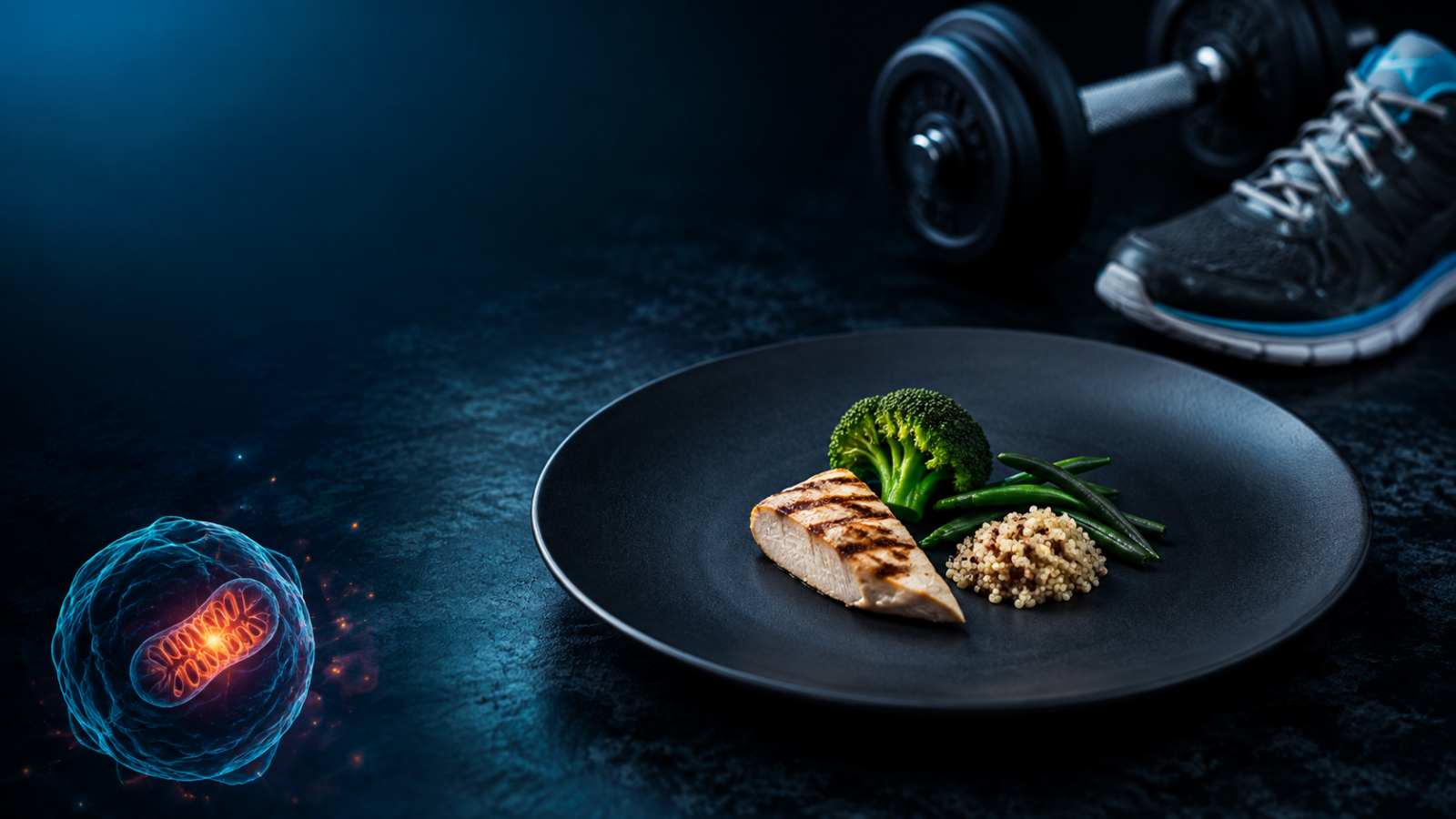


The High-Performer Recovery Gap
You train hard. You eat clean. You optimize your sleep. You manage stress. And yet, you still feel it.
That lingering soreness. The brain fog that won’t lift. The fatigue that pushes through despite eight hours in bed. The sensation that your body is running on fumes while your mind stays locked in go-mode.
This is not laziness. It is not failure. It is a recovery deficit.
Modern high performers, executives, entrepreneurs, athletes, clinicians, business owners, face an unusual biological problem: the gap between physical and mental output, and the body’s actual capacity to repair and adapt.
Work stress, training load, sleep disruption, hormone shifts, inflammation, and nutrient depletion create a compounding effect. Your body is trying to recover from yesterday while managing today’s demands. And it is losing.
What Is Recovery Optimization?
Recovery optimization is an evidence-informed approach to supporting the body’s natural repair, energy production, and stress resilience systems. Using functional medicine assessment, targeted supplementation, and lifestyle foundation work, recovery optimization helps high-performing adults:
- Recover faster between workouts
- Sleep deeper and wake more rested
- Sustain steady energy without crashes
- Manage stress more effectively
- Support tissue repair and joint comfort
- Maintain resilience under high load
- Improve cognitive performance under pressure
This is not about superhuman enhancement. It is about removing the biological barriers that prevent your body from doing what it is designed to do: adapt, repair, and perform.
Why High Performers Feel Exhausted Despite Doing Everything Right
The Recovery Physiology Problem
Recovery is not passive rest. Recovery is active biology.
When you train, work under stress, or push mentally for hours, your body experiences:
- Muscle fiber micro-damage (required for adaptation)
- Depletion of intracellular energy (ATP)
- Elevation of cortisol and stress hormones
- Inflammatory signaling (both helpful and excessive)
- Sleep disruption from nervous system activation
- Nutrient depletion (amino acids, minerals, vitamins)
- Oxidative stress from energy production
The body has repair systems for all of this. They involve:
- Tissue repair signaling (cellular communication that initiates healing)
- Mitochondrial energy production (the factories that make usable cellular energy)
- Nervous system reset (the shift from “threat mode” to “rest and restore mode”)
- Hormonal regulation (the orchestration that coordinates recovery)
- Anti-inflammatory balance (inflammation when needed, but also resolution)
When these systems work well, recovery happens naturally.
When they do not work well, recovery stalls.
The Modern High-Performer Bottleneck
Most high achievers address the surface layer:
- ✓ Adequate protein intake
- ✓ Structured training
- ✓ Attempt at sleep (quality often compromised)
- ✓ Stress management (attempted but incomplete)
But underneath, the actual recovery machinery is running on empty:
- Mitochondrial energy production is inefficient
- Cortisol rhythm is flattened (never truly “off”)
- Sleep architecture is fragmented (not reaching deep restorative sleep)
- Inflammation is chronic and system-wide
- Nutrient depletion outpaces replacement
- Hormones (sex hormones, thyroid, metabolic hormones) are suboptimal
- Tissue repair signaling is weak
This is why you can “do everything right” and still feel broken.
You are not broken. Your recovery systems need support.
The 1st Optimal Approach: Test, Don’t Guess
Functional medicine recovery is built on assessment, not assumptions.
Before recommending any therapy, whether lifestyle, supplementation, or advanced recovery protocols—1st Optimal clinicians evaluate:
Medical History & Risk Review
- Injury and recovery patterns
- Medication interactions
- Cardiovascular risk
- Cancer and autoimmune history
- Current symptoms and functional limitations
Lab Assessment (When Clinically Indicated)
- Energy production: Mitochondrial function markers, ATP availability, metabolic efficiency
- Hormonal status: Testosterone, thyroid (TSH, Free T3, Free T4), cortisol, estrogen/progesterone (women), metabolic hormones
- Inflammation: hs-CRP, inflammatory cytokines, tissue-specific markers
- Nutrient status: Magnesium, vitamin D, B12, iron, zinc, omega-3 index
- Metabolic health: Fasting glucose, insulin, HbA1c, lipid panel
- Recovery markers: Glucose variability, sleep quality metrics, HRV (heart rate variability)
Functional Assessment
- Training load and recovery capacity
- Sleep quality, duration, and architecture
- Stress resilience and nervous system state
- Digestion and gut barrier function
- Movement quality and pain patterns
From this data, a clinician can identify which recovery systems actually need support—and which do not.
This is the 1st Optimal difference: We measure, then prescribe. We do not guess.
The Five Pillars of Recovery Optimization
Recovery optimization rests on five interconnected pillars. Each must be addressed for lasting results.
Pillar 1: Cellular Energy Production (Mitochondrial Support)
Your cells make energy through a process called aerobic respiration. This happens in the mitochondria—tiny organelles that convert nutrients (carbohydrates, fats, amino acids) into ATP, the usable energy currency your body runs on.
When mitochondrial efficiency declines, everything slows:
- Muscle recovery takes longer
- Brain fog worsens
- Fatigue becomes persistent
- Training performance drops
- Aging accelerates
Cellular Energy Support Therapies that may help include:
- Mitochondrial support supplementation: CoQ10, NAD+ precursors, carnitine, alpha-lipoic acid
- NAD+ (Nicotinamide Adenine Dinucleotide): A coenzyme critical for energy metabolism, DNA repair, and cellular stress resistance. Some clinical settings use NAD+ infusions to support energy production, especially in high-performing adults with fatigue or recovery challenges.
- Redox balance support: Antioxidant systems (glutathione, SOD, catalase) that regulate oxidative stress
- Metabolic foundation: Proper carbohydrate and fat availability, training periodization, sleep consistency
Pillar 2: Sleep Architecture and Nervous System Reset
Sleep is when the body actually repairs.
Deep sleep (slow-wave sleep) is when:
- Muscle protein synthesis accelerates
- Growth hormone releases
- Brain glymphatic system clears metabolic waste
- Memory consolidates
- Hormones reset
- Nervous system recalibrates
But not all sleep is equal. Fragmented sleep, light sleep, or poor sleep quality does not trigger these restorative processes.
Sleep Optimization Strategies include:
- Sleep hygiene foundation: Dark, cool room; no screens 60 minutes before bed; consistent sleep schedule
- Nervous system calm support: L-theanine (amino acid that supports calm focus and sleep readiness), magnesium (mineral that regulates muscle relaxation and nervous system signaling)
- Sleep architecture optimization: Some clinical settings use sleep-support peptides (neuromodulatory compounds studied for their potential role in deep sleep transition)
- Circadian rhythm support: Sunrise exposure, light exposure timing, consistent meal timing
- Stress resilience: Stress management practices that lower evening cortisol and allow nervous system shift to parasympathetic (rest) state
Pillar 3: Tissue Repair and Recovery Signaling
Training creates micro-damage. Overuse creates inflammation. Injury creates breakdown.
The body’s repair response involves cellular signaling, chemical messages that tell cells “repair needed here” and activate the repair machinery.
When signaling is strong, recovery is efficient. When it is weak, recovery stalls.
Tissue Repair Support Strategies include:
- Recovery peptides: Synthetic peptides studied for their role in supporting tissue repair signaling, angiogenesis (blood vessel formation), collagen organization, and inflammation modulation. These may support soft tissue recovery, joint comfort, and adaptation to training.
- Blood flow optimization: Proper hydration, cardiovascular fitness, nitric oxide support (beet juice, arginine, citrulline), and circulation techniques like blood flow restriction training (BFR)
- Anti-inflammatory nutrition: Omega-3 fatty acids, polyphenols (berries, green tea), curcumin, ginger
- Protein and amino acids: Adequate total protein, leucine-rich sources, timing of protein around training
- Mechanical stimulus: Smart strength training that creates appropriate load without excessive breakdown
[Watch: Blood Flow Restriction Training for Recovery — 1st Optimal BFR therapy educational video]
Pillar 4: Hormonal Foundation (Women and Men)
Hormones coordinate recovery.
For women:
- Estrogen and progesterone regulate sleep, inflammation, energy substrate preference, and muscle recovery
- Perimenopause (often years 40–55) creates hormone volatility that disrupts sleep, increases inflammation, and impairs recovery
- Thyroid function affects energy, metabolism, and recovery capacity
- Cortisol rhythm (when it is not flattened) helps coordinate the stress response and recovery cycles
For men:
- Testosterone supports muscle protein synthesis, energy, mood, and libido
- Testosterone decline (often starting age 30–40) impairs recovery, increases body fat, and lowers energy
- Thyroid and metabolic health affect training capacity and body composition
- Cortisol regulation affects stress resilience and sleep quality
Hormonal Assessment & Support includes:
- Comprehensive hormone panel (not just one snapshot)
- Thyroid assessment (TSH, Free T4, Free T3, thyroid antibodies)
- Sex hormone evaluation (testosterone, estrogen, progesterone—context and cycle timing matter)
- Cortisol rhythm (usually 4-point saliva or serum)
- Metabolic hormone health (fasting insulin, glucose tolerance)
- Personalized hormone optimization based on labs, symptoms, and goals
[Schedule a Consultation — Work with 1st Optimal clinicians to assess your hormonal foundation]
Pillar 5: Gut Health and Nutrient Absorption
You can eat all the right nutrients, but if your gut barrier is compromised or your microbiome is dysbiotic, absorption suffers.
Gut barrier dysfunction allows bacterial lipopolysaccharides (LPS) to enter circulation, triggering chronic low-grade inflammation that impairs recovery.
Poor microbiome health reduces the production of short-chain fatty acids (butyrate) that feed your gut lining and support immune regulation.
Gut Health Foundation includes:
- Barrier support: L-glutamine, zinc, bone broth collagen, adequate protein
- Microbiome diversity: Fiber, fermented foods, resistant starch, prebiotic foods
- Inflammation resolution: Omega-3 fatty acids, polyphenols, anti-inflammatory foods
- Infection screening: GI-MAP testing for pathogenic overgrowth, SIBO, dysbiosis
- Digestive function: Adequate HCl, enzyme support when needed, meal timing and composition
Understanding the Recovery Stack Approach
When recovery systems are weak, a single intervention rarely solves the problem.
The recovery stack is a layered approach: Each therapy addresses a different part of the recovery equation. Together, they create a synergistic effect that is stronger than any single component alone.
Think of it like building a house:
- You need the foundation (sleep, nutrition, training foundation, hormones)
- You need the frame (cellular energy, nervous system calm, tissue repair signaling)
- You need the finishing (micronutrients, stress management, movement quality)
Missing any layer, and the house is unstable.
The Five-Layer Recovery Stack
Layer 1: Foundation (Non-Negotiable)
- Sleep: 7–9 hours, consistent timing, dark and cool environment
- Protein: 1.2–2.0 g/kg body weight daily, spread across meals
- Movement: Strength training 3–4x weekly, cardiovascular fitness, flexibility work
- Hydration: Proper water and electrolyte intake
- Stress management: Meditation, breathwork, time in nature, social connection
- Nutrition: Whole foods, colorful vegetables, healthy fats, stable blood sugar
Layer 2: Nutritional Support
- Magnesium: 300–400 mg daily (supports muscle relaxation, nervous system regulation, energy production)
- Vitamin D: 1,000–4,000 IU daily (supports immune function, bone health, recovery)
- Omega-3 fatty acids: 2–3 g daily (supports inflammation resolution, mitochondrial function)
- B vitamins: Particularly B6, B12, folate (support energy production and neurotransmitter synthesis)
- Zinc: 10–15 mg daily (supports immune function and tissue repair)
- Iron status: Adequate but not excessive (supports energy production and oxygen delivery)
Layer 3: Sleep and Nervous System Optimization
- L-Theanine: 100–200 mg in evening (supports calm focus and sleep readiness)
- Magnesium (glycinate or threonate forms): 200–400 mg evening dose (supports muscle relaxation and sleep quality)
- Sleep hygiene protocol: Dark room, cool temperature, no screens 60 minutes before bed, consistent schedule
- Stress resilience practices: Meditation, breathing work, journaling, nature exposure
Layer 4: Cellular Energy and Recovery Support
- NAD+ supplementation: In clinical settings, some practitioners use NAD+ infusions (100–1,000 mg) to support mitochondrial energy production, DNA repair, and cellular stress resistance. Dosing and route should be determined by a licensed provider.
- CoQ10: 100–300 mg daily (supports mitochondrial energy production)
- Carnitine: 1,000–2,000 mg daily (supports energy substrate utilization)
- Antioxidant support: Glutathione, SOD, catalase (support redox balance)
Layer 5: Tissue Repair and Adaptation Signaling
- Recovery peptides: In clinical settings, synthetic peptides may be used to support tissue repair signaling, angiogenesis, and inflammation modulation. Examples discussed in research include body-protection compound peptides and thymosin-derived peptides. These require medical supervision, proper sourcing, and monitoring.
- Blood flow optimization: BFR training, cardiovascular fitness, circulation support supplements
- Anti-inflammatory nutrition: Omega-3 fatty acids, polyphenols, curcumin, ginger
- Targeted amino acids: Leucine, glutamine, collagen peptides
What the Science Says (Without the Hype)
Cellular Energy (NAD+ and Mitochondrial Support)
NAD+ (Nicotinamide Adenine Dinucleotide) is a coenzyme found in every cell. It plays a central role in:
- Energy metabolism: NAD+ helps shuttle electrons through the electron transport chain, the final step of ATP production
- DNA repair: NAD+ is consumed by DNA repair enzymes (PARPs) when cells experience stress
- Sirtuin activation: Sirtuins are enzymes involved in cellular stress resistance, mitochondrial function, and metabolic health—all NAD+-dependent
- Oxidative stress regulation: NAD+ and related molecules help regulate redox balance, the body’s internal oxidation-reduction system
Research context: Studies in animal models and limited human trials suggest NAD+ support may help with energy production, fatigue, recovery, and resilience under stress. Human evidence is still emerging, and NAD+ is not a replacement for proper sleep, nutrition, and training.
Educational only: NAD+ is being studied for its role in cellular function. It is not a “cure” or “treatment” for any disease. It should only be used under medical supervision.
Sleep Architecture and Neuromodulation
Neuromodulatory peptides are compounds that influence how the brain regulates physiological states (like sleep, stress response, and wakefulness) rather than directly forcing a specific outcome.
Sleep-support peptides have been studied for their potential role in:
- Slow-wave (deep) sleep transition
- Sleep architecture optimization
- Nervous system balance
- Stress response modulation
Research context: Most evidence comes from animal studies and older, limited human research. Sleep-support peptides do not work like sleep medication, they are not “sleeping pills.” Rather, they may help the brain shift into sleep-ready states when combined with proper sleep hygiene and stress management.
Educational only: Sleep-support peptides are being studied for their potential role in sleep and stress resilience. Human evidence is limited. These compounds require medical supervision and should only be prescribed by a qualified provider who can assess your sleep patterns, rule out underlying disorders, and monitor your response.
Tissue Repair Signaling
Recovery peptides (including compounds like body-protection peptides and thymosin-derived peptides) are synthetic molecules designed to support repair-related cellular pathways:
- Angiogenesis: The formation of new blood vessels. Tissues need blood flow to heal.
- Fibroblast activation: The cells that create connective tissue, collagen, and the structural matrix of tendons, ligaments, and fascia
- Growth factor signaling: Communication pathways that tell cells “grow and repair”
- Inflammation modulation: Support for the resolution phase of inflammation (not just reduction, but proper completion)
Research context: Recovery peptides have been studied in animal models and limited human studies, with promising results in soft tissue recovery, joint comfort, and training adaptation. However, human evidence is still emerging, and these peptides are not “cures” for injury or disease.
Educational only: Recovery peptides are being studied for their potential role in tissue repair and recovery signaling. They are not treatments for any medical condition. They require medical supervision, proper sourcing (pharmaceutical grade only), and clinical oversight. Peptides should never be purchased from research chemical suppliers or unregulated sources.
Nervous System Calm and L-Theanine
L-Theanine is an amino acid found naturally in green tea. It has been studied for its potential to support:
- Alpha brain wave activity: Associated with calm, alert states
- Neurotransmitter balance: May support healthier glutamate-GABA balance
- Stress response: May help soften the stress response without impairing performance
- Sleep readiness: May support the transition to sleep without sedation
Research context: L-Theanine is well-studied and generally safe. Effects are modest (not dramatic) and are enhanced when combined with other recovery practices.
Magnesium and Systemic Recovery
Magnesium is an essential mineral involved in over 300 enzyme systems. For recovery specifically:
- Muscle relaxation: Counteracts calcium-driven contraction; supports muscle relaxation and reduces tension
- Nervous system regulation: Interacts with NMDA receptors and helps shift the nervous system toward parasympathetic (rest) state
- Energy production: Required for ATP function (technically, most ATP is active as “magnesium-ATP”)
- Sleep quality: Supports the nervous system transition to sleep and can improve sleep depth
- Inflammation resolution: Supports anti-inflammatory pathways and immune regulation
Research context: Magnesium deficiency is common in high-performing adults, especially those under chronic stress. Supplementation has strong evidence for sleep support, muscle relaxation, and energy. Absorption and form matter (glycinate and threonate forms are better absorbed than oxide).
Comparison Table: Recovery Support Modalities
| Recovery System | What It May Support | Mechanism of Action | Best For | Clinical Context |
|---|---|---|---|---|
| Cellular Energy Support (NAD+) | Energy production, mitochondrial function, fatigue, recovery | Supports electron transport, DNA repair, sirtuin activation | Low energy, brain fog, post-training fatigue | Injectable or IV administration under medical supervision; emerging human evidence |
| Sleep Optimization Peptides | Sleep quality, deep sleep transition, stress resilience | Neuromodulation of sleep-wake signaling; potential HPA axis support | Poor sleep quality, nervous system activation, stress-related insomnia | Limited human evidence; requires medical supervision; not a sleep medication |
| L-Theanine | Calm focus, sleep readiness, stress resilience | Supports alpha brain waves, GABA-glutamate balance, stress buffering | Stress-wired individuals, evening nervous system calm, sleep preparation | Oral supplementation; well-studied; modest but reliable effects |
| Magnesium | Muscle relaxation, nervous system calm, sleep quality, energy | Muscle relaxation, NMDA receptor support, ATP cofactor | Muscle tension, poor sleep, stress, recovery | Oral supplementation; highly practical; evidence-based; widely available |
| Tissue Repair Signaling Peptides | Tissue recovery, soft tissue comfort, training adaptation | Angiogenesis support, fibroblast activation, growth factor signaling, inflammation modulation | Post-training soreness, soft tissue recovery, training adaptation | Injectable administration; requires pharmaceutical-grade sourcing; medical supervision essential |
| Blood Flow Restriction Training | Recovery support, muscle adaptation, joint stress reduction | Reduced mechanical load with increased metabolic stress; angiogenesis signaling | Training recovery, joint-friendly adaptation, time-efficient workouts | Equipment-based; can be self-administered; evidence-based; lower cost |
| Nutrition Foundation (Protein, Micronutrients, Anti-inflammatory foods) | All recovery systems | Substrate for repair, cofactors for enzyme systems, inflammation resolution | Everyone; foundational for all other interventions | Oral; practical; essential; no medical supervision required |
| Sleep Foundation (7–9 hours, consistency, environment) | All recovery systems | Allows deep sleep architecture, nervous system reset, hormone coordination | Everyone; foundational | Behavioral; essential; no cost; maximizes all other interventions |
Who This Recovery Approach Is For
This recovery optimization framework is designed for high-achieving adults aged 35–55 who:
- Train regularly and struggle with recovery despite effort
- Experience persistent fatigue despite adequate sleep attempts
- Have poor sleep quality (fragmented, light, or non-restorative)
- Feel stressed but still “wired” (nervous system dysregulation)
- Have experienced tissue soreness or soft tissue irritation that lingers
- Are under high work or life stress
- Want sustained energy and resilience without stimulants
- Have hormone changes affecting recovery (perimenopause, testosterone decline)
- Have already addressed the basics (nutrition, training, sleep hygiene) but need deeper support
- Are willing to work with medical providers and get proper testing
Women: Perimenopause and Hormonal Recovery
Women ages 40–55 often experience a unique recovery challenge: hormonal volatility.
As estrogen and progesterone fluctuate during perimenopause:
- Sleep becomes fragmented
- Inflammation increases system-wide
- Recovery from training slows
- Energy becomes inconsistent
- Joint and soft tissue discomfort may increase
- Mood and stress resilience shift
Recovery optimization for perimenopausal women should include:
- Comprehensive hormone assessment (not just a single snapshot)
- Hormone optimization when appropriate (bioidentical hormones, herbal support, or other approaches)
- Extra attention to sleep architecture support
- Inflammation modulation through nutrition and targeted therapies
- Stress resilience practices (critical during hormone shifts)
Men: Testosterone Decline and Energy Recovery
Men ages 40–60 often experience subtle testosterone decline that impacts recovery.
Signs include:
- Lower energy despite adequate sleep
- Slower muscle recovery
- Increased body fat despite training
- Lower drive or motivation
- Reduced strength or endurance
Recovery optimization for aging men should include:
- Testosterone assessment (fasting, early morning preferred)
- Free testosterone and SHBG evaluation (not just total testosterone)
- Optimization through lifestyle (sleep, strength training, stress management) or hormone therapy when appropriate
- Mitochondrial energy support (especially important as cellular efficiency declines)
- Targeted training to maintain muscle mass
[Schedule a Men’s Performance Consultation — Work with 1st Optimal clinicians on energy, recovery, and hormone optimization]
Who Needs Extra Caution (Medical Screening)
Recovery optimization requires medical supervision. Extra caution is needed for people who:
- Are pregnant or breastfeeding
- Have active cancer or recent cancer history (peptides may influence immune and growth signaling)
- Have autoimmune disease or immune dysregulation
- Have uncontrolled cardiovascular disease or significant cardiac risk
- Have severe liver or kidney disease
- Use anticoagulant medications or immune-modulating drugs
- Have active infection
- Have a history of severe allergic reactions or injection reactions
- Compete in drug-tested sports (some compounds may be prohibited)
- Have unexplained pain that has not been properly diagnosed (must rule out serious pathology first)
- Are purchasing compounds from research chemical websites (sourcing matters; pharmaceutical-grade compounds only)
What Should Be Assessed First
Before considering advanced recovery protocols, a responsible program should include:
Clinical Assessment
- Detailed medical and injury history
- Medication review (for interactions and contraindications)
- Cardiovascular risk evaluation
- Cancer history review
- Autoimmune history review
- Current pain or dysfunction assessment
- Sleep quality and patterns
- Stress and recovery capacity evaluation
Lab Testing (When Clinically Indicated)
- Energy and mitochondrial markers: Fasting glucose, fasting insulin, HbA1c, lipid panel, hs-CRP, CoQ10 status
- Hormonal assessment: Testosterone (men), estrogen/progesterone (women), thyroid panel (TSH, Free T4, Free T3), cortisol rhythm, DHEA
- Micronutrient status: Vitamin D, B12, magnesium, iron (ferritin, serum iron), zinc
- Recovery and inflammation markers: hs-CRP, inflammatory cytokines, HRV (heart rate variability)
- Gut and barrier function: GI-MAP, SIBO breath testing, zonulin, intestinal permeability markers
Training Load and Functional Assessment
- Current training program structure and volume
- Recovery protocols in place (or not)
- Movement quality and pain patterns
- Cardiovascular fitness assessment
- Strength and power baselines
[Schedule Your Assessment — Get comprehensive lab work and functional evaluation from 1st Optimal clinicians]
The Recovery Optimization Protocol—How It Works
Recovery optimization is a layered, evidence-informed process. It is not a single therapy. It is a framework.
Step 1: Assessment and Testing (Weeks 1–2)
- Medical history and risk screening
- Relevant lab work (determined based on your symptoms and goals)
- Sleep assessment and wearable data (if available)
- Training load review
- Hormone evaluation (when indicated)
- Gut function assessment (when indicated)
Step 2: Foundation Building (Weeks 2–8)
Optimize the non-negotiables:
- Sleep hygiene and sleep schedule
- Protein and whole-food nutrition
- Training program periodization
- Stress management practices
- Micronutrient repletion (Vitamin D, magnesium, omega-3, B vitamins)
This phase alone often improves recovery significantly. Do not skip this step.
Step 3: Targeted Support (Weeks 8–16)
Based on your assessment, add targeted therapies:
- For energy and fatigue: NAD+ infusions, CoQ10, carnitine, B vitamin support
- For sleep: Magnesium supplementation, L-theanine, sleep hygiene optimization, hormone support if needed
- For tissue recovery: Recovery peptides, BFR training, targeted amino acids, anti-inflammatory nutrition
- For stress resilience: L-theanine, magnesium, stress management intensification, potentially hormone optimization
- For hormone optimization: Bioidentical hormones, herbal support, or targeted supplementation based on labs
Step 4: Monitoring and Adjustment (Ongoing)
Track progress through:
- Symptom improvement (energy, sleep quality, soreness, stress resilience)
- Performance metrics (training capacity, strength, endurance)
- Lab reassessment (at 8–12 weeks, then periodically)
- Wearable data (sleep, HRV, recovery)
- Functional assessments (regular check-ins with your provider)
Adjust the protocol based on response. Recovery is dynamic; your protocol should be too.
FAQ: Recovery Optimization for High Performers
General Recovery Questions
Q1: What is the difference between recovery optimization and regular supplementation?
A: Regular supplementation is often generic (“take a multivitamin”). Recovery optimization is personalized and targeted. It starts with assessment, identifies what is actually limiting your recovery, and then prescribes specific therapies to address those barriers. This is why it works better.
Q2: How long does it take to see results?
A: Foundation improvements (sleep, energy, stress resilience) often emerge within 2–4 weeks of optimization. Tissue repair and training adaptation may take 8–12 weeks. Hormone optimization takes longer (3–6 months for full effects). Results vary based on baseline health, adherence, and the severity of your recovery deficit.
Q3: Can I do this on my own, or do I need a provider?
A: You can do the foundation work yourself (sleep, nutrition, training). But advanced therapies—especially peptides and NAD+ infusions, require medical supervision. A provider ensures proper screening, sourcing (pharmaceutical-grade compounds only), dosing, and monitoring for safety and efficacy.
Q4: Is this just for athletes?
A: No. Business owners, executives, clinicians, parents, and anyone under high performance demand benefit from recovery optimization. The goal is not just athletic performance, it is sustained energy, better sleep, stress resilience, and the ability to perform at your best despite demanding life.
Q5: What if I do not have hormone imbalances? Do I still need this?
A: Hormones are one piece. Many people have excellent hormones but poor energy because their mitochondria are inefficient or their nervous system is constantly activated. Assessment reveals what is actually limiting you.
Sleep-Specific Questions
Q6: Can I use sleep-support peptides instead of fixing my sleep hygiene?
A: No. Peptides are an adjunct, not a replacement. Sleep hygiene (dark room, cool temperature, consistent schedule, no screens before bed) is foundational. Peptides work better when the foundation is already in place.
Q7: Is L-Theanine a sedative?
A: No. L-Theanine is not a sedative like melatonin or pharmaceutical sleep aids. It is a nervous system support compound that promotes calm focus and sleep readiness. It works by helping the nervous system transition from “threat mode” to “rest mode.”
Q8: What is the difference between magnesium types?
A: Magnesium forms vary in absorption and effect. For sleep and nervous system support, glycinate, threonate, and malate forms are better absorbed than oxide. Magnesium oxide is cheaper but poorly absorbed and can have a laxative effect.
Tissue Recovery Questions
Q9: How do recovery peptides differ from growth hormone?
A: Recovery peptides support tissue repair signaling through specific pathways (angiogenesis, fibroblast activation, inflammation modulation). Growth hormone is a hormone that affects the whole-body growth and metabolic state. They work through different mechanisms and have different risk profiles. Both require medical supervision.
Q10: Are recovery peptides legal?
A: That depends on your location and whether you are using pharmaceutical-grade, prescription compounds under medical supervision. Many recovery peptides are available through licensed medical providers for clinical use. Peptides purchased from research chemical suppliers or unregulated sources are not legal and carry serious quality and safety risks.
Q11: Can I use BFR training on my own?
A: BFR (Blood Flow Restriction) training can be learned and performed independently with proper instruction. However, it is safer and more effective when learned from someone trained in the technique. Poor technique reduces efficacy and may cause discomfort.
Energy and NAD+ Questions
Q12: What is NAD+, and why does it matter for recovery?
A: NAD+ (Nicotinamide Adenine Dinucleotide) is a coenzyme in every cell that supports energy production, DNA repair, and stress resilience. As we age, NAD+ levels decline, potentially contributing to fatigue and slower recovery. Some clinical settings use NAD+ support to help restore energy and mitochondrial function.
Q13: Is NAD+ supplementation the same as NAD+ infusions?
A: No. Oral NAD+ precursors (like NMN or NR) can be taken as supplements. NAD+ infusions (50–1,000 mg) are given intravenously by a licensed provider. Infusions bypass the digestive system and deliver higher doses directly into the bloodstream. Both may support energy, but infusions are more potent and require medical supervision.
Q14: Can NAD+ replace sleep?
A: Absolutely not. NAD+ supports energy production, but it cannot replace the deep restoration that happens during sleep. Sleep is non-negotiable. NAD+ is a support tool, not a substitute.
Hormone-Specific Questions
Q15: I am in perimenopause. Will recovery peptides help?
A: Recovery peptides address tissue repair and recovery signaling. Perimenopause is a hormone issue. Both may need to be addressed: hormone optimization for your hormonal state, and recovery peptides for tissue repair if you have specific recovery challenges. Assessment reveals what is actually limiting you.
Q16: Do I need hormone therapy to benefit from recovery optimization?
A: Not necessarily. Many people improve significantly with sleep, nutrition, stress management, and targeted supplementation. Some people need hormone optimization to feel their best. Lab work and assessment reveal what is needed for you specifically.
Practical Implementation Questions
Q17: Can I combine all these therapies at once?
A: No. Start with the foundation (sleep, nutrition, training). After 4–8 weeks, add targeted therapies based on what is still limiting you. Layering too many changes at once makes it impossible to know what is working.
Q18: How much does a recovery optimization program cost?
A: Cost varies. Basic foundation work (sleep, nutrition, training optimization) can be done with education and guidance. Lab testing ranges $500–$2,000 depending on depth. Supplements are $100–$300/month depending on the protocol. Advanced therapies (NAD+ infusions, peptides) range $500–$2,000 per dose or protocol.
[Pricing and Program Details — See 1st Optimal service packages and investment information]
Q19: Is recovery optimization covered by insurance?
A: Most functional medicine assessment and optimization is not covered by insurance because it is preventive and performance-focused, not disease-treatment. Lab work may be partially covered if ordered by a medical provider. Supplements and advanced therapies are typically out-of-pocket.
Q20: What if I try this and it does not work?
A: Recovery is complex. If you do not see improvement after 8–12 weeks, your protocol should be adjusted. This might mean:
- Adding or removing a therapy
- Changing doses
- Addressing a barrier that was not identified initially (undiagnosed sleep apnea, thyroid dysfunction, etc.)
- Reassessing labs to see if new information emerges
- Working with a different provider or specialist
The goal is always improvement. If it is not happening, something needs to change.
The 1st Optimal Advantage: Why This Approach Works
Integrated Assessment
Most providers specialize in one area: hormones, or sleep, or gut health, or training. 1st Optimal clinicians assess the whole system. This reveals how energy, hormones, sleep, stress, and tissue recovery interact.
Evidence-Based Medicine Without the Marketing
You will not hear “reverse aging” or “superhuman recovery” at 1st Optimal. You will hear “supported by research,” “may help,” “requires testing,” and “works best when combined with proper foundation.”
Physician-Guided Protocols
Every protocol is guided by a licensed medical provider. This ensures:
- Proper screening for contraindications
- Pharmaceutical-grade compounds only
- Appropriate dosing and administration
- Monitoring for safety and efficacy
- Adjustment based on your individual response
Long-Term Accountability
You are not buying a product. You are building a relationship with a provider who monitors your progress, adjusts your protocol, and helps you achieve sustainable high performance.
Practical for Real Life
1st Optimal understands that you are not training in a lab. You are training, working, managing life, and trying to recover in the real world. Protocols are designed for practical implementation, not theoretical perfection.
Getting Started—Your Recovery Optimization Blueprint
Step 1: Get Assessed
The first step is not supplementation. It is understanding what is actually limiting your recovery.
[Schedule Your Initial Consultation → https://1stoptimal.com/book-a-call/]
During your consultation, you will:
- Review your recovery challenges and goals
- Discuss your medical history and medications
- Assess your current sleep, energy, training, and stress patterns
- Determine which labs would be most informative
- Create a personalized assessment plan
Step 2: Get Tested (If Needed)
Based on your assessment, relevant lab work is ordered. This is not a generic “full panel.” It is targeted testing that reveals what is actually limiting you.
Common tests include:
- Hormone panels (testosterone, thyroid, cortisol, estrogen/progesterone)
- Energy and mitochondrial markers
- Micronutrient status
- Inflammation markers
- Gut function (when indicated)
- Wearable data (sleep, HRV) when available
Step 3: Build Your Foundation Protocol
The first phase focuses on non-negotiables:
- Sleep optimization (room environment, schedule, hygiene)
- Nutrition (protein, micronutrients, anti-inflammatory foods)
- Training periodization (smart load management)
- Stress management (specific practices for your lifestyle)
- Basic supplementation (magnesium, vitamin D, omega-3, B vitamins)
This phase usually improves energy and sleep significantly.
Step 4: Implement Targeted Therapies
Once foundation is solid, add targeted protocols based on your labs and symptoms:
- NAD+ for energy and cellular support
- L-Theanine and magnesium for sleep and calm focus
- Recovery peptides for tissue repair and training adaptation
- Hormone optimization if labs indicate need
- Specialized nutrition based on your micronutrient status
Step 5: Monitor and Adjust
Progress is tracked through:
- Symptom improvement (energy, sleep, soreness, resilience)
- Lab markers (improvements in inflammatory markers, hormone balance, micronutrient status)
- Performance metrics (training capacity, strength, endurance)
- Regular check-ins with your provider
Your protocol adjusts based on your response and new data.
The Recovery Optimization Guide: Your Practical Framework
Ready to go deeper into implementation?
1st Optimal has created a detailed recovery optimization guide that walks you through the framework step-by-step.
This guide includes:
- Sleep optimization protocols for different challenges
- Supplement timing and dosing guidelines
- Training periodization for better recovery
- Nutrition strategies for your specific goals
- Stress management practices for real life
- Lab interpretation and what to prioritize
- How to work with your provider for best results
[Download Your Free Recovery Optimization Guide → https://1stoptimal.com/recharge-recover-and-repeat-guide/]
This is your practical next step after understanding the framework. Download it, review it, and bring your questions to your consultation.
Video Resources: Learn More About Recovery Optimization
Comprehensive Educational Content
Sleep Optimization for High Performers
Recovery Peptides and Tissue Repair
Blood Flow Restriction Training for Recovery
Short-Form Educational Clips
- Why High Performers Are Tired [Embedded: 1st Optimal shorts — https://youtube.com/shorts/r0nmQSvIFYM]
- The Recovery Stack Explained [Embedded: 1st Optimal shorts — https://youtube.com/shorts/MUddVtU7ayM]
- NAD+ and Mitochondrial Health [Embedded: 1st Optimal shorts — https://youtube.com/shorts/B5i4CsRkbGA]
- Sleep Architecture and Deep Recovery [Embedded: 1st Optimal shorts — https://youtube.com/shorts/oBylO8pemHw]
- Hormone Imbalance and Recovery [Embedded: 1st Optimal shorts — https://youtube.com/shorts/XM3eU0XU58A]
Key Takeaway: The Recovery Framework
High performers deserve recovery that matches their performance demands.
The recovery stack approach, combining cellular energy support, sleep optimization, nervous system calm, tissue repair signaling, and foundational nutrition, offers a comprehensive framework for:
- Faster recovery between training sessions
- Deeper, more restorative sleep
- Sustained energy without stimulants
- Better stress resilience
- Improved joint and soft tissue comfort
- Enhanced cognitive performance under load
- Sustainable, long-term high performance
The goal is not superhuman enhancement. The goal is to stop feeling broken and start feeling like your body is designed to perform: capable, resilient, and recovering well.
Disclaimer: Educational Content Only
This article is educational only and not medical advice. Recovery optimization strategies, particularly those involving peptides, NAD+ therapy, and other advanced interventions, should only be pursued under the direction of a qualified healthcare provider.
1st Optimal is a functional medicine clinic with licensed medical providers. All recommendations in this article are educational in nature. Individual assessment, lab work, and medical oversight are required before implementing any recovery protocol.
The information presented is based on current research and clinical experience, but results vary by individual. Always consult with your healthcare provider before starting any new supplementation, protocol, or therapy.
Your Recovery Blueprint Starts Here
You have the framework. You have the science. You have the strategy.
Now it is time to apply it to your life and body.
Next Steps:
- Download Your Recovery Optimization Guide
Get the practical playbook for implementing each pillar of recovery.
https://1stoptimal.com/recharge-recover-and-repeat-guide/ - Book Your Initial Consultation
Work with an 1st Optimal clinician to assess your recovery baseline, determine which labs would help most, and create your personalized protocol.
Book Your Free 20-Minute Consultation → https://1stoptimal.com/book-a-call/
During your call, you will:
- Review your current recovery challenges and performance goals
- Discuss your medical history, medications, and lifestyle
- Determine which assessment and labs make sense for you
- Get clarity on what is actually limiting your recovery
- Learn exactly how to get started with your personalized recovery plan
This is not a sales call. It is a diagnostic call designed to help you understand what would actually help, and whether 1st Optimal is the right fit for your goals.
The Recovery Optimization Promise
You will not get generic advice. You will not be sold on hype.
You will get evidence-informed, personalized, clinician-guided recovery optimization designed to help you recover faster, sleep deeper, sustain energy better, and maintain high performance for the long term.
Your recovery is worth the investment.
Book Your Consultation Today → https://1stoptimal.com/book-a-call/