
Introduction
Prediabetes is often referred to as the “silent condition,” quietly impacting millions before it escalates into Type 2 diabetes. For individuals between the ages of 35 and 55, especially those with higher incomes and a proactive approach to health, understanding the subtle signs of prediabetes is crucial for early intervention. This post will explore the six warning signs of prediabetes, and how recognizing them early can empower you to take action, optimizing your health and preventing long-term complications.
Understanding the early indicators of prediabetes is essential, as the window for intervention is small. The earlier you catch these signs, the easier it is to make lifestyle adjustments to reverse the condition. Prediabetes may not show noticeable symptoms, but with the right information and the right resources, it’s possible to restore your health before more severe conditions arise.
What is Prediabetes?
Prediabetes is a condition where blood sugar levels are higher than normal but not yet high enough to be classified as Type 2 diabetes. This intermediate stage is often unnoticed because its symptoms are mild or non-existent. However, prediabetes significantly increases the risk of developing Type 2 diabetes, which can lead to other serious health issues like heart disease, kidney damage, and vision loss.
While many people with prediabetes may not feel ill, the underlying metabolic disruptions are affecting their body’s ability to process glucose properly. Early intervention and lifestyle changes, such as diet modifications, increased physical activity, and stress management, are key to preventing the progression to Type 2 diabetes. The good news is that by making these changes, you can avoid or even reverse the condition.
6 Warning Signs of Prediabetes
1. Constant Fatigue
A hallmark of prediabetes is constant fatigue. When your cells struggle to use glucose for energy due to insulin resistance, even after a good night’s rest, you may still feel sluggish and worn out. This ongoing tiredness can interfere with daily activities and overall well-being.
Why It Happens:
Insulin resistance is a condition in which your body’s cells no longer respond effectively to insulin, causing glucose to accumulate in the bloodstream rather than being absorbed by your cells for energy. As a result, your body is unable to access the energy stored in glucose, leading to persistent tiredness.
Scientific Insight:
According to a study published in the Journal of Clinical Endocrinology & Metabolism (2019), insulin resistance has a direct impact on energy metabolism, making individuals with prediabetes more likely to experience fatigue due to the inability to use glucose efficiently. This fatigue often occurs even after adequate sleep, as your body is not receiving the energy it needs from food.
How to Address It:
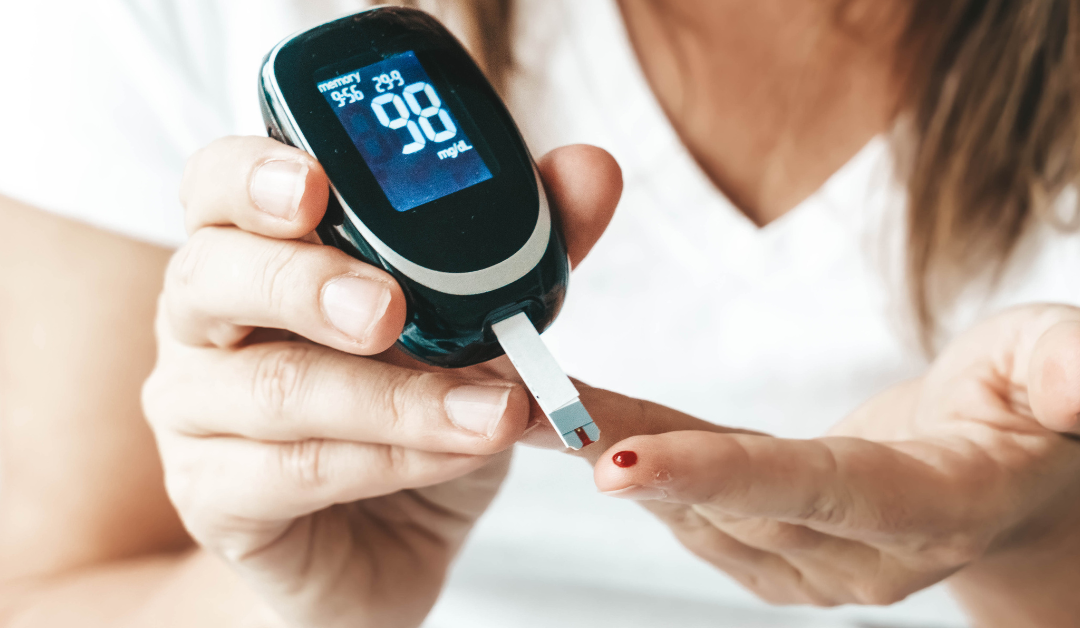
- Monitor blood glucose levels regularly to identify early signs of insulin resistance.
- Focus on a balanced diet with complex carbohydrates, lean proteins, and healthy fats that promote steady energy.
- Exercise regularly to increase insulin sensitivity and improve your body’s ability to use glucose efficiently.
2. Increased Thirst + Frequent Urination
High blood sugar can pull water from your tissues, leaving you feeling unusually thirsty. Frequent urination is another common symptom, as your body works overtime to eliminate excess sugar through urine. If you find yourself reaching for a drink more often and visiting the bathroom more frequently, this could be an early sign of prediabetes.
Why It Happens:
When blood sugar levels rise, your kidneys work to filter out the excess glucose, leading to increased urination. As you lose more water through urination, your body becomes dehydrated, triggering a sensation of extreme thirst.
How to Address It:
- Stay hydrated with water, but be mindful of your blood sugar levels. Avoid sugary drinks that can exacerbate the problem.
- Consult with a healthcare provider about blood glucose testing to check for potential abnormalities.
- Eat foods with a low glycemic index to help maintain more stable blood sugar levels.
3. Midsection Weight Gain
Insulin resistance leads to fat storage, particularly around the belly. A growing waistline is often one of the earliest indicators of prediabetes. Insulin’s inability to regulate blood sugar can result in more fat being stored in your abdominal area.
Why It Happens:
When insulin resistance develops, the body stores excess glucose as fat, especially in the abdominal region. This type of fat, known as visceral fat, is associated with a higher risk of developing Type 2 diabetes and cardiovascular diseases.
Scientific Insight:
Visceral fat is metabolically active and can interfere with the body’s ability to regulate blood sugar levels. According to a 2020 study in Diabetes Care, abdominal obesity significantly contributes to the development of insulin resistance, making midsection weight gain a key indicator of prediabetes.
How to Address It:
- Focus on weight loss through a combination of calorie control and regular exercise.
- Incorporate strength training to build lean muscle mass, which improves insulin sensitivity and reduces abdominal fat.
- Monitor waist circumference as a simple yet effective way to track changes in body fat distribution.
4. Intense Sugar or Carb Cravings
Blood sugar imbalances cause rapid spikes and crashes, leading to intense cravings for sugar or carbohydrates. Insulin dysregulation plays a major role in these fluctuations, which can drive a vicious cycle of unhealthy eating.
Why It Happens:
After eating sugary or carbohydrate-heavy foods, blood sugar levels spike rapidly, followed by a sharp drop that leaves you craving more sugar to bring your energy back up. This cycle of highs and lows can cause intense cravings for sweet foods or carbs, especially when blood sugar levels fall.
How to Address It:
- Eat balanced meals with a mix of protein, fiber, and healthy fats to stabilize blood sugar.
- Avoid refined sugars and simple carbohydrates that cause rapid fluctuations in glucose levels.
- Consider smaller, more frequent meals to maintain steady energy levels throughout the day.
5. Blurry Vision
High glucose levels can affect the fluid balance in your eyes, leading to vision changes, particularly blurry vision. This symptom is often an early red flag for individuals with prediabetes and should be monitored closely.
Why It Happens:
Elevated blood sugar levels affect the fluid balance in your eyes, causing the lenses to swell and altering your ability to focus. If left unchecked, these changes can progress to more severe eye conditions such as diabetic retinopathy.
How to Address It:
- Schedule regular eye exams to monitor any changes in your vision.
- Control blood sugar levels through diet, exercise, and medication if prescribed.
- Be mindful of any vision changes and consult with your doctor for further testing.
6. Slow Healing or Frequent Infections
Increased blood sugar weakens circulation and immunity, making it harder for the body to heal from cuts, bruises, or infections. If you notice longer recovery times or more frequent illnesses, it may indicate an underlying blood sugar issue.
Why It Happens:
High blood sugar damages blood vessels and impairs circulation, making it difficult for white blood cells to reach the site of an injury or infection. This delay in the immune response slows down the healing process and increases susceptibility to infections.
How to Address It:
- Practice good wound care by keeping cuts and bruises clean and protected.
- Monitor blood sugar levels and work with a healthcare provider to manage any underlying issues.
- Strengthen your immune system by ensuring proper nutrition, hydration, and regular exercise.
What You Can Do Today: Actionable Steps
Recognizing these warning signs is the first step toward reversing prediabetes and optimizing your health. Here are actionable steps you can take today to start managing your blood sugar:
- Add 20-30 minutes of walking daily: Regular physical activity helps improve insulin sensitivity and can contribute to weight loss, both of which help manage blood sugar levels.
- Swap refined carbs for fiber-rich whole foods: Replace processed sugars and white grains with whole foods such as vegetables, legumes, and whole grains that provide steady energy without causing spikes in blood sugar.
- Increase protein at every meal: Protein helps stabilize blood sugar levels and curbs cravings, making it an essential component of any prediabetes management plan.
- Manage stress and prioritize sleep: Chronic stress and poor sleep can exacerbate insulin resistance, so incorporating stress-relief practices like mindfulness, meditation, and adequate rest is crucial for managing prediabetes.
FAQs:
- What are the best tests to diagnose prediabetes?
- Blood glucose testing, including the fasting blood glucose test, HbA1c test, and oral glucose tolerance test, are the most common diagnostic tools for prediabetes.
- How do I know if I am at risk for prediabetes?
- Key risk factors include being overweight, having a family history of diabetes, experiencing high blood pressure, or having a sedentary lifestyle.
- Can prediabetes be reversed naturally?
- Yes, with lifestyle changes such as diet modification, regular exercise, and weight management, prediabetes can be reversed.
- How often should I check my blood sugar if I’m at risk?
- It’s advisable to check your blood sugar regularly if you have risk factors for prediabetes. Speak with a healthcare provider to create a monitoring plan.
- What is the connection between insulin resistance and prediabetes?
- Insulin resistance occurs when the body’s cells do not respond properly to insulin, leading to high blood sugar levels, which is a key feature of prediabetes.
Understanding the warning signs of prediabetes is crucial for early intervention. By addressing the symptoms with proactive changes in diet, exercise, and stress management, you can avoid the progression to Type 2 diabetes. Take charge of your health today, and take the first step toward metabolic optimization.
Want to know where your metabolism stands? Take the free Blood Sugar Quiz now to get insights into your current metabolic health. Interested in personalized hormone testing or optimization services? Schedule a free health consult today!
References:
- National Institute of Diabetes and Digestive and Kidney Diseases (NIDDK)
- American Diabetes Association (ADA)
- Centers for Disease Control and Prevention (CDC)
- PubMed - Research on Insulin Resistance and Diabetes
- The Journal of Clinical Endocrinology & Metabolism
- Mayo Clinic – Diabetes and Pre-diabetes Information
About Us
1st Optimal is a functional medicine and performance health clinic dedicated to helping high-achieving adults optimize hormone health, weight, energy, and longevity. Follow 1st Optimal on Instagram
Founders:
- Joe Miller – Expert in functional medicine, hormone optimization, and health coaching. Follow Joe on Instagram
- Amber Miller – Operational leader specializing in patient experience, clinic growth, and holistic health. Follow Amber on Instagram
At 1st Optimal, we combine advanced diagnostics, personalized protocols, and coaching partnerships to deliver sustainable health results for midlife adults.