
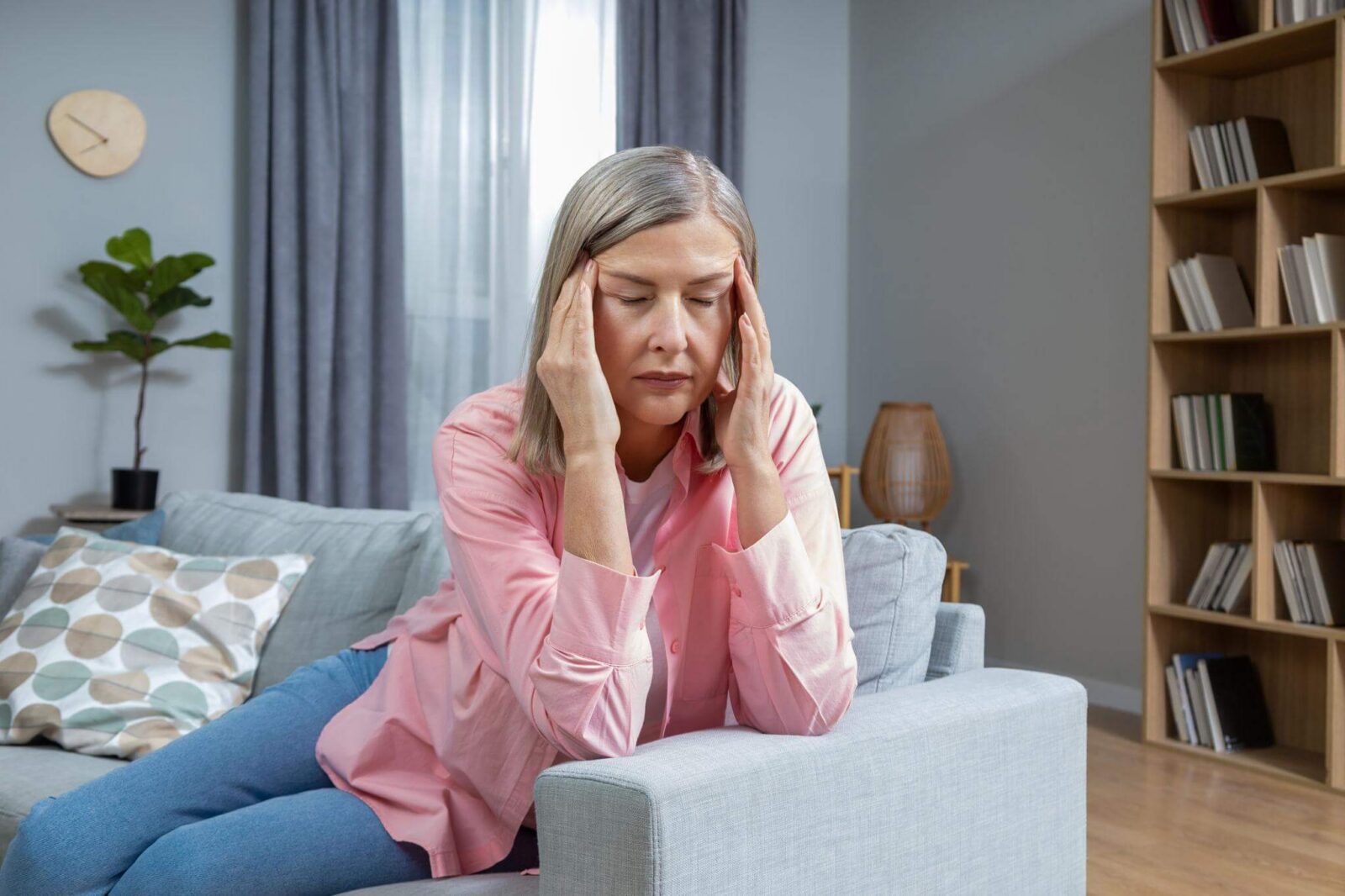
If you’re in your late 30s, 40s, or early 50s, there’s a potential explanation you may not have considered: perimenopause and changing hormone levels.
During perimenopause, estrogen levels don’t simply decline in a straight line. They can rise and fall unpredictably, creating hormonal shifts that may trigger or worsen migraine attacks in susceptible women.
And while headaches during perimenopause are common, they shouldn’t automatically be dismissed as stress, dehydration, or simply getting older.
Understanding the connection between perimenopause headaches, hormonal migraines, and estrogen fluctuations can help you recognize patterns, explore appropriate treatment options, and have more productive conversations with your healthcare provider.
What Are Perimenopause Headaches?
Perimenopause headaches are headaches that occur or change in frequency, intensity, or pattern during the transition leading up to menopause.
Perimenopause typically begins in a woman’s 40s, although some women experience changes earlier. During this phase, ovarian hormone production becomes less predictable, particularly estrogen and progesterone.
These fluctuations can influence several body systems, including those involved in pain processing, sleep, temperature regulation, and migraine susceptibility.
For women who already experience menstrual migraines, perimenopause may bring more frequent or severe attacks. Other women notice new headache patterns during this stage of life.
Important: Not every headache during perimenopause is caused by hormones. Migraine is a neurological disorder, and new or worsening headaches should be evaluated rather than assumed to be hormonal.
Why Does Perimenopause Cause Headaches and Migraines?
One of the most important factors is the relationship between estrogen fluctuations and migraine activity.
1. Estrogen Levels Become Unpredictable
Estrogen plays a role in several neurological processes involved in pain sensitivity and migraine.
During a typical menstrual cycle, estrogen levels rise and fall in a relatively predictable pattern. A drop in estrogen before menstruation can trigger migraine attacks in some women.
During perimenopause, however, menstrual cycles often become irregular. Estrogen may rise substantially during one phase and drop rapidly during another.
These abrupt changes can make hormonal migraines harder to predict.
According to the American Migraine Foundation, fluctuations in estrogen during the menopause transition can affect migraine frequency and severity.
In many cases, the speed and magnitude of hormonal changes may matter more than a single estrogen measurement.
2. Estrogen Changes Affect Migraine-Related Brain Pathways
Estrogen interacts with neurological pathways involved in migraine, including systems that regulate pain signaling and serotonin activity.
Migraine also involves the trigeminal nervous system and signaling molecules such as calcitonin gene-related peptide (CGRP).
Researchers continue to investigate how changing estrogen levels influence these pathways and why some women are more sensitive to hormonal shifts than others.
This helps explain why hormonal migraines are not simply ordinary headaches caused by a low estrogen level.
They are neurological events in which hormonal fluctuations can act as triggers.
3. Progesterone Changes May Contribute Indirectly
Progesterone production can become more irregular during perimenopause, particularly as ovulation becomes less consistent.
Although estrogen withdrawal has a stronger established connection to hormonal migraine, changing progesterone patterns may influence associated symptoms, including sleep and mood.
These changes may indirectly affect headache susceptibility in some women.
However, low progesterone should not automatically be considered the cause of migraine, and progesterone supplementation is not an established standalone migraine treatment.
4. Sleep Disruption Makes Migraines More Likely
Night sweats, hot flashes, insomnia, and fragmented sleep are common during perimenopause.
Sleep disruption is also a recognized migraine trigger.
This can create a difficult cycle:
- Hormonal fluctuations contribute to night sweats or insomnia.
- Poor sleep increases vulnerability to migraine attacks.
- Migraine pain interrupts sleep and daytime functioning.
- Fatigue makes it harder to maintain consistent routines.
Addressing sleep problems can therefore be an important part of managing migraines during perimenopause.
Perimenopause Headache Symptoms: What Should You Watch For?
Not all headaches feel the same. During perimenopause, women may experience migraine attacks, tension-type headaches, or changes in existing headache disorders.
Common Migraine Symptoms
- Moderate to severe head pain
- Throbbing or pulsating pain, sometimes on one side of the head
- Nausea or vomiting
- Sensitivity to bright lights, sounds, or smells
- Head pain that worsens with routine physical activity
- Difficulty concentrating during an attack
- Fatigue before or after a migraine
- Visual or sensory disturbances in some women
Some women experience migraine with aura, which may include temporary visual disturbances, tingling, or other neurological symptoms.
New aura-like symptoms, particularly for the first time in midlife, require medical evaluation because other neurological conditions can produce similar symptoms.
How Are Tension Headaches Different?
Tension-type headaches often feel like pressure or tightness around the forehead, temples, or back of the head.
They are generally less associated with nausea and activity-related worsening than migraines.
Muscle tension, stress, and sleep disturbances may contribute to tension-type headaches, but the symptoms can overlap.
An accurate diagnosis matters because migraine and tension-type headaches may require different management approaches.
Why Do Migraines Sometimes Get Worse After Age 40?
Many women are surprised when headaches that were previously manageable become more disruptive in their 40s.
Several factors may explain this change.
Irregular Menstrual Cycles
Women who previously experienced migraines around menstruation may find that attacks become less predictable as their cycles change.
A strategy built around a regular monthly cycle may become less effective when periods arrive earlier, later, or are occasionally skipped.
Night Sweats and Poor Sleep
Hormone-related sleep disturbances may lower a person’s threshold for migraine attacks.
Stress and Changes in Recovery
Work demands, family responsibilities, inconsistent sleep, and limited recovery time can interact with existing migraine susceptibility.
Stress doesn’t explain every migraine, but it may be one of several contributing triggers.
Changes in Eating and Hydration Habits
Skipping meals, fasting longer than usual, or not drinking enough fluids can contribute to headaches in susceptible individuals.
These factors may become especially noticeable when combined with sleep disruption and hormonal fluctuations.
The key point: Your headaches may not have one single cause. Hormonal changes can interact with sleep, stress, and other migraine triggers.
Estrogen and Migraines: Is Low Estrogen the Problem?
It’s tempting to assume that headaches during perimenopause mean your estrogen is too low.
But the relationship is more complex.
For many women with hormonally sensitive migraines, a rapid decline in estrogen is a particularly important trigger.
During perimenopause, estrogen can fluctuate significantly. This means a woman may experience symptoms even when a laboratory result falls within a reference range.
A single estrogen measurement cannot reliably explain migraine activity because hormone concentrations change across the menstrual cycle and during the menopause transition.
For this reason, hormone testing alone cannot diagnose hormonal migraine.
Healthcare professionals typically evaluate headache symptoms, menstrual patterns, medical history, medications, and associated symptoms before deciding whether additional testing is appropriate.
Learn more about changing estrogen symptoms in our article on low estrogen symptoms in women.
Can Perimenopause Cause Migraines Without a History of Headaches?
Yes. Some women experience new migraine symptoms during the menopause transition, even if headaches were not previously a major concern.
However, new-onset headaches in midlife should not automatically be attributed to perimenopause.
A clinician may need to consider other possibilities, including medication effects, blood pressure problems, sleep disorders, thyroid disease, or other neurological and medical conditions.
This is particularly important if the headache is new, unusually severe, persistent, or accompanied by neurological symptoms.
Hormonal Migraine vs. Regular Migraine: What’s the Difference?
Hormonal migraine is generally a description of migraine attacks associated with hormone changes, rather than an entirely separate neurological disease.
| Feature | Hormone-Related Migraine | Migraine Without a Clear Hormonal Pattern |
|---|---|---|
| Common triggers | Estrogen withdrawal or menstrual-cycle changes | Sleep changes, stress, sensory triggers, and other individual factors |
| Timing | May occur near menstruation or during hormonal transitions | May occur at different times |
| Symptoms | Typical migraine symptoms, sometimes more prolonged around menstruation | Typical migraine symptoms |
| Perimenopause impact | May become less predictable as cycles change | May also change due to sleep and other triggers |
| Treatment | Migraine treatment, sometimes with cycle-specific prevention | Individualized acute and preventive migraine treatment |
Both types deserve proper evaluation and treatment. Hormonal triggers do not make migraine less serious.
How to Manage Perimenopause Headaches and Migraines
Effective treatment often involves addressing migraine directly while also identifying factors that may increase attack frequency.
1. Track Your Headaches and Menstrual Cycle
A headache diary is one of the most useful tools for identifying patterns.
Record:
- When the headache begins and how long it lasts
- Pain intensity and location
- Nausea, visual changes, or sensitivity to light
- Menstrual-cycle timing and irregular bleeding patterns
- Sleep quality and night sweats
- Medications used and their effectiveness
- Possible triggers, including missed meals or dehydration
Tracking symptoms over several months can help your clinician determine whether migraine attacks are associated with menstruation, perimenopause, or other factors.
2. Protect Your Sleep
Regular sleep and wake times may help reduce migraine triggers.
Consider establishing a consistent bedtime, keeping your bedroom cool, limiting late caffeine, and discussing persistent night sweats or insomnia with your healthcare provider.
For women with significant menopausal sleep symptoms, treating the underlying sleep disruption may be an important part of a broader care plan.
3. Maintain Regular Meals and Hydration
Consistent nutrition and adequate hydration may help prevent avoidable headache triggers.
Practical habits include:
- Avoiding frequent skipped meals
- Including protein and fiber in balanced meals
- Drinking fluids regularly throughout the day
- Monitoring whether caffeine intake affects your headaches
- Avoiding overly restrictive eating patterns that trigger symptoms
There is no single diet proven to prevent every hormonal migraine, so individualized patterns matter more than eliminating large groups of foods unnecessarily.
4. Discuss Migraine-Specific Treatment
For frequent, severe, or disabling migraines, lifestyle changes alone may not be enough.
Medical treatments may include:
- Acute medications: Certain NSAIDs, triptans, or gepants may help treat attacks.
- Preventive medications: Options may include selected blood pressure medications, antiseizure medications, CGRP-targeted therapies, or other preventive treatments.
- Short-term prevention: For predictable menstrual migraines, clinicians may recommend treatment around the expected menstrual period.
- Non-drug strategies: Behavioral therapies, sleep management, and selected supplements may help certain patients.
The right treatment depends on headache frequency, medical history, cardiovascular risk, pregnancy potential, and other medications.
Frequent use of acute headache medications can also contribute to medication-overuse headaches, so discuss safe frequency limits with your provider.
5. Ask Whether Menopause Hormone Therapy Is Appropriate
Menopausal hormone therapy (MHT), sometimes called hormone replacement therapy (HRT), can help manage certain menopause symptoms, including hot flashes and night sweats.
Some women notice improvements in migraine patterns when menopausal symptoms are better controlled. Others experience no improvement or worsening headaches.
Hormone therapy is not routinely prescribed solely to treat migraine.
When hormone therapy is otherwise appropriate, clinicians may consider transdermal estrogen delivery because it can provide steadier hormone exposure than some oral regimens.
However, migraine with aura, cardiovascular risk factors, blood clotting history, and other medical conditions require individualized assessment.
Combined estrogen-containing contraceptives and menopausal hormone therapy are not interchangeable, and they have different risk considerations.
Learn more in our guide to starting hormone replacement therapy after 40.
Can Magnesium Help Perimenopause Migraines?
Magnesium is sometimes used as part of a migraine prevention strategy.
Research suggests that magnesium supplementation may reduce migraine frequency in certain individuals, although study quality and results vary.
Potential benefits do not mean that everyone with perimenopause headaches needs magnesium.
Supplement choice and dosage should be discussed with a healthcare professional, especially for people with kidney disease or those taking medications that may interact with magnesium.
Other supplements sometimes discussed in migraine prevention include riboflavin (vitamin B2) and coenzyme Q10.
These options should complement, rather than replace, appropriate migraine evaluation and medical treatment.
Should You Get Hormone Testing for Perimenopause Headaches?
If migraines begin or worsen alongside irregular periods, hot flashes, sleep problems, or other perimenopausal symptoms, a broader health evaluation may be useful.
However, hormone testing is not routinely required to diagnose perimenopause in otherwise healthy women age 45 and older with typical symptoms.
Because estrogen and FSH can fluctuate, a normal or abnormal result on one day may not reliably explain your headaches.
A clinician may consider targeted testing when medical history or other symptoms suggest a separate condition.
Depending on the circumstances, an evaluation may include:
- A detailed headache and menstrual history
- Review of medication and supplement use
- Blood pressure assessment
- Evaluation of thyroid symptoms, with testing when indicated
- Assessment of anemia when heavy bleeding or other signs are present
- Sleep and lifestyle assessment
- Neurological evaluation when clinically necessary
The goal is not to order the largest number of tests. It’s to identify which findings may meaningfully guide treatment.
For more context, read our article: Do You Need Hormone Blood Tests Before Starting HRT?
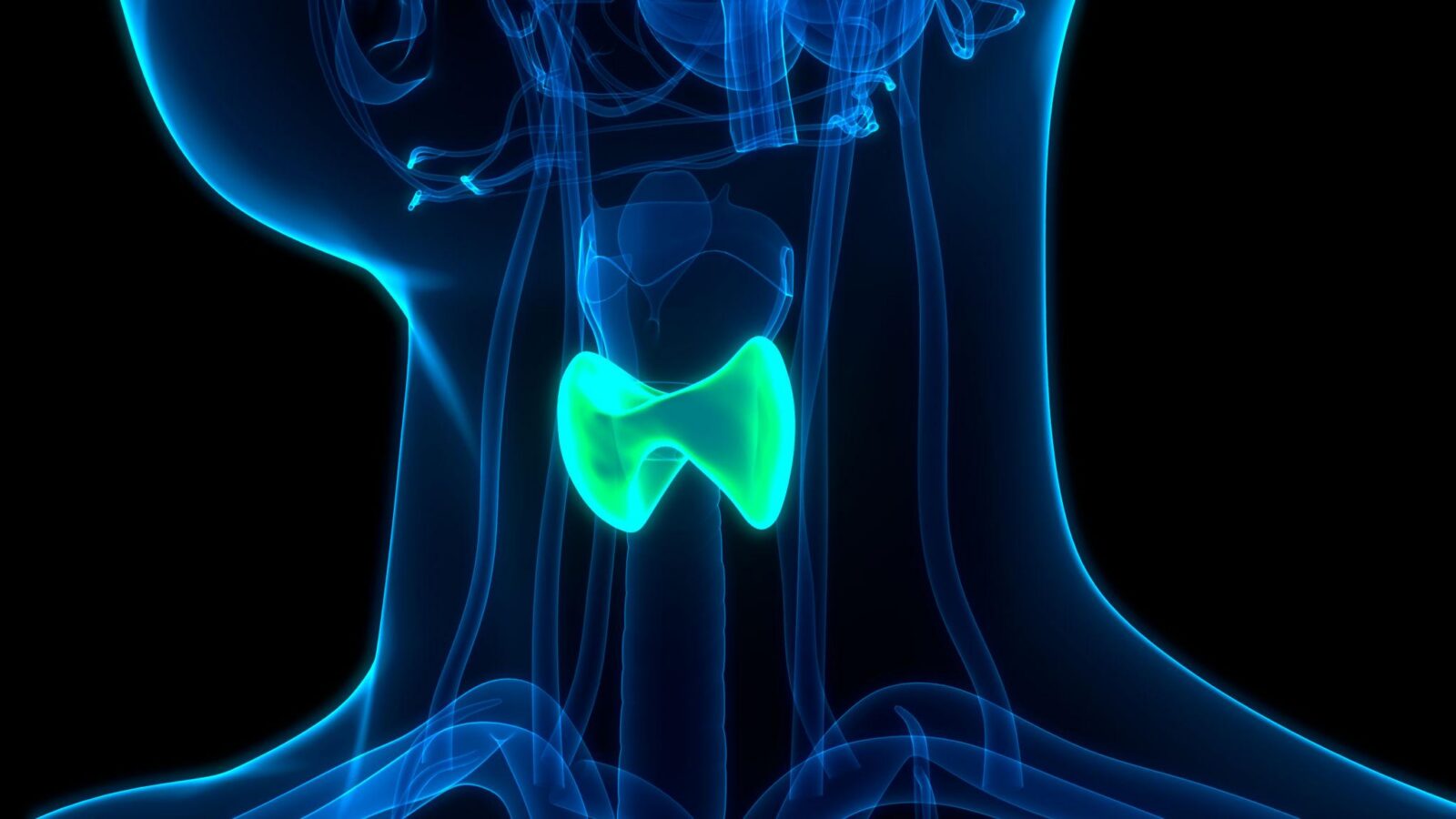
Can Thyroid Problems Cause Headaches During Perimenopause?
Thyroid disorders and perimenopause can produce overlapping symptoms, including fatigue, menstrual changes, mood changes, and sleep disturbances.
Headaches can also occur in people with thyroid disorders, although having migraines does not automatically mean the thyroid is responsible.
When symptoms suggest thyroid dysfunction, appropriate thyroid evaluation may help identify or rule out a contributing health condition.
Learn more about why thyroid and perimenopause symptoms are easy to confuse.
When Should You See a Doctor About Perimenopause Headaches?
Schedule a medical appointment if:
- Your migraines are becoming more frequent or severe.
- Headaches are interfering with work, sleep, or everyday activities.
- Your previous migraine medication is no longer effective.
- You develop a new headache pattern in midlife.
- You notice new visual or neurological symptoms.
- You regularly need headache medication.
Headache Warning Signs That Require Urgent Attention
Seek emergency medical care for a sudden, extremely severe headache, especially one that reaches maximum intensity within seconds or minutes.
Other urgent warning signs include:
- New weakness, facial drooping, or difficulty speaking
- Sudden vision loss or unusual neurological changes
- Confusion, fainting, or seizure
- Severe headache with fever and neck stiffness
- Headache following a significant head injury
A new headache with jaw pain while chewing, scalp tenderness, or visual symptoms after age 50 also needs prompt medical assessment.
Do not assume these symptoms are caused by changing hormones.
Will Perimenopause Migraines Go Away After Menopause?
For many women, migraine attacks become less frequent after natural menopause as hormone levels become more stable.
However, improvement is not guaranteed.
Some women continue to experience migraines after menopause, particularly when they have additional triggers or an established migraine disorder.
According to research on migraine during the menopause transition, headache patterns vary considerably between individuals.
This is why an individualized treatment approach is more useful than assuming migraines will disappear once periods stop.
A More Complete Approach to Women’s Health During Perimenopause
At 1st Optimal, we recognize that women’s health after 40 often involves more than one isolated symptom.
Headaches, poor sleep, fatigue, weight changes, hot flashes, and irregular menstrual cycles may appear around the same time.
Although these symptoms can be associated with perimenopause, they do not always share the same underlying cause.
Our functional medicine approach focuses on understanding the broader picture through individualized clinical assessment, appropriate testing, and medically guided care.
Depending on your symptoms and health history, this may include evaluating:
- Hormone-related symptoms and menopause transition patterns
- Thyroid health when clinically indicated
- Metabolic health and blood sugar concerns
- Sleep quality and recovery
- Nutrition and lifestyle factors
- Digestive or gut-health concerns when relevant
Our medical team can help determine which evaluations are appropriate and whether hormone therapy or other treatment options warrant consideration.
For migraine-specific diagnosis and management, care may also involve a primary care clinician or headache specialist.
The goal is to understand what may be contributing to your symptoms, avoid unnecessary testing, and build a care plan around your needs.
Frequently Asked Questions About Perimenopause Headaches and Migraines
Are headaches a common symptom of perimenopause?
Headaches can become more frequent or change in pattern during perimenopause, particularly in women with a history of hormonally sensitive migraines. Fluctuating estrogen, sleep disruption, and other triggers may contribute.
What do hormonal headaches during perimenopause feel like?
Hormone-related migraines may cause throbbing head pain, nausea, sensitivity to light, and worsening symptoms with movement. Other headaches may feel like pressure or tightness. Symptoms alone cannot confirm a hormonal cause.
Can low estrogen cause migraines?
Rapid decreases in estrogen can trigger migraine attacks in susceptible women. The hormonal change itself may be more important than a single low estrogen reading.
Why am I getting more migraines in my 40s?
Perimenopause can create unpredictable estrogen fluctuations and irregular menstrual cycles. Sleep disturbances, stress, and other triggers may further contribute. New or changing headaches should be assessed by a healthcare professional.
Can perimenopause cause daily headaches?
Headache frequency can increase during perimenopause, but daily headaches should not automatically be attributed to hormones. Frequent headaches may indicate chronic migraine, medication-overuse headache, or another condition requiring evaluation.
Does progesterone help perimenopause migraines?
There is insufficient evidence to recommend progesterone specifically as a standalone migraine treatment. Progesterone or progestogens may be prescribed for other medical reasons, including endometrial protection with certain estrogen therapies.
Is hormone replacement therapy safe for women with migraines?
It depends on the individual’s health history, migraine pattern, presence of aura, and cardiovascular risk factors. Menopausal hormone therapy may be appropriate for some women, but it is not routinely used solely to treat migraine.
Can magnesium prevent hormonal migraines?
Magnesium may help reduce migraine frequency in some people. However, it is not universally effective, and supplementation should be individualized with professional guidance.
Should I test my hormones if I’m having migraines during perimenopause?
Hormone blood tests are not routinely needed to diagnose hormonal migraine. A clinician may recommend targeted testing if symptoms suggest thyroid disease, anemia, or another condition, or if menopause status is uncertain in a situation where testing would change care.
Do migraines improve after menopause?
Many women experience fewer migraines after natural menopause as hormone fluctuations become less pronounced. However, some continue to experience migraine attacks and benefit from ongoing treatment.
Final Thoughts: Your Perimenopause Headaches Deserve Attention
If your headaches are becoming more frequent in your 40s, don’t assume they’re simply another part of aging.
Perimenopause can change how your body responds to hormonal fluctuations, particularly the rise and fall of estrogen. For women susceptible to migraines, those changes can influence headache frequency, severity, and predictability.
But hormones are only one part of the picture.
Sleep, stress, medication use, and other health conditions also matter. The most effective approach starts with understanding your symptoms, getting an accurate diagnosis, and developing an individualized treatment plan.
You don’t have to wait until menopause is over to seek help.
Ready to Better Understand Your Hormone Health?
If you’re navigating perimenopause symptoms like headaches, poor sleep, fatigue, hot flashes, or stubborn weight changes, understanding the bigger picture is a good place to start.
At 1st Optimal, our functional medicine team offers individualized assessments, clinically appropriate functional testing, hormone health support, and personalized care plans.
Explore a more informed approach to your health after 40.
Learn More About 1st Optimal and Our Women’s Health Services →
Medical References and Further Reading
- American Migraine Foundation. Migraine and Menopause.
- American Migraine Foundation. Hormonal and Menstrual Migraine: Symptoms and Treatment.
- American Migraine Foundation. Migraine and Menopause Webinar Recap.
- The Menopause Society. Migraine and the Menopause Transition. 2026.
- National Institute for Health and Care Excellence (NICE). Headaches in Over 12s: Diagnosis and Management.
Medical Disclaimer: This article is intended for educational purposes only and does not replace personalized medical advice, diagnosis, or treatment. New, severe, or worsening headaches should be evaluated by a qualified healthcare professional. Treatment options, including hormone therapy and prescription migraine medications, require individualized medical assessment.