

Hormone health plays a crucial role in everything from mood and energy to metabolism and sleep. For many women, hormonal imbalances can go unnoticed, impacting daily life and wellness in subtle yet profound ways. In fact, symptoms like fatigue, bloating, and mood swings are often brushed off as “normal,” when in reality, they may be signs of underlying hormone issues.
At 1st Optimal, we specialize in identifying and correcting hormone imbalances through personalized, evidence-based treatments. Whether it’s through hormone replacement therapy (HRT), peptides, or lifestyle modifications, achieving hormonal balance can transform your health, vitality, and overall quality of life.
As we age, especially during perimenopause and menopause, our hormones shift, and these shifts can have far-reaching effects on our energy levels, weight, and emotional well-being. Understanding these changes and addressing them proactively can empower you to regain control over your health.
Understanding Hormones and Their Impact
Hormones are chemical messengers that regulate key bodily functions such as metabolism, mood, sleep, and reproduction. When these hormones are out of balance, the body can experience a range of symptoms that affect both physical and mental well-being. For women, hormone imbalances often occur during times of significant hormonal shifts, such as perimenopause, menopause, or post-pregnancy.
Key hormones involved:
- Estrogen: Influences mood, metabolism, and bone health.
- Progesterone: Plays a role in regulating the menstrual cycle and pregnancy.
- Testosterone: Contributes to muscle strength, bone density, and libido.
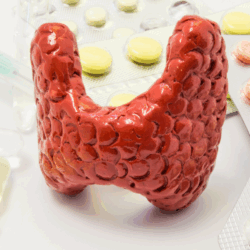
- Thyroid hormones: Regulate metabolism and energy levels.
While hormones are crucial to every bodily function, an imbalance in one or more of them can cause symptoms that affect your physical and mental health. Hormonal imbalances are often subtle at first, but over time they can lead to chronic issues like weight gain, fatigue, and mood disorders.
Common Causes of Hormone Imbalances in Women
A variety of factors can contribute to hormone imbalances in women, including lifestyle choices, medical conditions, and natural life stages. Here are some of the most common causes:
- Birth Control: Synthetic hormones in birth control can disrupt the natural hormonal rhythm, leading to imbalances in estrogen, progesterone, and testosterone.
- Chronic Stress: Stress increases cortisol levels, which can interfere with the production of other hormones, especially reproductive hormones.
- Poor Sleep: Sleep deprivation affects hormone regulation, particularly cortisol and growth hormones, which can impact energy levels and overall health.
- Diet: Nutrient deficiencies or an imbalanced diet can cause fluctuations in key hormones. For instance, insufficient omega-3 fatty acids can impact estrogen balance.
- Perimenopause and Menopause: These natural life stages are marked by significant hormonal changes, including decreased estrogen and progesterone production, which can trigger symptoms like hot flashes and mood swings.
- Environmental Toxins: Chemicals such as BPA (found in plastics) can act as endocrine disruptors, leading to hormonal imbalances.
Symptoms of Hormonal Imbalance: What to Watch For
Hormone imbalances can manifest in numerous ways, affecting both your body and mind. Common symptoms include:
- Fatigue: Feeling tired even after a full night’s sleep, with difficulty staying energized throughout the day.
- Mood Swings: Increased irritability, anxiety, or depression, often linked to shifts in estrogen and progesterone.
- Bloating and Digestive Issues: Hormonal fluctuations can cause water retention, bloating, and digestive discomfort.
- Weight Gain: Difficulty losing weight or unexplained weight gain, particularly around the abdomen.
- Sleep Disruptions: Difficulty falling asleep or staying asleep, which can stem from imbalances in melatonin and cortisol.
- Hot Flashes and Night Sweats: Common in perimenopause and menopause due to decreased estrogen levels.
- Low Libido: A significant decrease in sexual desire, which can be related to low testosterone or estrogen.
If you’re experiencing any of these symptoms, it could be a sign that your hormones are out of balance. Don’t dismiss them as part of the aging process—seek professional help to understand what’s going on beneath the surface.
How Functional Medicine Addresses Hormone Imbalances
Functional medicine takes a root-cause approach to healthcare, focusing on identifying and treating the underlying causes of hormone imbalances rather than just addressing symptoms. At 1st Optimal, we use advanced lab testing such as the GI-MAP and DUTCH test to assess hormone levels, gut health, and overall wellness.
Lab Testing for Hormonal Imbalances:
- GI-MAP Test: Identifies gut imbalances that can contribute to hormonal disruptions, such as inflammation or poor digestion, which can impact hormone production.
- DUTCH Test: Measures urine metabolites to assess adrenal function, sex hormones, and melatonin levels, providing an in-depth analysis of your hormonal profile.
Once we understand your unique hormonal profile, we create a personalized treatment plan. This may include:
- Bioidentical Hormone Replacement Therapy (HRT): Replacing declining hormones with natural, bioidentical alternatives.
- Peptides for Hormonal Regulation: Using peptides like GHK-Cu to stimulate the body’s natural hormone production.
- Lifestyle and Diet Modifications: Tailored nutrition and exercise plans designed to support your hormonal health.
- Stress Management Techniques: Meditation, yoga, and other stress-reducing activities can help lower cortisol levels, promoting overall hormonal balance.
The Role of Peptides in Hormone Optimization
Peptides are small proteins that play a critical role in regulating the body’s functions, including hormone production. At 1st Optimal, we offer peptide therapies that help stimulate the body’s natural hormone production, improve energy levels, and support overall hormonal balance. Growth hormone-releasing peptides (GHRPs) and other peptide therapies have shown promise in improving both physical and mental well-being, especially in women undergoing menopause.
Benefits of Peptide Therapy:
- Stimulates Natural Hormone Production: Peptides encourage the body to produce hormones naturally, improving balance without the need for synthetic hormones.
- Improves Energy and Metabolism: Peptides like Ipamorelin and CJC-1295 can help increase growth hormone levels, enhancing energy and metabolism.
- Enhances Skin Health: Peptides improve skin elasticity and collagen production, making them a useful therapy for women experiencing aging skin.
Lifestyle Changes to Support Hormonal Balance
Achieving and maintaining hormonal balance often requires more than medical intervention. Lifestyle changes, including diet, exercise, and stress management, can have a profound impact on hormone levels. Some tips include:
- Adopt a balanced diet: Focus on whole foods, including healthy fats, lean proteins, and fiber-rich vegetables. Avoid processed foods that can cause blood sugar spikes and hormonal disruptions.
- Manage stress: Practices like yoga, meditation, and deep breathing can lower cortisol levels, helping to restore balance to other hormones.
- Exercise regularly: Strength training and moderate cardio are essential for hormone health, improving insulin sensitivity and overall metabolic function.
- Prioritize sleep: Aim for 7-9 hours of sleep each night to support hormone regulation and recovery.
- Consider supplementing: Supplements like vitamin D, magnesium, and omega-3 fatty acids can help balance hormones naturally.
Example: “Incorporating a daily meditation routine can significantly lower cortisol levels, promoting a better hormonal balance and reducing symptoms like anxiety or weight gain.”
FAQs About Hormone Health:
What are the signs of hormonal imbalance in women?
Common signs include fatigue, weight gain (especially belly fat), mood swings, low libido, brain fog, sleep problems, irregular periods, and hair thinning.
How can I balance my hormones naturally?
Prioritize sleep, strength training, protein-rich meals, stress management, and limiting sugar and ultra-processed foods.
What is the best treatment for low estrogen?
For many women, medically supervised hormone replacement therapy (HRT) using bioidentical estradiol is the most effective option.
Can peptides help with hormone optimization?
Some peptides may support recovery, metabolism, and hormone signaling, but they are usually used alongside broader medical protocols.
How long does it take to see results from hormone replacement therapy (HRT)?
Many women notice improvements in energy, mood, and sleep within 2 to 6 weeks, with fuller benefits over several months.
What foods help balance hormones?
Protein-rich foods, healthy fats, high-fiber vegetables, and cruciferous vegetables like broccoli and cauliflower.
Is hormone testing necessary for women experiencing symptoms?
Testing helps identify the root cause and guides personalized treatment rather than guessing based on symptoms alone.
Can hormone imbalances cause weight gain?
Yes. Changes in estrogen, insulin, cortisol, or thyroid hormones can slow metabolism and increase fat storage.
Conclusion: Take Control of Your Hormonal Health Today
Hormonal imbalances don’t have to be something you simply live with. With the right approach, you can regain control over your health, energy, and mood. If you’re experiencing symptoms of hormonal imbalance, consider speaking to one of our specialists at 1st Optimal. Together, we can create a personalized plan to optimize your hormone health, so you can feel your best every day.
Ready to optimize your hormone health? Book a free consultation today and learn how 1st Optimal can help you feel better and live your best life. Book your free consultation.