
The Link Between Gut Health and GLP-1 Medications
GLP-1 (glucagon-like peptide-1) medications like semaglutide and liraglutide have gained significant attention in managing conditions like type 2 diabetes and obesity. These medications mimic the natural effects of GLP-1, a hormone that helps regulate blood sugar levels, appetite, and gastric motility. While these medications have proven effective for many individuals, some experience diminished results due to underlying gut health issues.
At 1st Optimal, we take a functional medicine approach to address the root causes of health issues, such as poor gut health, which can hinder the effectiveness of treatments like GLP-1 medications. In this post, we will explore how gut health affects GLP-1 receptor sensitivity, GLP-1 secretion, and how functional medicine can optimize natural GLP-1 production and reduce medication dosing to enhance treatment outcomes.
Understanding GLP-1 and Its Role in Health
What is GLP-1?
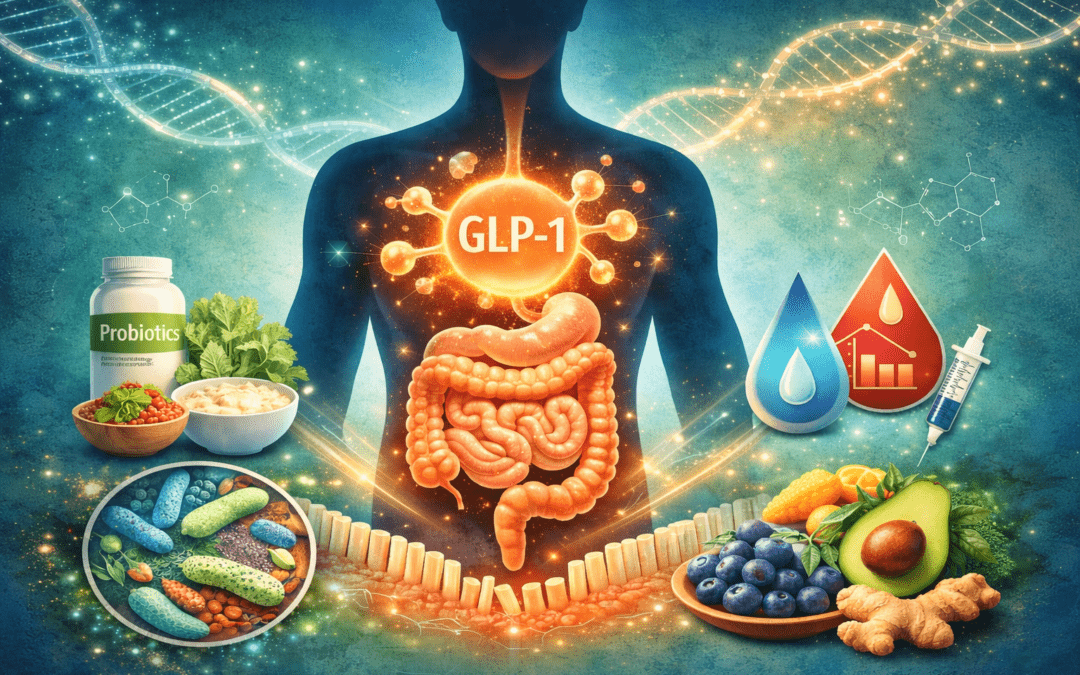
GLP-1 is a peptide hormone that is primarily produced in the intestines. It plays several critical roles in metabolic health:
- Regulating blood sugar by stimulating insulin release in response to high glucose levels.
- Suppressing appetite by signaling the brain to reduce hunger.
- Slowing gastric emptying, which promotes a feeling of fullness and aids digestion.
- Inhibiting glucagon release, preventing the liver from producing too much glucose.
GLP-1 Medications and Their Mechanism of Action
GLP-1 receptor agonists such as semaglutide and liraglutide mimic the effects of natural GLP-1. They bind to GLP-1 receptors to promote insulin release, enhance satiety, and reduce appetite. These medications are widely used for weight loss and blood sugar control in type 2 diabetes and have become a cornerstone in obesity management.
The Gut-GLP-1 Connection: How Poor Gut Health Affects Medication Effectiveness
1. Impaired GLP-1 Receptor Sensitivity
The gut microbiome plays a critical role in GLP-1 receptor regulation. A disruption in the gut’s bacterial balance (dysbiosis) can affect the sensitivity of GLP-1 receptors. Inflammation and an unhealthy microbiome reduce the body’s ability to effectively use GLP-1 medications.
- Gut microbiome disruption: The gut is home to trillions of bacteria that produce short-chain fatty acids (SCFAs), which regulate GLP-1 receptor activity. Dysbiosis, characterized by an imbalance of harmful and beneficial bacteria, can disrupt this process and impair receptor function.
- Inflammation: Chronic inflammation, often linked to conditions like irritable bowel syndrome (IBS) or leaky gut, can reduce the body’s ability to utilize GLP-1 receptors, diminishing the effectiveness of medications.
2. Reduced GLP-1 Secretion
GLP-1 is secreted in response to food intake, but poor gut health—due to malabsorption, dysbiosis, or intestinal inflammation—can hinder GLP-1 secretion. The presence of a balanced microbiome is necessary for proper hormone release, and any imbalance can reduce GLP-1 production.
- Microbial imbalances: Certain bacteria help stimulate GLP-1 production. An unhealthy gut microbiome can reduce the secretion of GLP-1, leading to lower circulating GLP-1 levels, which in turn decreases the medication’s effectiveness.
- Gut motility issues: Conditions like gastroparesis, where food moves slowly through the stomach, can hinder the release of GLP-1 from the intestines. Slow gastric emptying also impairs the slower action of GLP-1 receptor agonists.
3. Altered Absorption and Metabolism of GLP-1 Medications
The absorption and metabolism of GLP-1 medications can also be disrupted by poor gut health. Leaky gut, SIBO, and other intestinal conditions can prevent proper medication absorption.
- Malabsorption: A compromised gut lining, as seen in conditions like celiac disease or SIBO, can prevent GLP-1 medications from being absorbed efficiently. If medications are not absorbed properly, their effectiveness is diminished.
- Gut permeability issues: Increased intestinal permeability allows inflammatory cytokines and toxins to enter the bloodstream, which may interfere with the body’s ability to process medications correctly.
4. Gastrointestinal Symptoms That Interfere with GLP-1 Effectiveness
Common digestive symptoms like bloating, gas, diarrhea, and constipation often interfere with the gut motility required for GLP-1 medications to work optimally. Gastroparesis, for instance, can slow gastric emptying, which is one of the mechanisms through which GLP-1 medications help control appetite and regulate blood sugar.
Functional Medicine Approach to Optimizing Gut Health and GLP-1 Effectiveness
At 1st Optimal, we take a functional medicine approach to improve gut health and optimize GLP-1 effectiveness. This holistic method focuses on addressing underlying causes such as poor microbiome health, inflammation, and nutrient deficiencies, rather than simply masking symptoms.
1. Gut Microbiome Optimization
Restoring a healthy microbiome is one of the first steps in optimizing GLP-1 receptor sensitivity. Here’s how we do it:
- Dietary changes: A high-fiber diet rich in prebiotics and probiotics is essential for maintaining a healthy microbiome. Prebiotics feed the beneficial bacteria in the gut, while probiotics help increase the number of good bacteria. Foods like leafy greens, legumes, fermented foods (e.g., kimchi, sauerkraut, yogurt), and high-fiber fruits are essential.
- Probiotics and Prebiotics: Probiotic supplements help restore the balance of the microbiome, while prebiotic fibers nourish beneficial bacteria to support the gut.
- Gut-healing supplements: L-glutamine, collagen peptides, and aloe vera are often recommended to reduce gut inflammation, heal the gut lining, and promote intestinal barrier function.
2. Reducing Inflammation
Chronic inflammation in the gut can interfere with GLP-1 receptor function. Functional medicine approaches to reducing inflammation include:
- Anti-inflammatory diets: Omega-3 fatty acids from foods like salmon, flaxseeds, and walnuts help reduce inflammation. Turmeric and ginger are also known for their anti-inflammatory properties.
- Elimination of food sensitivities: Identifying and eliminating foods like gluten, dairy, and processed sugars, which can trigger inflammation, is crucial in reducing gut inflammation.
- Stress management: Chronic stress leads to the release of cortisol, which can worsen gut inflammation. Incorporating mindfulness practices, yoga, and adequate sleep is essential for gut health.
3. Supporting Healthy Gut Motility
Gut motility is crucial for the proper function of GLP-1 medications. Poor motility can lead to delayed gastric emptying, reducing the effectiveness of GLP-1 receptor agonists. Functional medicine treatments for motility include:
- Magnesium supplementation: Magnesium promotes healthy motility and helps relieve constipation and bloating.
- Motility-promoting foods: A diet rich in fiber, water, and fermented foods supports optimal gut movement.
- Herbal remedies: Peppermint, ginger, and fennel can help improve digestion and relieve discomfort.
4. Optimizing Nutrient Absorption
For GLP-1 medications to work effectively, they must be absorbed into the bloodstream. Functional medicine supports nutrient absorption through:
- Digestive enzyme supplements: Enzyme supplements can help break down food and medications more efficiently, ensuring better absorption.
- Gut lining repair: Supplements like glutamine and zinc carnosine help repair the gut lining, improving nutrient absorption and medication effectiveness.
Minimizing Effective Dosing of GLP-1 Medications
One of the key benefits of optimizing gut health is the ability to reduce the effective dosing of GLP-1 medications. By improving GLP-1 receptor sensitivity and natural GLP-1 production, individuals may experience:
- Better control of appetite with lower doses of medication.
- Improved blood sugar regulation with minimal dosing.
- Reduced side effects associated with higher doses of GLP-1 medications.
By integrating functional medicine principles to support gut health, it is possible to achieve better results with lower medication doses, reducing the risk of adverse effects and improving overall health.
FAQ: Gut Health and GLP-1 Effectiveness
1. Can GLP-1 medications be effective without improving gut health?
While GLP-1 medications can still work in the short term, poor gut health may reduce their long-term effectiveness. By improving gut health, you can enhance GLP-1 receptor sensitivity and natural GLP-1 production, making the medications more effective and potentially reducing the need for higher doses.
2. How can I tell if my gut health is affecting my GLP-1 medication?
If you experience digestive issues (bloating, constipation, diarrhea), unexplained weight gain, fatigue, or poor blood sugar control, poor gut health might be hindering the effectiveness of your GLP-1 medication. A functional medicine practitioner can help assess your gut health and determine the best treatment options.
3. What is the best diet for improving GLP-1 effectiveness?
A diet rich in fiber, fermented foods, and healthy fats supports a balanced microbiome, which can enhance GLP-1 secretion and receptor function. Foods like leafy greens, yogurt, and whole grains are excellent choices for optimizing gut health.
4. Can functional medicine help reduce the need for GLP-1 medications?
Yes, by improving gut health and supporting natural GLP-1 production, functional medicine can help reduce medication dosages and improve the body’s response to GLP-1 treatments.
Conclusion: A Comprehensive Solution for GLP-1 Optimization
At 1st Optimal, we prioritize a functional medicine approach that addresses the root causes of poor gut health, GLP-1 receptor sensitivity, and natural GLP-1 production. By improving gut health, we can help optimize GLP-1 medications, reduce medication doses, and improve long-term metabolic health.
Book a free health consult today to learn how we can help you optimize your GLP-1 effectiveness through a personalized gut health plan.
References:
- Drucker, D. J., & Nauck, M. A. (2006). The role of the GLP-1 receptor in the regulation of glucose homeostasis. Diabetes Care.
- Baggio, L. L., & Drucker, D. J. (2007). Glucagon-like peptide-1 receptor signaling and the regulation of blood glucose. Endocrine Reviews.
- Sivaprakasam, S., et al. (2020). The microbiome and its role in obesity and metabolic disorders. Journal of Clinical Investigation.
- Khanna, S., & Toney, C. L. (2018). Dysbiosis of the microbiome: Gut health and systemic inflammation in obesity. Current Diabetes Reports.