

Most people think muscle growth happens exclusively in the gym. But the truth is, what you do in the other 23 hours of the day is what truly determines your results. This becomes even more critical when you’re focused on building muscle after 35. Your body’s ability to recover and adapt is directly tied to your internal health—from hormone balance to nutrient absorption. Pushing harder without addressing these foundational pieces can lead to burnout, not growth. This is about creating the right internal environment for real, sustainable strength.
This article breaks down what actually makes muscles grow, what gets in the way, and how to apply the science in your real life. Whether you’re just getting back into strength training or want to break through a plateau, understanding these principles will help you train smarter, not just harder.
How Do Muscles Actually Grow?
Muscle growth is your body’s way of adapting to stress. When you lift weights, you create tiny amounts of damage in the muscle tissue. This is called microtrauma. Your body sees that damage as a signal: “We need to get stronger so this doesn’t happen again.”
To repair the damage, your body sends nutrients, immune cells, and hormones to the area. It also increases protein synthesis, which is the process of building new muscle tissue. If you recover well, your body adds a little more tissue than it lost. Over time, this adds up to noticeable strength and size gains.
But without the right kind of stimulus, and without proper recovery, this process stalls. You don’t get stronger. You just stay sore, tired, or stuck.
The Reality of Muscle Loss After 35
If you’ve noticed it’s harder to maintain muscle or that recovery takes longer, you’re not imagining things. This subtle shift often starts around age 35. It’s not a reason to be discouraged, but a call to be more strategic with your health. Understanding the science behind this change is the first step toward a plan that keeps you feeling strong and energetic for decades. It’s about shifting from simply working out to training with intention, fueled by a deeper knowledge of your body’s changing needs.
Sarcopenia: What It Is and Why It Matters
The clinical term for age-related muscle loss is sarcopenia—the gradual decline of muscle tissue and strength. Think of it as a slow leak rather than a sudden drop. Because it happens so gradually, many people don’t notice it until it impacts daily performance, from the boardroom to a weekend hike. This process is a key reason why metabolism slows and body composition changes, even if your habits haven’t. Recognizing this as a natural biological process allows you to address it proactively instead of reacting to it years down the line.
The Rate of Decline: A Look at the Numbers
The numbers might seem small, but they compound. After age 35, the average person can lose about 1-2% of their muscle mass each year. Over a decade, that leads to a significant drop in your metabolic rate and overall strength. This isn’t just about aesthetics; it’s about your body’s engine. Less muscle means less metabolic horsepower, affecting everything from your energy levels to how your body manages blood sugar. The good news is this rate isn’t fixed and can be influenced by your lifestyle.
More Than Just Weakness: The Health Consequences
Losing muscle has a ripple effect across your entire health. Strong muscles are essential for stable joints, good posture, and a healthy metabolism. As muscle mass declines, the risk of injury increases, and it becomes harder to recover from illness or surgery. According to Harvard researchers, this gradual weakening makes everyday activities more strenuous and can significantly impact long-term independence. For high-performers, this translates to a loss of resilience. Preserving muscle is a foundational strategy for maintaining the vitality required to perform at your best.
Why Training Is Only Half the Battle
Think of your workout like a message. It tells your body, “This muscle is being pushed beyond its current capacity.” But whether your body listens and adapts depends on what happens after the workout.
Recovery is where growth actually happens. If you train hard but sleep poorly, under eat, or stay stressed all day, your body won’t prioritize muscle repair. It will prioritize survival. That means holding onto fat, lowering testosterone, raising cortisol, and slowing down growth.
So the key is this: Train with intent. Recover with just as much intention.
The 3 Essential Triggers for Muscle Growth
Muscle growth happens when three key things are present in your training:
- Mechanical tension: This is the actual force placed on your muscles. Lifting heavy weights with proper form activates this. It’s the most important signal for muscle growth.
- Muscle damage: Controlled damage from resistance training signals the body to rebuild. Too much damage, though, can slow recovery.
- Metabolic stress: This is the “burn” you feel when you do higher reps or short rest periods. It increases blood flow, cell swelling, and hormone activity.
The best workouts usually include all three. That means a mix of heavy lifts, moderate reps, and focused sets that push the muscle close to failure without reaching complete exhaustion.
How Often Should You Train for Real Results?
You don’t need to train every day to build muscle. In fact, more isn’t always better.
For most people, training each muscle group 2 times per week with 10 to 20 sets total per week is enough to grow. That means you could hit legs on Monday and Friday, chest on Tuesday and Saturday, and back on Wednesday and Sunday, for example.
If you’re busy or recovering from fatigue, even 1 time per week per muscle group can maintain your gains.
The key is progressive overload gradually increasing either the weight, the reps, or the difficulty over time. Without this, your body has no reason to adapt.
Setting Realistic Timelines for Muscle Growth (and Loss)
Understanding the timeline for building and losing muscle is crucial for setting realistic expectations and staying motivated. It’s not an overnight process, but a long-term investment in your strength and health that pays dividends in energy and resilience. Knowing the facts helps you plan your training around a demanding career, travel, or unexpected breaks without feeling like you’ve lost all your progress. The key is to focus on consistency over intensity, because small, repeated efforts are what create lasting change, allowing you to build a sustainable routine that fits your life instead of fighting against it.
How Quickly Can You Expect to See Results?
While you might feel stronger and more energetic within a few weeks, visible changes take a bit more patience. Most people will see noticeable muscle growth within four to six months of starting a consistent strength training program. This timeline depends heavily on your training history, nutrition, sleep quality, and crucial internal factors like your hormonal health. If your testosterone is low or your cortisol is chronically high, for example, your body will struggle to build new tissue, no matter how hard you train. This is why a data-driven approach that addresses your unique physiology is so powerful for getting real, sustainable results and ensuring your effort in the gym actually pays off.
How Fast Is Muscle Lost When You Stop Training?
Unfortunately, losing muscle happens much faster than building it. Your body operates on a “use it or lose it” principle, and it won’t maintain metabolically expensive muscle tissue if it doesn’t sense a regular need for it. If you stop training completely, you can expect to lose a significant amount of muscle and strength within just eight to twelve weeks. While that might sound discouraging, especially when work or life gets in the way, the good news is that muscle has memory. It’s much easier and faster to regain lost muscle than it is to build it from scratch, so don’t let a necessary break from the gym derail your long-term goals completely.
Should You Always Train to Failure?
Training to failure means doing a set until you physically can’t do another rep. While this can increase muscle activation, it also increases fatigue and recovery time. Most research shows that training close to failure, but not all the way, is just as effective and easier to recover from.
A good rule of thumb: Stop each set with 1 or 2 reps in reserve. You’ll still stimulate growth without burning out your nervous system or hormones.
Why Rest Days Are Your Most Productive Days
Recovery is a biological process. It involves the nervous system, hormones, inflammation, nutrition, and rest. If you ignore it, your progress will stall.
Here’s what your body needs to recover fully:
- Sleep: 7 to 9 hours per night, especially deep sleep, is essential. Growth hormone and testosterone peak during sleep.
- Protein: Aim for 0.7 to 1 gram of protein per pound of body weight daily. This gives your body the amino acids it needs to build muscle.
- Rest days: Take 1 or 2 days off from hard training each week. This allows your joints, muscles, and nervous system to reset.
- Stress management: Chronic stress raises cortisol, which breaks down muscle and slows fat loss. Deep breathing, meditation, walks, and therapy all help.
- Hydration and micronutrients: Water, magnesium, potassium, and sodium help your muscles fire and recover.
How Hormones Affect Your Ability to Build Muscle
Your body needs the right hormonal environment to build and maintain muscle. The key players include:
- Testosterone: Increases protein synthesis, strength, and muscle mass. Low testosterone leads to slower recovery and more fat gain.
- Growth hormone: Helps with tissue repair and fat burning. It peaks during deep sleep and fasting states.
- Insulin: Helps shuttle nutrients into cells. High insulin sensitivity improves nutrient uptake after meals and workouts.
- Cortisol: A stress hormone that breaks down muscle tissue when elevated chronically. It’s helpful during workouts, but harmful if always high.
- Estrogen and progesterone: These hormones also play a role in muscle retention, especially in women. Balanced levels improve performance and recovery.
Hormone optimization is about creating an environment where your body can build muscle efficiently. That means lowering chronic stress, sleeping well, eating enough protein and nutrients, and getting labs done when needed.
The Role of Testosterone and Estrogen
Think of testosterone as the project manager for muscle growth. It directly signals your body to increase protein synthesis, which is the process of repairing and building new muscle tissue. When testosterone levels are optimal, you recover faster, build strength more efficiently, and find it easier to maintain a lean physique. On the other hand, low testosterone can make workouts feel like a grind, with slow recovery and a tendency to store more body fat. For women, estrogen and progesterone are just as critical. When these hormones are balanced, they support muscle retention, improve performance, and aid in recovery. The goal isn’t just about having more of any one hormone, but creating a balanced internal environment where your body is primed for growth and repair.
Beyond Hormones: Cellular Energy and Nerve Signals
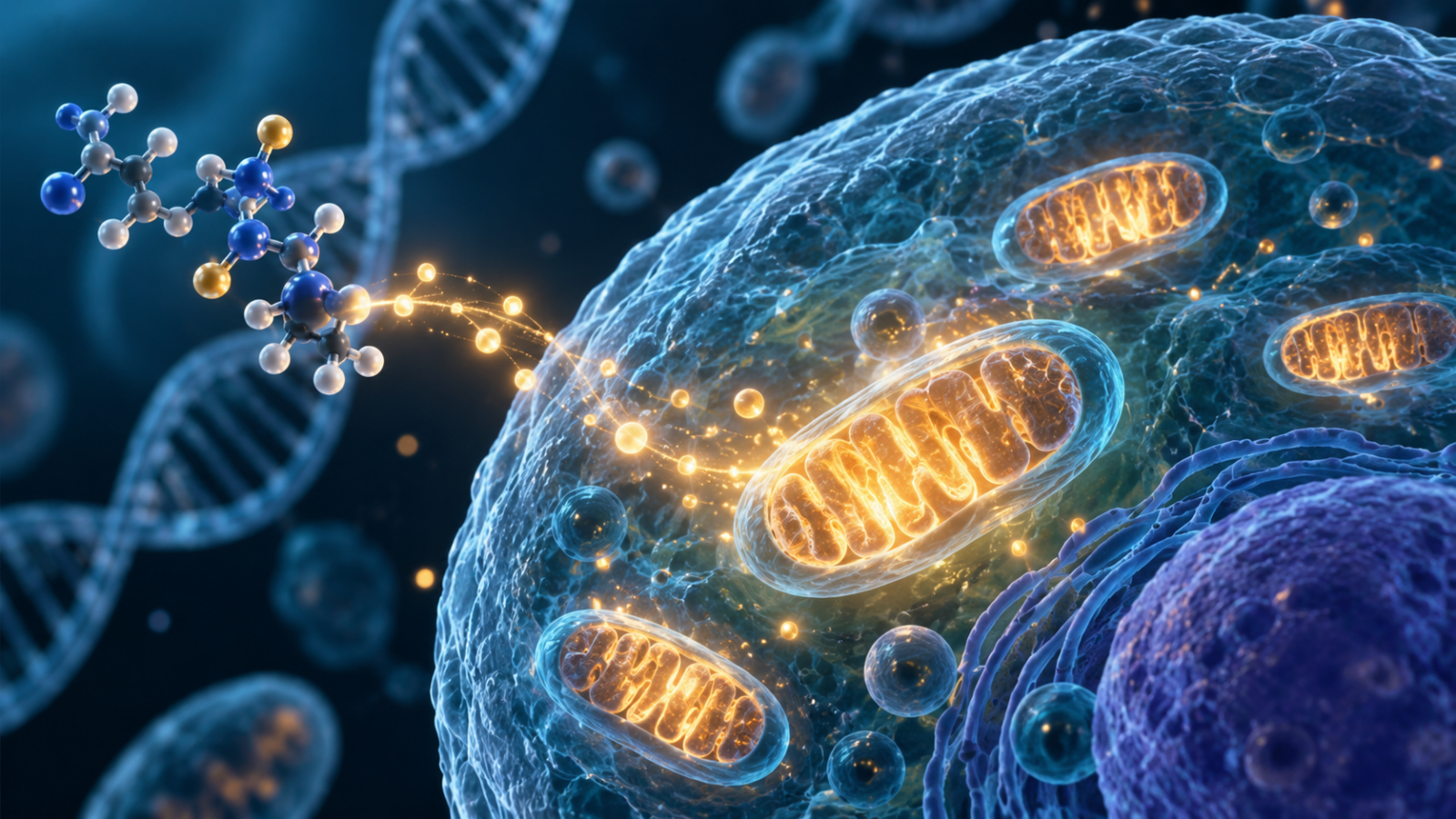
While hormones set the stage, muscle growth also depends on what’s happening at a cellular level. Your muscle cells are packed with tiny power plants called mitochondria, which generate the energy needed for every contraction and repair process. As we get older, mitochondrial function can decline, making it harder to power through workouts and recover from them. At the same time, the nerve signals that tell your muscles to contract can weaken, especially if they aren’t used consistently. This is a key reason why muscle disuse is often a bigger factor in age-related decline than aging itself. Consistent training keeps these neural pathways strong and tells your body to maintain its cellular machinery, ensuring your muscles stay responsive and ready for action.
Can You Still Build Muscle After 35? (Spoiler: Yes)
Starting around age 30 to 35, the body begins to lose muscle slowly if you don’t train. This process is called sarcopenia. It leads to slower metabolism, more fat storage, weaker bones, and higher injury risk.
But the good news is, muscle is still very responsive to training even in your 40s, 50s, and beyond. In fact, studies show that older adults can build muscle just as well as younger ones, as long as they train consistently and eat enough protein.
Key tips for training after 35:
- Prioritize strength and resistance work over endless cardio
- Use good form and controlled reps to protect joints
- Increase protein to support recovery
- Get hormone labs yearly to monitor changes
- Focus more on recovery (massage, sleep, rest days)
Forget “Toning”: Let’s Talk About Building Lean Muscle
Many people say they want to “tone” rather than “bulk.” But from a physiological standpoint, toning and bulking are the same process building muscle while reducing fat.
Muscle gives your body shape, definition, and strength. It also burns more calories at rest, improves glucose control, and protects against injuries. You won’t get bulky unless you intentionally eat a huge calorie surplus and train for size with high volume.
Instead of chasing scale weight, focus on:
- Lean body mass
- Strength in key lifts
- Waist and hip measurements
- Energy, sleep, libido, and mood
These are better indicators of progress than the number on a scale.
More Muscle, More Years: The Longevity Connection
Muscle isn’t just about looks. It’s a major predictor of health span how long you live without disease or disability.
More muscle is linked to:
- Lower risk of all-cause mortality
- Better blood sugar control
- Stronger bones
- Fewer falls and fractures
- Lower inflammation
- Better brain health and memory
And because muscle stores glucose, regulates metabolism, and improves insulin sensitivity, it also helps protect against obesity, diabetes, and metabolic syndrome.
In fact, some researchers call muscle “the organ of longevity.” The more you have (within a healthy range), the better your chances of staying strong, sharp, and active well into old age.
Knowing When to Rest vs. When to Push
There are times when recovery needs to take priority:
- You feel exhausted after every workout
- Sleep is disrupted
- Libido or motivation has dropped
- You’re sore for more than 2 days
- You’re getting weaker or plateauing
- Stress at work or home is high
- You’re getting sick more often
In these cases, training harder may actually make things worse. Cut volume in half, walk more, and prioritize food, sleep, and stress relief.
Once recovery improves, your body will be primed to grow again.
Your Action Plan for Muscle Growth and Recovery
- Lift weights 3 to 5 times per week
- Focus on compound lifts: squats, deadlifts, presses, rows
- Eat 1 gram of protein per pound of body weight daily
- Prioritize sleep over late-night cardio or screen time
- Take 1 to 2 full rest days weekly
- Drink at least half your body weight in ounces of water
- Add electrolytes if you sweat a lot
- Get labs done to track testosterone, cortisol, DHEA, thyroid, insulin
- Add short walks after meals to improve blood sugar and recovery
- Avoid alcohol during heavy training phases
### Foundational Exercise Guidelines Around age 35, our bodies naturally start to lose muscle if we aren’t actively working to maintain it. This process, known as sarcopenia, can slow your metabolism and increase your risk of injury. But this isn’t a life sentence. Research consistently shows that your muscles remain incredibly responsive to training well into your 40s, 50s, and beyond. With consistent effort and smart recovery, you can build strength just as effectively as someone younger. The strategy just needs a few adjustments: prioritize resistance training over long, slow cardio sessions, focus on controlled movements to protect your joints, and make recovery a non-negotiable part of your routine. Getting your hormones checked annually can also provide critical insight into your body’s internal environment, ensuring nothing is holding you back.
Don’t Forget Balance and Mobility
Strength training is the foundation, but true resilience comes from pairing it with balance and mobility work. As muscles weaken, it becomes harder to maintain your balance, whether you’re moving through a workout or just standing still. This isn’t just about preventing falls later in life; it’s about moving efficiently and avoiding injury today. Adding practices like yoga or Pilates into your weekly routine can significantly improve your stability and flexibility, helping your body handle the demands of both heavy lifting and daily life. Think of it as the essential maintenance that keeps your high-performance machine running smoothly. ### Nutrition Beyond Protein: Essential Micronutrients Getting enough protein is critical for muscle repair—aiming for 0.7 to 1 gram per pound of body weight is a solid target. But your body needs more than just protein to perform at its peak. Micronutrients are the unsung heroes of recovery and performance. For instance, calcium and Vitamin D are essential for bone density, which is especially important for women post-menopause. Meanwhile, electrolytes like magnesium, potassium, and sodium are crucial for proper muscle contraction and hydration. A well-rounded diet rich in leafy greens and whole foods helps cover these bases, ensuring your body has all the raw materials it needs to rebuild and get stronger.
Common Mistakes When Building Muscle After 35
- Overtraining without enough rest
- Undereating protein or calories
- Skipping sleep to train more
- Obsessing over soreness instead of performance
- Only doing cardio and expecting muscle to grow
- Ignoring hormone health and lab data
- Comparing your progress to others online
Your journey is personal. Focus on what your body is telling you, and what you can do consistently for the long term.
Blaming Age Instead of Inactivity
It’s easy to blame your age when you notice you’re not as strong as you used to be. We hear it all the time: “I’m just getting older.” But the truth is, age isn’t the main villain here—inactivity is. While it’s true that the natural process of age-related muscle loss, called sarcopenia, begins around age 30, the rate at which it happens is largely within our control. Disuse is a far more powerful factor than the number of candles on your birthday cake. Adults who don’t consistently challenge their muscles can expect to lose four to six pounds of lean tissue every decade. This isn’t just about getting weaker; it’s about a slower metabolism, increased fat storage, and a higher risk of injury. The good news is that you can fight back. Consistent strength training and proper nutrition are incredibly effective at slowing this process down, proving that your muscles can respond and grow at any age.
Train Smart, Recover Harder, and Build Muscle for Life
Muscle growth isn’t about ego or extreme effort. It’s about consistency, feedback, recovery, and lifestyle alignment. The gym is where you signal the change. But sleep, food, stress, and mindset are where the change actually happens.
At 1st Optimal, we help men and women create personalized muscle-building plans backed by labs, coaching, and targeted recovery. Whether you’re just getting started or looking to optimize what you’re already doing, we take the guesswork out and put the science in.
Want to know if your body is primed for muscle growth?
Start with our foundational lab panel, or book a coaching consult today:
→ 1stOptimal.com/lab-testing
→ 1stOptimal.com/coaching
Frequently Asked Questions
I’m incredibly busy. Is it realistic to build muscle if I can only get to the gym 2-3 times a week? Absolutely. Consistency is far more important than frequency. A well-structured full-body workout performed two or three times a week is more than enough to stimulate muscle growth, especially if you focus on progressive overload. The key is to make those sessions count by focusing on compound movements and proper form. Your results will depend more on the quality of your recovery—your sleep, nutrition, and stress management—on the other four or five days of the week.
How do I know if my hormones are the reason I’m not seeing results? If you’re training consistently and your nutrition is on point, but you still feel fatigued, struggle with recovery, notice increased body fat, or have a low libido, your hormones could be the underlying issue. Symptoms like these are your body’s way of signaling an internal imbalance. While the blog post covers the basics, the only way to know for sure is through comprehensive lab testing that looks at key markers like testosterone, cortisol, and thyroid function.
As a woman, I want to be strong, not bulky. Will lifting heavy weights make me look masculine? This is a common and understandable concern, but the fear of getting “bulky” is largely a myth. Women do not have the same hormonal profile, specifically the high levels of testosterone, required to build large, bulky muscles naturally. Lifting heavy weights is the single most effective way to build lean muscle, which creates a strong, defined, and metabolically active physique. That “toned” look everyone wants is simply the result of having muscle and a low enough body fat percentage to see it.
I feel like I’m doing everything right in the gym, but I’m still not getting stronger. What am I missing? When progress stalls despite consistent effort in the gym, the answer is almost always found outside of it. The most common culprits are inadequate recovery and nutrition. Are you getting at least seven hours of quality sleep per night? Is your daily protein intake high enough to support muscle repair? Are you managing your stress levels? Chronic stress elevates cortisol, a hormone that actively breaks down muscle tissue and hinders growth. Your workout is the signal for growth, but sleep, food, and rest are what actually build the muscle.
Why is muscle so important for longevity, not just for looking good? Think of muscle as your body’s metabolic armor. It’s one of the most powerful predictors of how well you will age. More muscle mass improves your body’s ability to manage blood sugar, which reduces your risk of metabolic diseases like type 2 diabetes. It also supports bone density, protects your joints from injury, and acts as a protein reserve your body can draw upon during illness. Maintaining strength ensures you can stay active, independent, and resilient for decades to come.
Key Takeaways
- Prioritize what happens outside the gym. Muscle growth is determined by your recovery—quality sleep, sufficient protein, and stress management are just as critical as your workouts.
- Your internal health dictates your results. Hormones like testosterone and cortisol create the foundation for building muscle. If your internal environment isn’t optimized, your hard work in the gym won’t deliver the results you expect.
- Train for consistency, not exhaustion. Building muscle after 35 is about smart, progressive effort. Focus on training close to failure, not all the way to it, to stimulate growth without causing burnout or injury.
Related Articles
- Strength Training After 40: Build Muscle, Boost Health
- Muscle Growth After 35: Key Factors Explained